
Country Wooden Occasional Table
A country wooden occasional table brings simple utility and honest charm to a room, offering a surface that carries the marks of daily use.
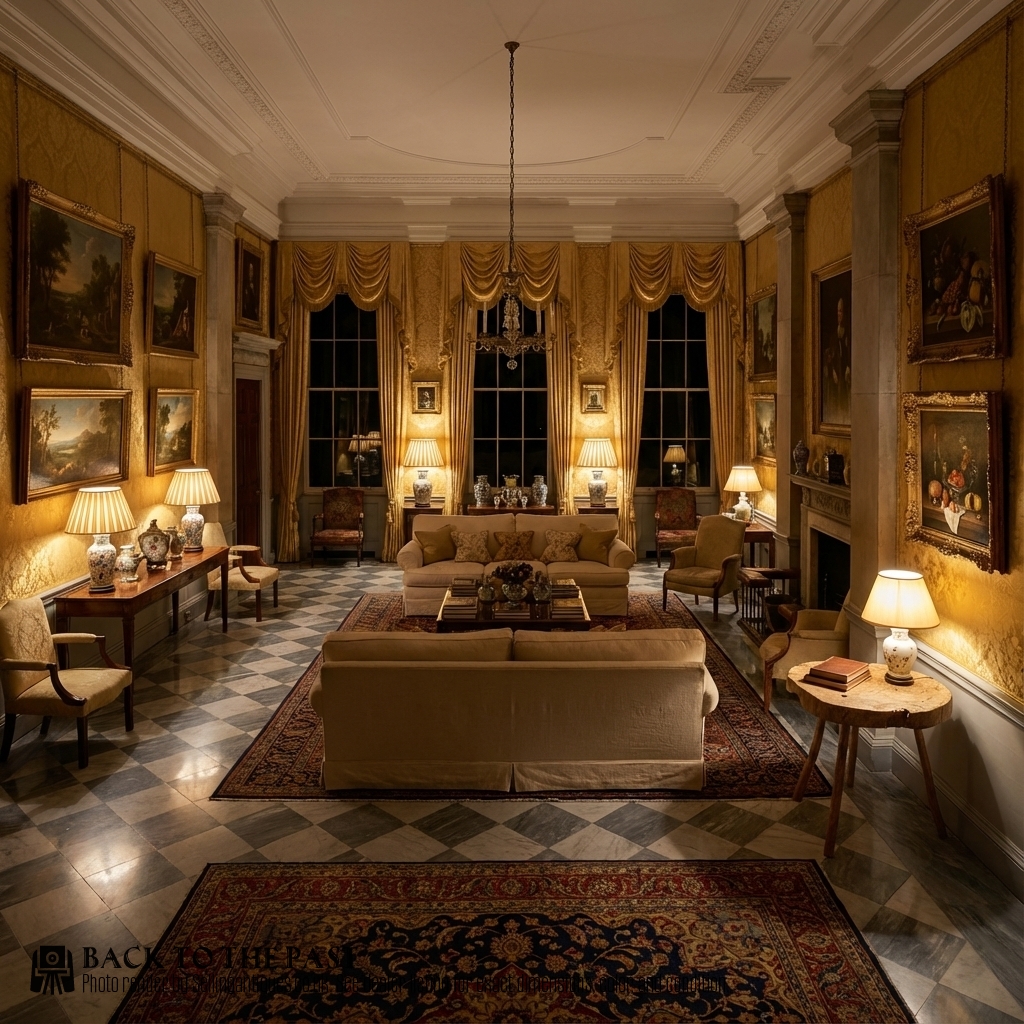
Country Wooden Occasional Table
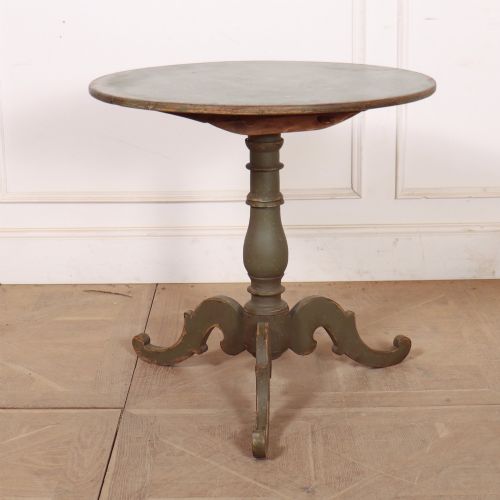
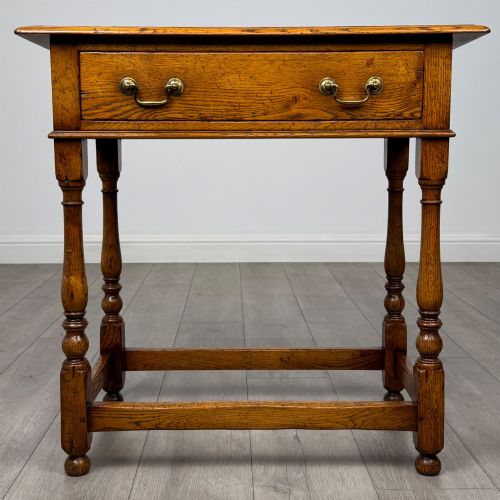
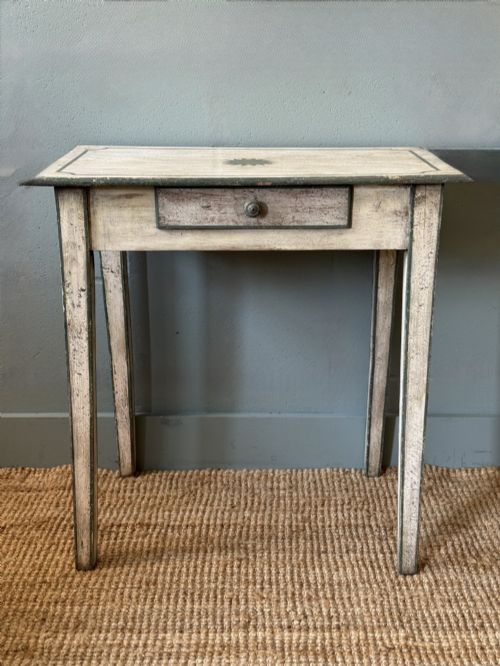
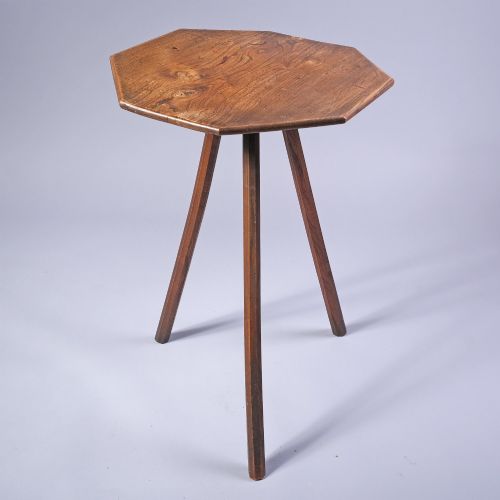
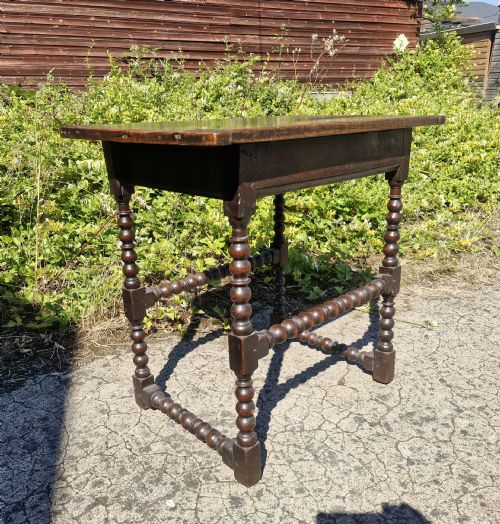
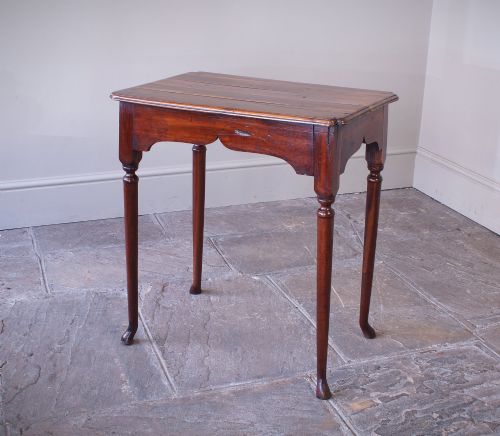
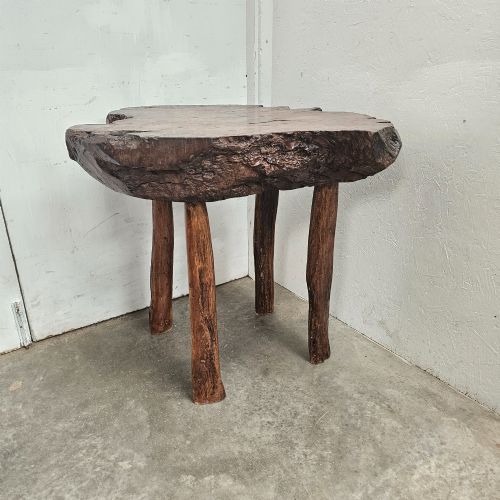
When you search for a country wooden occasional table, you encounter domestic items built for specific tasks rather than grand display. The selection on this page centres on sturdy side tables, low coffee tables, and tripod cricket tables designed for everyday utility. These pieces originate from various regional traditions, spanning English vernacular workshops to French provincial kitchens.
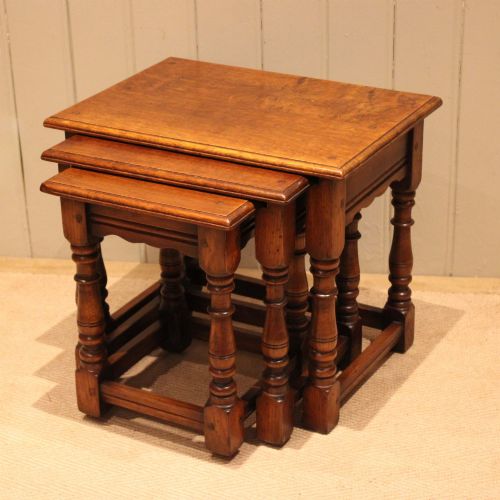
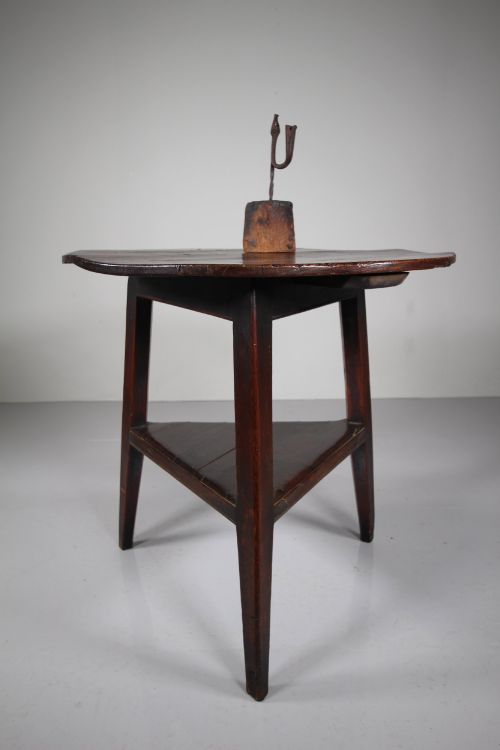
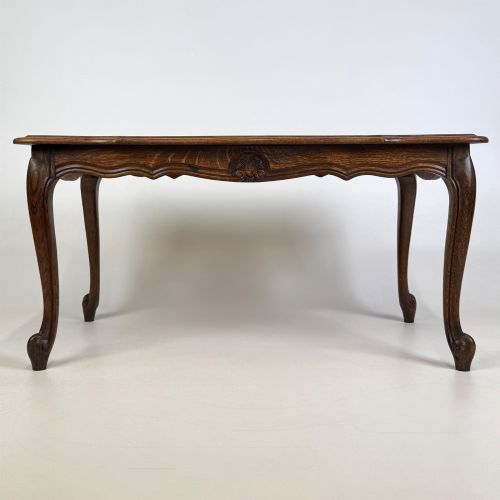
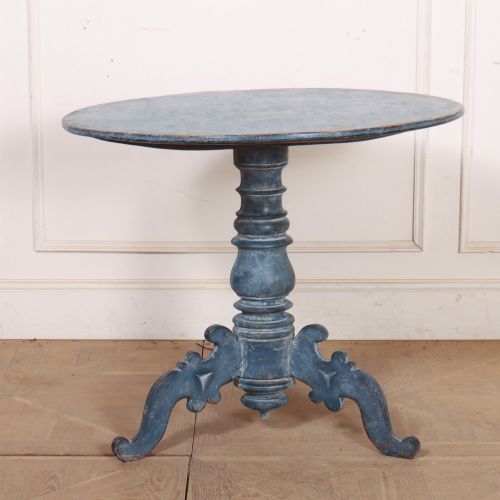
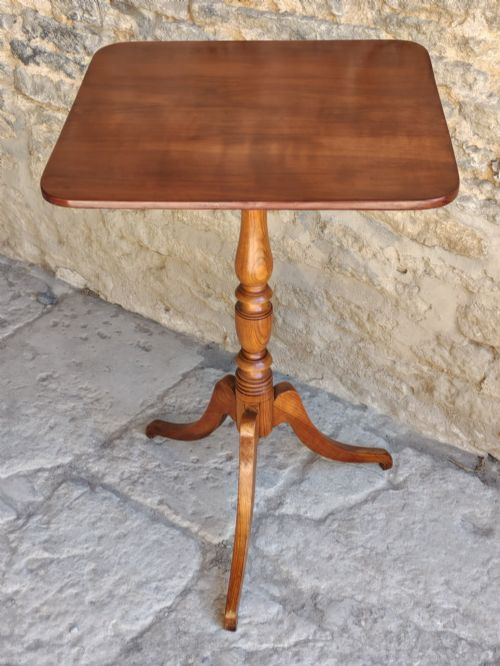
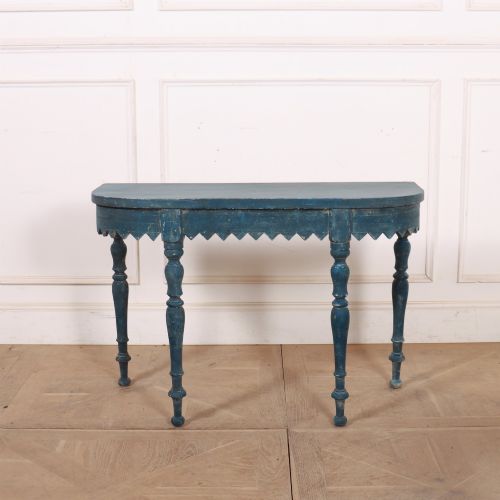
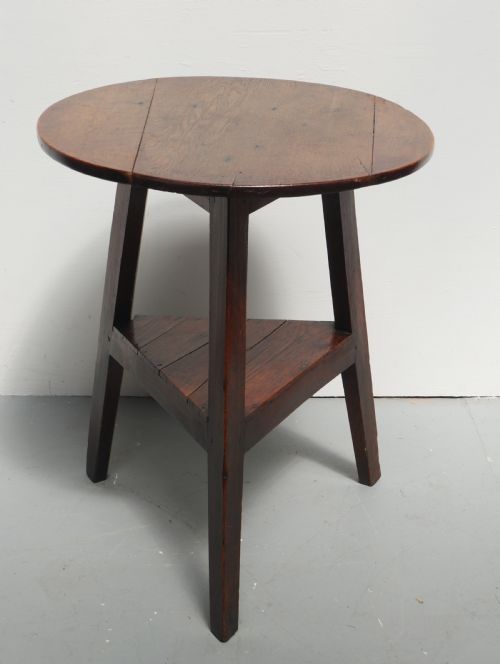
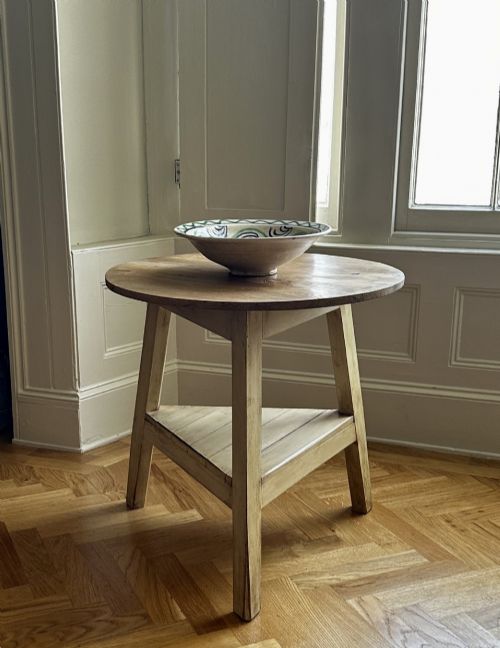
The most common forms you meet are tripod cricket tables with three legs, small lamp tables, and low side tables featuring simple rectangular or circular tops. Oak and fruitwood dominate the offerings, often showing the warm patina of long use. You also find painted pine examples from Swedish traditions alongside compact folding coaching tables.
Makers built these items for practical rooms, so proportions remain modest and construction stays straightforward. A buyer selects one to add warmth and history to a corner or beside a seating arrangement. The variety ranges from mid-eighteenth-century oak work to early twentieth-century interpretations.
How they were made
Joiners and rural carpenters relied on native hardwoods such as oak, elm, fruitwood, and ash, selecting timber for strength and local availability. Table tops often consist of single planks or joined boards secured with cleated ends to accommodate wood movement. Legs were frequently turned on a pole lathe or shaped by hand with drawknives and connected to the top through mortise and tenon joints or simple pegged tenons.
Tripod tables utilise a three-legged construction that remains stable on uneven flagstone or timber floors. Surface finishes vary from clear wax applied over bare timber to historic layers of paint in muted tones. Metal fixings appear sparingly, limited mostly to hand-wrought iron nails or brass hinges on folding mechanisms.
Some tables arrive with stubborn ink stains and knife scars, serving as silent witnesses to generations of domestic accounts written by candlelight.
What varies in quality
The distinction between ordinary and exceptional pieces lies in the choice of timber and the integrity of the original construction. Superior examples retain their original tops and uncompromised leg joints, whereas lesser pieces suffer from excessive sanding or replaced components. Grain figure, such as the dense figuring found in old fruitwood or quarter-sawn oak, elevates the visual presence of a simple form.
Proportion and stance also dictate the character of the piece. A well-balanced cricket table with splayed legs feels purposeful and harmonious, while a poorly proportioned copy appears heavy or rigid. The survival of an authentic, untouched surface finish rather than a modern stripping job marks the difference at the higher end of the range.
The Country Wooden Occasional Table Glossary
- Cricket table
- A small, three-legged circular table dating typically from the eighteenth century. It takes its name from its resemblance to the three-legged milking stools used in dairies or traditional cricket equipment.
- Pad foot
- A simple rounded foot found at the base of a cabriole or straight leg. This foot type sits flat on the floor without requiring a separate shoe or castor.
- Tripod base
- A support structure comprising three legs radiating from a central pillar. This design ensures stability on uneven floors without rocking.
- Pegged joint
- A method of securing mortise and tenon connections using a wooden dowel driven through the joint. This technique predates modern metal screws and adhesives in vernacular furniture.
- Fruitwood
- A collective term for timber harvested from fruit-bearing trees such as pear, apple, or cherry. Cabinet makers valued it for its fine grain and warm colour.
Country Wooden Occasional Table: Frequently Asked Questions
What is a cricket table?
A cricket table is a traditional three-legged round table designed to stand steadily on uneven floors. These pieces feature a triangular frame beneath the top that braces the legs.
They served as versatile movable surfaces in domestic settings, often placed beside seating or used for dining.
How do I care for antique fruitwood?
Maintain fruitwood surfaces by applying a traditional beeswax polish sparingly and buffing with a soft cloth. Keep the timber away from direct heat sources and strong sunlight to prevent drying and fading.
Regular gentle dusting preserves the natural patina built up over centuries.
Are these tables suitable for daily use?
These tables were originally built for heavy domestic service and remain remarkably sturdy. Their robust construction of solid oak, elm, or fruitwood handles normal placement of lamps and cups easily.
Using coasters protects the historic timber surface from moisture rings.
How can I tell an eighteenth-century table from a later copy?
Examine the underside and joints for tool marks left by hand saws and drawknives. Historic timbers show shrinkage cracks and nail holes that match the period of manufacture.
Later copies often reveal uniform machine sawing and modern fixings beneath the top.