


Folk Art Wooden Table
A folk art wooden table brings vernacular handcraft directly into daily domestic life through individual carved and painted surfaces.
Folk Art Wooden Table
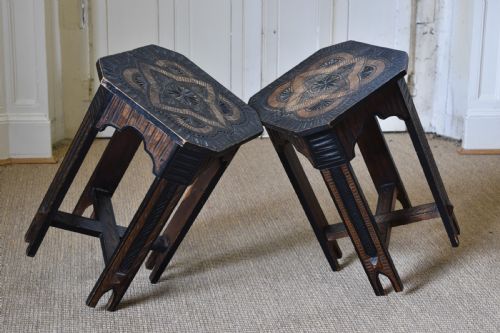
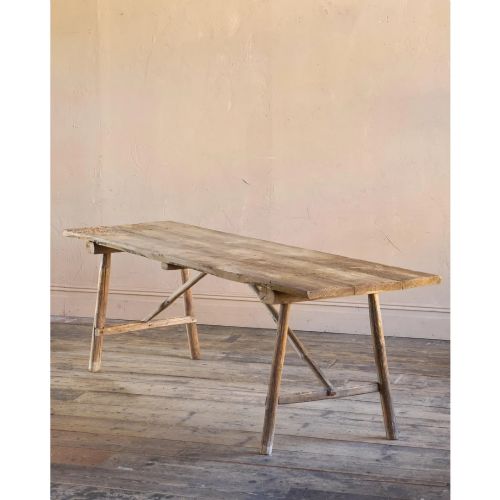
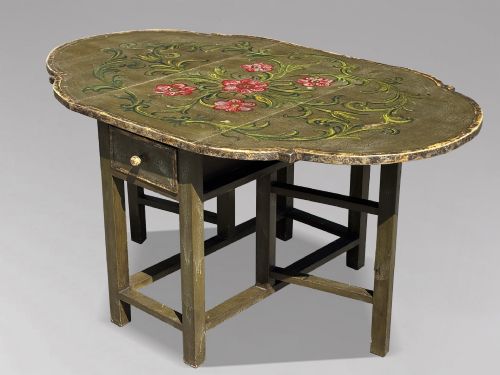
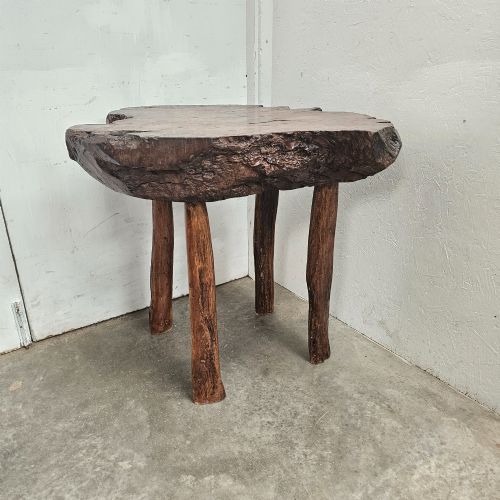
A folk art wooden table encompasses utilitarian domestic furniture built outside mainstream academic traditions, often displaying regional vernacular characteristics. Pieces appearing in this category range from side tables and dining tables to drop-leaf tables and occasional tables.
The objects stem from various periods including the nineteenth century, the Edwardian era, and the early twentieth century. Makers worked within traditions such as Scandinavian country, Italian folk art, and primitive country styles.
Buyers most frequently encounter painted pine surfaces, chip-carved details, or rustic construction methods. These surfaces reflect the individual maker's aesthetic rather than standardised factory production.
What varies in quality
Quality in these pieces rests upon the expressive character of the carving and the integrity of the original surface paint. Stronger examples display confident hand execution rather than mechanical symmetry.
The relationship between the structural joinery and the decorative ornamentation dictates the visual success of the piece. Untouched original patination elevates an example far above surfaces stripped or overly restored.
Listings span the nineteenth century up to the 1930s, featuring materials such as pine, oak, brass, iron, and glass.
Bergen And Co·Melissa White
The Folk Art Wooden Table Glossary
- Chip carving
- A style of ornamentation where the maker removes small chips from a wooden surface with a knife or chisel to form geometric patterns. This technique appears frequently on nineteenth-century side tables.
- Drop-leaf table
- A table featuring hinged flaps on the sides that fold down to save space when not in use. These functional items appear in painted domestic variations from the early twentieth century.
- Patina
- The surface sheen and colour acquired by wood and paint through age, handling, and exposure to light. A rich deep patina indicates decades of natural wear.
- Pine
- A softwood commonly utilised in regional European furniture production due to its availability and ease of working. It frequently serves as a base for painted folk decoration.
- Primitive country
- A descriptive term for domestic objects made without academic design training, prioritising utility and local materials. These items rely on straightforward construction methods.
Folk Art Wooden Table: Frequently Asked Questions
What defines a folk art table?
These tables are distinguished by non-academic construction and individual decorative choices made by regional artisans. They utilise local woods and hand-applied finishes rather than adhering to formal period styles.
Such pieces often display charming irregularities in proportion and surface decoration that mark them out from commercial factory output.
How do I care for painted wood?
Painted wooden surfaces require protection from direct sunlight and excessive humidity to prevent the paint from fading or flaking. Regular dusting with a dry cloth preserves the fragile historic finish.
Avoid applying modern chemical polishes or water directly to painted or chip-carved areas, as these substances can soften old pigments.
Where were these tables made?
The pieces originate from various European and international regions, reflecting distinct local vernacular traditions. Examples hail from Sweden, Italy, France, and wider rural workshops.
Each region imparted specific construction techniques and decorative motifs, such as Scandinavian painted pine or Italian drop-leaf designs.
How can I date a piece?
Dating relies upon examining the tool marks, construction methods, hardware, and the composition of the wood and paint layers. Wear patterns around common touchpoints also offer clues regarding age.
Comparing structural details against documented examples from periods like the nineteenth century helps establish a reliable timeline.