


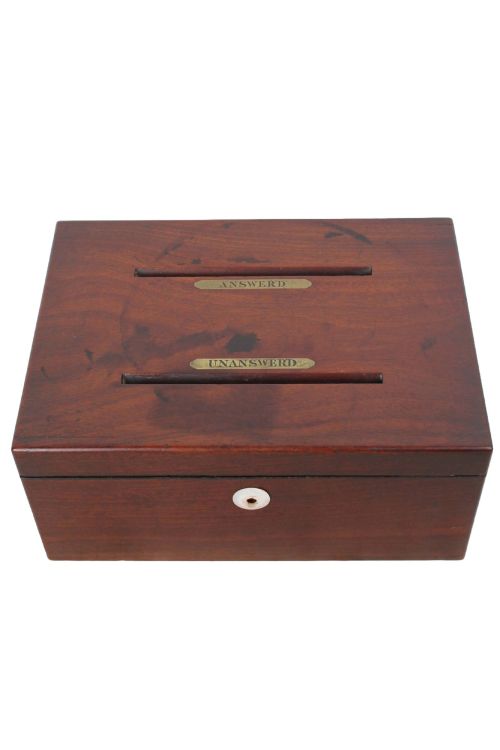
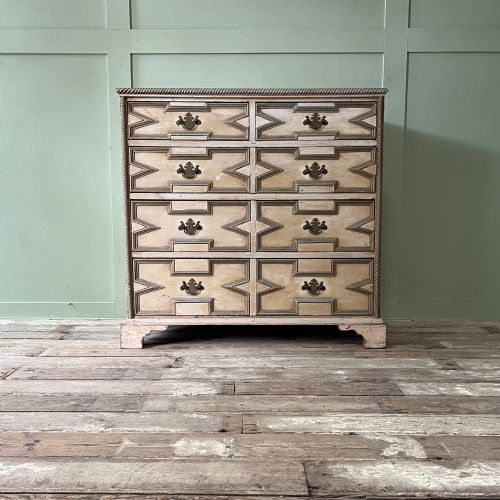
Country Wooden Chest
A country wooden chest brings the honest craft of elm, pine and oak into a modern interior.
Country Wooden Chest
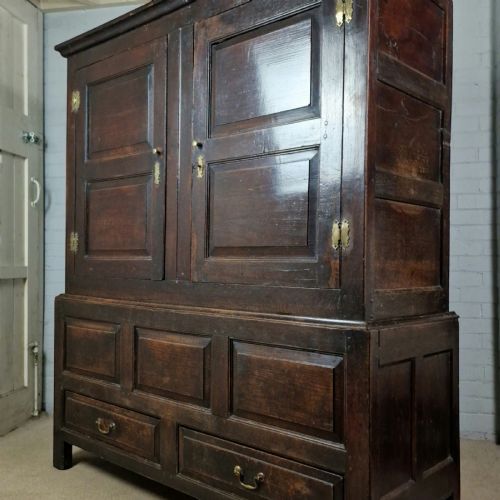
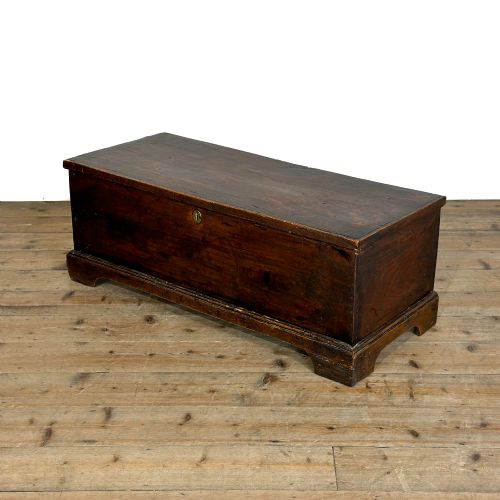
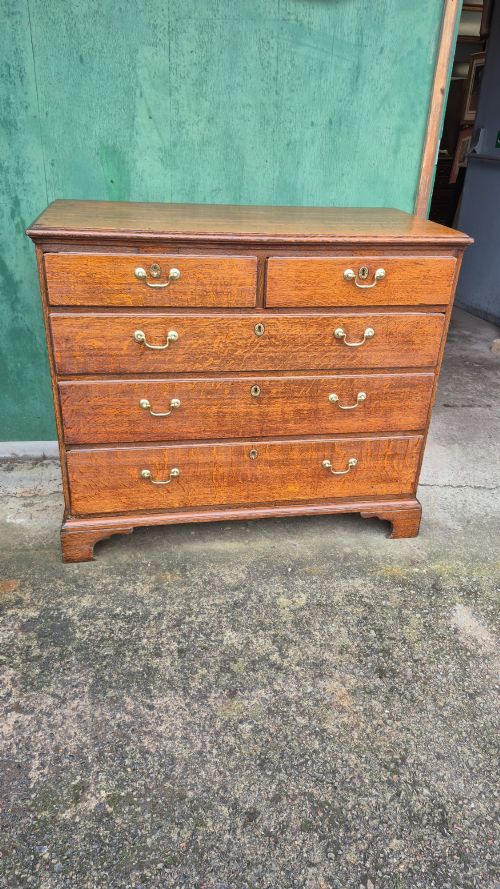
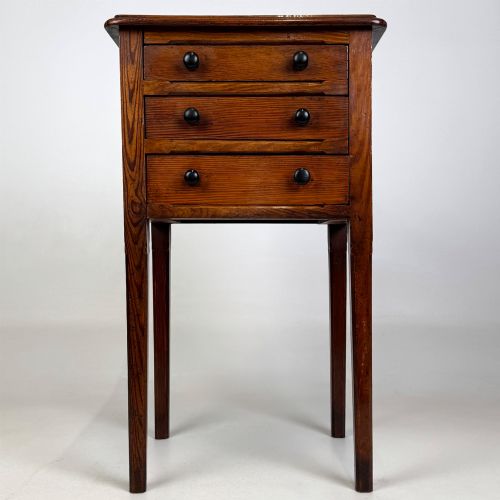
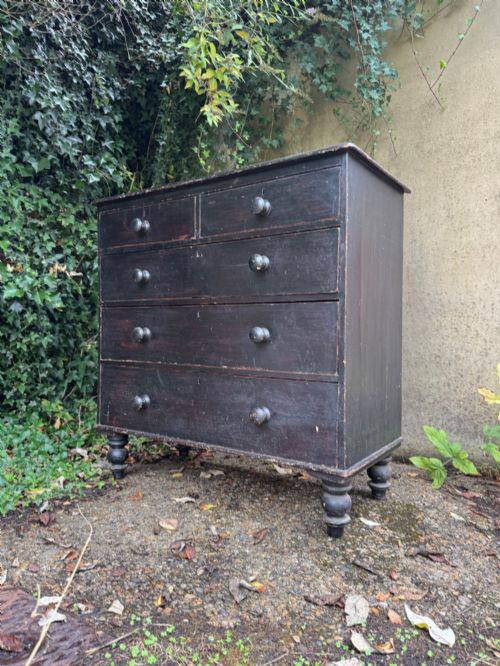
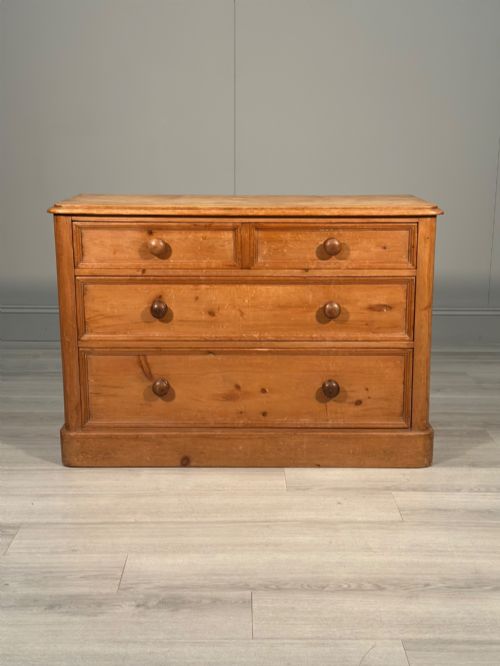
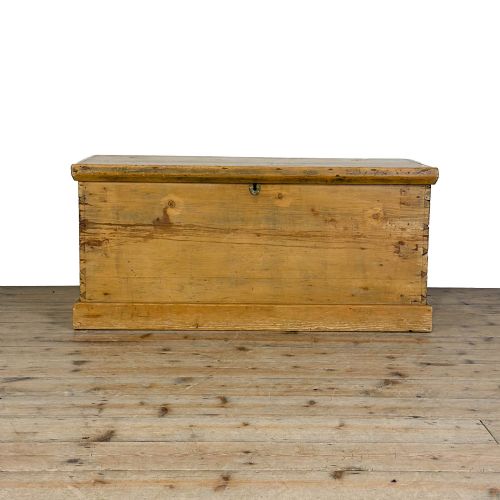
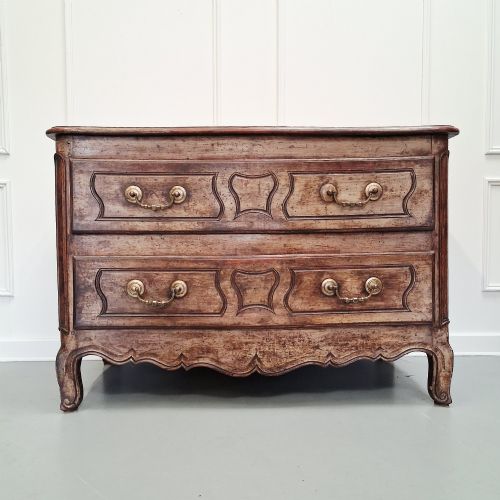
A country wooden chest encompasses robust blanket boxes, blanket chests, coffers and chests of drawers rooted in Georgian and Victorian domestic utility. These pieces originate from regional English, Welsh and French workshops, utilising local timber rather than exotic imports.
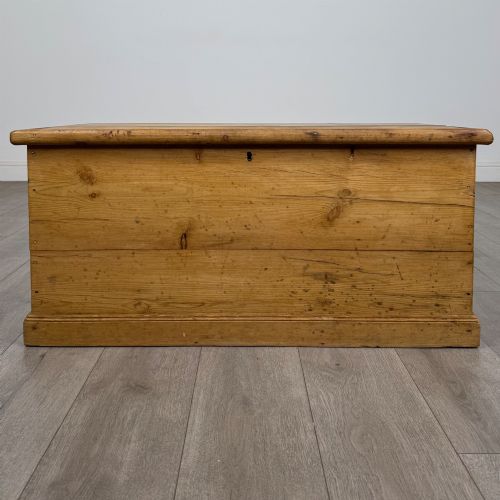
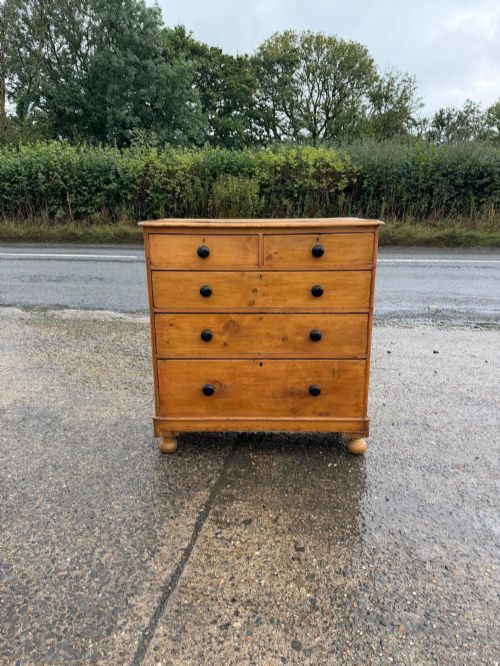
The version most commonly met on this page is the pine or elm blanket box or chest of drawers, often stripped to the raw grain or finished in historic paint. They serve practical storage roles while retaining the distinct markings of vernacular cabinet-making.
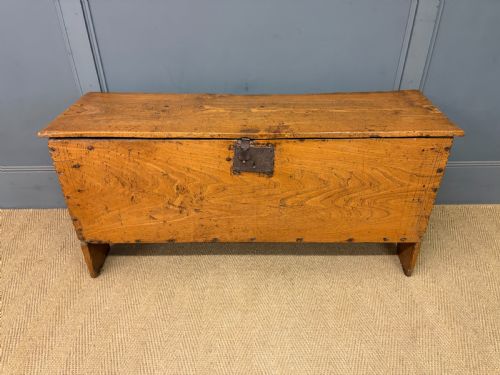
Form follows function across these items, ranging from simple six-plank coffers to multi-drawer Georgian chests and mule chests fitted with lower storage drawers. Their proportions tend to be straightforward, designed for utilitarian service in farmhouses and country houses.
Materials and construction
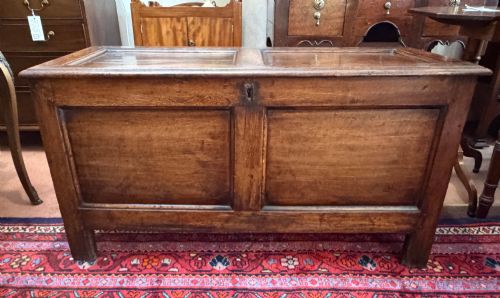
Makers relied on native timbers such as oak, elm, ash and pine, selected for availability and durability rather than showy grain. Boards were joined using hand-cut dovetails, pegged mortise and tenon joints, or simple boarded construction secured by iron nails.
Surface finishes vary from unadorned waxed timber and scrubbed pine to original paint finishes or historic blue and white layers. Iron hinges, brass drop handles or turned wooden bun handles provide the functional hardware required for daily use.
A dough bin offers proof that country furniture often doubled as kitchen prep space.
Markers of quality
Quality rests in the integrity of the timber selection and the retention of original structural fabric, such as unreplaced board bottoms and authentic backboards. Superior examples demonstrate thoughtful proportion and careful hand-planing that respects the natural movement of solid wood.
The character of the surface patination distinguishes standard items from exceptional survivals, particularly where centuries of waxing have deepened the tone of oak or elm. Original ironwork, untouched paint layers and uncompromised internal till boxes elevate the standing of a piece.
Sir Clough Williams-Ellis
The Country Wooden Chest Glossary
- Coffer
- A heavy wooden chest traditionally used for storing valuables or household goods. These early forms often feature robust panelled construction.
- Mule chest
- A traditional storage chest featuring one or more drawers built beneath the main lifting-lid compartment. This hybrid form bridges the gap between coffer and chest of drawers.
- Six-plank coffer
- A primitive form of chest constructed from six principal boards joined at the edges. It represents some of the earliest domestic storage furniture.
- Crossbanding
- A decorative border technique where thin strips of veneer are laid across the grain of the primary wood. This detail appears on finer Georgian drawer fronts.
- Linen press
- A tall cupboard featuring upper sliding trays or shelves above a chest of drawers base. Originally designed for storing household linens flat.
Country Wooden Chest: Frequently Asked Questions
How do I date an old pine chest?
Dating relies on examining construction methods, nail types and timber preparation. Hand-sawn boards and pegged joints usually point to earlier periods.
Later Victorian pieces often employ machine-sawn timber and simpler butt joints or standardised dovetails.
What is a mule chest used for?
A mule chest combines the deep top storage of a blanket box with the easy access of lower drawers. They were practical for holding textiles while keeping smaller garments within reach.
Today they function effectively as coffee tables or bedroom storage units.
Should I wax or paint my chest?
Preserving existing historic finishes maintains the character and historical value of the piece. Stripping original paint or applying modern varnishes can diminish the surface integrity.
Applying a traditional beeswax helps nourish dry timber without altering its established patination.