
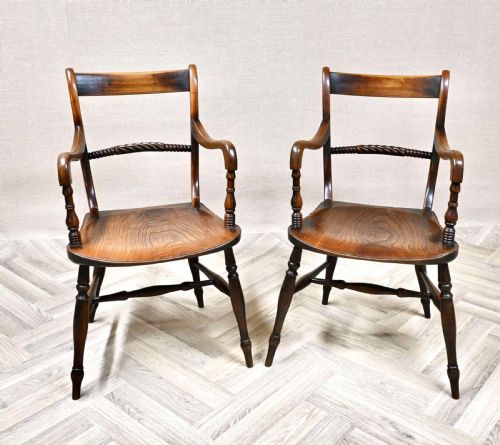
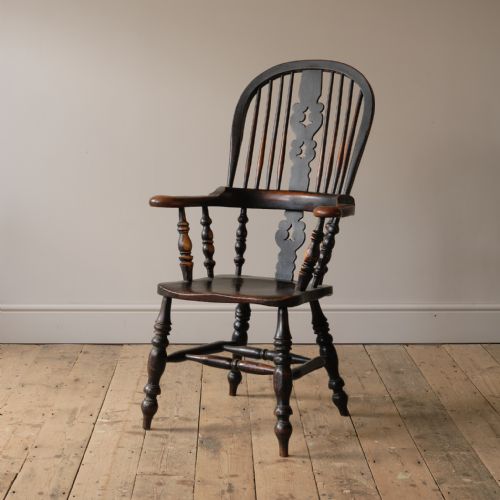
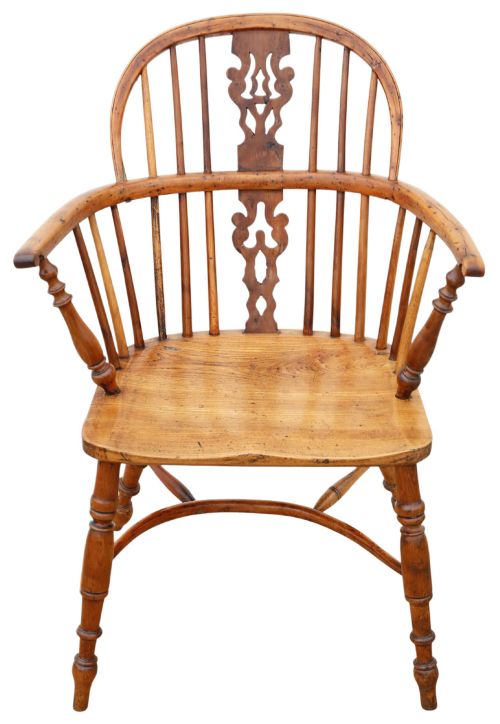
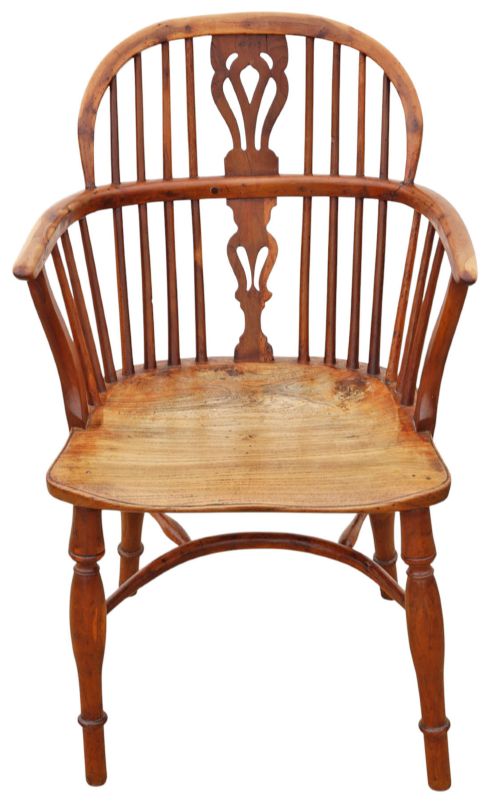

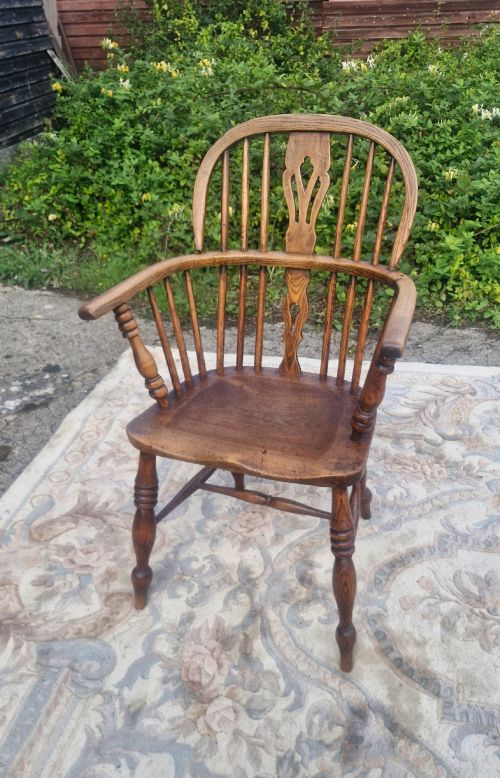
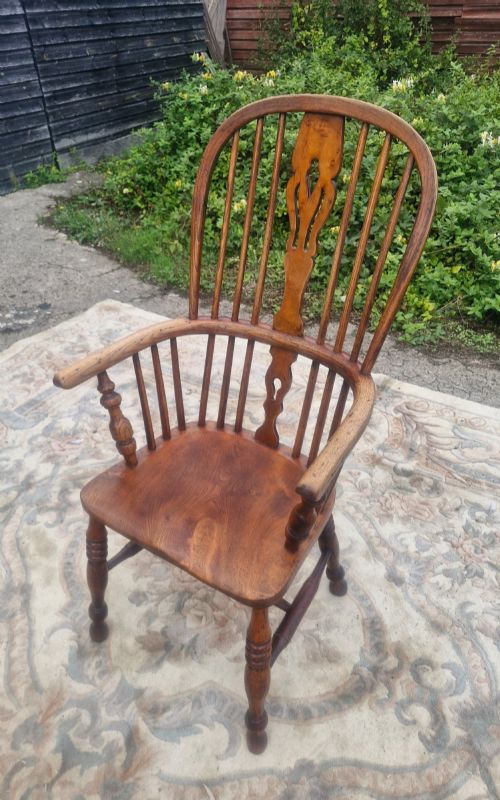

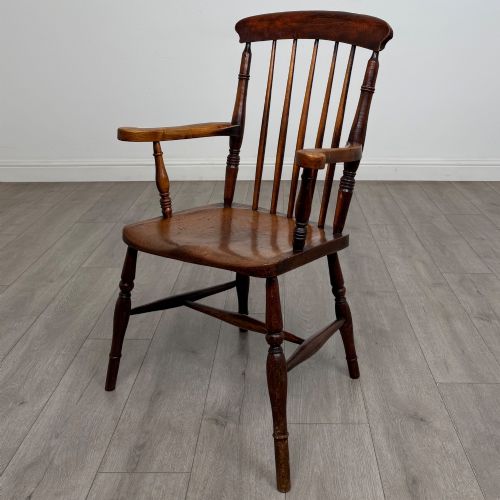


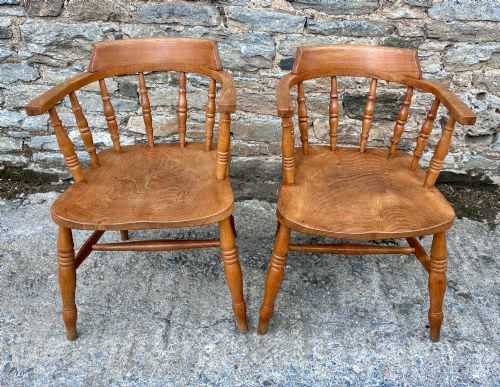
Country Windsor Armchair
A country windsor armchair brings traditional vernacular seating into a room through solid timber construction and regional design.
How They Were Made
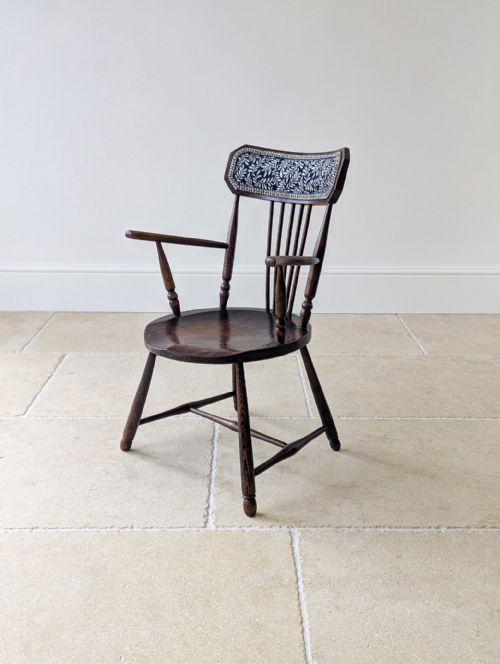
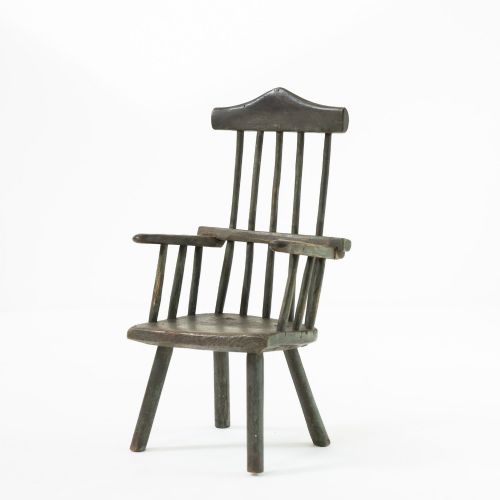
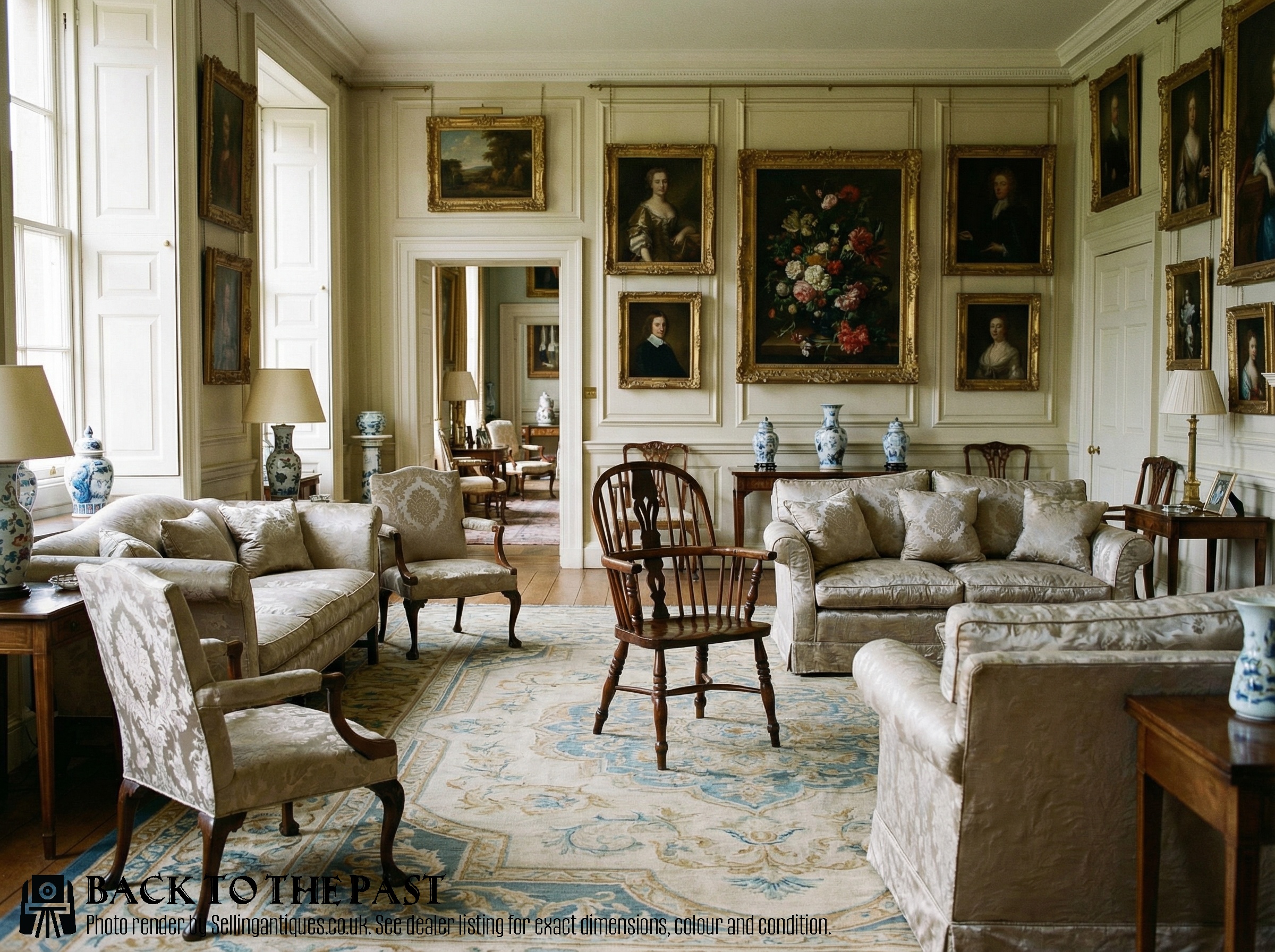
Craftsmen built these chairs by combining contrasting native timbers, typically pairing elm for the solid carved seats with ash, beech, or oak for the steam-bent frames, legs, and spindle backs. Yew wood also appears frequently, prized for its dense grain and rich tone in high-status vernacular seating.
The structural integrity relies on traditional joinery methods, including wedged tenon joints and turned legs socketed directly into the underside of the plank seat. Steam-bending allowed makers to create continuous hoop backs and curved arm rails from single green wood branches.
What Varies in Quality
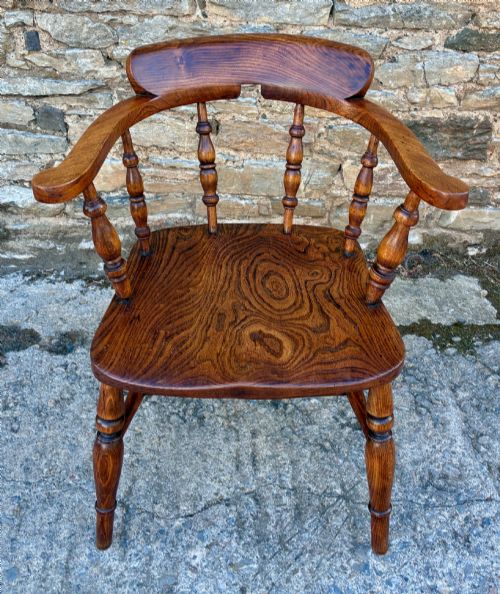
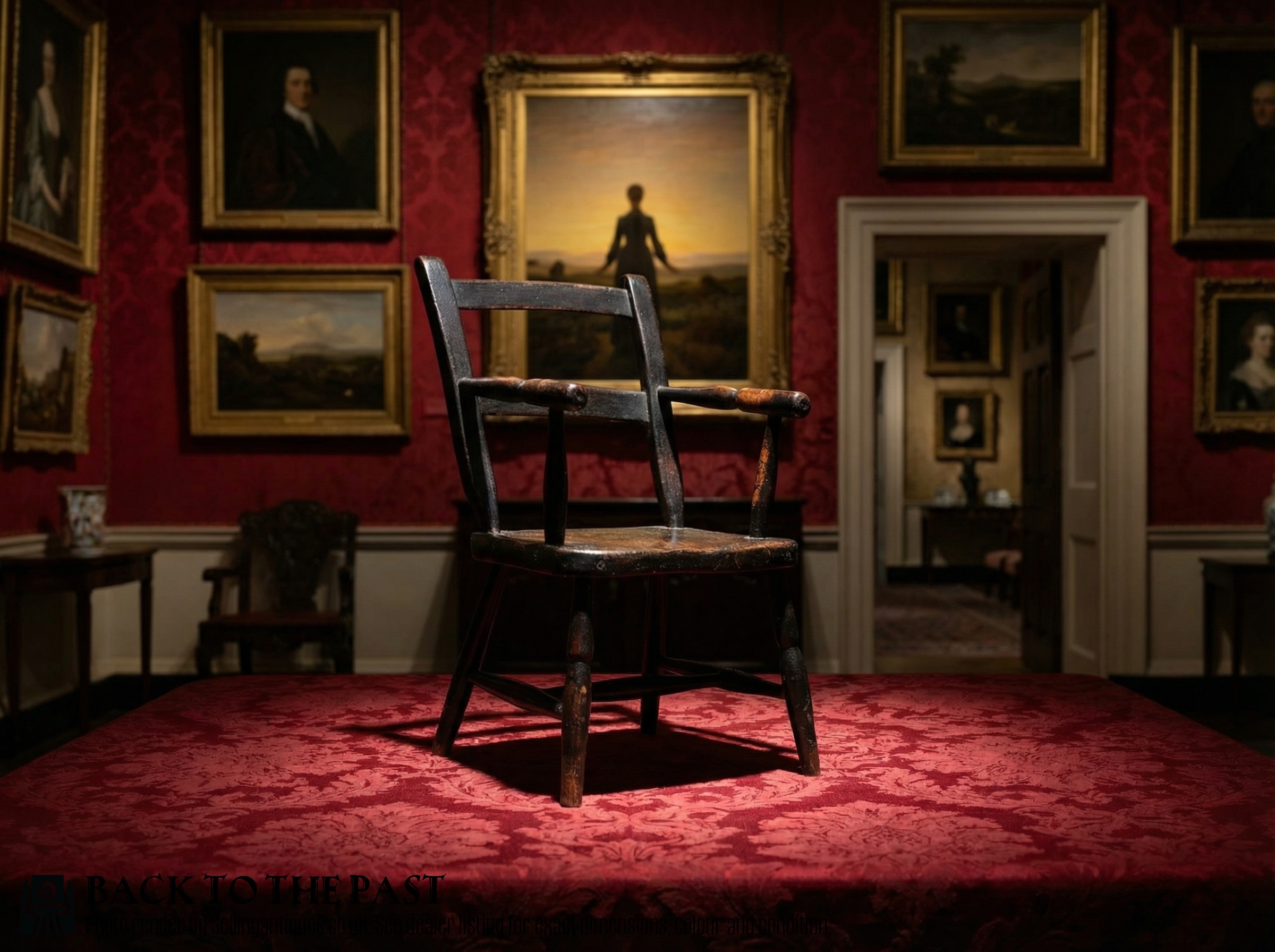
The visual appeal depends largely on the depth of the timber's patina and the character accumulated through long use, distinguishing richly weathered surfaces from dry or scrubbed wood. Grain figure in yew and elm panels also alters the visual presence of individual chairs.
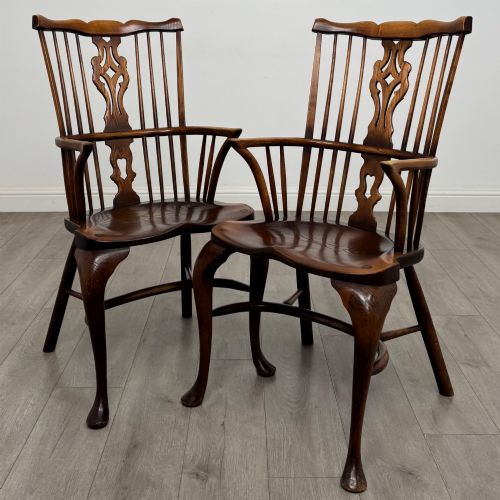
Structural balance and the elegance of the spindle turnings separate standard utility seating from finer vernacular pieces. Proportions in the comb or hoop back, alongside the careful shaping of the arm rests and saddle seats, dictate the overall harmony of the design.
Country Windsor Armchair Retail Price Guide 2026
Typical asking prices for country windsor armchair among the pieces listed under this phrase on Sellingantiques today, from the lower quarter to the upper quarter. They describe what is for sale here now, not the wider market.
The documented forms span dining chairs, children's armchairs, rocking chairs, and desk chairs.
The Country Windsor Armchair Glossary
- Comb back
- A Windsor chair variation where the vertical back spindles extend upward into a horizontal headpiece resembling a traditional hair comb.
- Smoker's bow
- A low-backed armchair featuring a rounded, continuous arm rail supported by turned spindles, often associated with nineteenth-century vernacular seating.
- Crinoline stretcher
- An arched or bowed stretcher connecting the legs of a chair to provide rigidity, frequently seen on eighteenth-century and early nineteenth-century examples.
- Saddle seat
- A thick wooden seat base sculpted with hollowed depressions to provide ergonomic comfort for the sitter.
- Vernacular furniture
- Objects made by local craftsmen using regional traditions and native materials rather than following strict metropolitan design patterns.
Country Windsor Armchair: Frequently Asked Questions
How do I date a Windsor chair?
Dating relies on examining construction methods, timber combinations, and the evolution of back designs from low hoops to high combs. Regional stylistic traits and tool marks left by local turners also help narrow down the period of manufacture.
Earlier examples from the eighteenth century often feature fruitwood or yew alongside ash and elm, while later Victorian and Edwardian pieces incorporate machine-turned components alongside traditional hand-shaping.
Were these chairs used for dining?
Many examples served multiple domestic functions in farmhouse kitchens, cottage parlours, and country house dining spaces. Armchairs and carvers provided seating at table ends or served as fireside reading chairs.
Sturdier vernacular forms adapted easily from kitchen workspace seating to general household use, reflecting the flexible nature of country furniture.
How should I care for antique elm and ash?
Maintenance involves keeping timber away from direct heat sources and sudden humidity changes to prevent wood movement or splitting. Natural wax finishes help nourish the surface and preserve the historic patina over time.
Regular dusting with a soft cloth prevents particulate buildup, while avoiding harsh modern cleaning agents protects the underlying historic finish.