
Country Style Wooden Armchair
A country style wooden armchair brings unpretentious vernacular character to a room, offering sturdy construction and everyday utility shaped by regional British and continental traditions.
Country Style Wooden Armchair
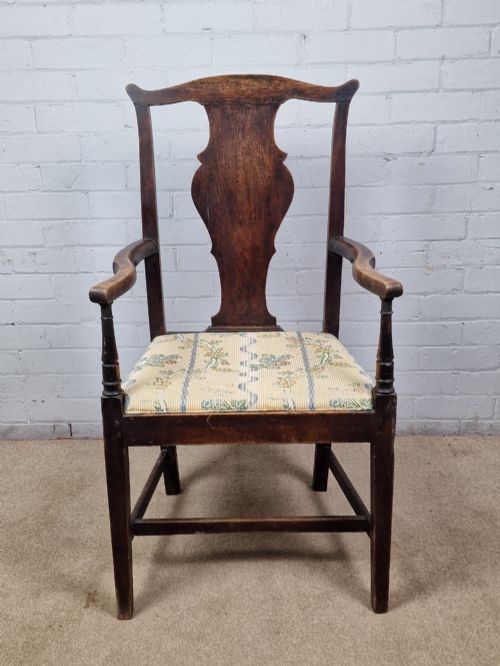
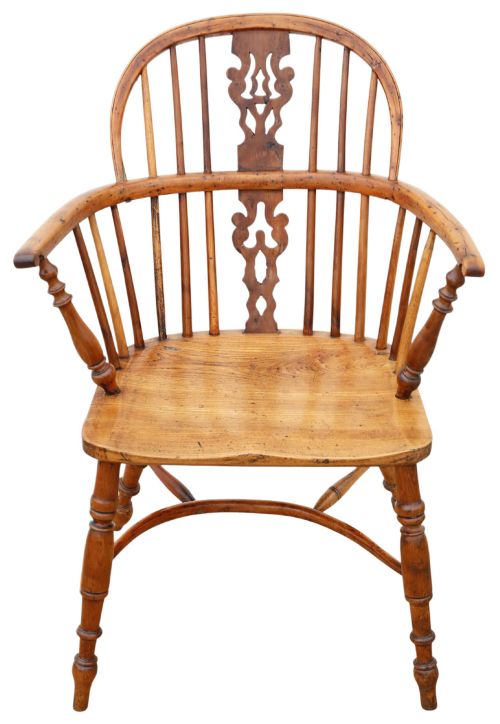
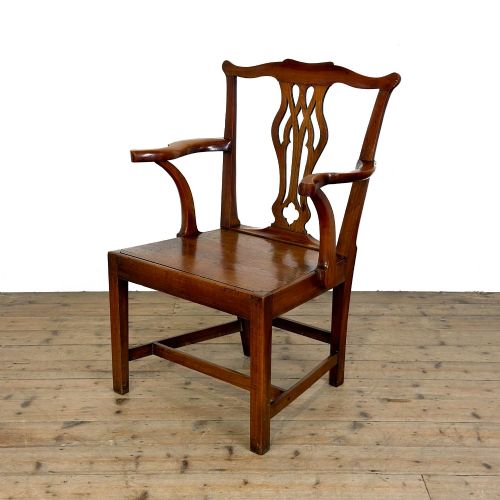
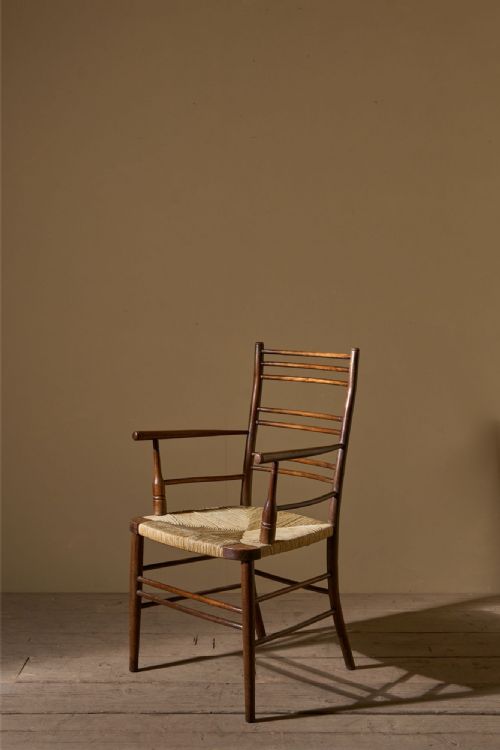
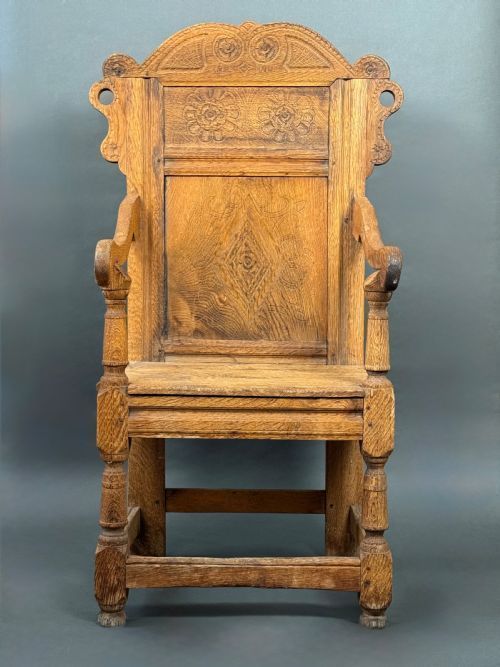
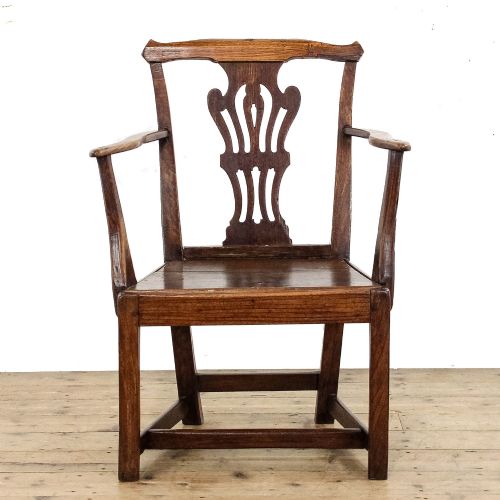
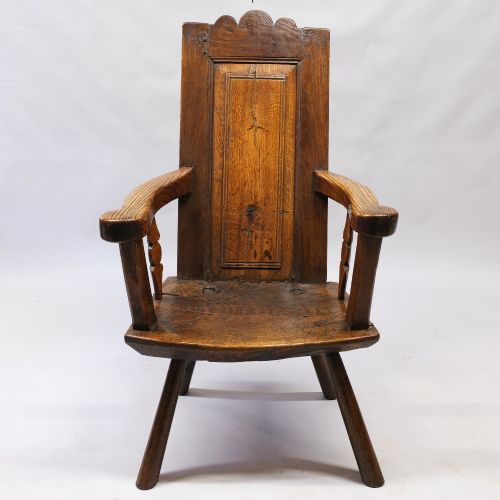
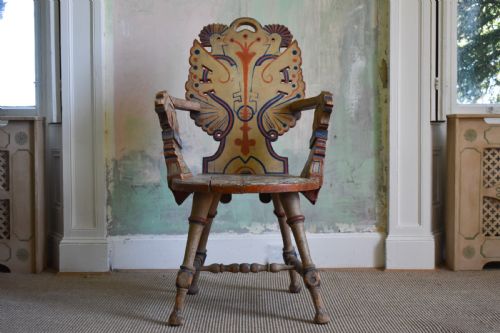
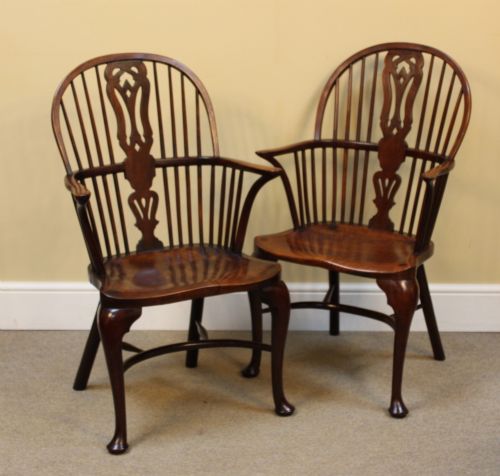
A country style wooden armchair spans centuries of domestic seating, from eighteenth-century oak wainscot and panel-backed designs to nineteenth-century yew and elm Windsors and Arts and Crafts rush-seat models.
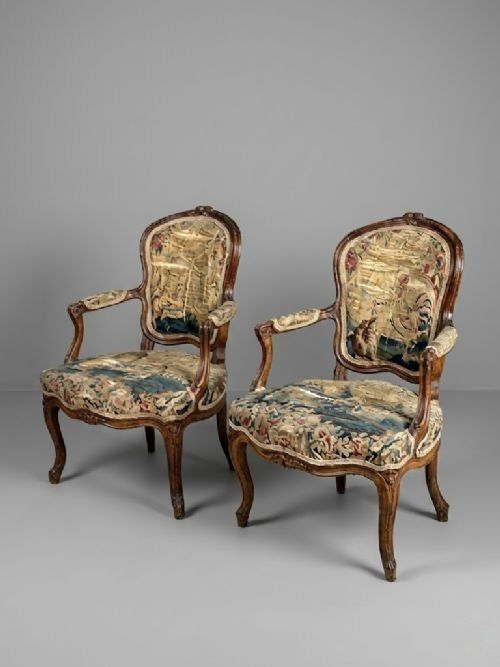
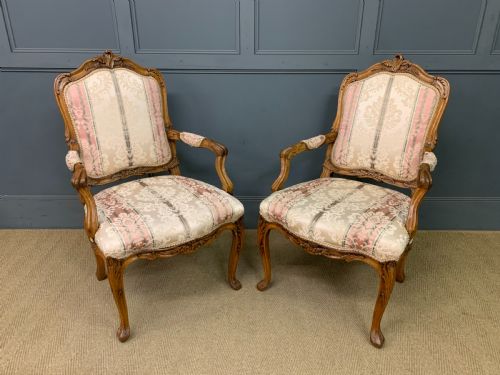
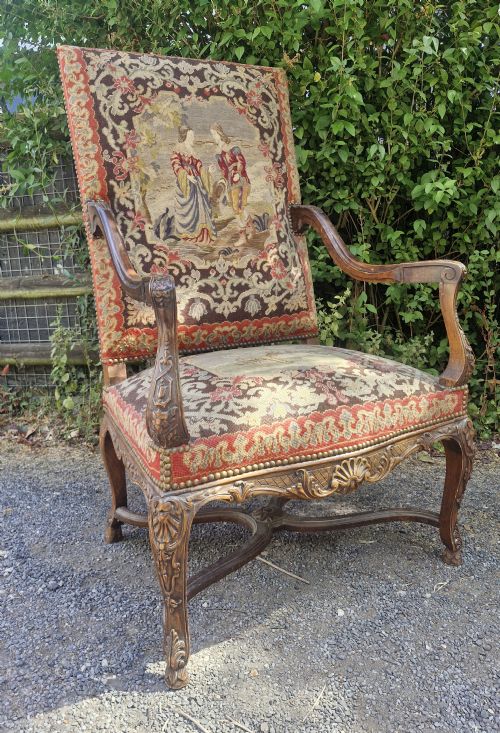
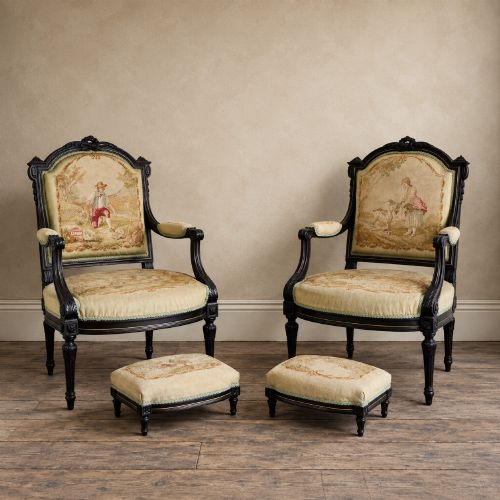
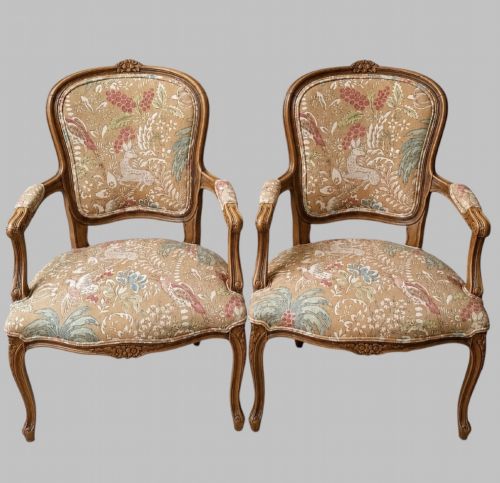
Buyers encounter frequent examples in elm, ash, and fruitwood, alongside French provincial walnut and painted revival pieces drawing on Louis XV and Louis XVI styles.
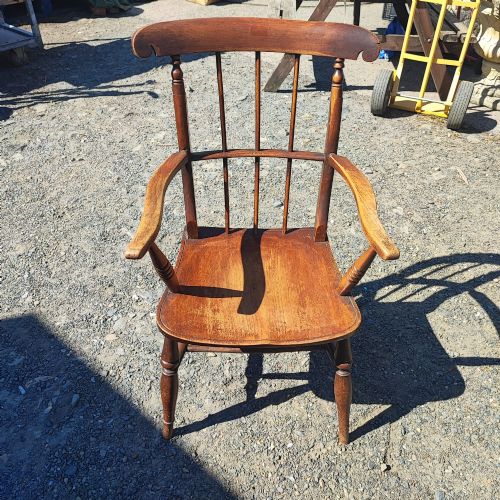
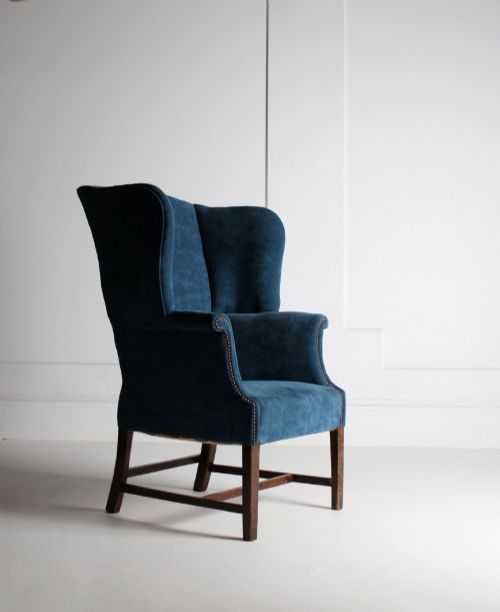
The selection ranges from low ladder-back fireside chairs and spindle-back rockers to broad arm-carvers and stately wingbacks rooted in English and continental vernacular workshops.
Materials and construction
Local timbers dictate the build, with dense woods like yew, oak, and walnut providing structural frames while elm, ash, and beech serve for seats, spindles, and bent parts.
Joinery relies on traditional methods including panel construction, pegged joints, and turned spindles, frequently combined with woven rush, cane, or upholstered inserts in needlework and fabric.
Listings feature eighteenth-century oak and elm examples alongside nineteenth-century Windsor chairs and early twentieth-century Arts and Crafts seating.
Judging construction and timber
Quality rests upon the selection of timber figures and the integrity of the original joints, where well-figured yew and rich elm patination distinguish superior vernacular seating from plainer utilitarian output.
The precision of the turning on spindles and arms, alongside the tightness of traditional joinery, marks the difference between workshop pieces made by skilled hands and later mass-produced alternatives.
Liberty and Co
The Country Style Wooden Armchair Glossary
- Windsor chair
- A wooden chair featuring a solid carved wooden seat into which the legs and back spindles are directly joined. This form developed distinct regional variations utilising local timbers like elm and yew.
- Carver chair
- An armchair designed to match a set of dining chairs, traditionally used at the head of the table. They often incorporate open arms and sturdy wooden frames.
- Wainscot armchair
- An early heavy wooden chair constructed largely of panels and joined with pegged mortise and tenon joints. These pieces date to the seventeenth and eighteenth centuries.
- Rush seat
- A seating surface woven from dried marsh rushes, commonly found on Arts and Crafts and vernacular chairs. It provides a flexible yet durable platform for daily sitting.
- Fauteuil
- An open-framed French armchair with upholstered back and arm pads set above an exposed wooden structure. They emerged through various royal styles including Louis XV and Louis XVI.
- Spindle back
- A chair back constructed from numerous thin turned wooden rods. This method lightens the frame while maintaining structural support.
Country Style Wooden Armchair: Frequently Asked Questions
What is a Windsor armchair?
A Windsor armchair is a timber seat built around a thick solid wooden slab rather than a joined frame. Upright spindles and legs slot directly into bored holes within this heavy seat.
These chairs gained popularity across various regions, with makers selecting local timbers like elm for the seat and yew or ash for the bentwood bows and spindles.
How do I identify a country armchair?
Country armchairs rely on regional vernacular designs and local timber species rather than formal court styles. They emphasise utility, comfort, and direct construction methods.
Look for turned wooden components, rush or solid wood seats, and unpretentious frames made from native woods such as fruitwood, elm, and oak.
Where should I place a wooden armchair?
These armchairs suit living rooms, studies, and bedrooms as fireside seating or reading chairs. Their modest footprints and organic timber tones allow them to anchor corners effectively.
Pairs of armchairs work well placed opposite a fireplace or flanking a central piece of furniture to create balanced seating arrangements.
How do I care for antique wood?
Maintain antique wood by keeping chairs away from direct heat sources and sudden temperature shifts that can dry out the timber. Apply occasional traditional wax polish to nourish the surface.
Avoid synthetic cleaning sprays, relying instead on a soft dry cloth to remove dust from carved details, spindles, and joinery.