




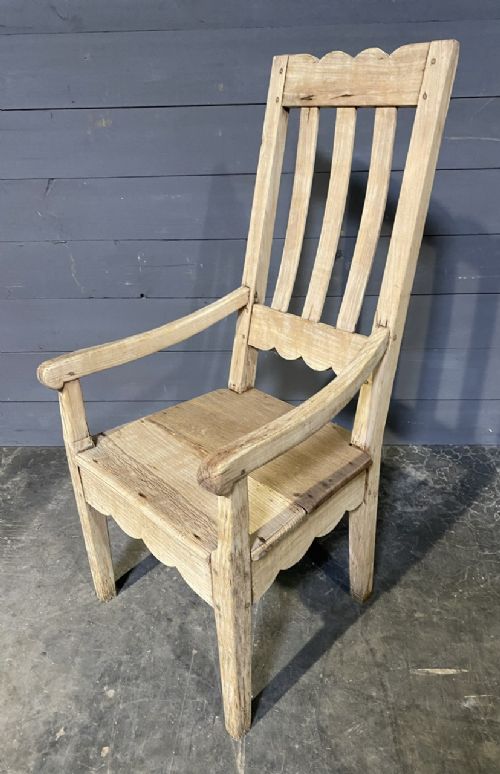


Rustic Wooden Open Armchair
A rustic wooden open armchair brings honest timber and vernacular craft straight into a room, offering sturdy seating with genuine age.
Rustic Wooden Open Armchair
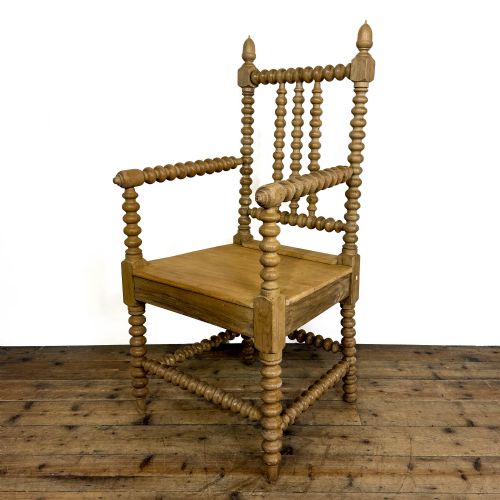
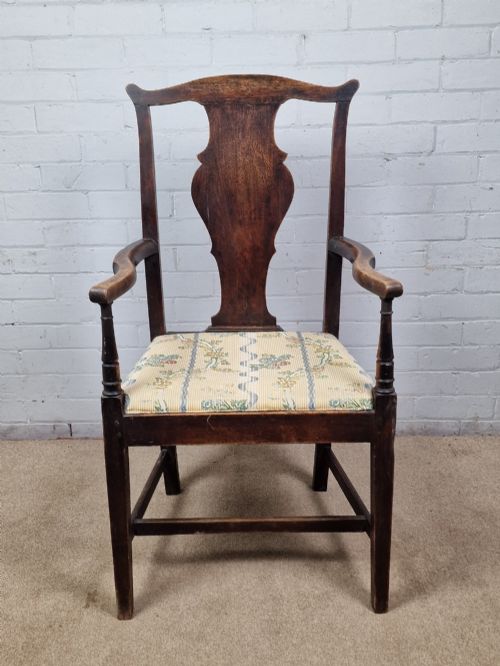
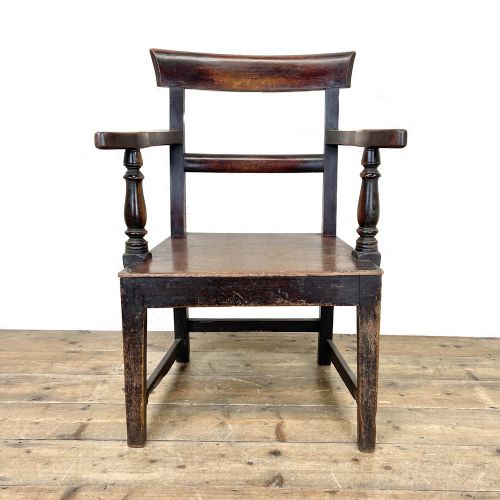
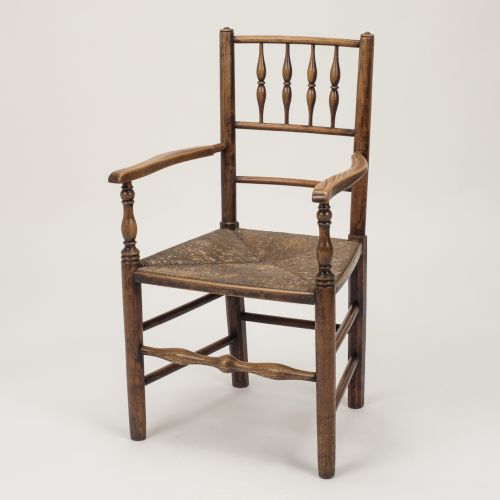
When you search for a rustic wooden open armchair, you are looking at utilitarian seating shaped by regional traditions rather than urban fashion. The examples found here span the seventeenth, eighteenth, and nineteenth centuries, taking forms such as the traditional wainscot chair, spindleback armchair, and Sussex chair.
You are most likely to meet English country and French provincial interpretations on this page, often built from sturdy native timbers like oak, ash, elm, and fruitwood. These pieces served practical domestic roles in farmhouses and cottages, relying on open arms and straightforward joinery rather than heavy upholstery.
Origins stretch across regions from Welsh workshops in Carmarthenshire to provincial French departments and English country houses. Makers utilised local timber supplies to handcraft seating that prioritises robust construction and functional design above superfluous decoration.
How they were made
Makers constructed these rustic wooden open armchairs using regional timbers such as oak, ash, elm, fruitwood, and mahogany, often pairing denser woods for frames with flexible woods for spindles and bows. Selected logs were split and hewn by hand, respecting the natural grain to maximise structural integrity.
Traditional joinery methods, including mortise and tenon joints and turned components like bobbin details, held the heavy frames together without relying on modern adhesives. Surfaces were finished simply through sustained handling and natural polishing, occasionally complemented by rush seating or simple drop-in pads of fabric and velvet.
Rustic Wooden Open Armchair Retail Price Guide 2026
Typical asking prices for rustic wooden open armchair among the pieces listed under this phrase on Sellingantiques today, from the lower quarter to the upper quarter. They describe what is for sale here now, not the wider market.
Several armchairs retain the faint, circular impression of generations of elbow rests worn softly into the timber by past sitters.
What varies in quality
Quality in a rustic wooden open armchair rests upon the integrity of the timber selection and the retention of original structural components. Chairs fashioned from dense, figured oak or well-seasoned fruitwood display superior stability compared to those assembled from lesser or mismatched replacement parts.
The degree of honest wear and the depth of natural patination distinguish a finer example from a heavily restored piece. Well-preserved vernacular turnings, honest surface marks, and tight original joints demonstrate the maker's original skill and the chair's subsequent life.
The Rustic Wooden Open Armchair Glossary
- Wainscot chair
- An early wooden armchair featuring panelled back construction and heavy timber framing. These sturdy seats date to the seventeenth and eighteenth centuries.
- Spindleback armchair
- A seating form constructed with a backrest composed of numerous thin turned wooden rods. This design offers lighter visual weight while maintaining structural strength.
- Patination
- The surface sheen and colour acquired by timber over centuries of handling, exposure to light, and polishing. It serves as a visual indicator of genuine age.
- Vernacular
- Architecture and furniture design rooted in local traditions, materials, and functional needs rather than academic architectural styles. These pieces reflect regional craftsmanship.
- Fruitwood
- Timber sourced from fruit-bearing trees such as pear, apple, or cherry, prized by provincial makers for its fine grain and warm tone.
Rustic Wooden Open Armchair: Frequently Asked Questions
How do I clean a rustic wooden armchair?
Dust the timber regularly with a dry, soft cloth to prevent grit accumulation in the grain. Apply a traditional beeswax sparingly to nourish the wood and maintain its natural surface sheen without altering the historic finish.
Avoid using modern silicone sprays, harsh chemical detergents, or excess water, as moisture damages aged timber and historic joinery. Gentle care preserves the honest patination built up over centuries of domestic use.
Are these armchairs comfortable for daily sitting?
These chairs provide firm, upright support designed for practical tasks rather than lounging. Their open wooden arms and solid timber backs encourage an upright posture typical of historic domestic life.
Many period examples accommodate small loose cushions or squabs if you prefer a softer seat. Their dimensions reflect historical stature, so check measurements against your living space before regular use.
How can I tell eighteenth century from nineteenth century chairs?
Eighteenth-century examples often display heavier timber scantlings, hand-riven framing marks, and pegged mortise and tenon joints characteristic of early country workshops. Their proportions tend to be robust and grounded, reflecting regional carpentry methods.
Nineteenth-century pieces frequently incorporate more refined turning techniques, factory-assisted lathe work, or lighter structural frames. Examining the tool marks and timber preparation reveals the technological shifts between these periods.
Can I use an antique armchair in a modern room?
These rustic wooden seats contrast effectively with contemporary interiors by introducing organic texture and historic character. Their honest materials bridge minimalist schemes and traditional spaces alike.
Position an open armchair where its timber frame and turned details remain visible without obstructing household traffic. The neutral tones of aged oak, ash, and fruitwood pair naturally with diverse colour palettes.