



Vintage French Provincial Chair
A vintage french provincial chair brings regional character and traditional craftsmanship into a room through carved timber frames and classic upholstery.
Vintage French Provincial Chair
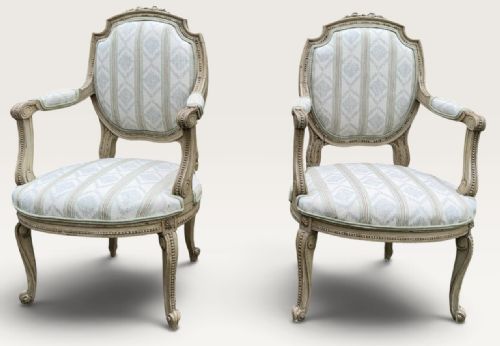
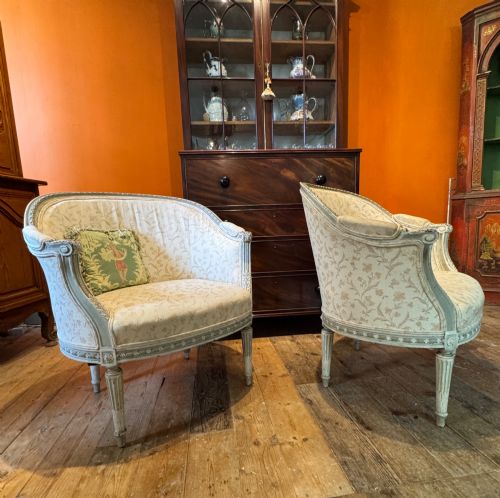
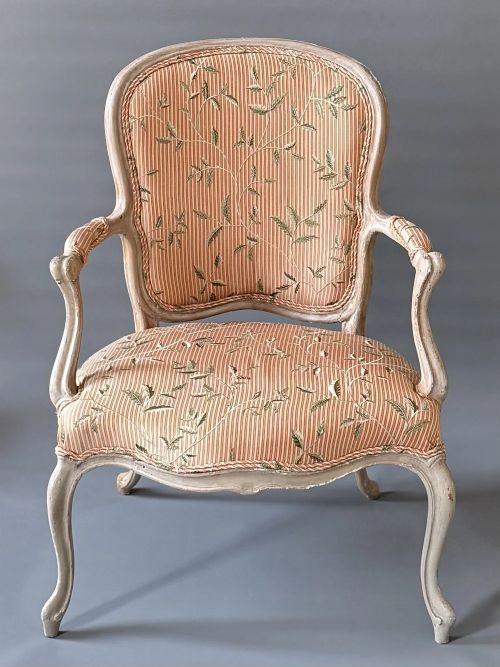
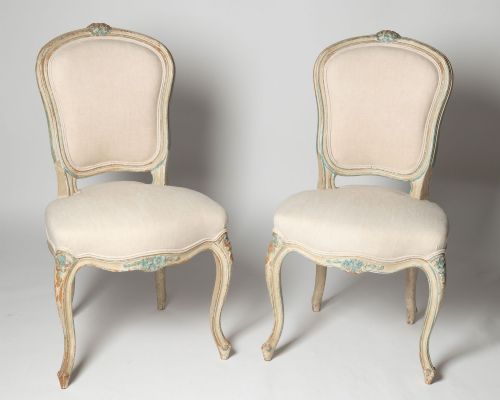
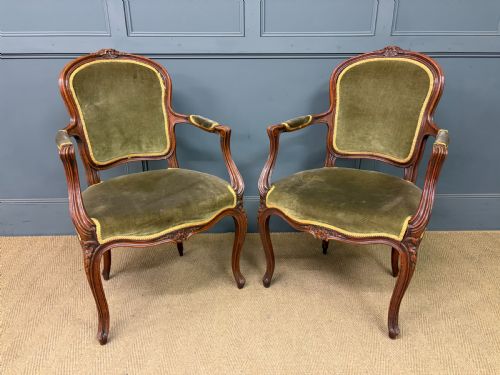
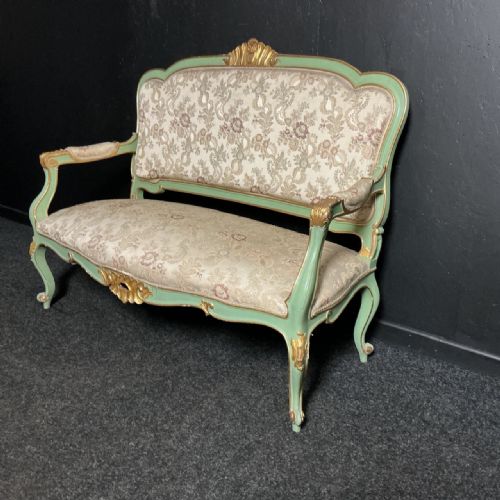
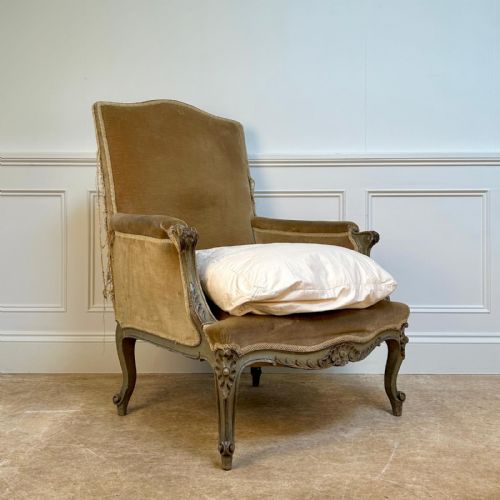
When searching for a vintage french provincial chair, buyers encounter seating designed in historical styles like Louis XV, Louis XVI, and French Country. The selection on this page primarily includes armchairs, bergères, dining chairs, and side chairs originating from the eighteenth, nineteenth, and early twentieth centuries.
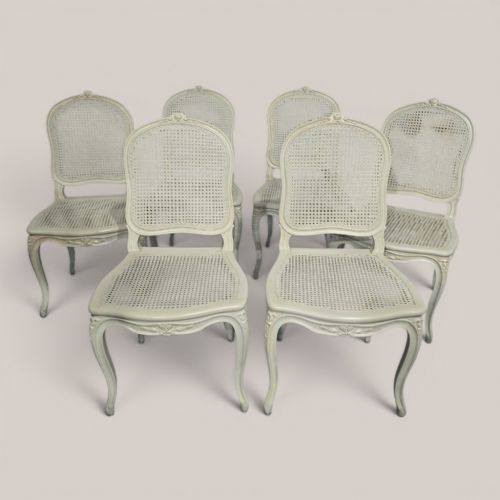
These items range from single accent pieces to sets of dining chairs and pairs of armchairs. Frames often reflect regional cabinet-making traditions through carved details and painted or polished finishes.
What varies in quality
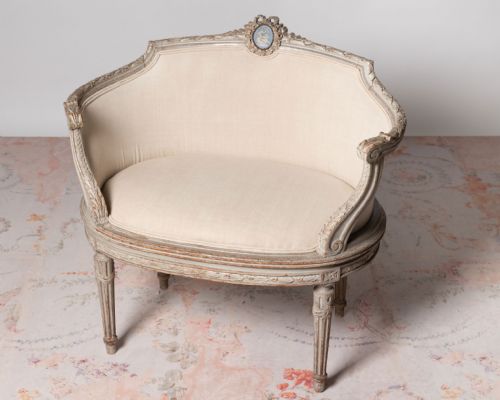
The degree of hand-carving intricacy and the crispness of the detail work distinguish finer frames from simpler production pieces. Original surface treatments, such as untouched historical paint or well-preserved patina on exposed wood, hold greater appeal than later refinishing.
Structural integrity depends on the tightness of the original joints and the quality of the timber selection. The survival of period elements like original cane panels or early upholstery materials also influences the standing of an individual piece.
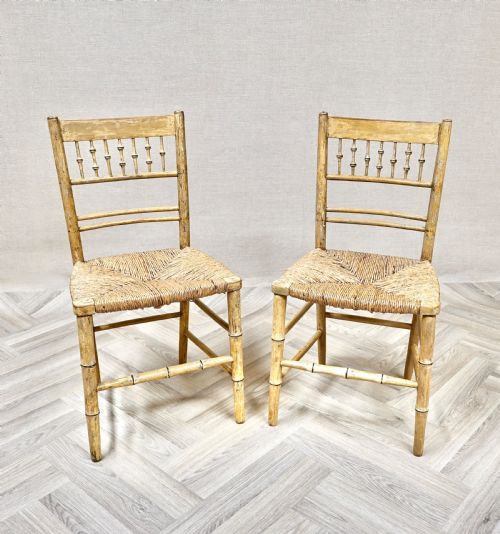
Several kitchen dining chairs arrive equipped with rush seats designed to soften long evenings around the farmhouse table.
The Vintage French Provincial Chair Glossary
- Bergère
- An enclosed upholstered armchair with closed sides and an exposed wooden frame. This form typically includes a loose seat cushion.
- Fauteuil
- An open-armed upholstered armchair featuring padded armrests and an exposed wooden frame. These chairs originate from French formal seating traditions.
- Caning
- A woven lattice pattern made from rattan plant material used for chair seats and backs. It provides flexible and lightweight support.
- Rush
- A seating material woven from dried marsh plants to create sturdy rush seats for traditional ladder back chairs. This technique appears frequently in country furniture.
- Louis XV Style
- A design style characterised by asymmetrical curves, cabriole legs, and naturalistic carved ornamentation. It reflects the rococo tastes of the eighteenth century.
Vintage French Provincial Chair: Frequently Asked Questions
How do I identify a true period chair?
Examine the construction methods, tool marks, and timber shrinkage visible on the underside and frame joints. Older pieces display hand-cut joinery and signs of age consistent with historical manufacturing techniques.
Compare the stylistic details, such as carving depth and leg proportions, against documented examples from specific periods like the eighteenth or nineteenth centuries.
Are these chairs suitable for daily dining use?
Many dining chairs and sets of rush seat chairs were built for everyday household function and remain durable for regular seating. Solid wood frames provide the necessary sturdiness when joints are secure.
Delicate antique armchairs with fragile caning or antique silk upholstery require more careful handling and may suit occasional or decorative placement better.
Should I restore original painted finishes?
Original paint finishes carry historical value and a distinct visual character that collectors often prefer to preserve rather than repaint. Minor flaking or wear demonstrates age and authenticity.
Consult a restorer if the surface is unstable, but generally avoid stripping historical layers unless the existing finish is a later and unsympathetic addition.
How do I care for antique wood and upholstery?
Keep wooden frames away from direct heat sources and strong sunlight to prevent the timber from drying out or splitting. Dust regularly with a dry cloth and avoid harsh chemical polishes.
Protect fabric and needlework upholstery by vacuuming gently with a soft brush attachment and keeping the seating in stable humidity conditions.