




Country Pursuit Antiques
Country pursuit antiques capture the heritage of field sports and rural life through art, silver and sporting equipment.
Country Pursuit Antiques
Country pursuit antiques encompass a diverse range of items connected to field sports, hunting and rural pastimes. When you search for country pursuit antiques, you encounter objects spanning from the nineteenth century into the mid-twentieth century.
Victorian and Edwardian pieces dominate the selection, offering traditional craftsmanship rooted in British and European sporting culture. Buyers often seek these objects to bring a sense of historic field sports into a study, lodge or country home.
Materials and methods
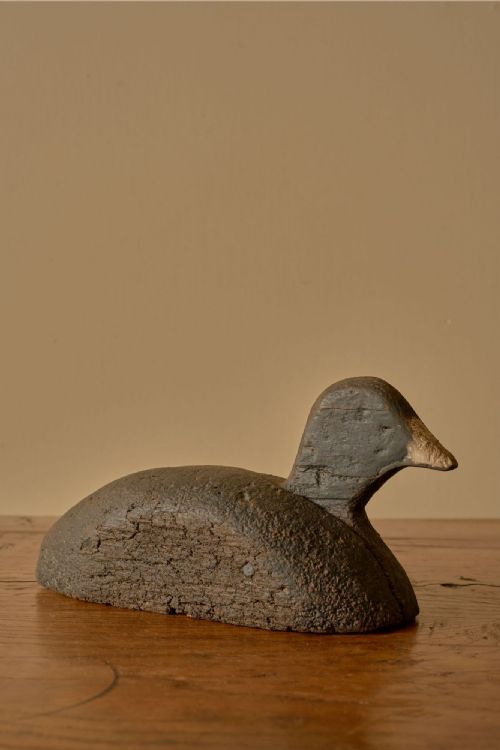
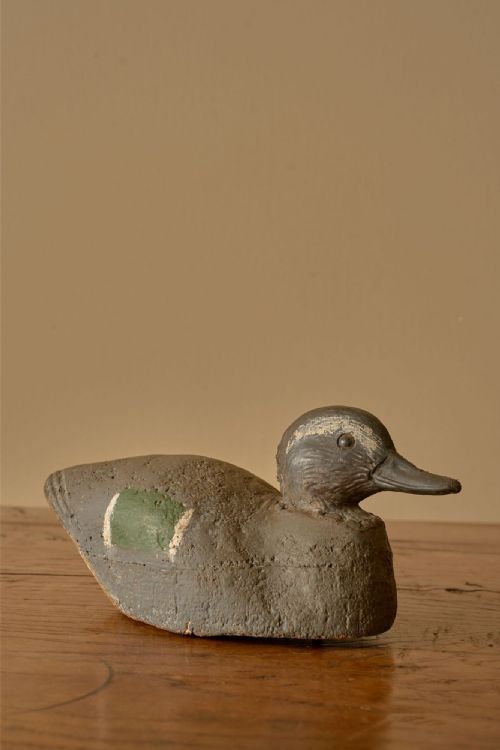
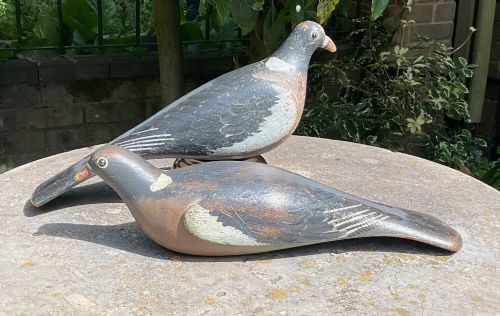
Craftsmen utilised traditional materials such as wood, leather, sterling silver, porcelain and glass to create these sporting items. Wooden pieces like decoy ducks and pigeons show careful carving and hand-painted details.
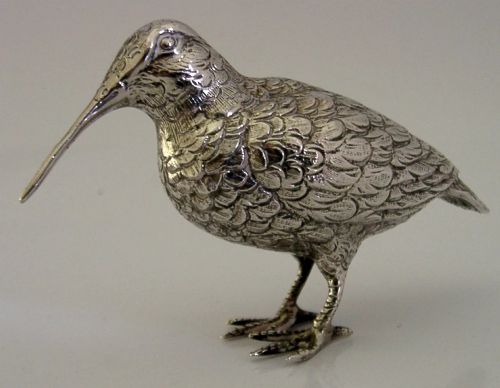
Metalwork includes cold-painted bronze figures and cast sterling silver animals mounted on plinths. Paper and canvas serve as the primary mediums for nineteenth-century sporting prints, illustrations and oil paintings.
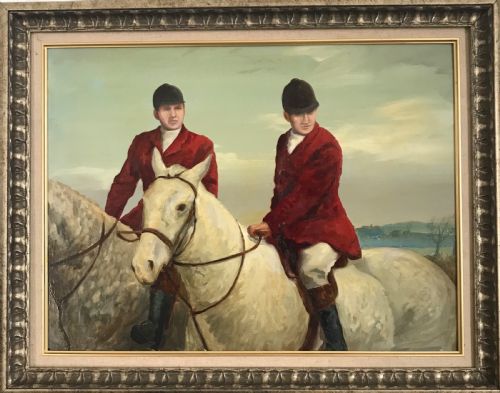
The selection includes Edwardian and Victorian sporting art, ranging from oil paintings on canvas to reverse glass equestrian scenes.
Distinguishing quality
Quality in these items depends upon the precision of the artisan's hand, particularly in the rendering of animal anatomy and natural textures. Silver figures and bronze castings show distinction through crisp detailing of feathers, fur and posture.
Paintings and prints vary based on the clarity of the composition, brushwork skill and the preservation of the original surface. Complete sets, such as matched pairs of prints or cases retaining original keys, hold higher distinction.
Franz Bergman·John Charles Tunnard·Guillaume Urban Régamey·Sam. Howitt·Arthur E Gonne·Royal Staffordshire
The Country Pursuit Antiques Glossary
- Decoy
- A carved or moulded figure used by sportsmen to attract wild birds. Wooden examples often exhibit layered hand-painted finishes to mimic natural plumage.
- Cold-painted bronze
- A method where bronze sculptures are painted with cold-set oil paint rather than fired in a kiln. This technique requires careful preservation to prevent flaking over time.
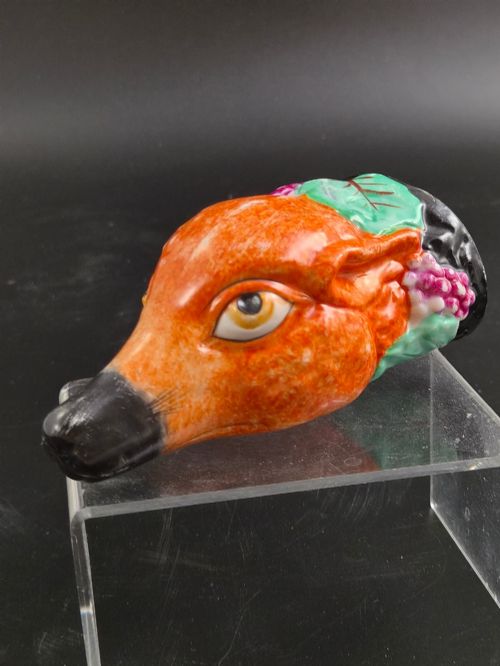
- Stirrup cup
- A ceremonial drinking vessel handed to riders before a hunt. These ceramic or metal cups often take the shape of animal heads.
- Reverse glass painting
- An artwork created by applying pigment to the back of a pane of glass and viewing the finished image from the front. This protects the paint layer from atmospheric dust and damage.
Country Pursuit Antiques: Frequently Asked Questions
What are country pursuit antiques?
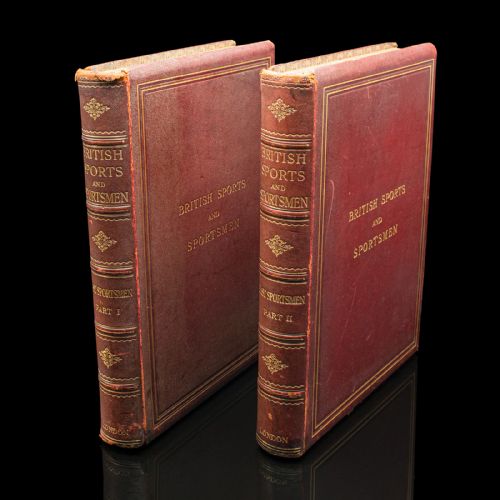
Country pursuit antiques are historical items related to hunting, shooting, equestrian events and rural wildlife. They include oil paintings, silver sculptures, carved decoys and sporting books.
These objects reflect the traditions of field sports primarily from the nineteenth and early twentieth centuries.
How were decoy ducks used?
Decoys were placed on water or marshes to lure wildfowl within range of hunters. Craftsmen carved them from wood and painted them to resemble living birds.
Today, collectors appreciate them primarily as examples of folk art and rural craft.
Where should I display sporting silver?
Sporting silver figures, such as foxes and birds, look best displayed on sturdy wooden surfaces like sideboards, desks or mantelpieces. Sterling silver requires minimal care with a soft cloth to maintain its finish.
Keeping them away from direct heat sources helps preserve any mounted wooden or ebony plinths.
How do I identify Edwardian sporting items?
Edwardian sporting pieces date from the reign of Edward VII, spanning the early years of the twentieth century. They often combine traditional motifs with refined manufacturing techniques.
Hallmarks on silver and publisher details on prints assist in confirming this specific period.