
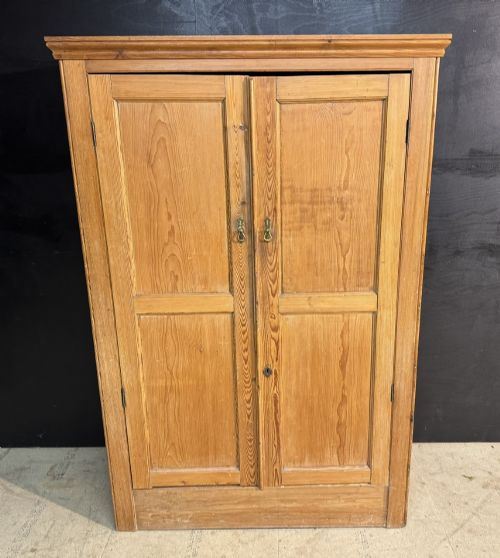
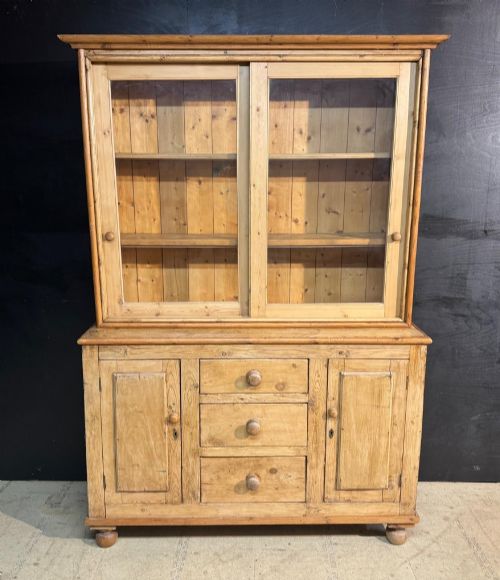
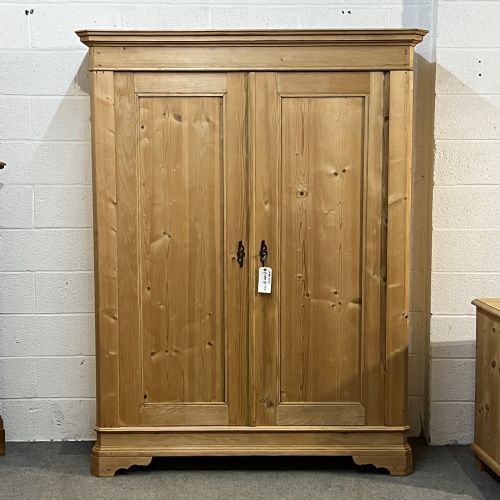
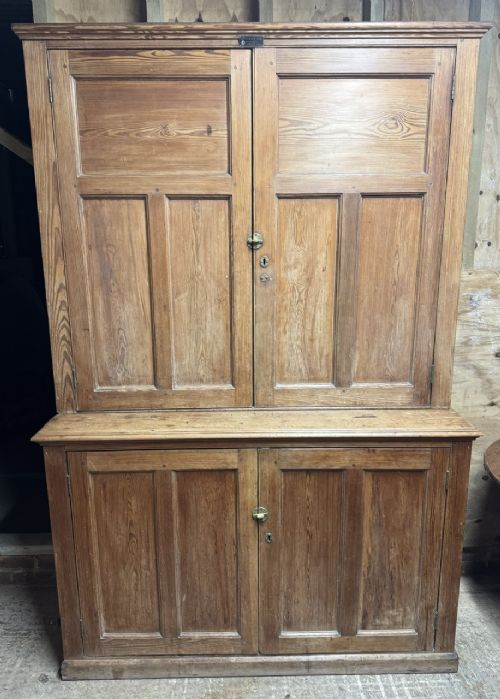
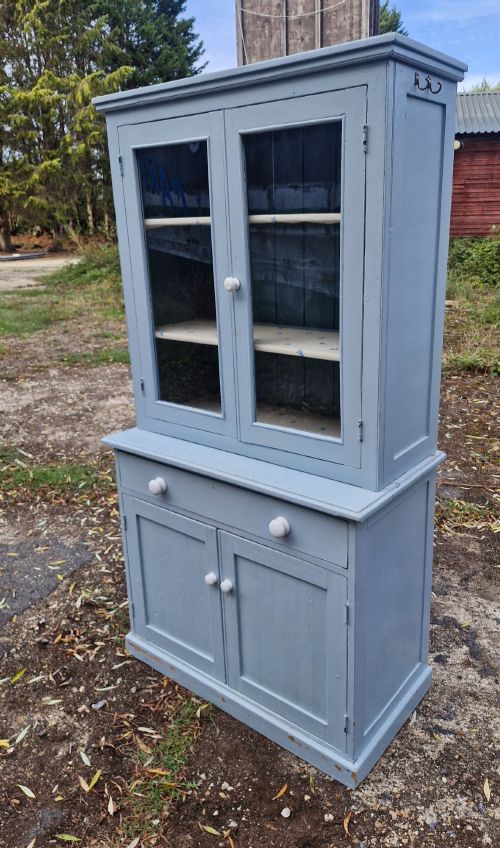
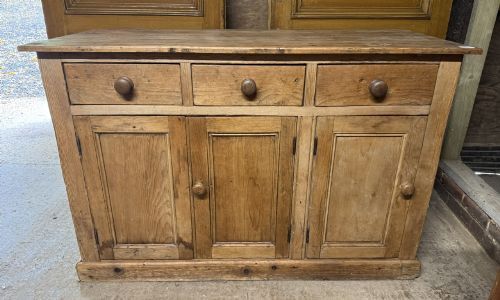
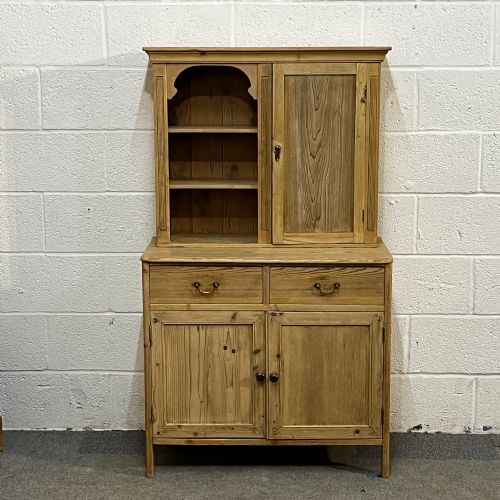
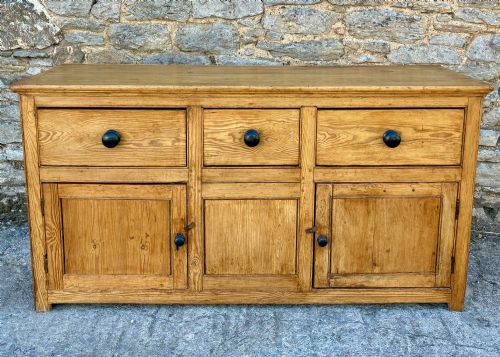
Country Pine Storage Cupboard
A country pine storage cupboard brings honest utility and warmth to a room, offering practical storage disguised in simple historic timber.
What these cupboards are
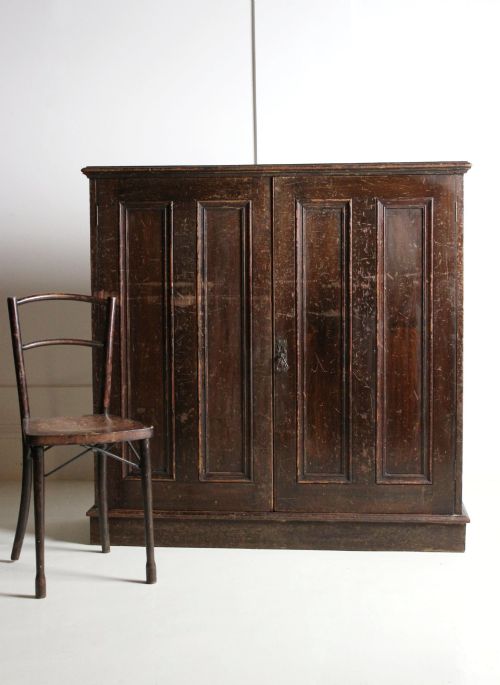
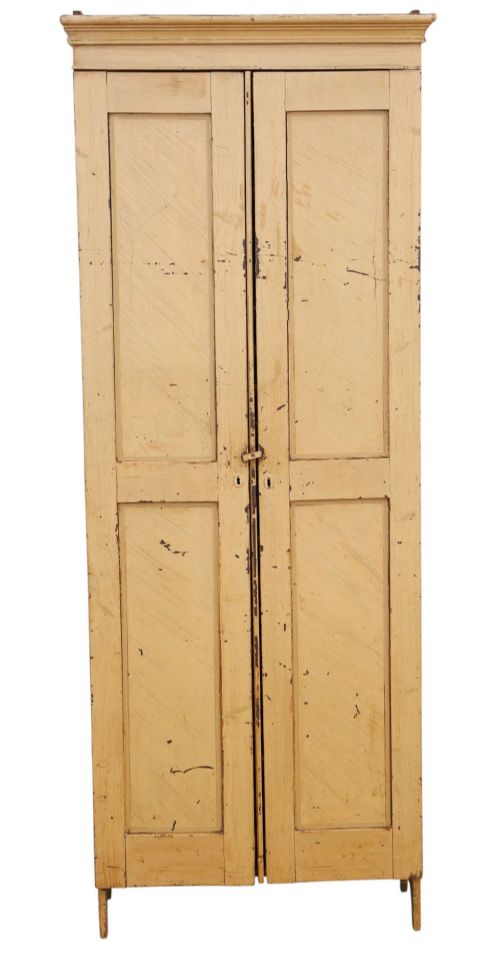
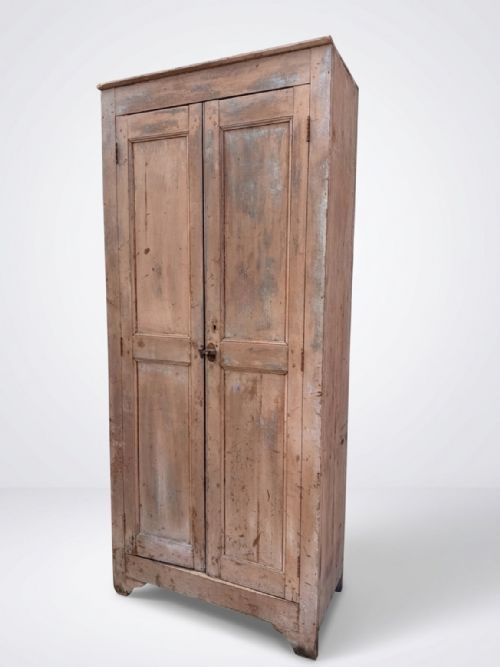
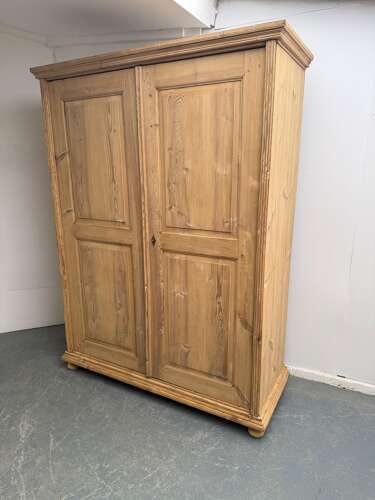
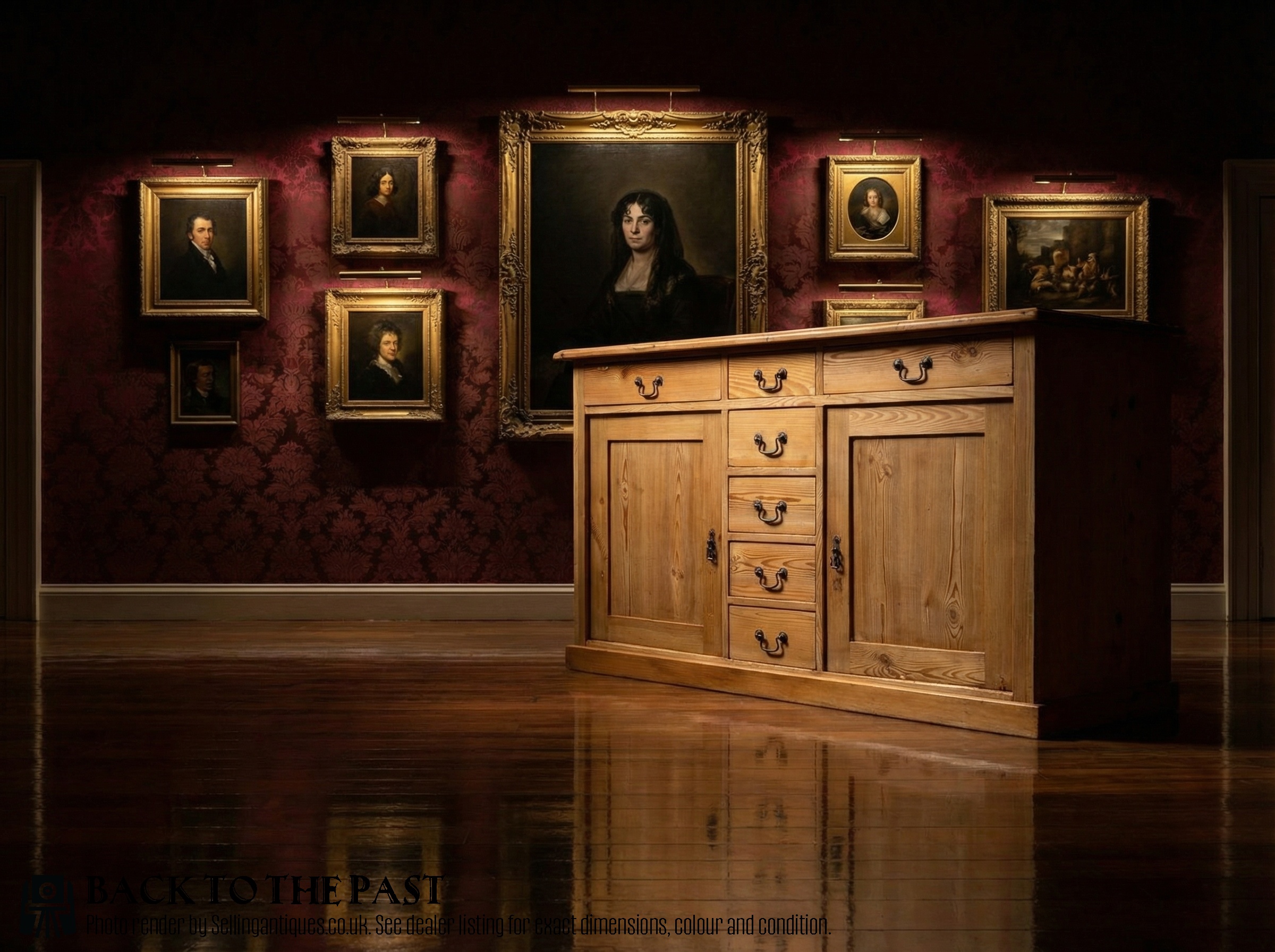
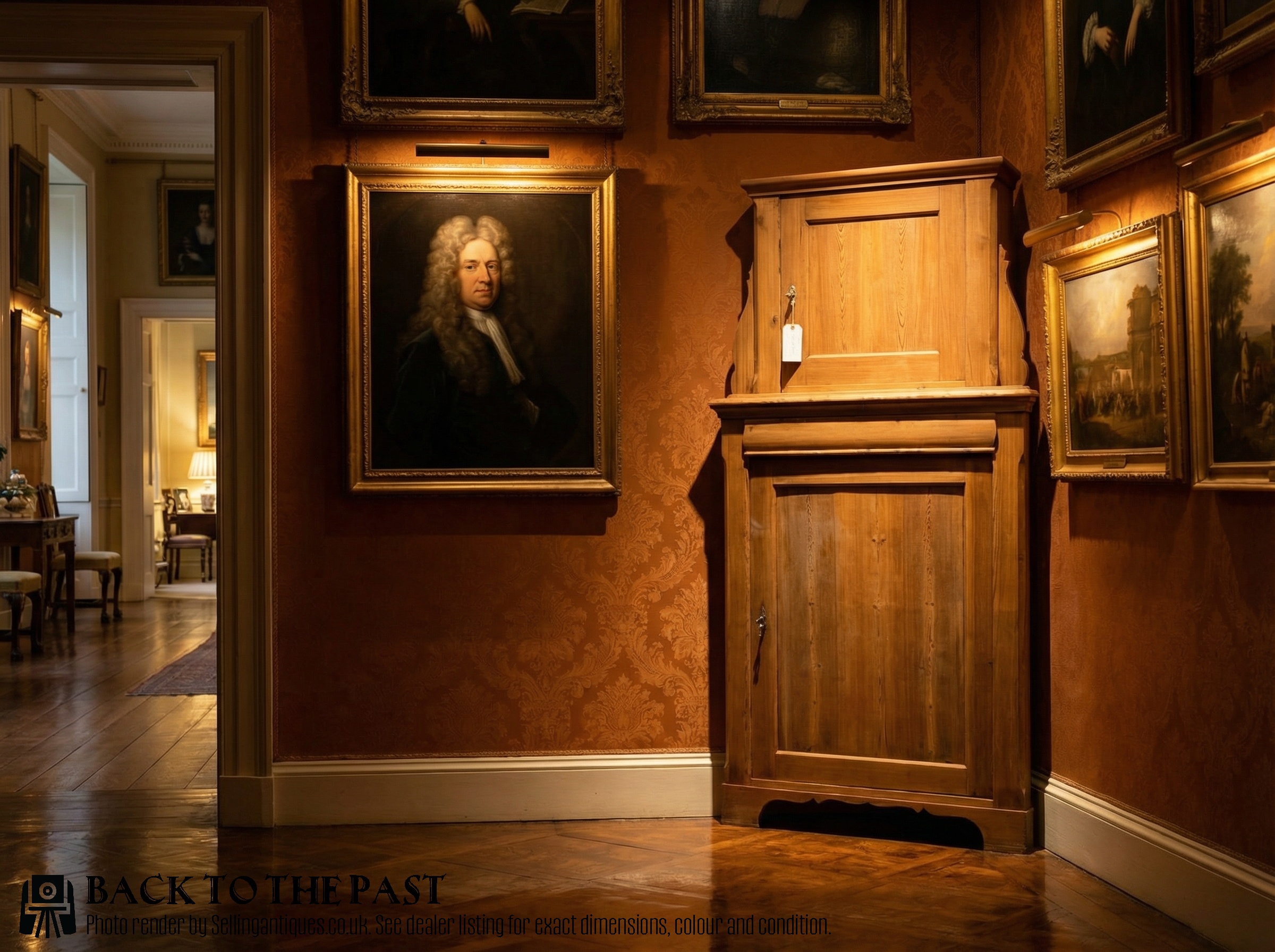
A country pine storage cupboard represents a utilitarian category spanning the Georgian, Victorian, and early twentieth-century periods. These pieces include tall housekeepers' cupboards, hallway single-door variants, and knockdown wardrobes designed for domestic storage needs.
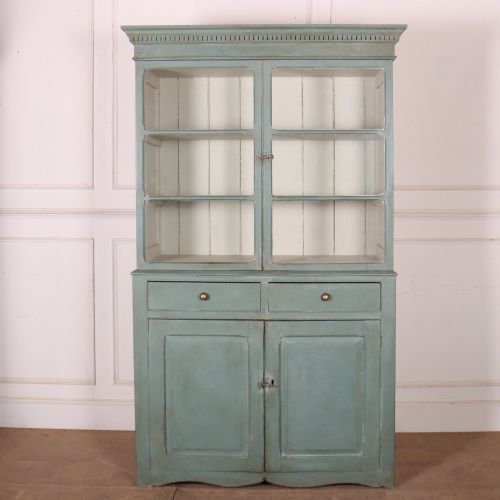
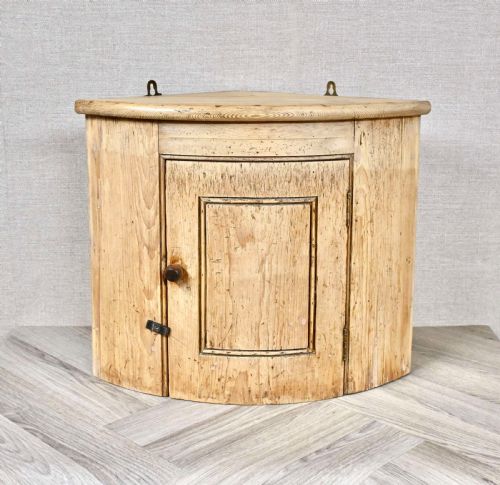
Makers and regional joiners utilised softwoods to construct these functional furniture pieces, ranging from Welsh vernacular to French provincial styles. Buyers will frequently encounter painted finishes, cream paint, or waxed surfaces across various forms such as corner cupboards and linen cupboards.
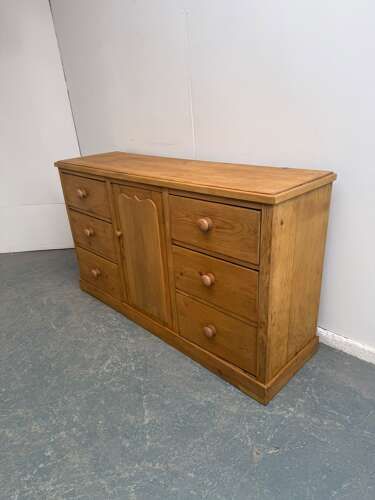
The objects serve everyday storage functions while displaying the honest construction methods of rural workshops. Simplicity defines the aesthetic, whether the piece takes the form of a pantry cupboard or a dresser base.
Construction and materials
Makers constructed these storage pieces primarily using pine timber, often complemented by iron and brass hardware for hinges, latches, and pulls. Surfaces frequently show historical treatments of applied paint or a simple wax finish designed to protect the soft wood.
Construction techniques included knockdown framing for larger wardrobes and solid joinery for smaller hall and corner cupboards. These methods allowed rural carpenters to build robust furniture intended for daily service in domestic interiors.
Retail Price Guide 2026
Typical UK retail prices for country pine storage cupboard, calculated from the Sellingantiques database of over a million retail prices indexed since 2003. This retail price guide relies exclusively on Sellingantiques data; no external sources or auction records are used, so the figures do not describe the wider market.
Listings feature pieces spanning the Georgian, Victorian, and 1900 periods, constructed in pine with iron and brass fittings.
Distinctions in quality
Quality varies according to the integrity of the original timber and the survival of early surface treatments such as original paint or period wax. Pieces retaining their structural configuration, including knockdown systems or original shelving, demonstrate superior craftsmanship.
Proportion and scale distinguish finer vernacular examples, where simple joinery meets balanced rural design. The presence of period brass or iron hardware further separates standard utility pieces from more carefully finished regional items.
The Country Pine Storage Cupboard Glossary
- Pine
- A softwood commonly used in vernacular furniture construction for its workability and availability. It accepts various painted and waxed finishes.
- Knockdown
- A method of cabinet construction allowing large wardrobes to be dismantled into sections for transport and reassembly. This technique was especially useful in older homes with narrow staircases.
- Housekeeper's cupboard
- A large storage piece traditionally used in country houses for linen, dry goods, and household provisions. These tall cupboards often feature multiple internal shelves or hanging space.
- Vernacular
- Furniture made by local tradesmen using regional traditions and readily available materials rather than following formal metropolitan design books. These pieces reflect the practical needs of rural communities.
Frequently Asked Questions
What rooms suit a country pine storage cupboard?
These cupboards suit kitchens, hallways, and bedrooms where practical storage is required alongside traditional character.
Their simple lines allow them to integrate easily into both rustic and contemporary interior schemes.
How do I care for a waxed pine surface?
Maintain waxed pine by applying a traditional beeswax polish periodically to nourish the soft timber and preserve the sheen.
Avoid placing these cupboards near direct heat sources to prevent the wood from drying out or splitting.
Are these cupboards easy to disassemble?
Certain larger examples, such as knockdown wardrobes, were constructed to be taken apart for moving between rooms.
Check the specific joinery of the piece before attempting to dismantle any historical framework.
How do I distinguish Georgian pine from Victorian pieces?
Georgian examples often display simpler, heavier proportions and early construction details associated with the late eighteenth and early nineteenth centuries.
Victorian and later pieces frequently incorporate machine-sawn timber and different interior configurations for evolving household storage needs.