


Country Oak Open Chair
A country oak open chair brings solid timber and vernacular craft directly into daily seating, offering sturdy architecture shaped by regional hands.
Country Oak Open Chair
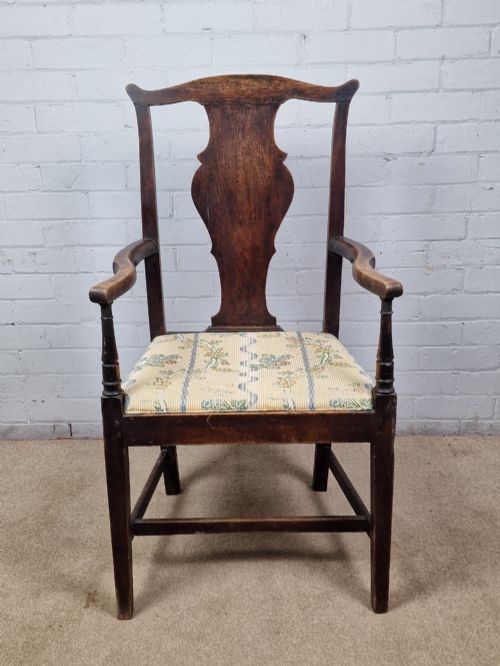
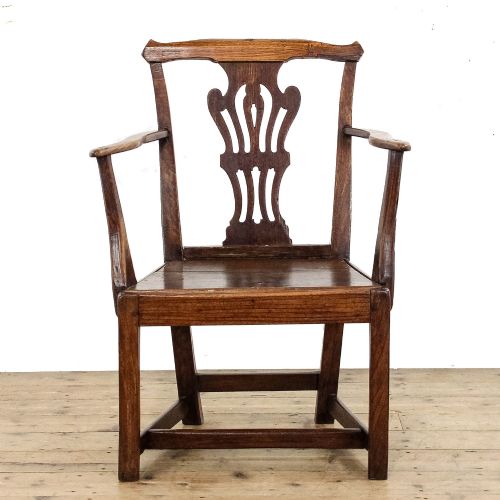
A country oak open chair comprises sturdy seating forged from solid timber, drawing on regional vernacular traditions across English, Welsh, Scottish, and Irish workshops. These pieces span from the seventeenth century through the Georgian era and into the nineteenth century, taking the form of armchairs, carvers, wainscot designs, and spindleback forms.
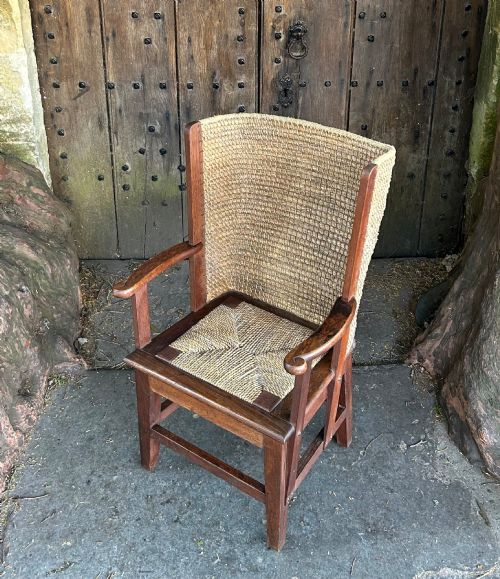
Buyers seeking a country oak open chair most frequently encounter eighteenth and nineteenth-century examples, including generous Welsh armchairs, ladder backs, and shepherds crook designs. Many pieces combine oak frames with rush, cane, fabric, or elm elements, reflecting local material availability rather than metropolitan court styles.
Distinctions in quality
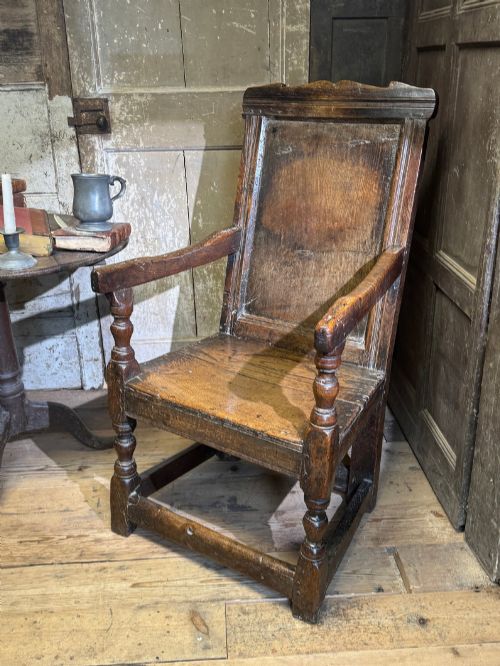
Quality rests upon the integrity of the timber, the weight of the proportions, and the authenticity of the regional construction. Heavy wainscot examples with deep paneling and rich patination stand apart from lighter nineteenth-century utility pieces.
The sophistication of the turning and the retention of original seating materials - such as early rush or cane - distinguish finer provincial work from standard vernacular production. Regional identity, particularly distinct Welsh or West Country framing, elevates the standing of an individual piece.
Listings feature oak combined with fabric, rush, elm, velvet, straw, and walnut across eighteenth and nineteenth-century periods.
The Country Oak Open Chair Glossary
- Wainscot chair
- A heavy wooden armchair with a paneled back, solid wooden seat, and substantial armrests. These early forms date primarily to the seventeenth and early eighteenth centuries.
- Carver
- An armchair designed to match a set of dining chairs, typically featuring open arms and a wider seat. They often head a dining table.
- Spindleback
- A chair back constructed from vertical turned wooden rods or spindles. This technique reduced weight while maintaining structural strength.
- Shepherds crook
- An armchair featuring continuous curved wooden armrests that sweep down in a single profile. The design provides protection from drafts near firesides.
- Rush seat
- A seating surface woven from dried marsh grasses or reeds tightly bound around a wooden frame. It offers a resilient, flexible support common in vernacular seating.
Country Oak Open Chair: Frequently Asked Questions
What is a country oak open chair?
A country oak open chair is a regional wooden armchair produced by provincial makers using solid oak and traditional joinery. These seats range from early wainscot panels to later ladder back and spindle designs.
They reflect local building traditions rather than strict London court fashions, offering sturdy construction and distinct regional character.
How do I date an oak armchair?
Dating relies on examining joinery methods, timber patination, and stylistic markers such as panel carving or turned spindles. Seventeenth-century examples often feature heavy framing and wainscot panels, while later pieces show lighter proportions.
Comparing structural details against known vernacular types helps narrow the period of manufacture.
Where were these chairs made?
These chairs originated in regional workshops across England, Wales, Scotland, Ireland, and occasionally France. Local timber availability dictated the choice of oak combined with elm, beech, or walnut.
Certain styles, such as heavy panelled armchairs, are specifically associated with Welsh or West Country traditions.
How should I live with an antique oak chair?
An antique oak chair functions well as an occasional seat, fireside chair, or desk companion in modern interiors. Placing timber furniture away from direct heat sources prevents the wood from drying out.
Regular dusting and careful maintenance of rush or fabric seats preserve the structural integrity of the piece.