



Country Oak and Elm
Country oak and elm furniture combines sturdy domestic timbers into honest seating, tables and storage shaped by generations of rural use.
Country Oak and Elm
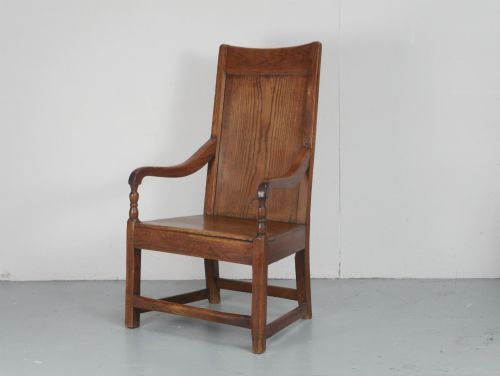
Country oak and elm encompasses functional domestic furniture built for rural homes during the eighteenth and nineteenth centuries. Buyers encounter farmhouse tables, settles, coffers and various forms of Windsor seating shaped by local joiners.
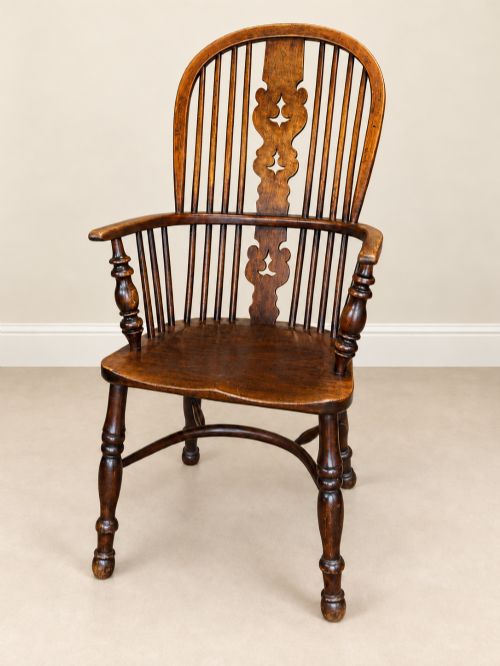
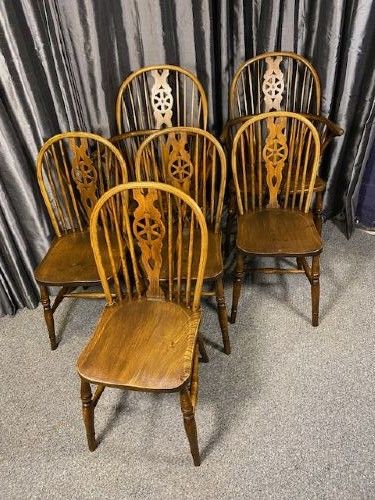
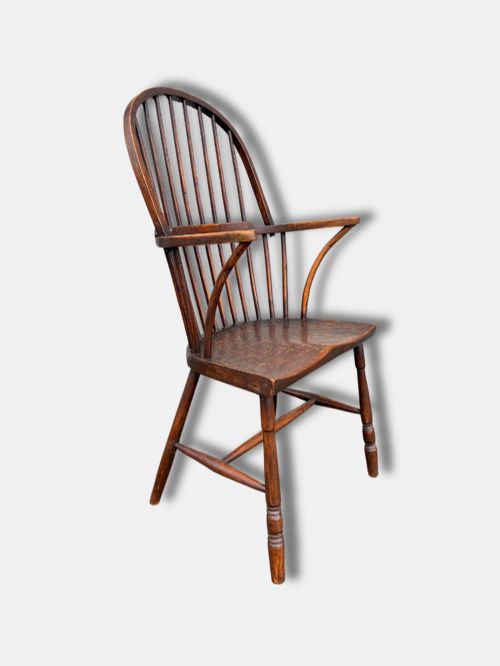
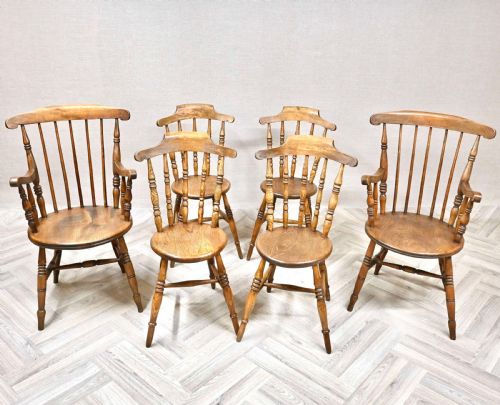
The most common survivors on this page are Windsor chairs and kitchen seating utilising elm seats paired with ash, beech or yew spindles. These everyday pieces evolved distinct regional characteristics across English counties.
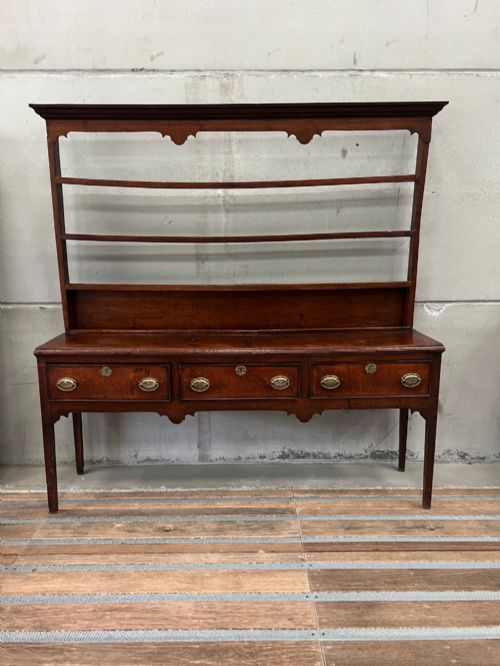
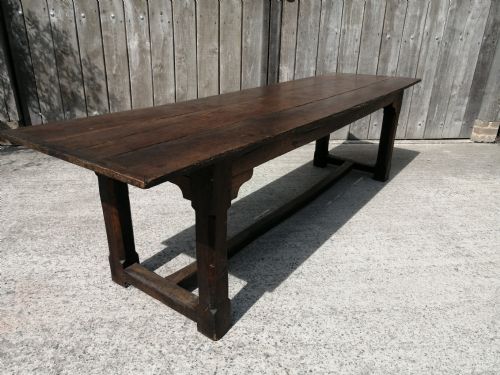
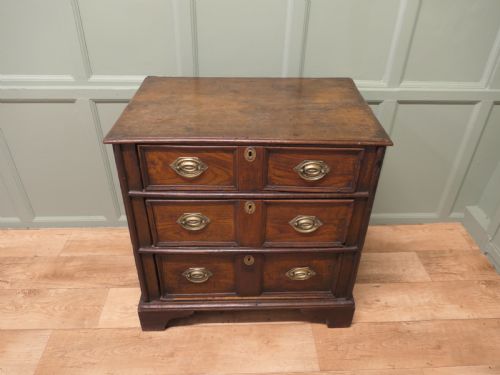
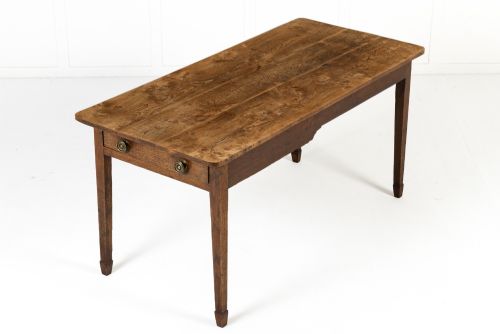
Storage forms such as six plank coffers and elm chests of drawers sit alongside dining tables and refectory tables constructed to endure heavy daily use. Each object reflects the practical demands of historic agricultural interiors.
How they were made
Cabinet makers and bodgers paired durable oak frames with tough, interlocked elm timbers specifically chosen for seats and tabletops that resisted splitting. Secondary woods like ash and beech provided flexible spindles and legs turned on pole lathes.
Construction relied on traditional joinery including mortise and tenon joints for frames, alongside wedged through-tenons anchoring Windsor chair legs directly into solid sculpted seats.
Country Oak and Elm Retail Price Guide 2026
Typical asking prices for country oak and elm among the pieces listed under this phrase on Sellingantiques today, from the lower quarter to the upper quarter. They describe what is for sale here now, not the wider market.
Current listings span the eighteenth and nineteenth centuries, featuring elm, oak, beech, ash and yew across various regional styles.
What varies in quality
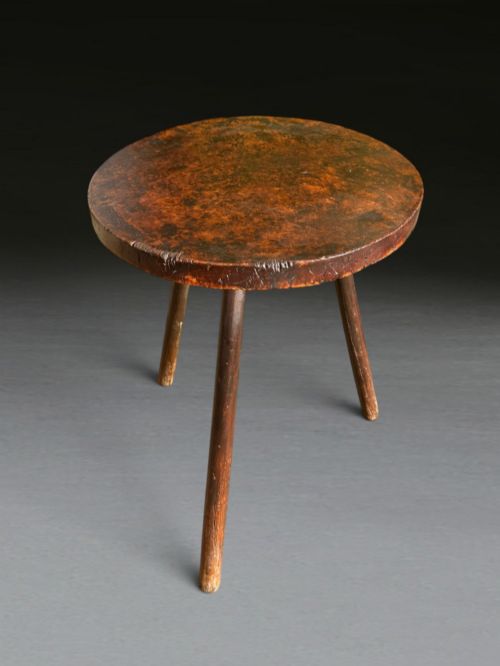
The distinction between ordinary utility items and superior survivals rests upon timber selection, such as richly figured burr elm or quartersawn oak showing pronounced medullary rays. Sculptural depth in shaped saddle seats and the retention of original surface patination elevate certain examples.
Proportion and structural integrity dictate the standing of individual pieces, where balanced undercarriages and minimal timber replacement preserve the original maker's intent.
The Country Oak and Elm Glossary
- Windsor chair
- A wooden chair featuring a thick solid timber seat into which the legs and back spindles are separately inserted. These chairs developed various regional back styles including hoop, bow and lathbacks.
- Coffer
- A large rectangular chest constructed for domestic storage, often assembled from heavy oak planks with simple boarded joints. They served to keep linens, valuables and dry goods secure.
- Joint stool
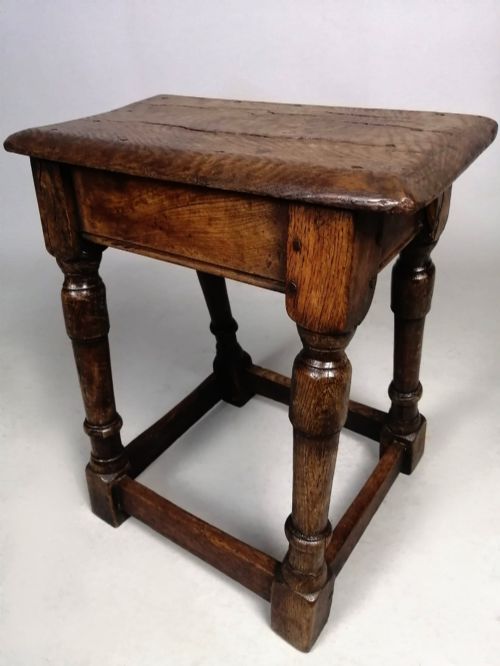
- A sturdy low wooden stool constructed with mortise and tenon joints fixed by wooden pegs. They predated lightweight individual chairs and stood around dining tables.
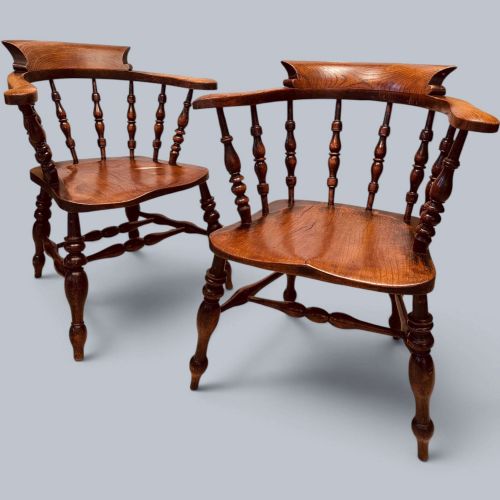
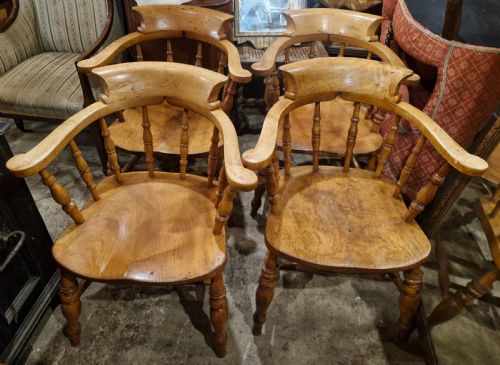
- Smokers bow
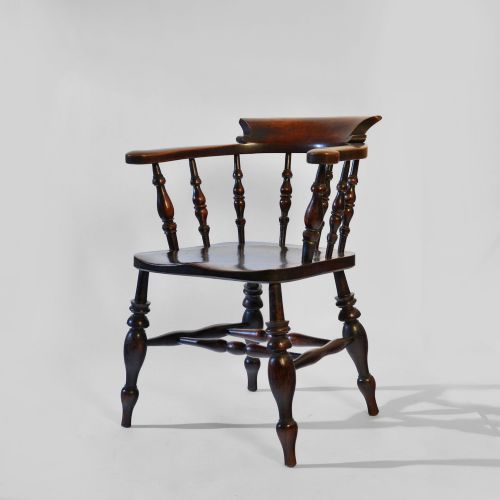
- A low-backed Windsor armchair with a continuous curved armrail resting on short spindles, commonly found in nineteenth-century country pubs and farmhouses.
- Refectory table
- A long dining table featuring heavy timber legs connected by low stretcher rails for stability. They originated in monastic dining halls before entering domestic farmhouse use.
Country Oak and Elm: Frequently Asked Questions
What makes country elm seats distinctive?
Elm timber possesses a twisted, interlocking grain structure that prevents it from splitting easily under heavy pressure. This resilience made it the preferred material for solid chair seats and large tabletops.
Craftsman carved these thick elm planks into comfortable saddle shapes using adzes and scorps. Over centuries, this timber develops a rich, undulating surface texture.
How do I identify a Windsor chair?
A Windsor chair is defined by its construction method, where all components attach directly into a solid wooden seat rather than a traditional frame. Spindles form the back support, while turned legs peg into the underside.
These chairs appear in numerous regional variations across England. Hoop backs, bowbacks and smoker bows represent the common domestic forms found in rural settings.
Where were these pieces used?
These items populated historic farmhouses, cottages, dairies and country kitchens throughout Britain. Their robust construction suited demanding agricultural environments where furniture needed to withstand daily labour.
Tables held shared meals, while settles blocked draughts near hearths. Everyday storage chests housed household linens and provisions.
How do I care for antique oak and elm?
Protect these timbers by maintaining stable room humidity and avoiding direct placement near central heating radiators. Sudden moisture changes cause historic wood to warp or split.
Feed dry surfaces occasionally with traditional beeswax rather than modern silicon polishes. Gentle dusting preserves the accumulated patination built up over centuries.