


Country Kitchen Dresser Base
Country kitchen dresser base pieces provide sturdy working surfaces and deep storage, anchoring rural interiors with practical charm.
Country Kitchen Dresser Base
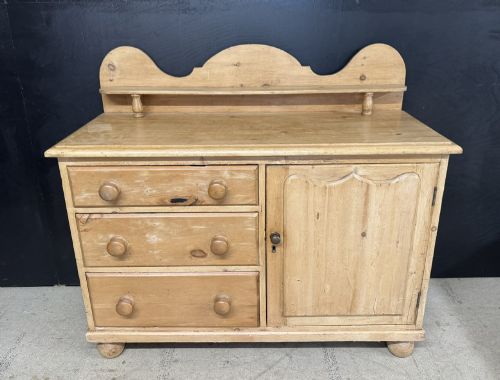
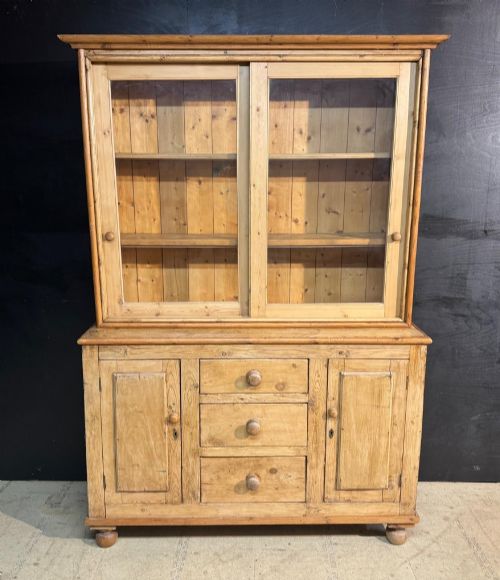
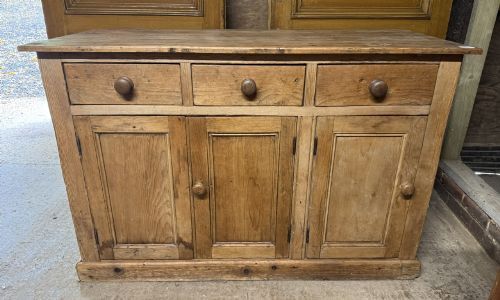
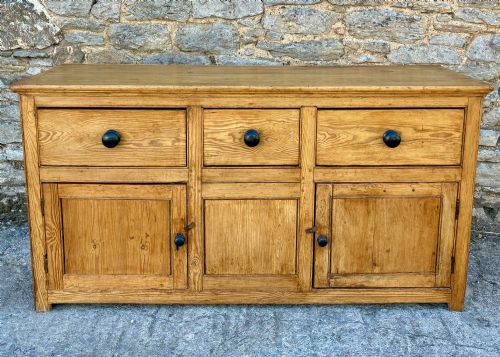
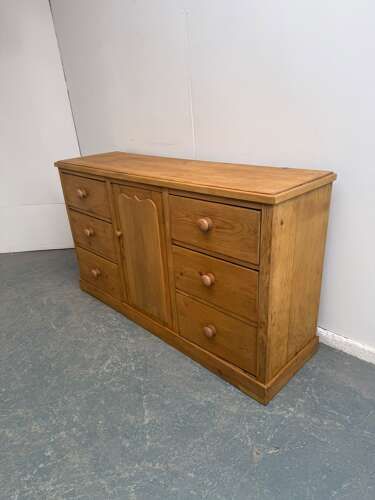
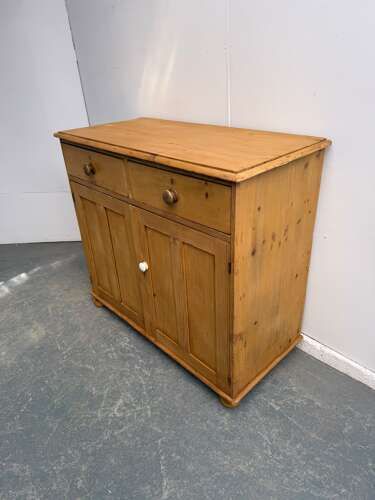
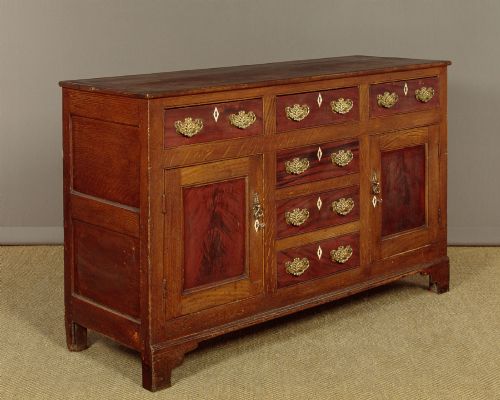
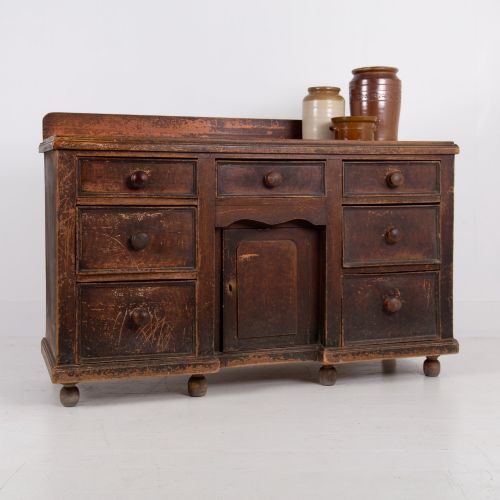
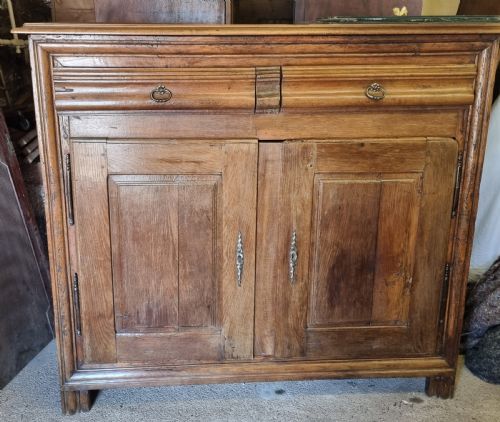
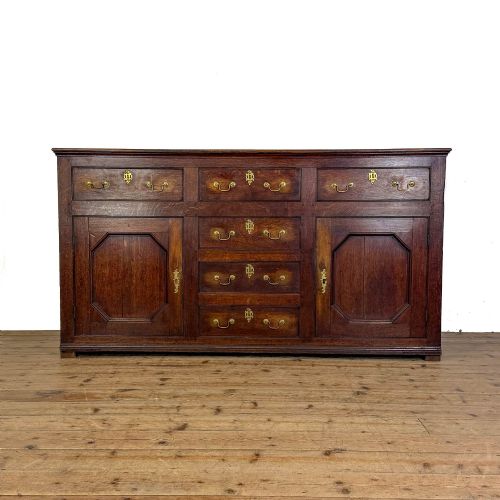
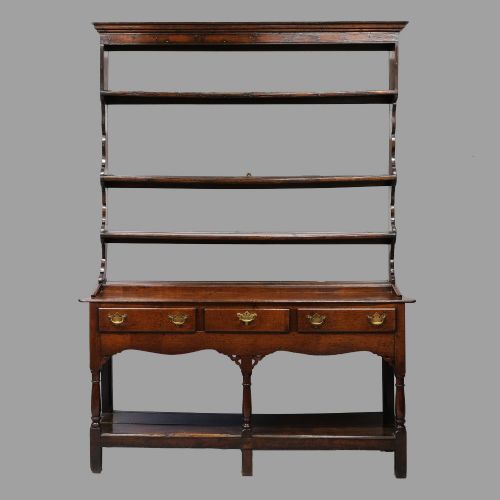
A country kitchen dresser base functions as a sturdy work surface and storage unit, originating from rural homes where domestic labour centred on food preparation. These items appear across multiple periods, with nineteenth-century examples and Victorian pine editions appearing frequently alongside older oak pieces.
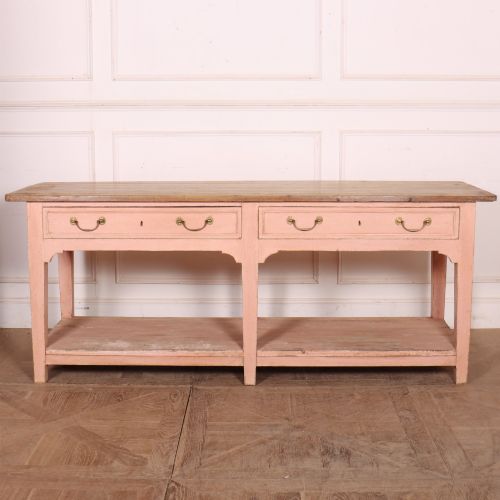
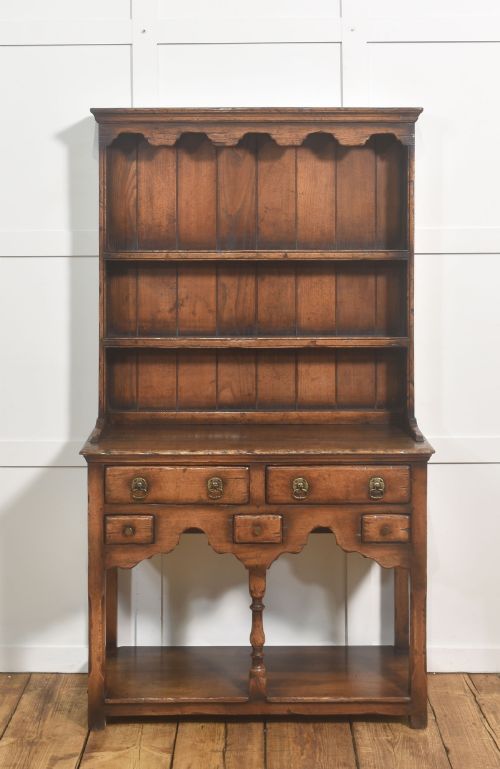
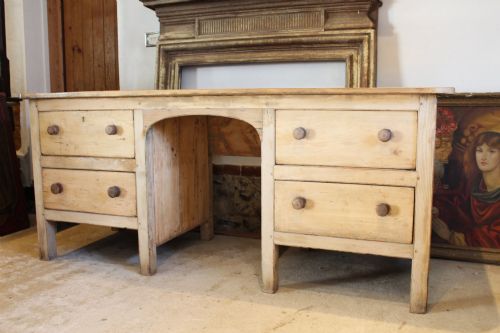
Form variations range from open potboard designs to enclosed cupboards featuring two doors and two drawers, sometimes retaining their original paint or wax finish. Regional traits emerge in Welsh and English country variants, reflecting local woodworking traditions and domestic requirements.
Materials and construction methods
Cabinet makers relied predominantly on solid timber such as oak and pine, occasionally incorporating fruit wood or sycamore for specific elements. Surfaces were either left as waxed natural wood or coated in layers of paint.
Hardware components typically included brass or iron fittings, while glass panels occasionally appeared in related cabinetry. Joinery techniques prioritised durability to withstand daily kitchen tasks.
Listings feature eighteenth-century and nineteenth-century pieces constructed from pine, oak and painted wood.
Evaluating construction and finish
Quality separates pieces by the integrity of their timber and the preservation of original surfaces, such as early paint layers or traditional wax patination. Heavier construction and well-proportioned drawer configurations indicate superior craftsmanship from regional workshops.
The Country Kitchen Dresser Base Glossary
- Potboard
- An open lower shelf beneath a dresser base traditionally used for storing pots and pans. This lower tier often sits on plain or shaped feet.
- Dog kennel
- A central recessed space flanked by cupboards or drawers beneath the main surface of a dresser base. This architectural feature distinguishes specific nineteenth-century regional layouts.
- George III
- A stylistic period spanning the mid to late eighteenth century, characterised by restrained classical proportions in oak furniture. Pieces from this era often display fine grain patination.
- Welsh dresser
- A regional form denoting items originating from Wales, frequently constructed from native oak. These pieces often exhibit distinctive proportions and local framing techniques.
- Waxed pine
- A surface treatment applied to softer timbers to protect the wood while developing a warm sheen over decades of handling.
Country Kitchen Dresser Base: Frequently Asked Questions
How do I distinguish oak from pine bases?
Oak furniture displays a dense grain pattern with visible medullary rays, yielding a heavier structure and a deeper honey tone over centuries. Pine is a softer timber with a lighter weight and tighter growth rings, often found with painted or waxed finishes.
Earlier examples tend to utilise oak, while nineteenth-century vernacular pieces frequently employ pine.
Did these pieces always have plate racks?
Many dresser bases were manufactured as standalone lower cabinets without upper plate racks, serving primarily as work tables or serving surfaces. Surviving examples demonstrate that upper shelving could be separated from the base unit.
Kitchen configurations dictated whether a household required open display shelving above the main counter.
What is an original paint finish?
An original paint finish consists of early or contemporary layers of pigment applied to the timber, showing natural wear from decades of domestic use. Collectors value these untouched surfaces for the authentic visual texture they impart.
Subsequent repainting alters the historical character, making traces of early pigment significant for dating.
Where were these pieces used?
These units served as central workhorses in farmhouse kitchens, sculleries and large country house pantries. They provided durable surfaces for rolling dough, preparing game and storing culinary equipment.
Their robust construction suited the demands of rural domestic life before fitted kitchens became standard.