
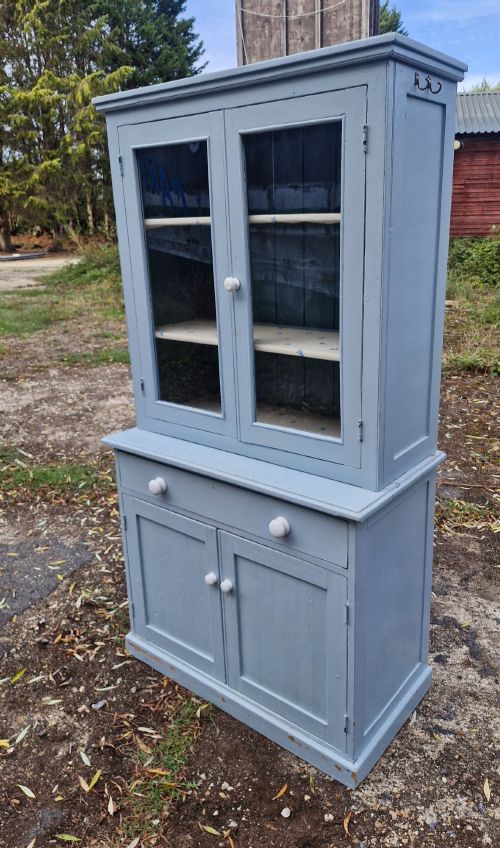
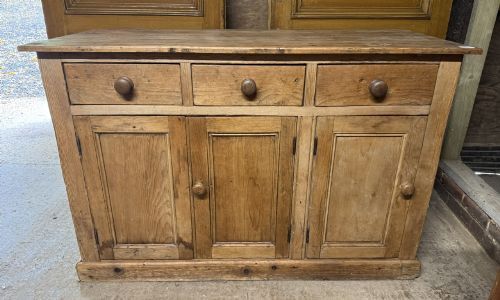
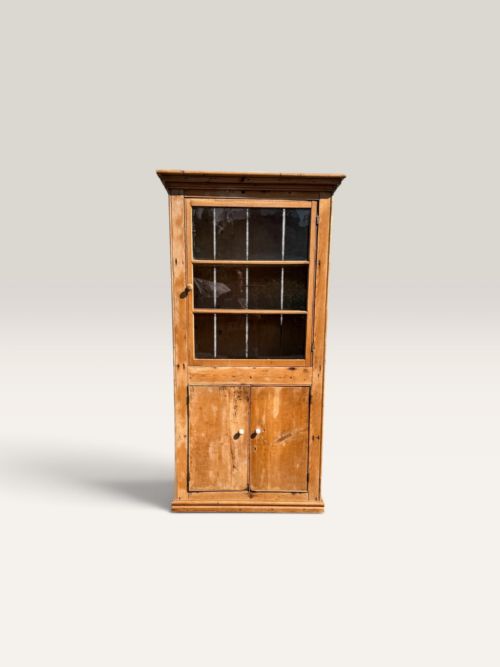
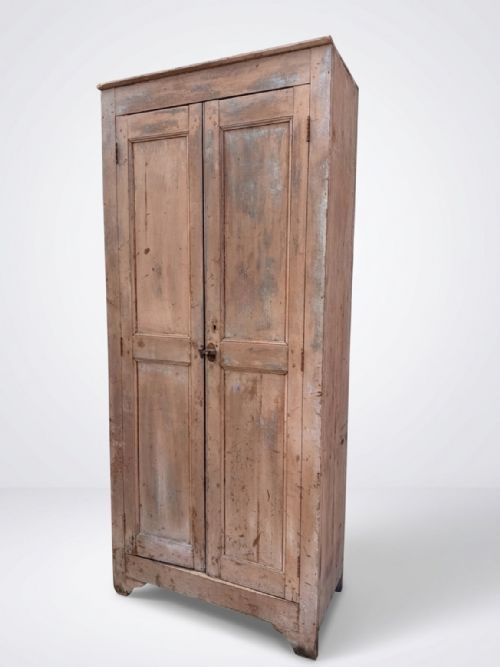
Country Housekeepers Cupboard
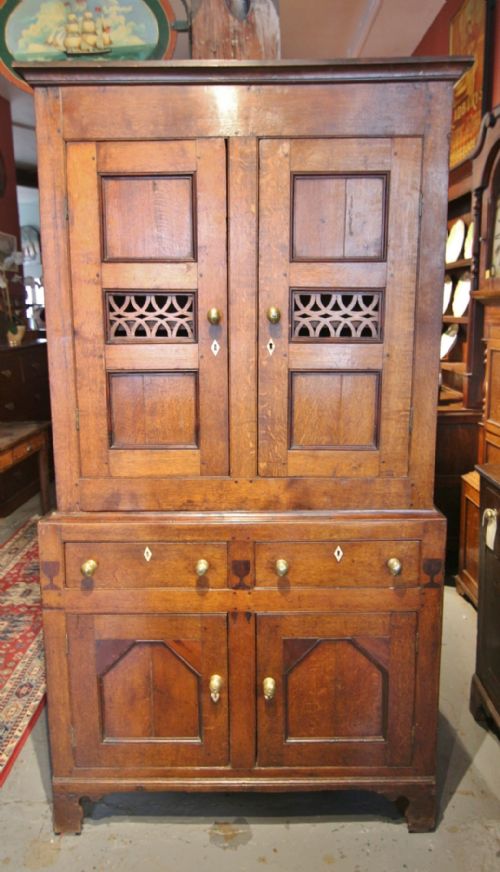
A country housekeepers cupboard offers substantial utility and historic presence, designed originally for domestic storage in large estates.
Country Housekeepers Cupboard
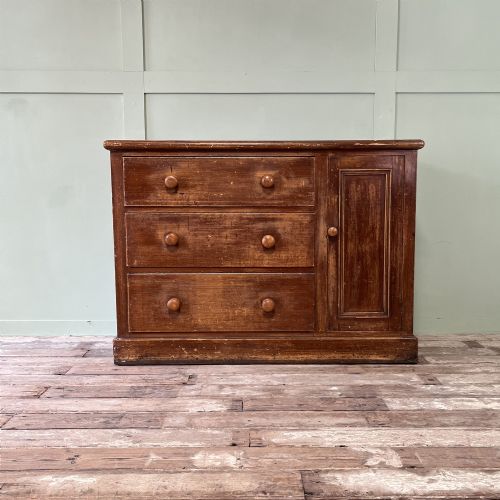
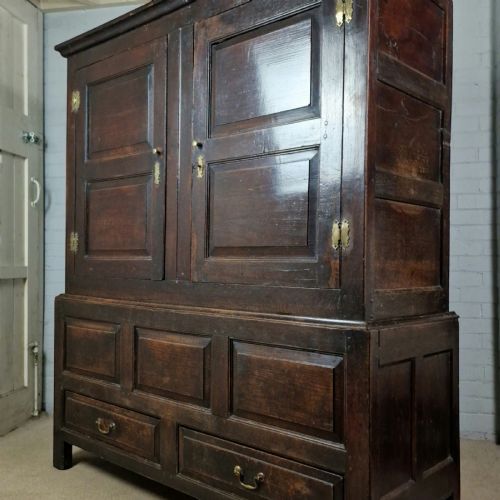
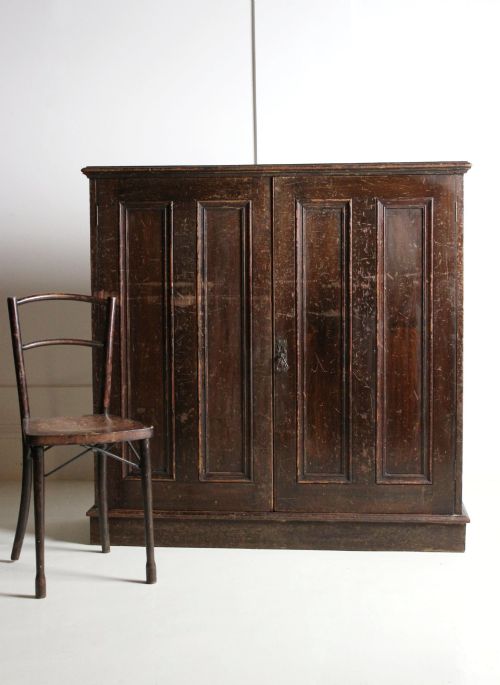
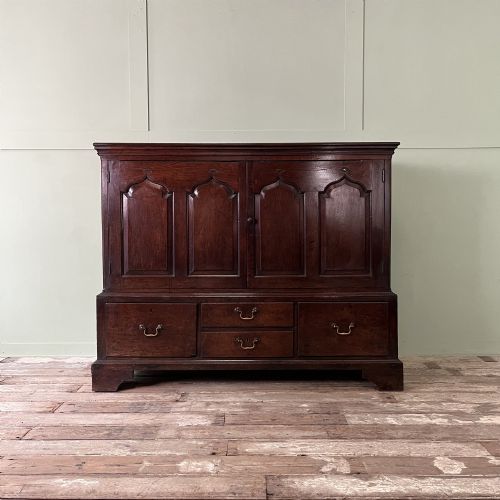
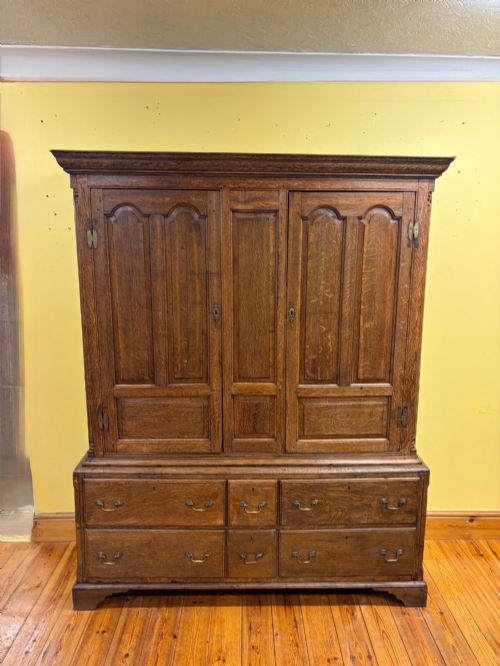
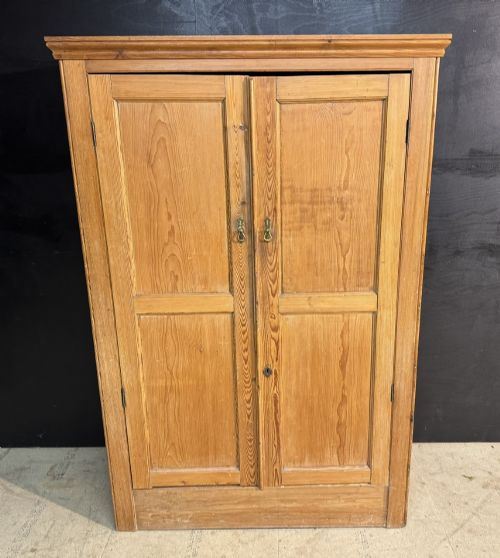
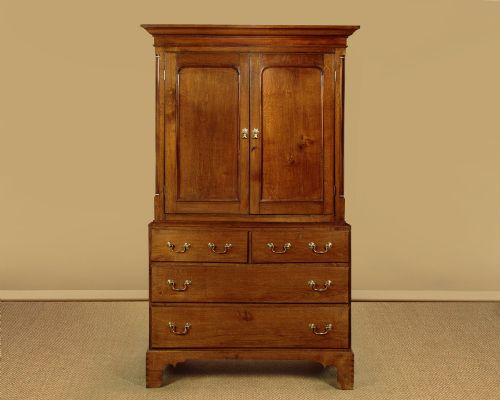
A country housekeepers cupboard represents substantial storage furniture historically used in large domestic settings to organise household stores, linens, and provisions. When exploring this selection, buyers frequently encounter pine, oak, and painted finishes originating across Georgian and Victorian periods.
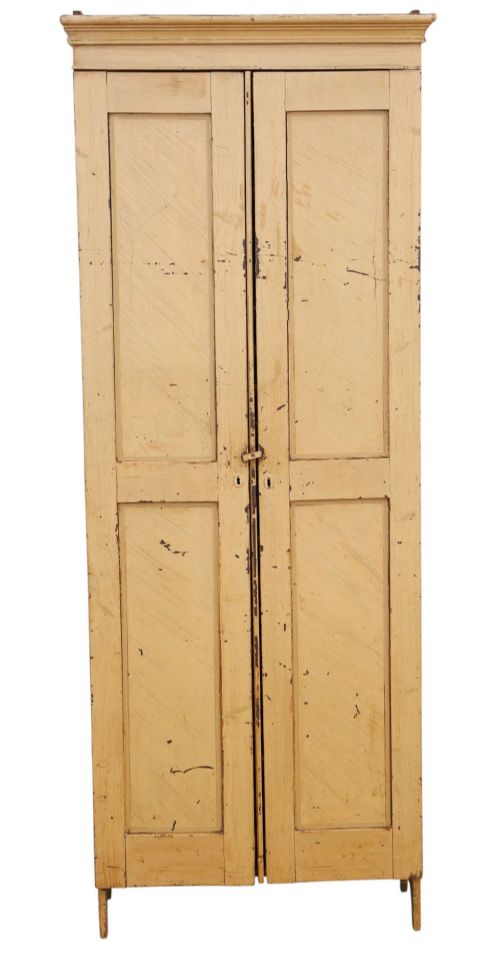
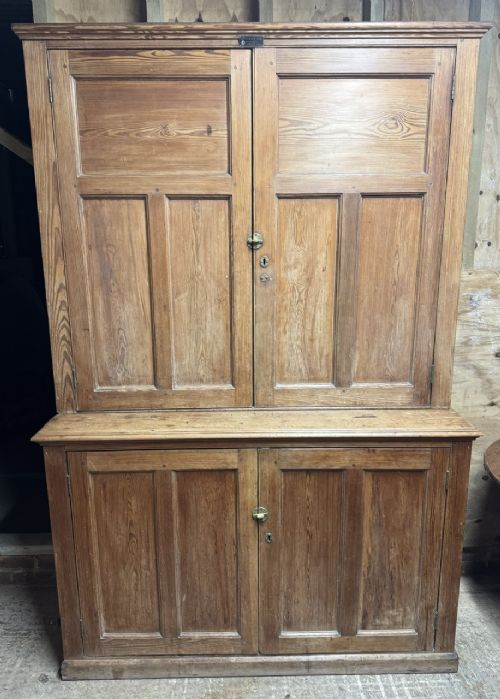
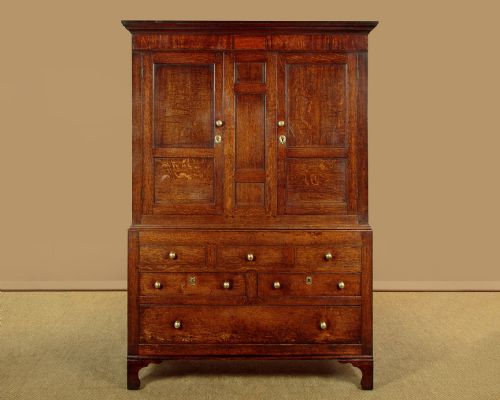
The category encompasses multi-door formats, tall narrow configurations, and two-part designs often associated with regional traditions from Wales, the West Country, and Ireland. These storage pieces range from utilitarian kitchen cupboards to grander estate office cabinets.
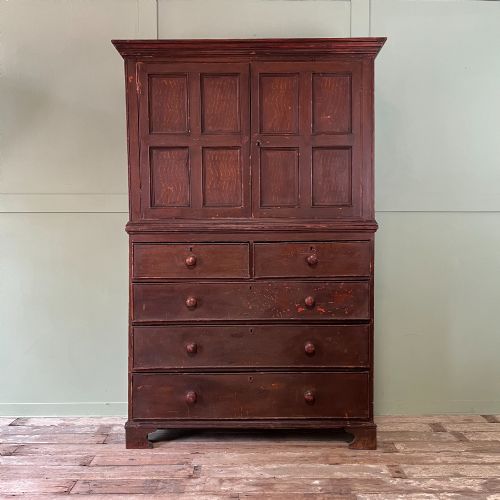
Earlier examples span the seventeenth and eighteenth centuries in robust oak, while nineteenth-century pieces lean towards versatile pine, sometimes retaining original or scumble painted surfaces. Each specimen reflects the domestic requirements of its period, balancing functional shelving with enclosed cabinetry.
Materials and Construction
Makers relied predominantly on solid oak and pine, shaping timbers with traditional joinery such as pegged mortise and tenon joints to support heavy domestic use. Iron and brass hardware, including hinges and latches, secure doors and drawers across various periods.
Surfaces often display layered treatments, from plain waxed finishes and natural grain to applied paint, polychrome, and scumble effects. Glazed panels, vented doors, and inlaid decoration occasionally appear, demonstrating regional craftsmanship and period preferences.
Regional variants include Welsh vernacular styles, West Country workshops, and French provincial designs.
Assessing Quality and Character
Quality reveals itself in the integrity of the timber selection, the preservation of original painted or waxed surfaces, and the stability of the structural frame. Pieces retaining authentic regional characteristics and untouched historical finishes stand out within the category.
Proportion and scale also distinguish individual cupboards, as well as the sophistication of interior fittings such as original shelving, drawers, and linen presses. Hand-forged ironwork and subtle decorative inlays further elevate the standing of specific examples.
The Country Housekeepers Cupboard Glossary
- Linen Press
- A tall piece designed primarily for storing folded textiles and garments, typically featuring sliding trays enclosed by upper doors above a chest base.
- Scumble Paint
- A decorative technique involving translucent glazes dragged or brushed over a base coat to imitate the appearance of figured grain or aged patination.
- Livery Cupboard
- An antique storage cabinet historically used for keeping food, candles, or small provisions away from the main kitchen.
- Vented Door
- A door fitted with pierced panels, slats, or wire mesh to allow air circulation, frequently utilised in food and pantry cupboards.
- Vernacular
- Furniture made by local craftsmen using regional materials and traditional methods rather than adhering to formal metropolitan design styles.
Country Housekeepers Cupboard: Frequently Asked Questions
What were housekeepers cupboards used for?
These large pieces served as the central storage hub in large domestic households. Housekeepers utilised them to store household linens, dry provisions, and tableware.
They kept supplies organised and secure within the estate. The internal shelving and drawers accommodated diverse domestic goods before modern pantries became common.
How do I date an antique cupboard?
Dating relies on examining timber species, construction methods, and hardware. Earlier pieces often utilise heavy oak with hand-sawn boards, while nineteenth-century examples frequently feature pine.
Secondary woods, nail types, and tool marks offer further clues to the period of manufacture. Original painted surfaces also align with specific stylistic eras.
Are these cupboards suitable for modern kitchens?
Their substantial storage capacity makes them practical for contemporary homes. They function effectively as larders, linen stores, or freestanding kitchen cabinets.
Buyers often place them in dining areas or hallways to store tableware and household items. The deep shelving accommodates modern kitchenware while adding historic character.
What is the difference between oak and pine versions?
Oak cupboards generally date from earlier periods like the seventeenth and eighteenth centuries. They offer a dense, heavy structure with rich natural grain.
Pine versions became widespread during the nineteenth century and often feature painted or scumbled finishes. Pine cupboards tend to present a lighter visual weight compared to solid oak.