



Stripped Pine Storage Unit
These stripped pine storage unit options bring honest utility and character to a room, offering practical storage built from solid timber.
Stripped Pine Storage Unit
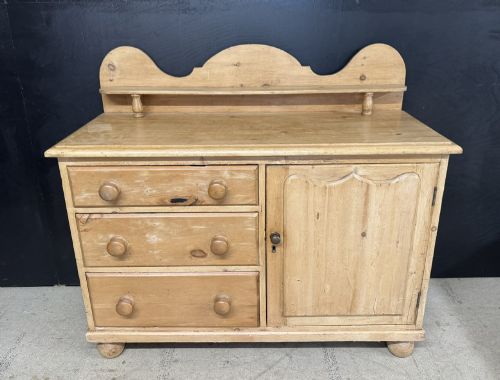
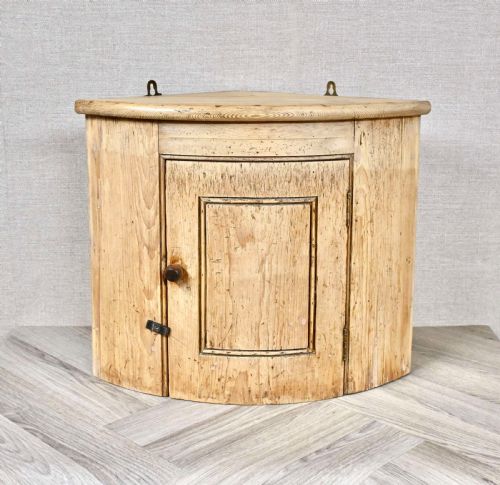
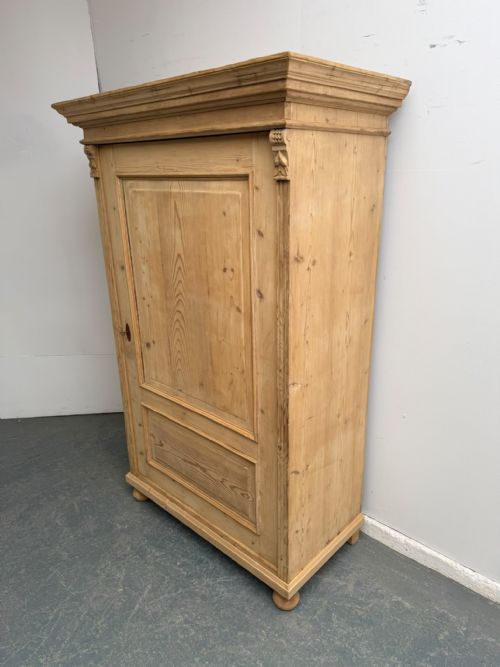
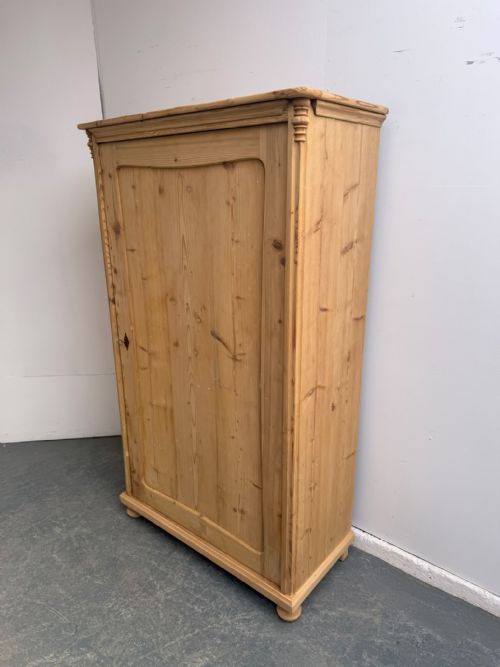
When you search for a stripped pine storage unit, you encounter pieces originating primarily from the Victorian and Georgian periods, alongside early twentieth-century examples. The selection spans various utilitarian forms including cupboards, dressers, chests of drawers, and corner cabinets.
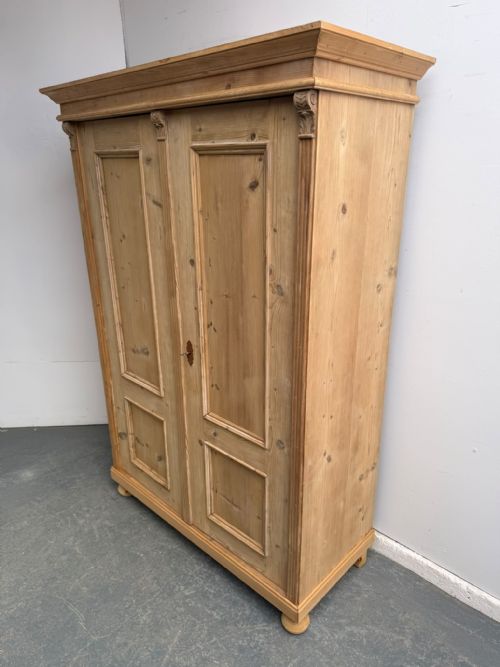
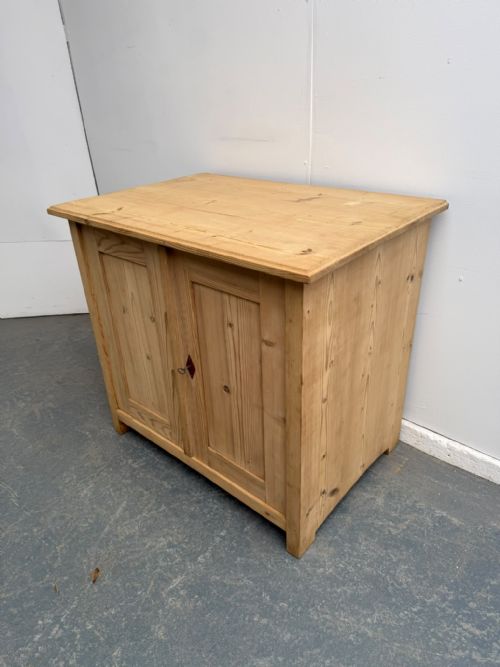
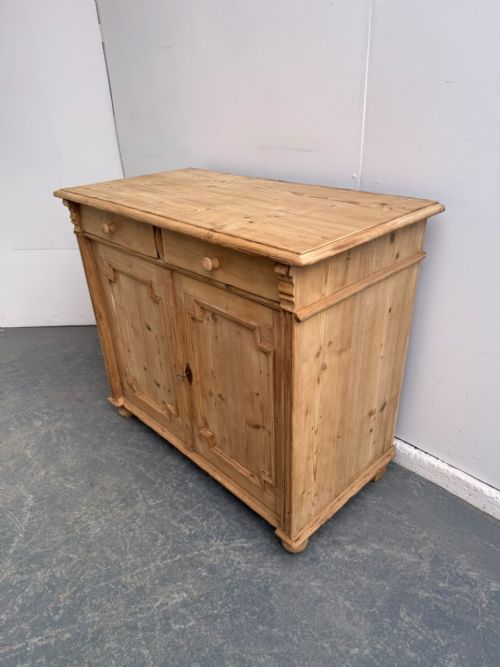
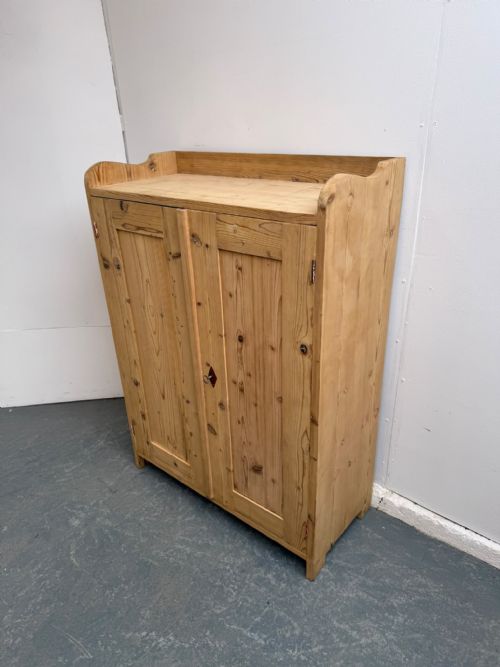
You are most likely to meet two-door storage cupboards and dresser bases on this page, often stripped back to reveal the natural grain of the timber. These functional items reflect regional domestic needs from eras spanning the nineteenth and early twentieth centuries.
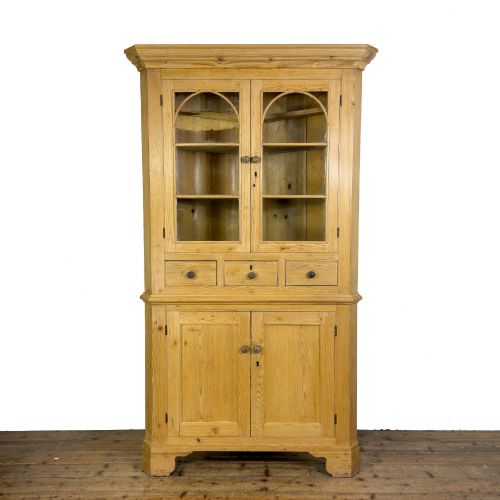
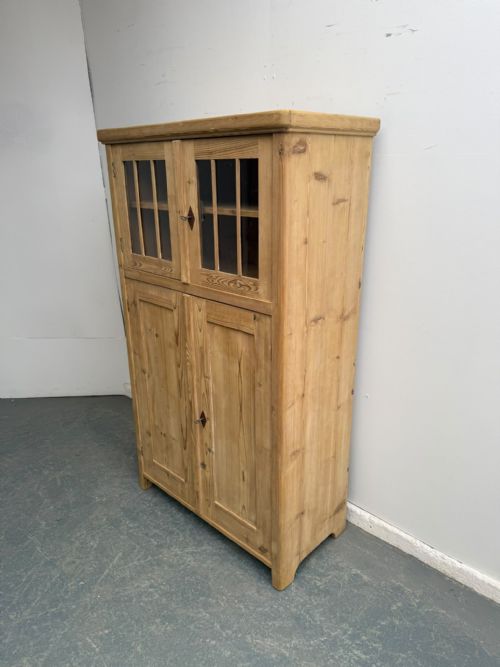
The objects range from compact corner cupboards to large four-door glazed storage cabinets and wide drawer units. Their utility remains central, serving as practical furniture for modern living spaces while retaining their original period construction.
Materials and construction
The primary material across these listings is pine, complemented by iron and brass hardware such as hinges and handles. Some pieces incorporate glass panels within glazed cabinet doors.
Construction techniques include fielded panels, beaded details, and functional drawers integrated into dresser bases and cupboards. Certain items are designed to partially dismantle for transport, reflecting practical nineteenth-century cabinet-making.
What determines quality
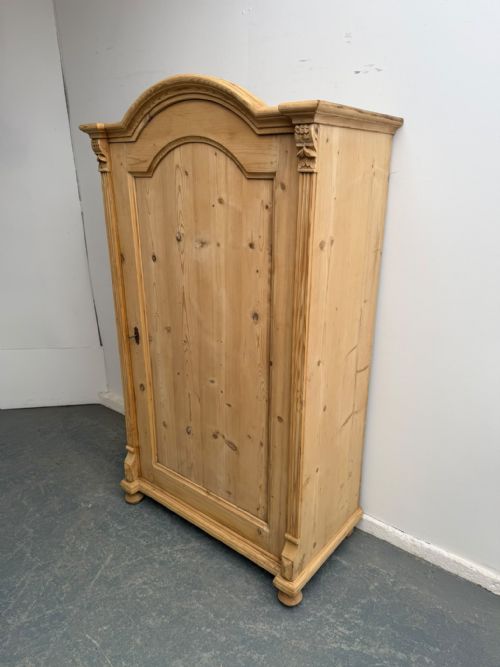
Quality rests in the proportion of the piece, the integrity of the original timber, and the subtlety of period details like beaded framing or arched doors. A well-fitted interior and sound structural joinery distinguish better examples.
The execution of the stripping process matters significantly, preserving the texture and colour of the pine without masking the underlying grain. Hardware originality and the balance of drawers to doors also influence the standing of the piece.
The Stripped Pine Storage Unit Glossary
- Pine
- A softwood commonly used in British country furniture for its workability and distinct grain pattern. It takes wax and paint finishes readily.
- Dresser Base
- The lower section of a kitchen dresser, typically comprising cupboards and drawers without the upper plate rack. It functions well as a standalone sideboard.
- Fielded Panel
- A cabinet door panel with bevelled edges that fit into a grooved frame, allowing the wood to expand and contract with humidity changes. This construction method prevents splitting.
- Corner Cabinet
- A specialised storage unit designed to fit snugly into the corner of a room, maximising floor space. These often feature curved or bow fronts.
- Beaded
- A small decorative moulding carved into the edge of a board or frame, adding subtle relief to flat surfaces.
Stripped Pine Storage Unit: Frequently Asked Questions
What is a stripped pine storage unit?
A stripped pine storage unit is a piece of antique or vintage furniture, typically from the Victorian or Georgian eras, cleaned of old paint or dark finishes to expose the natural timber. These items include cupboards, dressers, and chests.
They serve as practical furniture for organising spaces while bringing rustic character and warmth to interior schemes.
How were these cupboards used originally?
These units served domestic purposes in kitchens, pantries, and bedrooms for storing provisions, linens, and household goods. Their sturdy construction handled heavy daily use in period homes.
Today, they adapt easily to modern rooms for hiding clutter, storing tableware, or acting as living room media bases.
How do I care for stripped pine?
Stripped pine benefits from regular application of a quality beeswax to nourish the dry wood and protect the surface from moisture. Avoid placing timber furniture in direct sunlight or near heat sources.
Dust gently with a soft cloth and address spills promptly to maintain the natural finish of the antique pine.
How can I tell the period of a pine cupboard?
Dating relies on construction methods, hardware types, and design styles associated with periods like the Georgian or Victorian eras. Hand-cut dovetails and pegged joints often suggest older craftsmanship.
Examining the backboards, interior timber, and locking mechanisms provides further clues to whether a piece originates from the nineteenth or early twentieth century.