
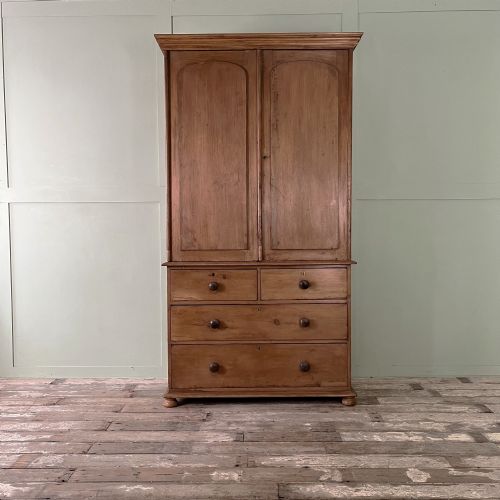
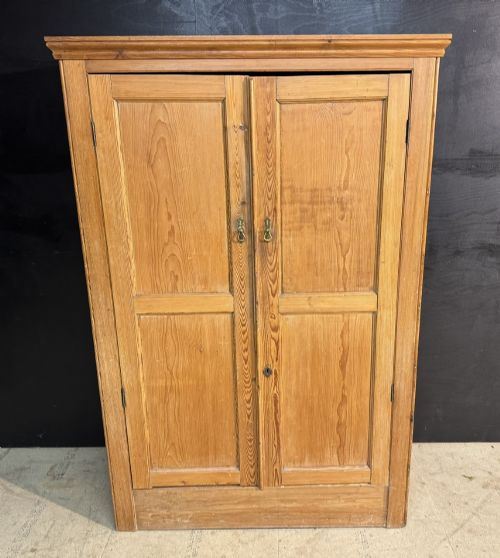
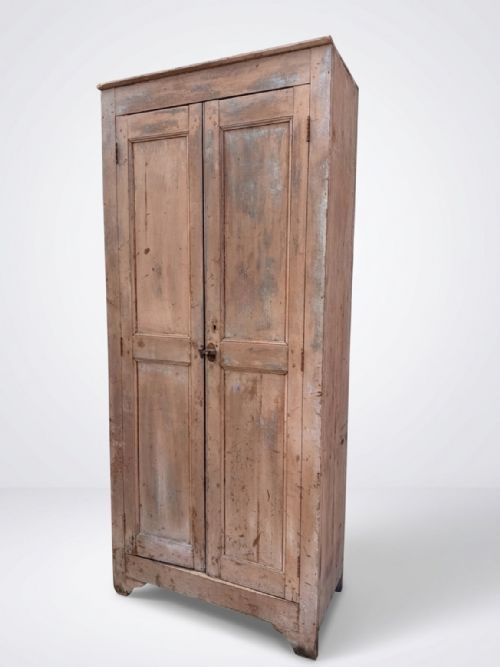
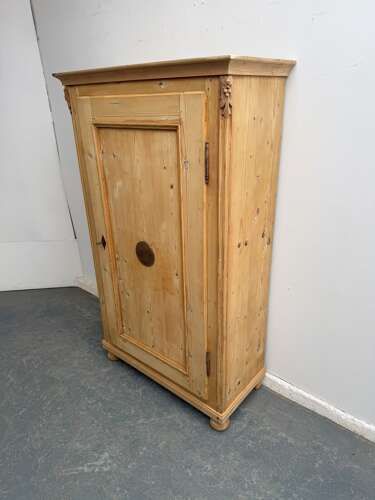

Natural Pine Larder
Natural pine larder pieces offer robust domestic storage, combining utilitarian timber construction with regional country charm for practical modern kitchens.
Natural Pine Larder
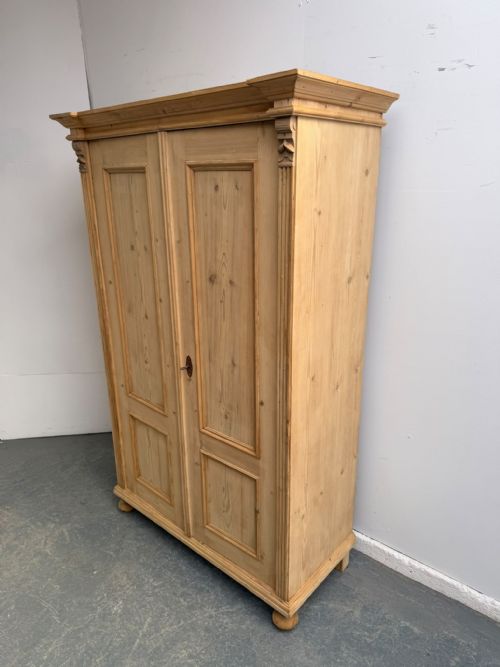
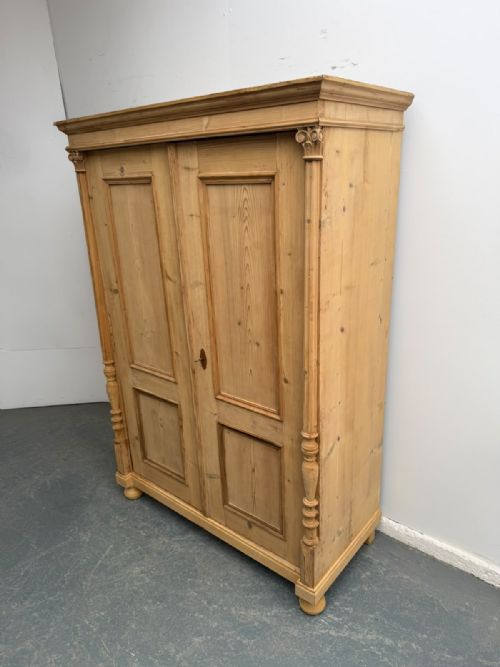
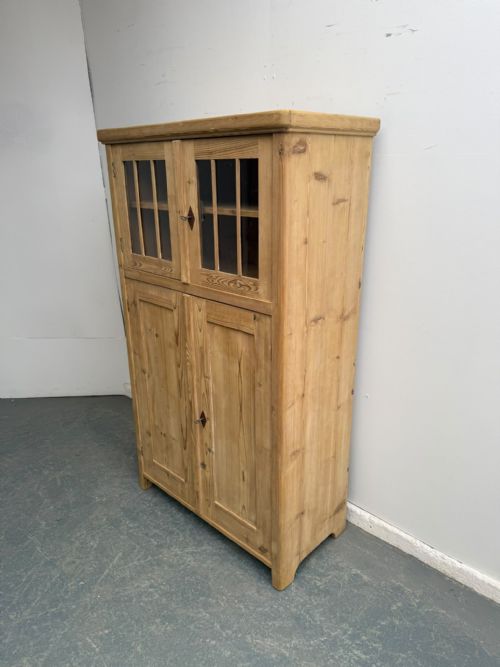
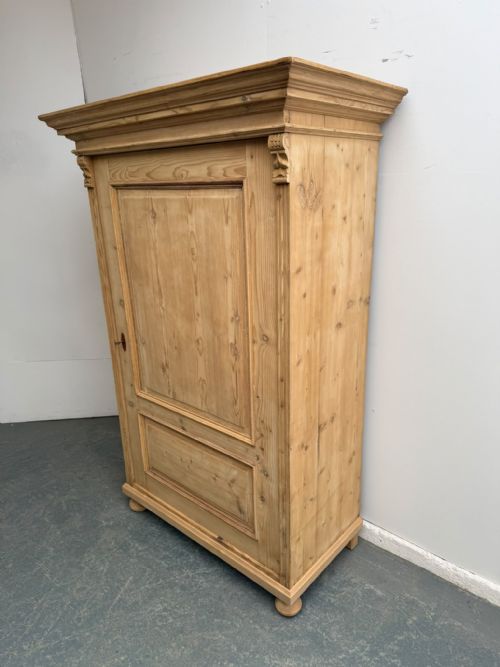
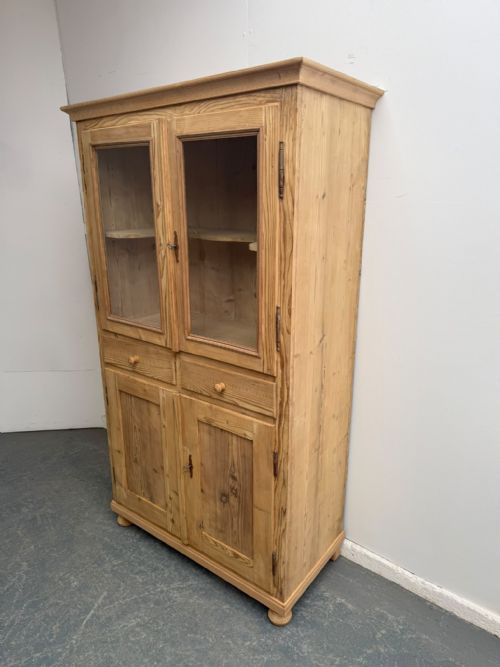
A natural pine larder search brings up tall utilitarian cupboards, kitchen dressers, and storage cabinets designed for food preservation and dry goods. The most common examples met on this page date from the Victorian period and the nineteenth century, though earlier Georgian and later nineteen-ten items appear.
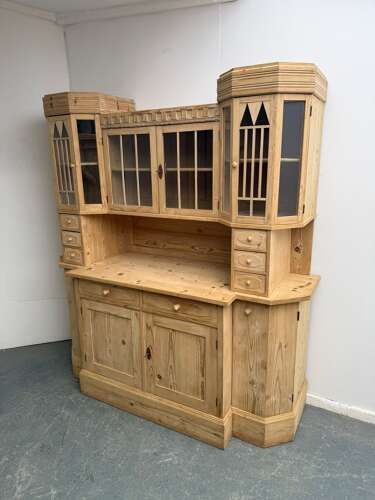
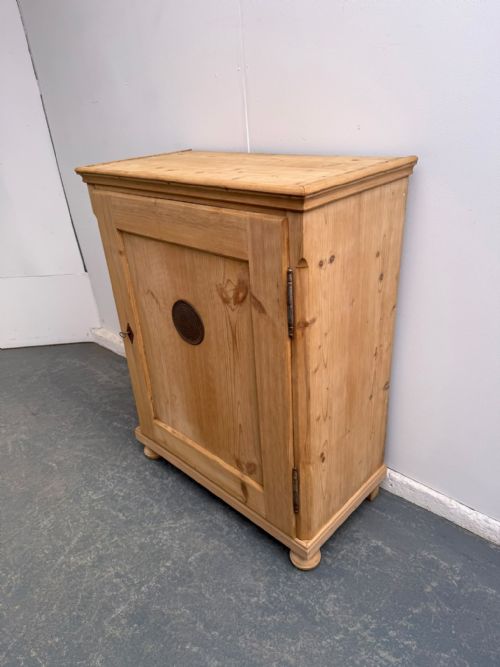
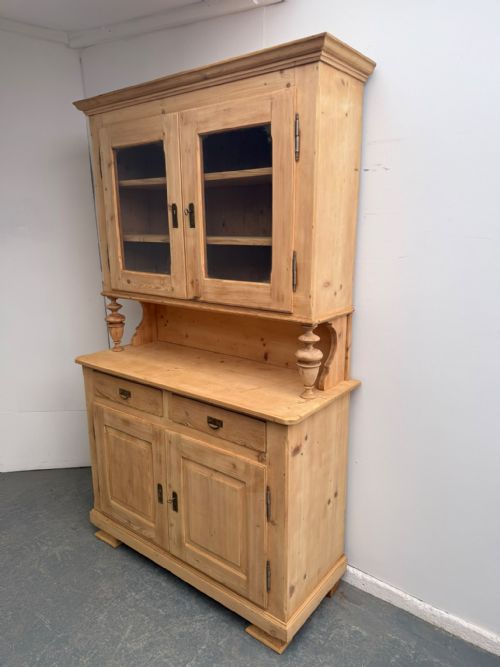
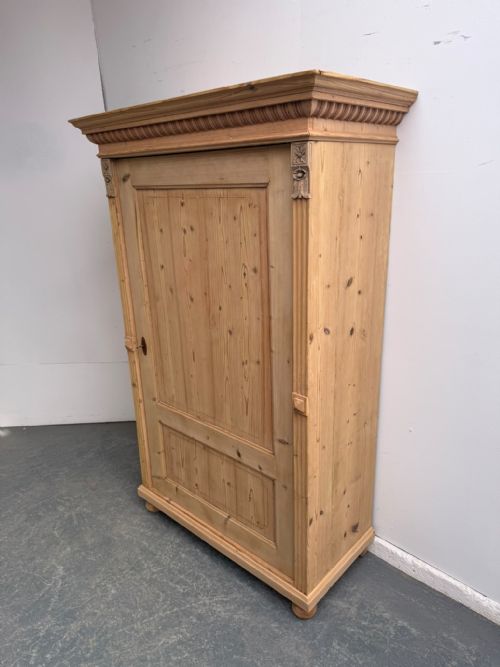
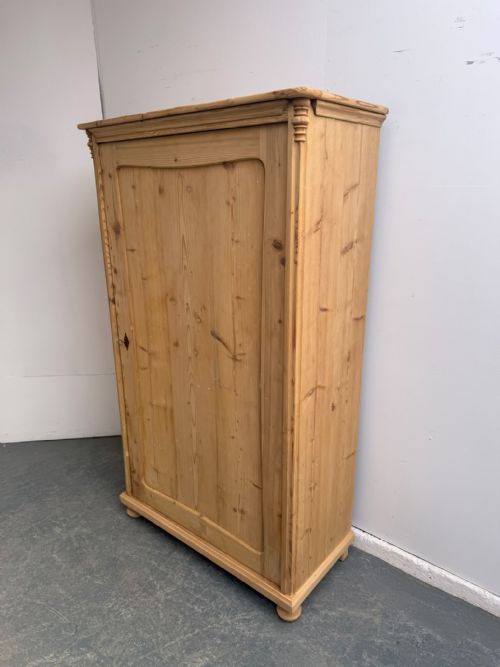
Forms range from single-door vented cupboards and shallow storage units to large four-door glazed display cabinets and two-piece kitchen dressers. Origins span local English and French country workshops alongside East European and Japanese examples.
These pieces function primarily as kitchen storage, providing adjustable shelving, drawers, and ventilated compartments for provisions. Buyers encounter constructions finished in bare wax or left ready for painting.
Materials and construction methods
Makers built these larders predominantly from solid pine, utilising cedar for internal components in specific regional pieces. Iron and brass hardware, including hinges and latches, secure doors alongside glass panes fitted to upper display cabinets.
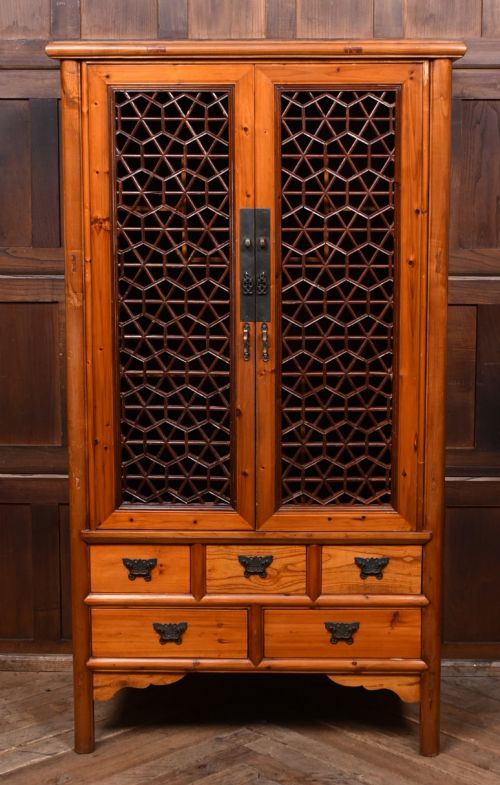
Joinery relies on traditional techniques appropriate for utilitarian furniture, featuring beaded detailing, fielded panels, and carved accents on select fronts. Ventilation panels often incorporate pierced metal or mesh inserts to maintain airflow for food storage.
Listings feature pine alongside cedar, iron, brass, and glass across Victorian, Georgian, and Arts and Crafts styles.
Factors that distinguish quality
Quality rests on the integrity of the timber framing, the proportion of original hardware, and the retention of internal configurations like adjustable shelving. Heavier cornices, well-fitted doors, and crisp panel moulding distinguish finer examples from standard utility pieces.
The degree of original survival, such as untouched vented panels and intact glazing, separates well-preserved specimens from heavily altered or restored items.
The Natural Pine Larder Glossary
- Fielded panel
- A wooden panel with bevelled edges designed to fit securely within a grooved frame while allowing for wood movement. This technique prevents splitting as timber reacts to humidity changes.
- Vented cupboard
- A storage piece featuring pierced metal or mesh panels in the doors to circulate air. These openings kept stored food cool and fresh before mechanical refrigeration.
- Kitchen dresser
- A dual-purpose form combining lower storage cupboards with upper open shelves or glazed display cabinets. They served as central workspace and storage units in country houses.
- Beaded cupboard
- Furniture featuring narrow semi-circular mouldings applied to edges or boards for decorative relief. This detail adds texture to plain timber surfaces.
Natural Pine Larder: Frequently Asked Questions
How do I use a pine larder today?
These tall cupboards provide deep vertical storage suitable for kitchen provisions, crockery, or pantry items. Adjustable shelving allows you to configure the interior space for modern dry goods and cookware.
Position them in kitchens or utility rooms where their traditional proportions add practical storage capacity and rustic character.
Are these larders suitable for food storage?
Vented models originally kept dairy and dry goods fresh through natural airflow. The slatted or mesh doors continue to offer breathable storage for root vegetables and pantry staples.
Ensure the interior is clean and treated with appropriate natural waxes before storing consumables directly on the timber shelves.
How do I tell Victorian pine from Georgian pine?
Georgian pieces typically display heavier structural proportions, simpler internal layouts, and distinct moulding profiles associated with eighteenth-century joinery. Victorian examples often introduce more varied door configurations, glazed display sections, and standardised hardware.
Examining the construction methods inside the cabinet helps confirm the period of manufacture.
Can I paint a waxed pine larder?
Many listings describe pieces ready to wax or paint, allowing you to adapt the finish to your interior scheme. Removing existing wax layers ensures proper paint adhesion.
Applying a primer suitable for softwood prevents resin bleed-through from the pine timber over time.