
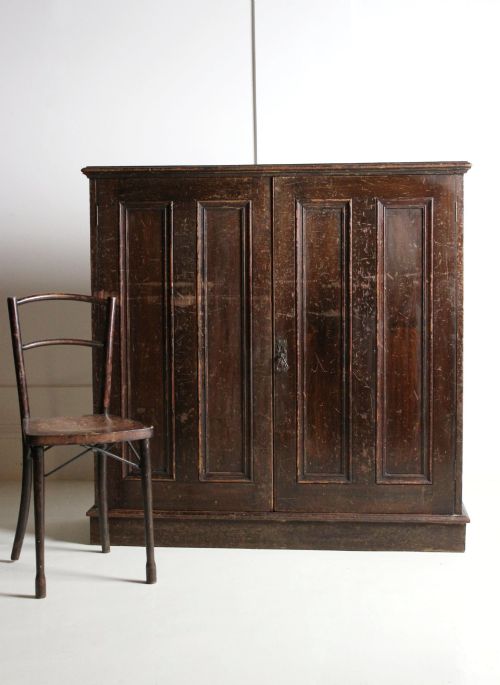
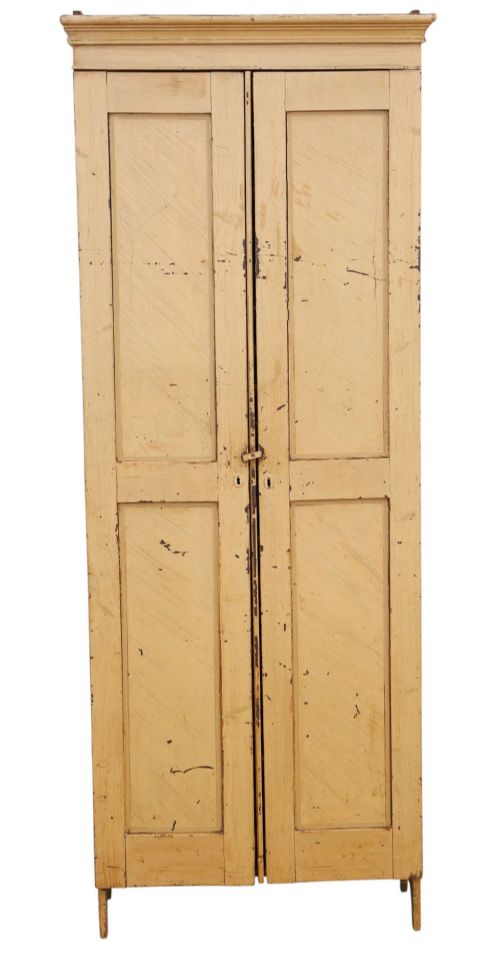
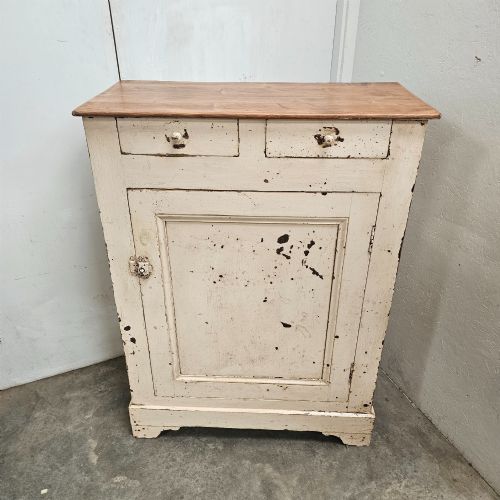
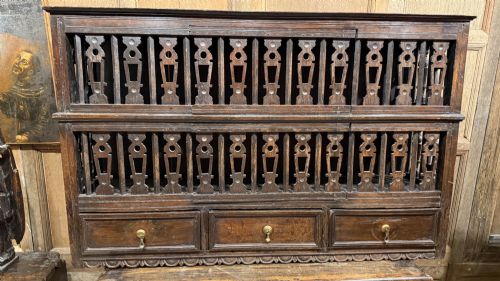


Antique Wooden Food Safe
An antique wooden food safe is a utilitarian storage piece built to protect provisions, and buyers seek them for rustic kitchen character.
Antique Wooden Food Safe
An antique wooden food safe is a practical storage piece originally designed to keep perishables away from insects and animals before modern refrigeration. These cupboards appear in regional styles such as French Provincial, Scandinavian Country, and Victorian Country.
The pieces on this page span several centuries, reaching back to the seventeenth century and moving through the Georgian and nineteenth-century periods. Formats range from wall cabinets and larder cupboards to tall housekeeper cupboards and specialised bread safes.
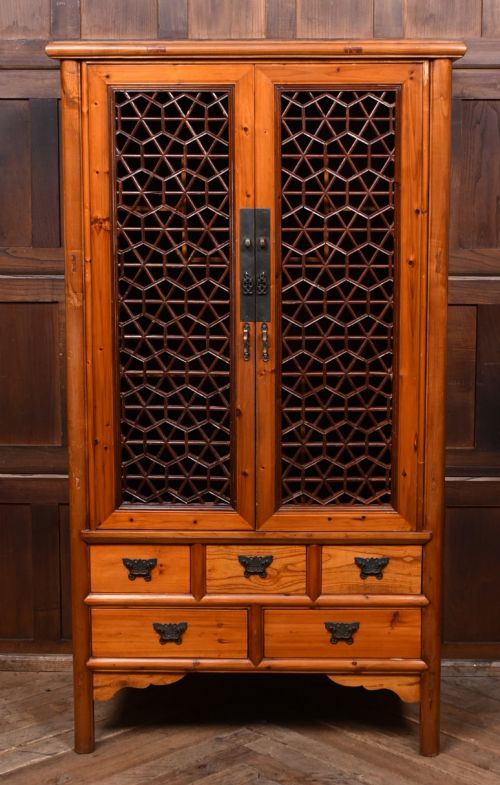
Pine and oak form the backbone of these listings, alongside walnut, chestnut, and painted surfaces. Buyers most frequently meet nineteenth-century pine examples modified with ventilated doors or mesh panels for household storage.
What varies in quality
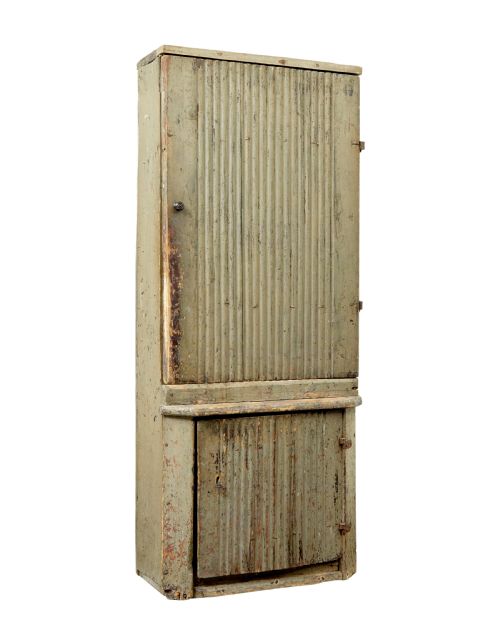
The distinction between standard utility pieces and finer examples rests on the choice of timber and the integrity of original construction. Solid hardwoods like oak and walnut command attention alongside pine surfaces retaining authentic period paint.
Hardware preservation alters the character of a piece, with original blacksmith locks and hinges indicating a higher degree of survival. Regional carving and intact structural joinery separate simple storage boxes from distinguished vernacular furniture.
Materials recorded across the inventory include pine, oak, walnut, chestnut, iron, and brass.
The Antique Wooden Food Safe Glossary
- Panetière
- A traditional French food cupboard or bread safe featuring spindle-turned galleries for ventilation. These cabinets kept loaves safe from rodents in provincial kitchens.
- Larder cupboard
- A tall storage unit designed for food provisions before the domestic refrigerator. They often combine shelves, drawers, and ventilated panels.
- Housekeeper cupboard
- A large storage cabinet used in country houses for linens, dry goods, or provisions. They usually feature multiple doors and internal shelving.
- Primitive country
- A descriptor for vernacular furniture made by local joiners rather than urban workshops. These objects prioritize function over academic stylistic rules.
- Confiturier
- A small French cupboard originally built to store pots of confit meat or preserves. They typically have a single door above a small drawer.
Antique Wooden Food Safe: Frequently Asked Questions
What is an antique wooden food safe?
An antique wooden food safe is a domestic cabinet built to store food away from pests before mechanical refrigeration existed. They rely on ventilated panels, mesh, or turned spindles to allow air circulation while protecting provisions.
These cupboards range from small wall-hanging cabinets to tall freestanding housekeeper units. They were essential furniture in historic kitchens across Britain, France, Scandinavia, and beyond.
How do I tell an 18th century safe from a 19th century one?
Eighteenth-century pieces typically employ heavier hardwoods like oak or walnut, often featuring hand-forged iron hardware and pegged joinery. Their construction reflects the work of traditional rural joiners.
Nineteenth-century examples frequently utilise pine, sometimes with painted finishes or applied folk art carvings. The widespread adoption of factory-made screws and machine-sawn timber points toward the later period.
Were these cupboards painted originally?
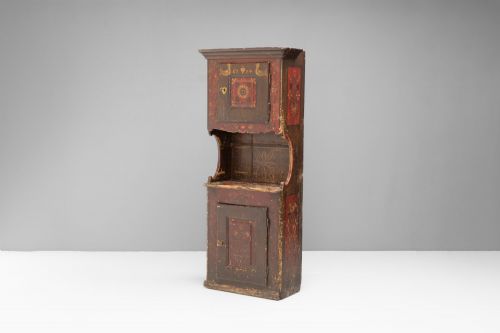
Many regional cupboards received coats of paint to protect the softwood or to match provincial interior aesthetics. Scandinavian and French pieces frequently display historic painted finishes.
Over time, owners stripped or repainted these surfaces, so finding original pigment adds historical interest. Painted pine examples often show attractive craquelure and weathering from decades of kitchen use.
How can I use a food safe in a modern home?
These cabinets serve well in contemporary kitchens or dining rooms for storing tableware, linens, or dry goods. The ventilated doors that once kept flies away now offer textural interest and visibility for displayed items.
Tall larder cupboards function as pantry spaces, while smaller wall cabinets fit easily into hallways or bathrooms. Their versatile proportions suit both rustic interiors and modern spaces needing character.