
Vintage Kitchen Storage Cupboard
A vintage kitchen storage cupboard brings honest utility and timeless character to domestic spaces, drawing on robust 19th-century traditions.
Vintage Kitchen Storage Cupboard
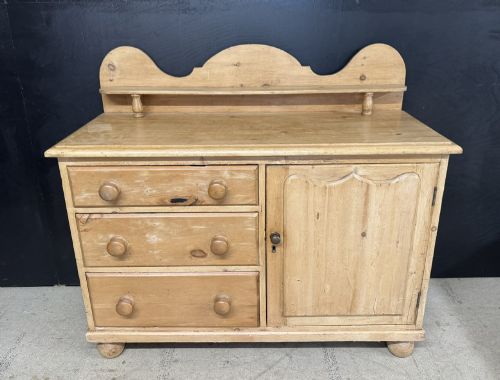
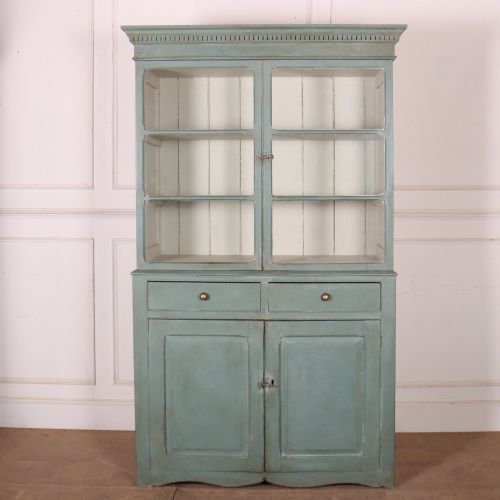
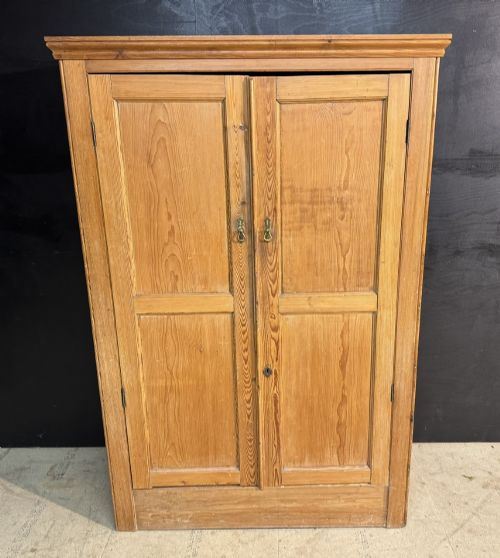
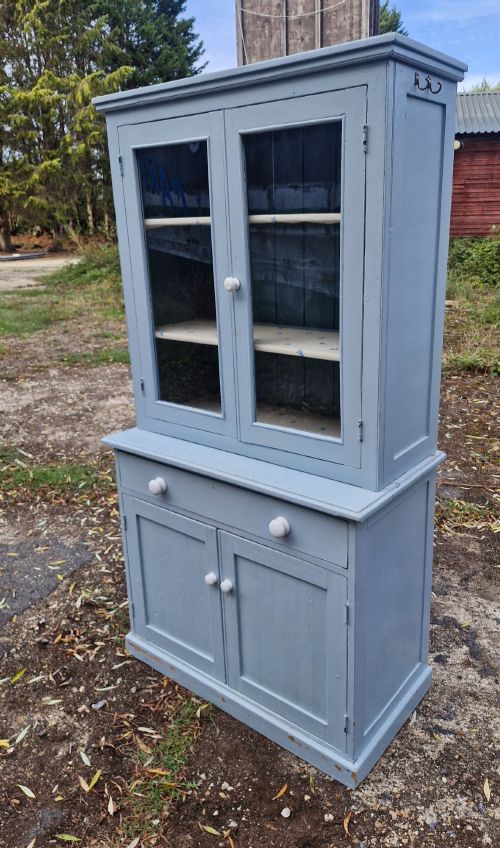
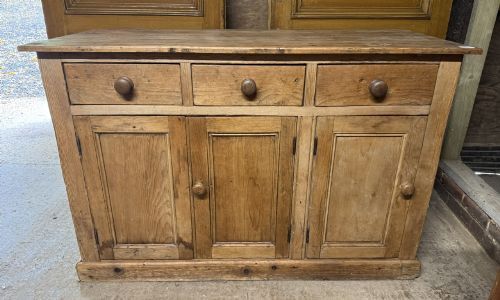
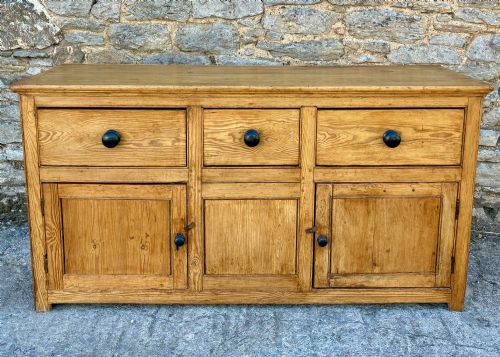
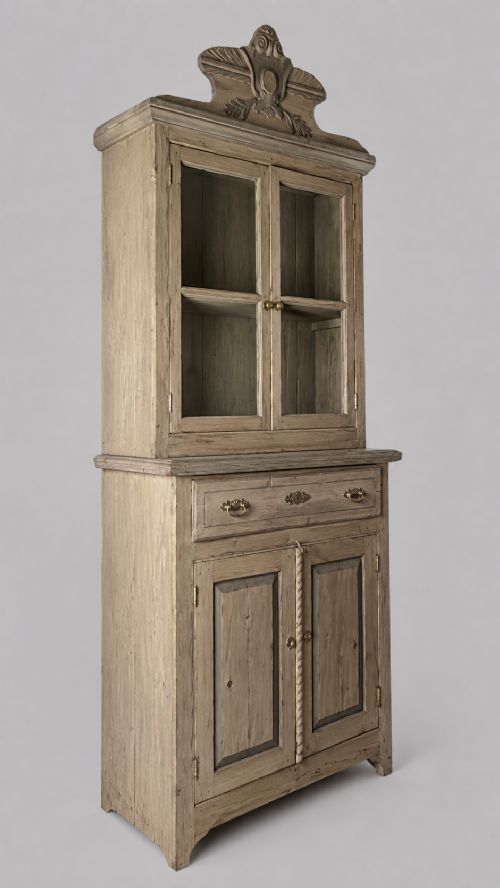
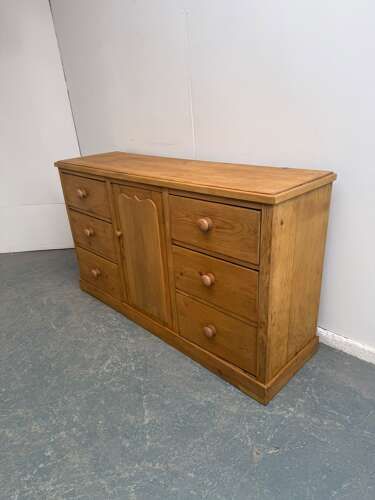
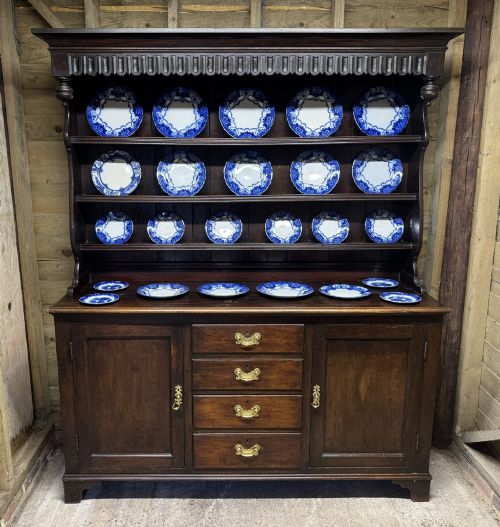
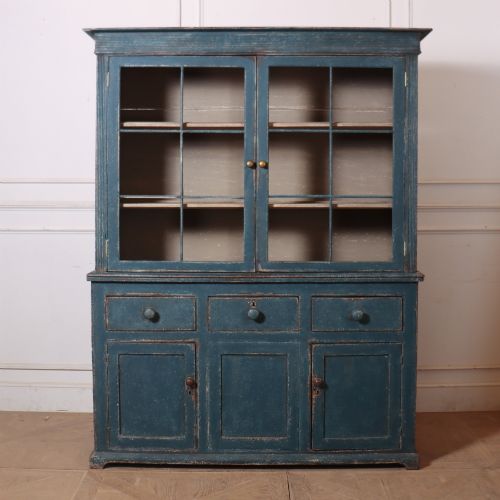
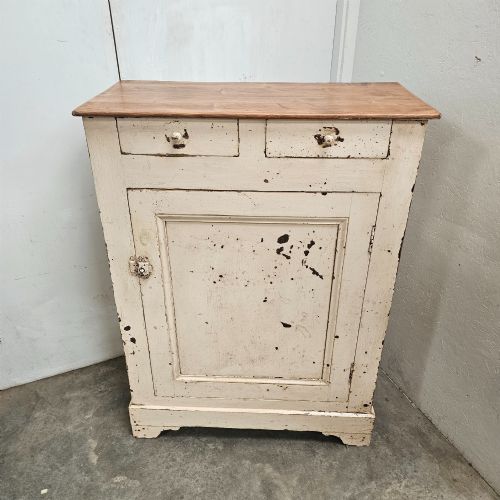
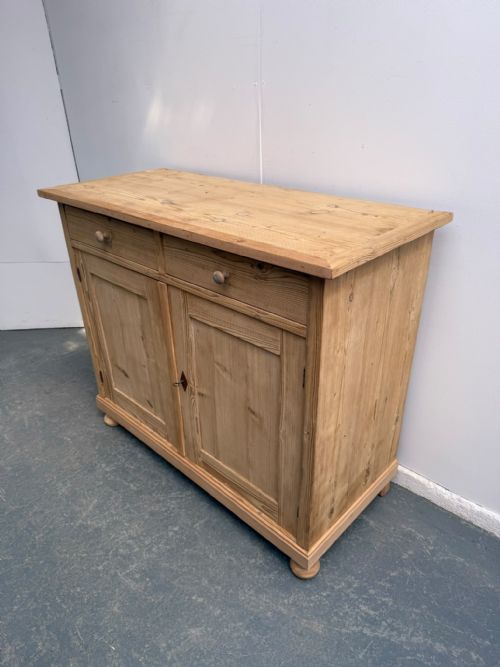
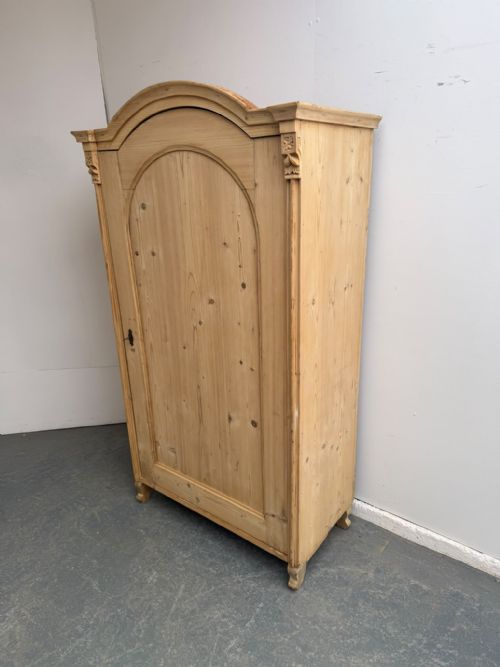
A vintage kitchen storage cupboard spans hardworking practical forms such as larder cupboards, housekeeper's cupboards, and dresser bases designed for daily domestic use. Buyers encounter pieces originating from English, Welsh, French, and Scottish country traditions, built to hold provisions, crockery, and utensils.
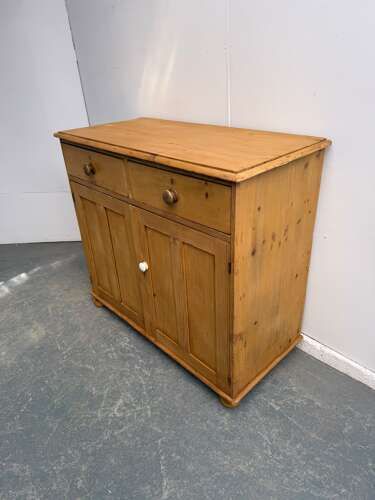
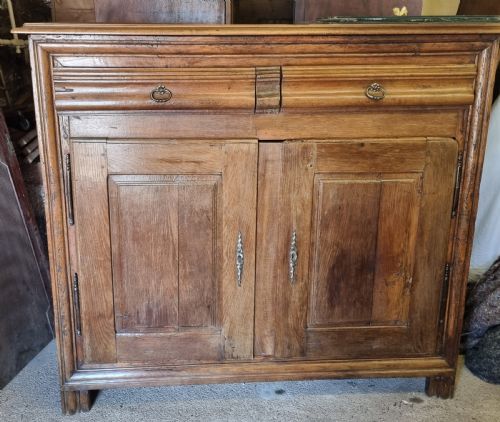
The selections on this page lean heavily toward 19th-century pine and oak examples, alongside 18th-century country pieces and early 20th-century variations. Common configurations include two-door cupboards, glazed cabinets, and multi-drawer dresser bases equipped with plate racks.
Regional variants like Welsh dressers and French provincial confituriers offer distinct proportions and storage layouts tailored to rural homes. These robust items serve as functional focal points in modern kitchens and dining spaces.
How they were made
Construction relies primarily on solid pine, oak, and fruitwood, selected for structural stability and durability in busy domestic environments. Cabinet makers utilised traditional joinery methods, assembling carcases and doors to withstand heavy daily use.
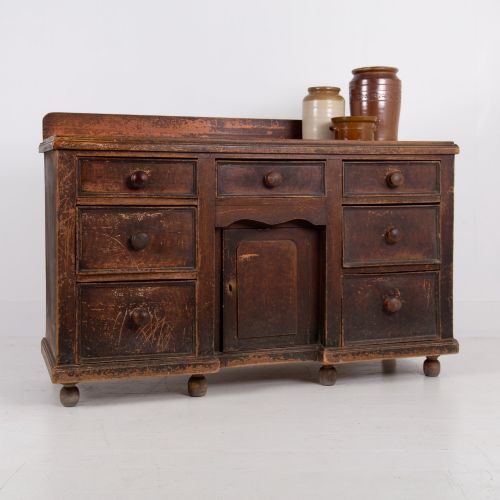
Surfaces frequently display original paint finishes, historic wax treatments, or exposed timber grain developed through decades of domestic service. Hardware components such as brass handles and iron hinges secure doors and drawers while adding functional detail.
Several Victorian cupboards arrive ready to wax or paint, offering a blank canvas for domestic customisation.
What varies in quality
Quality rests upon the integrity of the original timber and the retention of authentic surface finishes, whether historic paint or aged waxed pine. Pieces retaining their original hardware, uncompromised backboards, and stable structural joints command greater interest.
Proportion and regional character distinguish standard utility furniture from finer vernacular examples. Well-balanced cornices, panelled doors, and harmonious drawer arrangements elevate the visual presence of a country cupboard.
The Vintage Kitchen Storage Cupboard Glossary
- Dresser base
- A low cabinet featuring drawers and cupboards, often surmounted by a plate rack in full dresser configurations.
- Larder cupboard
- A tall storage unit traditionally used for keeping food cool, frequently featuring panelled or vented doors for air circulation.
- Confiturier
- A small French jam cupboard designed for storing preserves and household provisions.
- Housekeeper's cupboard
- A large storage cabinet originating in large country houses, utilised for linens, dry goods, and kitchen equipment.
- Plate rack
- Open shelving attached to the upper section of a dresser, designed to display ceramic plates upright.
Vintage Kitchen Storage Cupboard: Frequently Asked Questions
How do I use a vintage cupboard in a modern kitchen?
These cupboards provide practical freestanding storage for dry goods, crockery, and cookware, replacing fitted units with freestanding character. Their substantial proportions make them ideal focal points for dining rooms or farmhouse kitchens.
Ensure adequate clearance for doors and drawers before placing the unit, and consider anchoring taller cupboards to the wall for stability.
What is the difference between pine and oak cupboards?
Pine cupboards offer a softer, lighter timber that is frequently found with painted surfaces or warm waxed finishes. Oak furniture provides a denser, heavier build associated with formal country styles and darker patination.
Both timbers respond well to routine maintenance using traditional beeswax or gentle cleaning methods suited to historic surfaces.
How can I date a country dresser base?
Dating relies on construction techniques, timber choice, and hardware styles observable across the piece. Hand-cut dovetails, tool marks, and original hinges help establish whether a cupboard dates to the Georgian, Victorian, or Edwardian periods.
Surface patination and layers of historic paint also provide reliable clues regarding the age and active history of the cabinet.
Are painted finishes on these cupboards original?
Some pieces retain their original factory or domestic paint schemes, while others feature later decorative over-painting applied during their long working life. Original paint displays natural wear and craquelure consistent with age and use.
Examining the underlying timber edges and interior surfaces helps determine the history of the finish.