


Country Kitchen Pantry Cupboard
A country kitchen pantry cupboard brings honest utility and vernacular character to a modern interior, offering generous storage built for daily use.
Country Kitchen Pantry Cupboard
A country kitchen pantry cupboard is a piece of utilitarian storage furniture designed for food preservation and provisions, spanning formats from narrow tall units to substantial housekeeper's cupboards and breakfront dressers. These items emerge primarily from the eighteenth and nineteenth centuries, reflecting regional English vernacular traditions in domestic organisation.
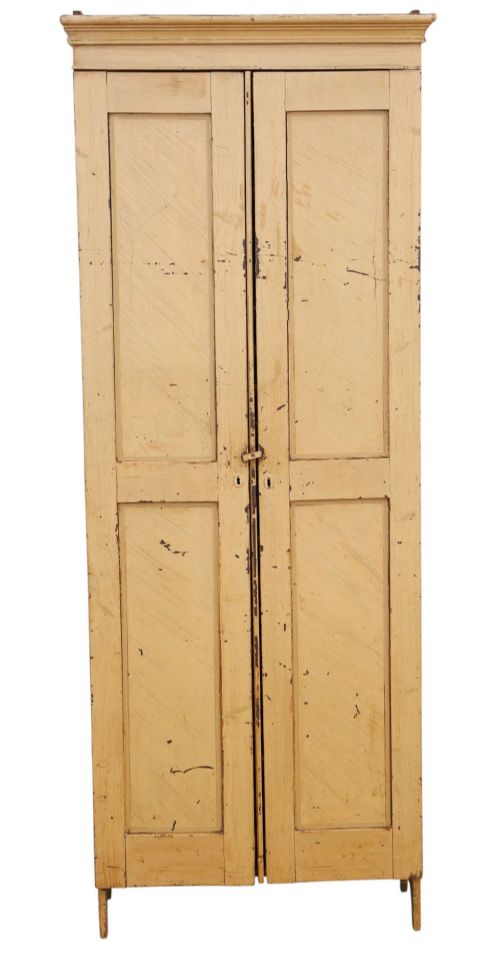
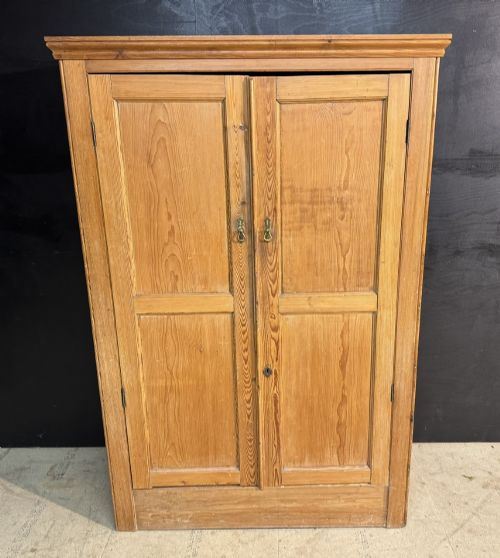
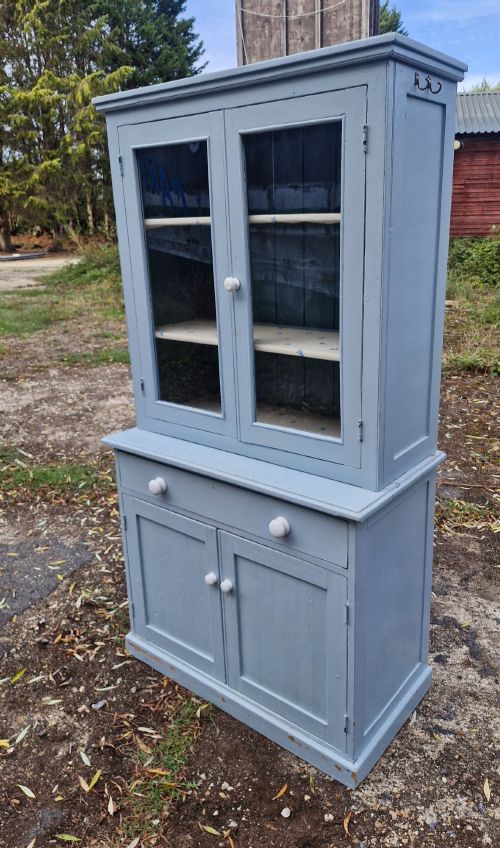
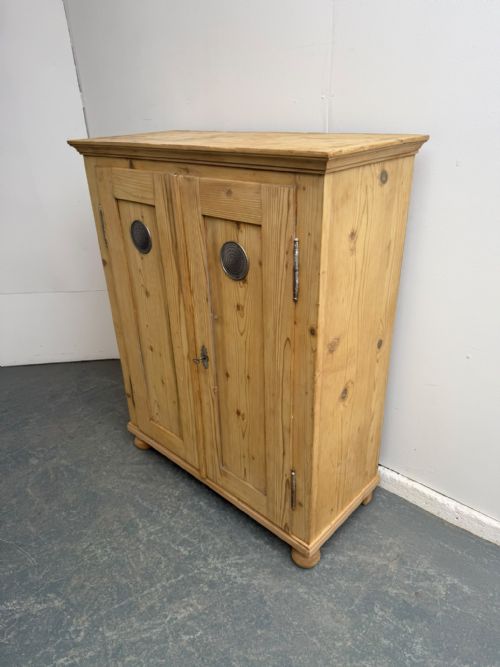
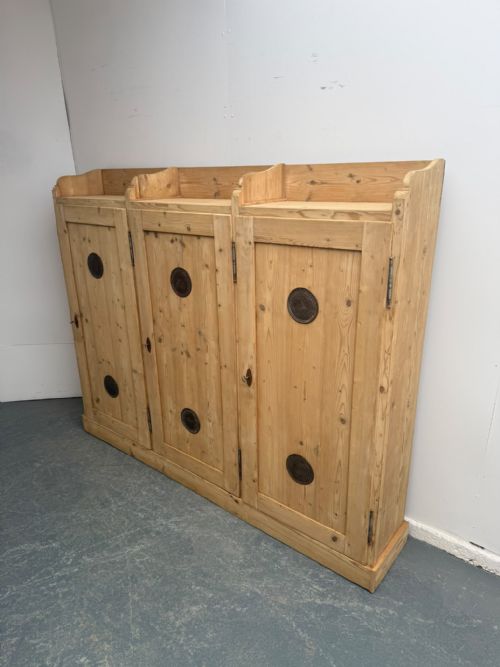
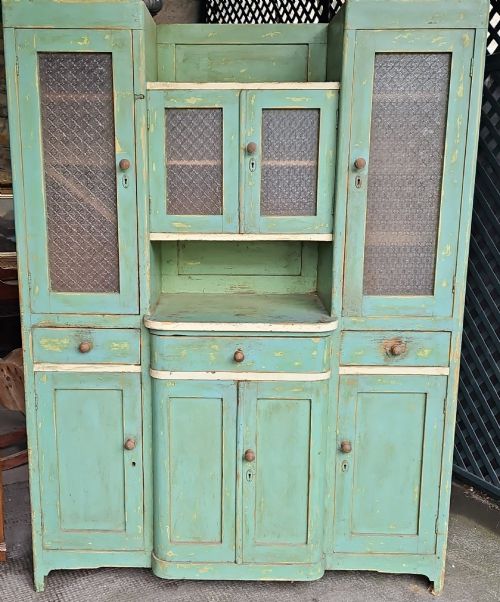
The version most commonly met on this page is the pine kitchen or larder cupboard, often found with painted surfaces or natural waxed timber finishes. Pieces range from single-door vented designs and two-part cabinets to large four-door larders and bread and cheese cupboards built for practical farmhouse life.
Origins stretch across Georgian, Victorian, and Edwardian periods, taking stylistic cues from rustic farmhouse and regional vernacular workshops. Their forms prioritize functional capacity through deep shelving, internal compartments, and occasionally wire or slatted ventilation panels for perishables.
Materials and construction methods
Construction relies heavily on solid pine, alongside occasional examples in oak, shaped by traditional regional joinery techniques. Surfaces frequently display layers of historic paint or exposed timber finished with wax, bearing the marks of generations of domestic use.
Functional iron and brass hardware such as hinges, latches, and ventilation grilles are integrated directly into the carcass design. Two-part construction appears on larger tall cupboards and dressers to ease transport and placement within domestic spaces.
Listings span the eighteenth, nineteenth, and early twentieth centuries, featuring forms built from pine, oak, and iron.
Evaluating quality and proportion
Quality in these utilitarian pieces rests upon structural integrity, timber selection, and the survival of original surface treatments like historic paint. Better examples maintain balanced proportions, sound joints, and original internal shelving without excessive structural replacement.
The presence of characteristic functional details, such as original ventilation panels, period hardware, and untouched multi-part construction, elevates a piece above standard utility items. The gradation runs from simple provincial work to finer housekeeper's furniture with architectural cornices and refined panel work.
The Country Kitchen Pantry Cupboard Glossary
- Housekeeper's cupboard
- A large storage cabinet traditionally used by a housekeeper to store linens, dry goods, and provisions. These substantial pieces often feature upper cupboard doors above a base of smaller drawers or lower doors.
- Larder cupboard
- A tall storage unit designed for keeping food cool and ventilated before the advent of mechanical refrigeration. They frequently incorporate perforated metal or mesh panels in the doors to allow air circulation.
- Bread and cheese cupboard
- A specialised regional food cupboard featuring pierced or vented panels designed to store dairy and bakery items securely. These cabinets kept perishables away from pests while allowing necessary airflow.
- Vernacular
- Architecture and furniture built by local craftsmen using traditional regional methods and local materials rather than high-style academic designs. This approach prioritizes practical utility over fashionable ornamentation.
- Breakfront
- A cabinet design where the central section projects forward from the flanking sections. This configuration adds visual depth and structural presence to larger kitchen dressers and storage furniture.
Country Kitchen Pantry Cupboard: Frequently Asked Questions
What is a country kitchen pantry cupboard?
A country kitchen pantry cupboard is a utilitarian storage piece historically used in farmhouses and large homes to store food, dry goods, and kitchen equipment. They range from simple single-door cabinets to large multi-door larder cupboards.
These pieces reflect regional English craftsmanship, utilising solid timbers like pine and oak. Their primary purpose was domestic organisation and food preservation before modern fitted kitchens existed.
How do I date an antique pine cupboard?
Dating relies on examining construction methods, tool marks, timber characteristics, and hardware style. Eighteenth-century pieces often show hand-planed surfaces and pegged joinery, while Victorian examples frequently utilise factory-milled boards and machine-cut nails.
Surface finishes also provide clues, as many nineteenth-century pieces retain layers of historic paint or original scrubbed pine patination. Comparing the proportions and door panel construction to documented period examples helps confirm the era.
How can I use a pantry cupboard today?
These cupboards adapt readily to modern homes as standalone kitchen larders, linen closets, or general living room storage. Their deep shelves and tall proportions provide exceptional capacity for tableware, dry goods, or books.
Placing one in a modern kitchen introduces warmth and historical character while solving practical storage shortages. They also function effectively in hallways or dining rooms as statement storage furniture.
What is the difference between a larder and a housekeeper's cupboard?
A larder cupboard was designed specifically for food storage and often includes vented panels or wire mesh for air circulation around perishables. They usually focus on vertical shelving for provisions.
A housekeeper's cupboard is typically a larger, multi-purpose piece associated with managing a substantial household, frequently combining upper linen storage with lower drawer or cupboard space for diverse domestic supplies.