






Country House Wall Decor
Country house wall decor brings together centuries of estate finds, from framed paintings to taxidermy, that instantly create a lived-in English interior.
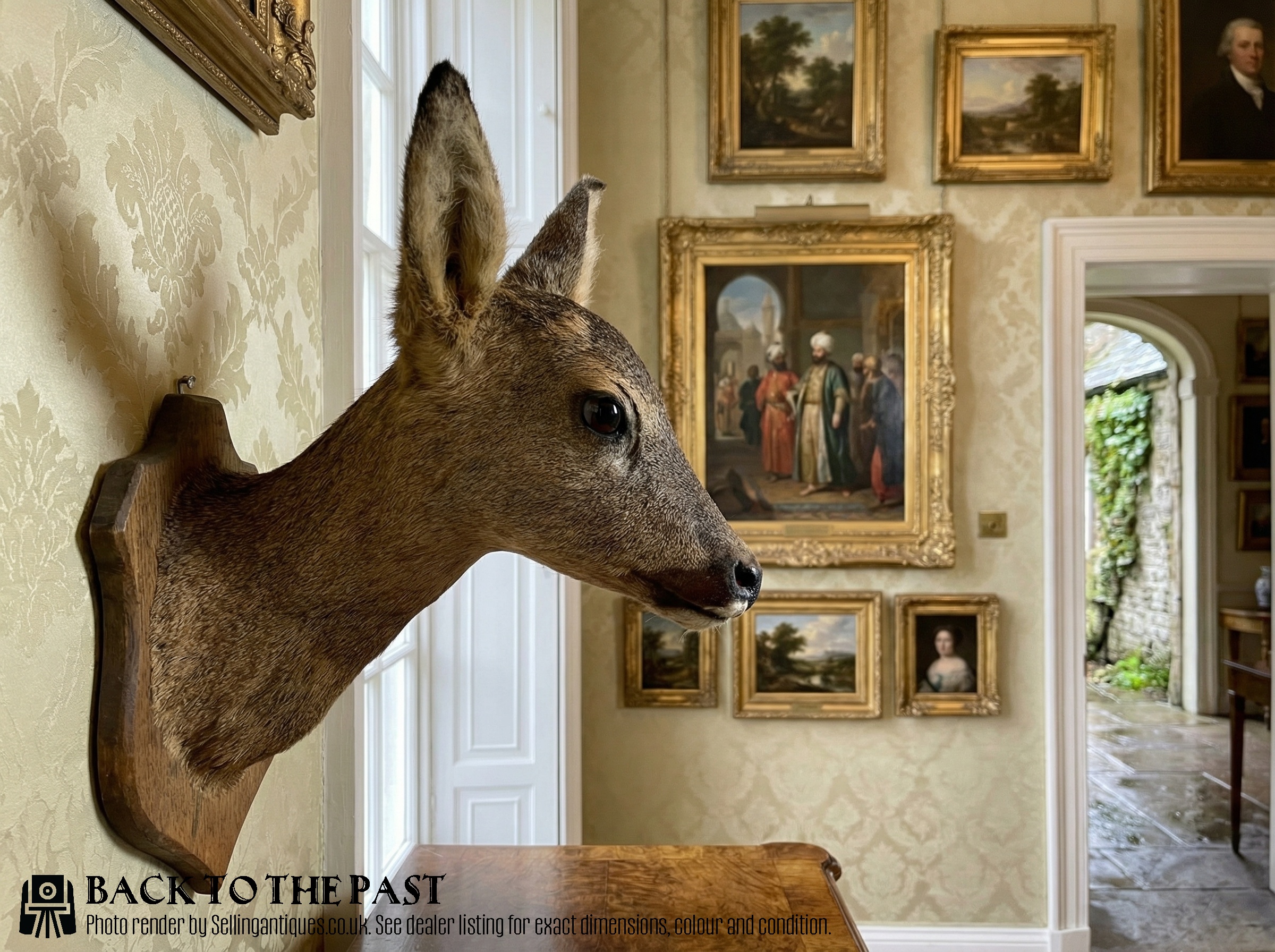
Understanding Country House Wall Decor
Country house wall decor encompasses a diverse range of items designed to ornament estate interiors, drawing heavily on agricultural, pastoral and sporting themes. When exploring this selection, buyers frequently encounter framed paintings, textiles and natural history specimens that reflect traditional British tastes.
The objects span multiple eras, including pieces from the eighteenth, nineteenth and early twentieth centuries. Styles represented across these items range from Georgian and Victorian country to Edwardian, highland lodge and pastoral realism.
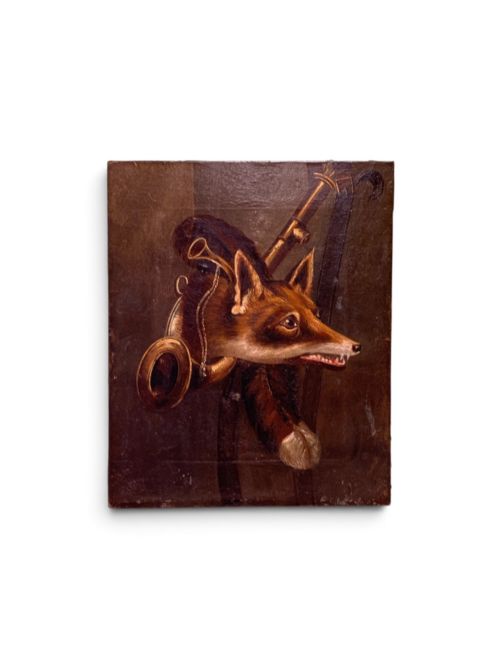
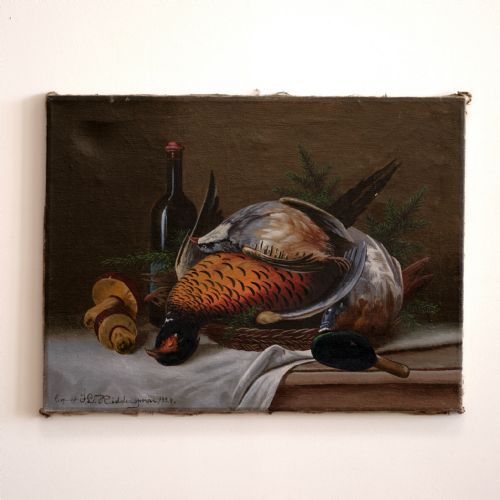
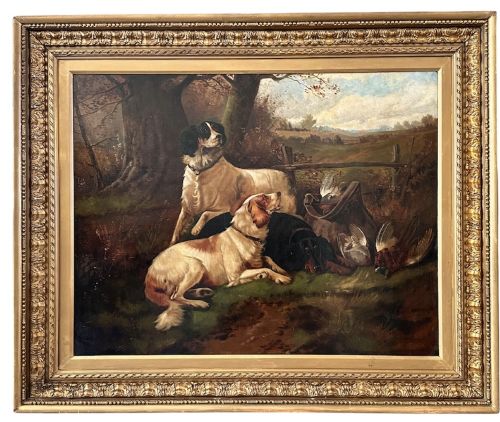
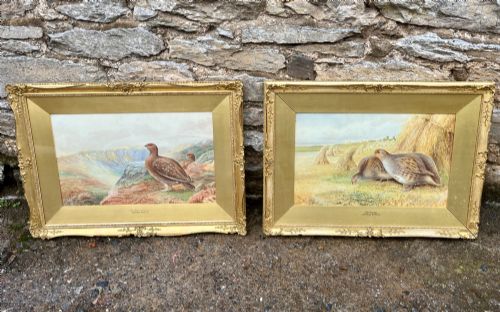
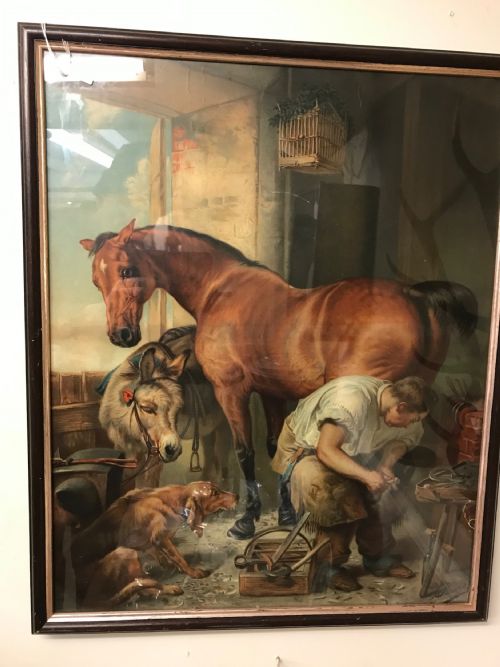
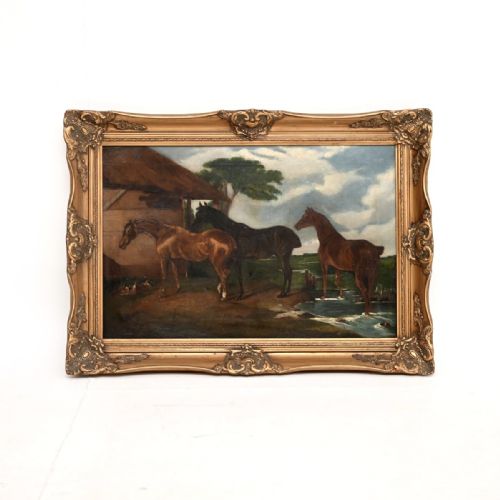
Forms vary considerably to suit different interior spaces. Listings include oil paintings on canvas, watercolours of game birds, framed floral embroidery tapestries, wallpaper design samples and taxidermy mounts.
Materials and Methods
Makers and artisans utilised traditional materials such as oil paint on canvas, paper, watercolour and wool embroidery threads. Frames frequently incorporated giltwood and plain wood, often preserved beneath glazed protection.
Physical construction reflects the utilitarian and decorative needs of period properties. Items range from hand-printed wallpaper design samples to taxidermy preparations and agricultural tools adapted for display, such as ash hay rakes.
Retail Price Guide 2026
Typical UK retail prices for country house wall decor, calculated from the Sellingantiques database of over a million retail prices indexed since 2003. This retail price guide relies exclusively on Sellingantiques data; no external sources or auction records are used, so the figures do not describe the wider market.
Materials across these listings include oil paint, canvas, wool, paper, glass, giltwood and natural taxidermy specimens.
Assessing Quality and Character
Quality in country house wall decor rests upon the fidelity of the execution and the preservation of original materials. Finer oil paintings and watercolours demonstrate accomplished brushwork and anatomical accuracy in subjects like cattle and game birds.
Material integrity distinguishes superior decorative textiles and works on paper. Intricate detail in embroidery panels and crispness in hand-printed wallpaper samples indicate careful original craftsmanship and considerate survival over the decades.
The Country House Wall Decor Glossary
- Giltwood
- Wood that has been coated with gold leaf or a gold-coloured finish. This technique adds a warm metallic sheen to picture frames.
- Taxidermy
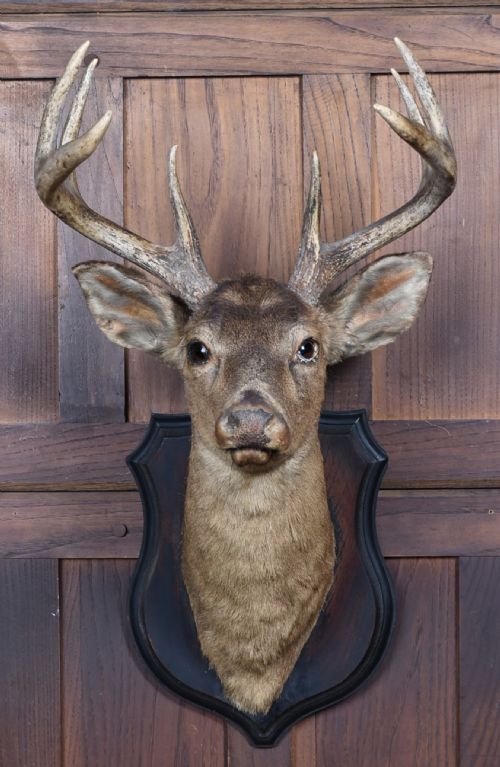
- The art of preserving and mounting animal skins for display. Specimens like roe deer heads served as traditional trophies in lodges and country houses.
- Pastoral Realism
- An artistic style depicting rural scenes and farm life with fidelity. Paintings in this genre often feature cattle and agricultural settings.
- Wallpaper Sample
- A preserved section of decorative paper used to showcase a pattern. Hand-printed examples capture mid-century and earlier interior design schemes.
Frequently Asked Questions
What defines country house wall decor?
These items are traditional decorative objects sourced from historic estates and country properties. They include oil paintings, tapestries and taxidermy that reflect rural life and field sports.
Buyers select these pieces to introduce warmth, history and character to modern or traditional interiors alike.
How do I date a piece?
Dating relies on examining the materials, framing techniques and stylistic markers present in the object. Victorian and Georgian pieces often display specific frame profiles and canvas preparations.
Signatures, maker labels and paper types provide further clues for items produced in the early twentieth century.
Where were these items displayed?
Such pieces traditionally adorned the libraries, halls, stairwells and drawing rooms of large British country residences. Sporting art and taxidermy suited lodges and smoking rooms.
Smaller decorative panels and floral embroideries often ornamented private family quarters and bedrooms.
How do I care for framed textiles?
Textiles and paper samples require protection from direct sunlight to prevent fading of wool threads and pigments. Maintaining stable indoor humidity prevents warping in wooden and gilt frames.
Glazed frames help shield delicate embroideries and watercolours from dust and atmospheric pollutants.