




Country House Trunk
A country house trunk is a robust utilitarian box built for storage and estate travel, prized for its honest vernacular character and heavy construction.
Country House Trunk
When you search for a country house trunk, you encounter substantial storage pieces designed for domestic utility and grand estate use. These items serve practical needs while displaying the honest craftsmanship of past centuries.
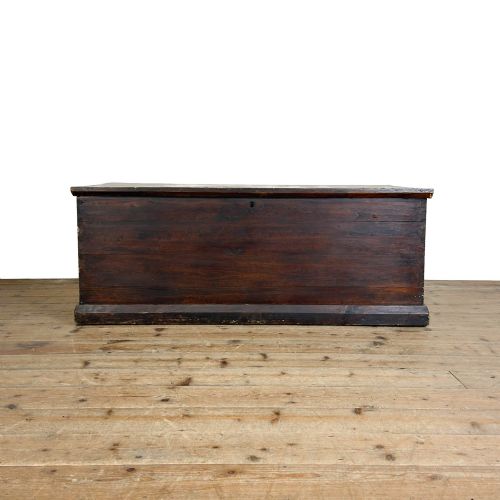
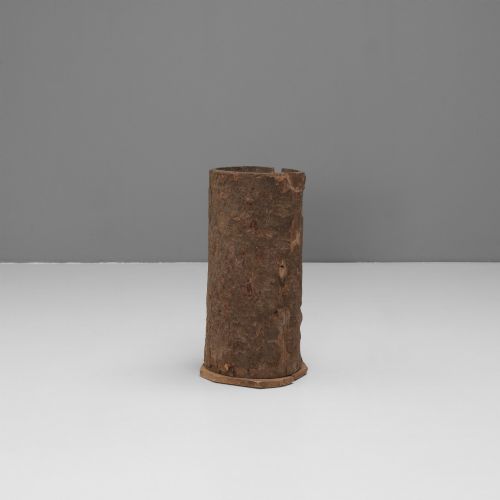
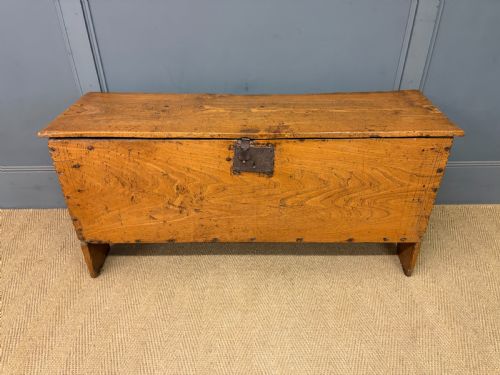
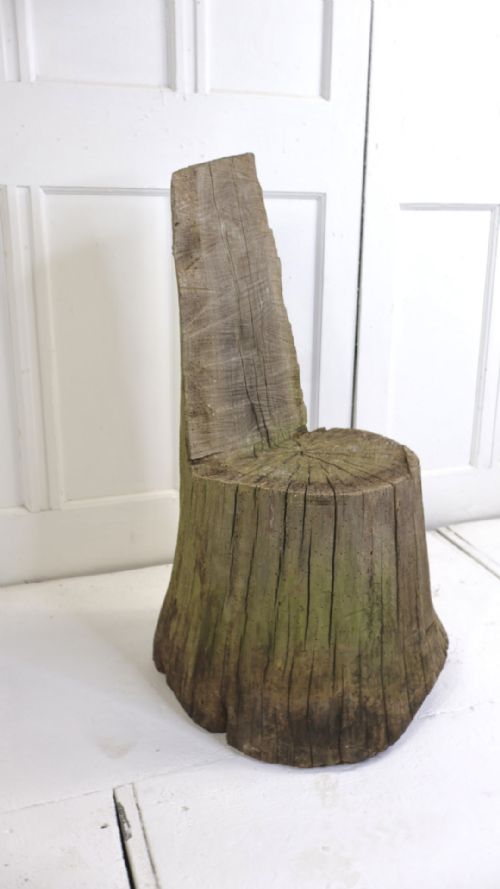
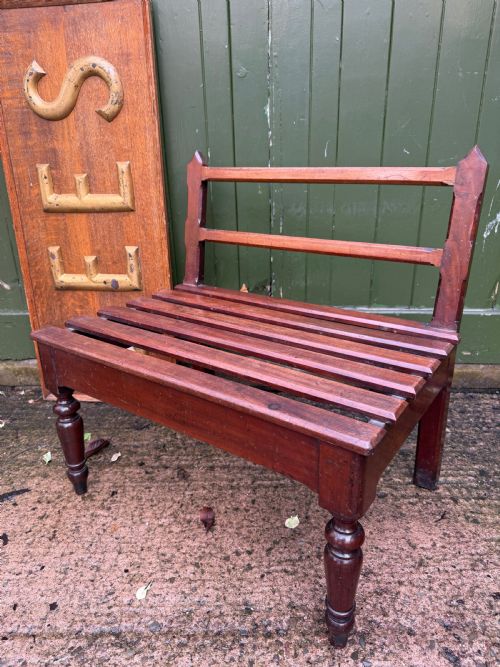
The versions most commonly met on this page span the Georgian, Victorian, and Edwardian eras, taking the form of robust coffers, mule chests, painted pine blanket boxes, and iron-banded log bins. Smaller dug-out tree trunks and specialised luggage stands also appear within this diverse category.
These items originate from rural workshops and large country estates, reflecting a vernacular tradition focused on durability and straightforward storage solutions. Each piece carries the marks of utilitarian service across generations.
Materials and construction
Carpenters utilised available domestic hardwoods and softwoods such as oak, elm, pine, and ash, constructing bodies with dovetailed joints, panelled walls, or solid dug-out trunks. These sturdy timbers provided the necessary strength for heavy domestic use and estate transit.
Iron bands, brass fittings, and painted surfaces added structural reinforcement and visual distinction to functional boxes. Simple hand tools shaped the timber, leaving subtle tool marks that reveal the straightforward methods of the period.
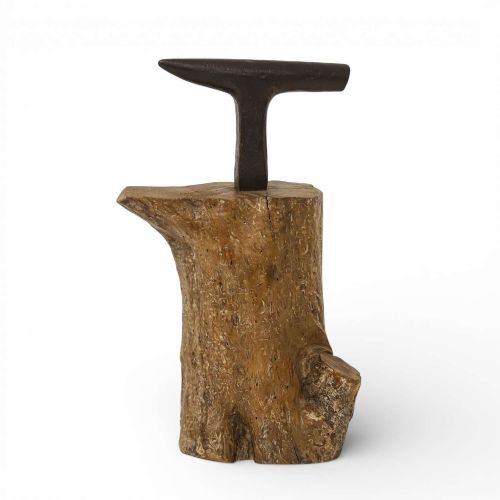
A nineteenth-century farrier's anvil mounted securely on a fruitwood trunk proves that blacksmiths needed heavy furniture too.
Evaluating quality and proportion
Quality in these utility pieces rests upon the integrity of the timber, the robustness of the joinery, and the preservation of original surfaces. Pieces retain greater appeal when hinges, brackets, and iron bands remain intact and unaltered.
Proportion and scale distinguish standard utilitarian boxes from finer estate pieces, with well-balanced dimensions and original painted finishes commanding closer attention from collectors.
Hallett & Sons
The Country House Trunk Glossary
- Mule chest
- A storage chest featuring one or more drawers beneath the main lifting lid compartment. This form bridges the traditional coffer and the modern chest of drawers.
- Coffer
- A heavy wooden box with a hinged lid used primarily for storing valuables, textiles, or documents. Early examples often display joined construction and simple panel layouts.
- Kist
- A traditional regional term for a heavy wooden storage chest or trunk. These boxes served domestic storage needs across British and Scottish households.
- Luggage stand
- A low support frame designed for holding travel trunks at a convenient height within guest bedrooms. Examples often incorporate raised rear upstands and deep proportions.
Country House Trunk: Frequently Asked Questions
What is a country house trunk?
A country house trunk is a sturdy storage chest or box used within large estates for domestic organisation and travel. These pieces range from simple pine boxes to iron-banded log bins and mule chests.
They reflect rural vernacular traditions and provide practical storage for modern interiors while retaining historical character.
How were mule chests used?
Mule chests served households as versatile storage furniture for linens, garments, and personal belongings. The lower drawer allowed access to stored items without needing to lift the main lid.
This practical combination of chest and drawer made them essential pieces in bedrooms and hallways across Georgian and Victorian homes.
How do I date a wooden trunk?
Dating a wooden trunk involves examining the timber species, construction methods, and hardware. Earlier pieces from the Georgian era often feature hand-cut dovetails and solid oak or elm.
Later Victorian versions frequently utilise machine-sawn pine, iron corner brackets, and painted finishes which help narrow down the period of manufacture.
Can I use an antique trunk for daily storage?
These robust trunks function well for modern household storage, accommodating blankets, toys, and household items. Their solid construction handles daily interaction while adding texture to a room.
Placing them in living spaces or bedrooms offers a practical way to integrate historical furniture into contemporary living arrangements.