

Country House Oak Furniture
Country house oak furniture brings the sturdy build and honest grain of centuries past straight into a modern interior.
Country House Oak Furniture
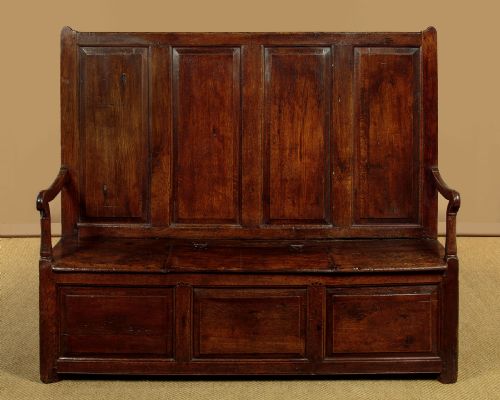
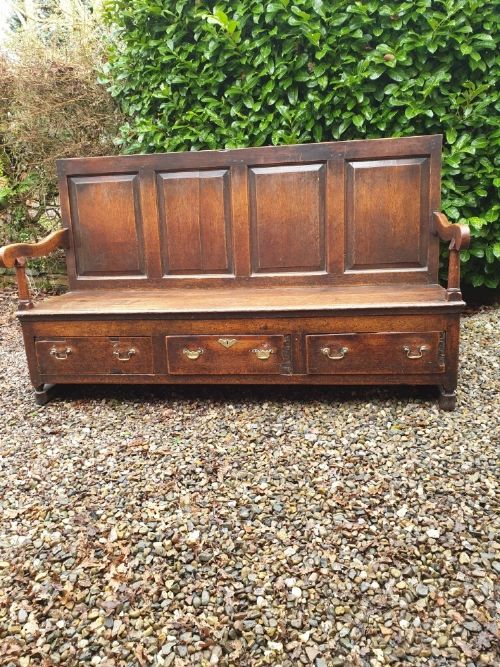
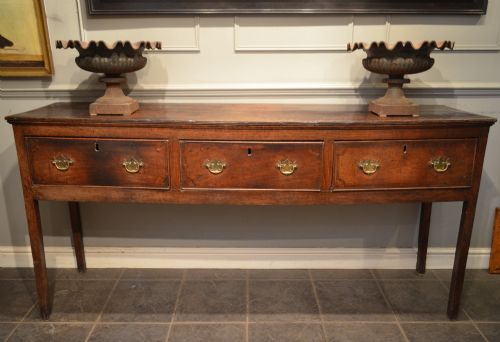
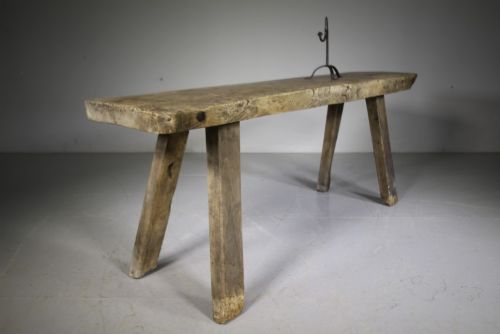
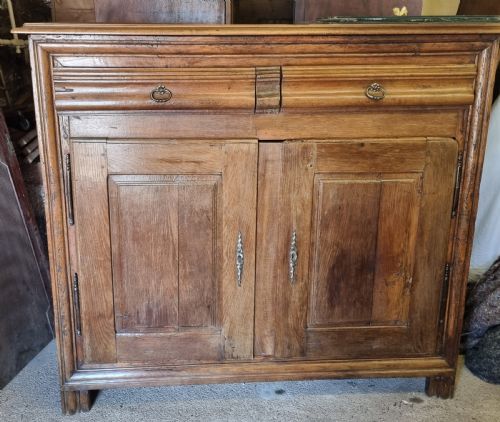
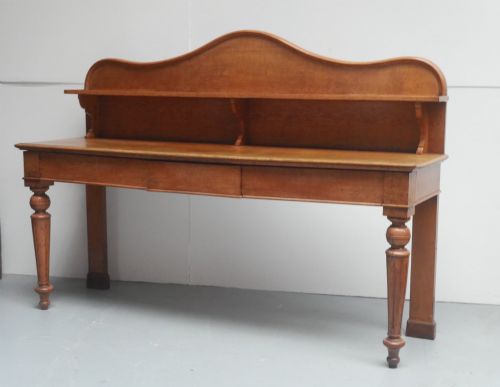
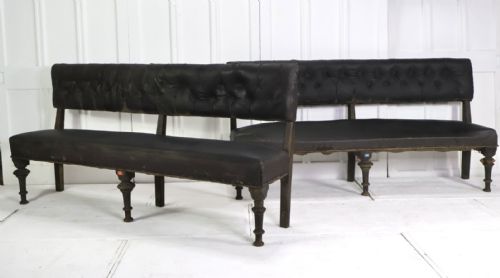
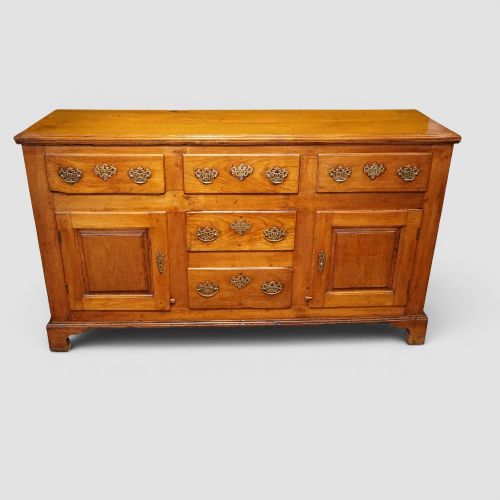
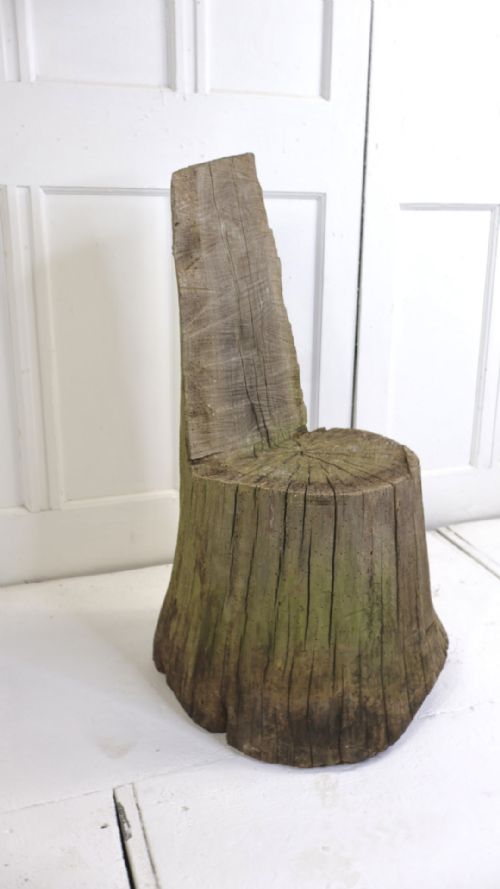
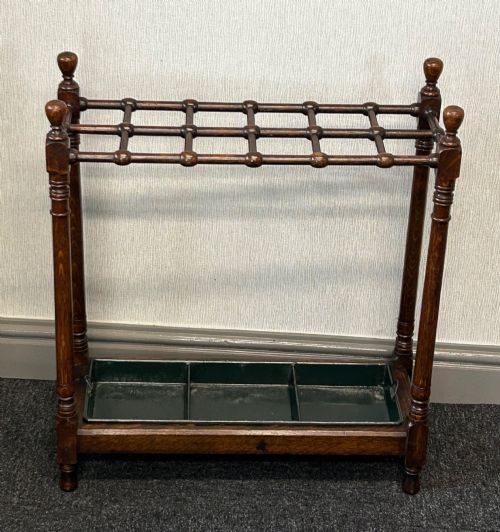
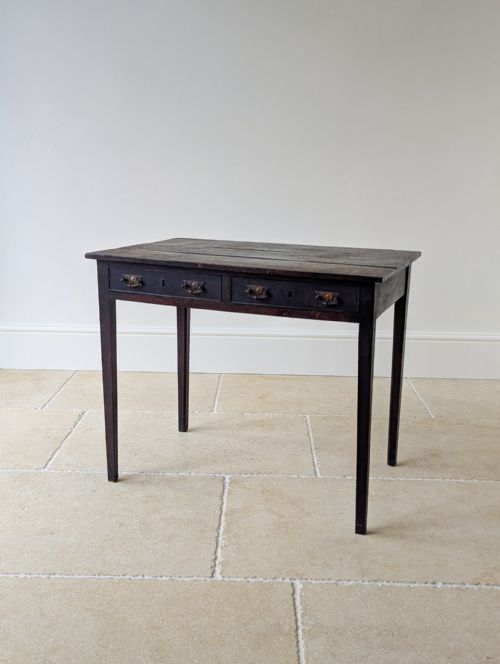
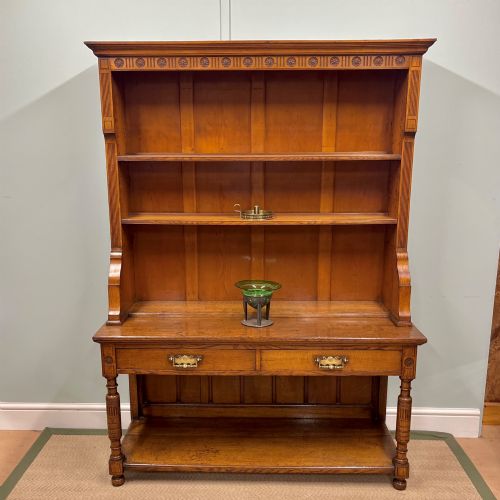
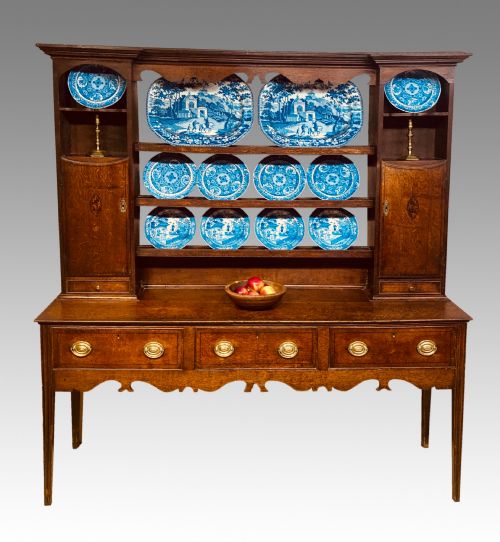
Country house oak furniture encompasses practical domestic pieces built for utility across centuries, with 18th century and Georgian examples appearing frequently. Buyers encounter everything from robust farmhouse tables and dresser bases to box settles, side tables, and hall stands designed for everyday use.
Regional variations emerge clearly across these survivals, ranging from Welsh vernacular dressers and settles to Scottish serving tables and English country pieces. Makers utilised sturdy native timbers to construct enduring items that served demanding households for generations.
Materials and Construction
Workshops relied primarily on solid oak, supplemented by fruitwood, sycamore, pine, and elm for specific components or secondary timbers. Blacksmith-made iron hinges, locks, and brass details provided essential reinforcement and functional strength to doors, lids, and drawers.
Joinery techniques prioritised durability over speed, employing pegged mortise and tenon joints alongside hand-cut dovetails. Surfaces received simple finishes that allowed the natural grain and figure of the timber to dominate without excessive polish.
Several items bear the specific marks of their past lives, including a Welsh dresser salvaged from Cafe Snowdon.
The Measure of Quality
Gradations in quality depend largely on the integrity of the original timber and the restraint exercised during past repairs. Pieces retaining their uncompromised boards, original blacksmith ironwork, and authentic surface patination stand apart from heavily restored examples.
Proportion and structural honesty also dictate distinction, separating utilitarian workshop items from those possessing more refined regional detailing. The depth of the colour and the tactile warmth accumulated through decades of use separate the more compelling survivals.
Heals of London·Shapland and Petter
The Country House Oak Furniture Glossary
- Settle
- A high-backed wooden bench with solid arms and a closed base, often incorporating a box seat for storage. These items stood near hearths to block drafts in large domestic halls.
- Dresser base
- The lower portion of a kitchen or dining room storage unit featuring drawers and cupboards beneath a solid working surface. They often accompanied plate racks or wall-hanging shelves.
- Cricket table
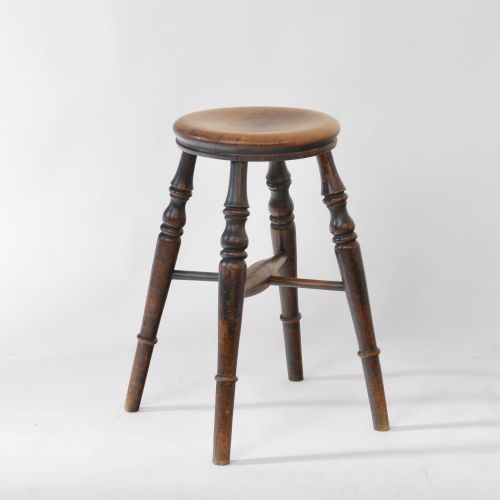
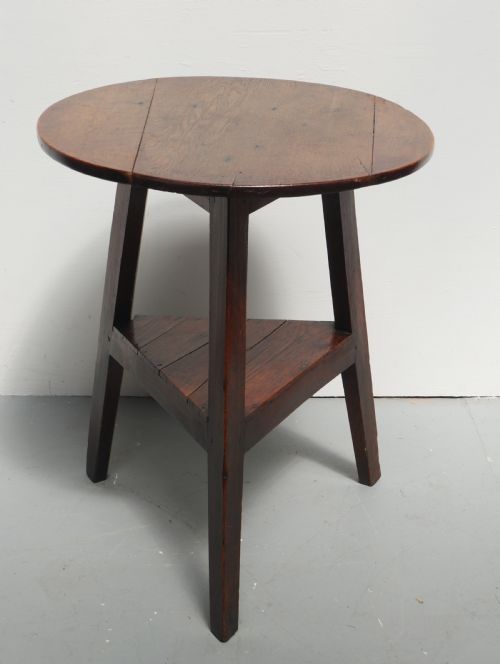
- A small, light occasional table supported by three splayed legs to maintain stability on uneven floors. Their simple triangular construction made them easy to move around a room.
- Lowboy
- A small side table or dressing table fitted with one or more tiers of drawers beneath the top. They appeared frequently in bedrooms and parlours during the Georgian period.
- Pollard oak
- Timber taken from trees that were periodically cut back close to the trunk, producing a dense, knotty grain pattern. Cabinet makers valued this wood for decorative table tops and panels.
Country House Oak Furniture: Frequently Asked Questions
What defines country house oak furniture?
These pieces comprise robust, utilitarian items built for domestic life in large estates and farmhouses using solid native timber.
They reflect regional construction methods from the 17th century onward, prioritising sturdy joinery and practical function above elaborate ornamentation.
How were dressers used historically?
Dressers served as central storage and preparation units in large kitchens and dining spaces, holding everyday ceramics and utensils.
The base provided enclosed space for linens or dried goods while upper shelves displayed plates for easy access during meal preparation.
Where should I place a settle?
Settles work effectively in hallways, large living spaces, or against blank walls where their high wooden backs can create a sense of enclosure.
Their built-in storage boxes also offer practical utility for blankets, boots, or general household items in daily use.
How do I care for antique oak surfaces?
Maintain the timber by applying a traditional beeswax polish sparingly and buffing it gently with a soft cloth to protect the patina.
Keep pieces away from direct heat sources and strong sunlight to prevent the dry wood from splitting or fading over time.