



Country Folk Art Seat
These country folk art seat examples span centuries of vernacular design, offering rugged charm and practical utility for modern interiors.
Country Folk Art Seat
A country folk art seat encompasses a wide variety of utilitarian furniture produced outside metropolitan workshops, ranging from modest milking stools to expansive multi-seater settles. Buyers searching for a country folk art seat typically encounter robust forms shaped by local traditions and everyday domestic needs.
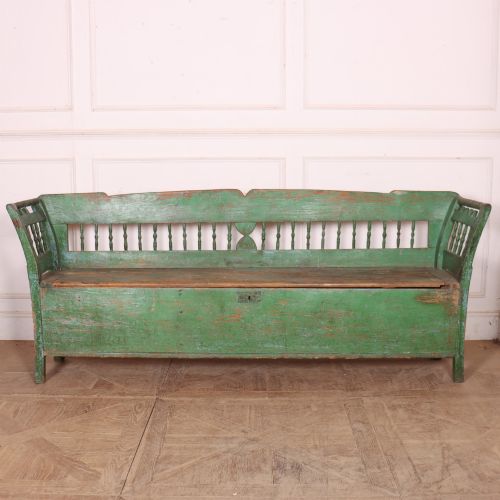
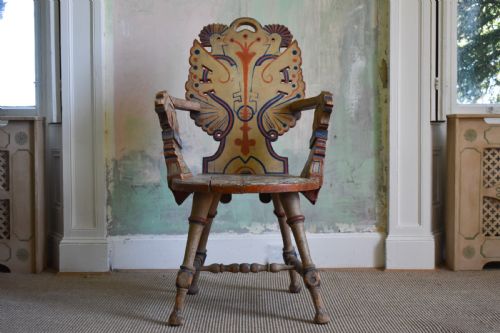
The selection on this page demonstrates distinct regional identities, including Scandinavian benches, Austrian farmhouse seating, and British vernacular chairs. These objects bridge the gap between pure utility and expressive folk creativity.
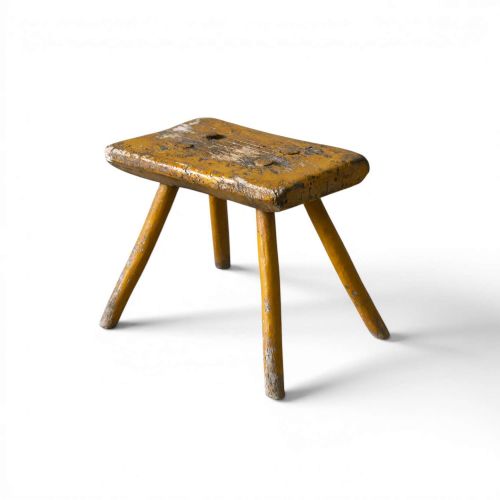
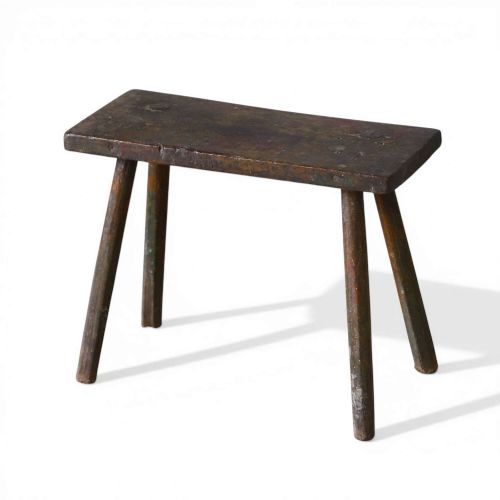
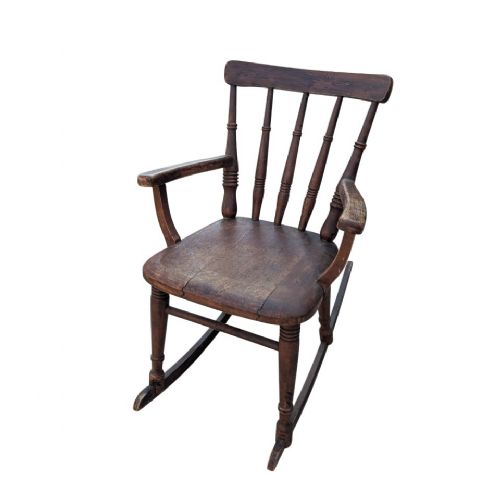
Forms span armchairs, rocking chairs, benches, and stools created for both adults and children. Each piece reflects the specific material constraints and aesthetic preferences of its rural origin.
Materials and construction methods
Timbers such as pine, oak, beech, and ash form the structural core of these pieces, often worked green or locally sourced. Craftsmen utilised straightforward joinery, dug-out construction, and stick-back techniques to build durable furniture.
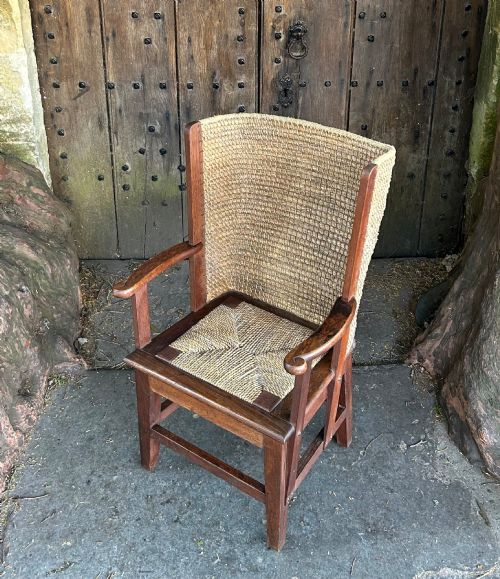
Surfaces frequently retain original paint, ochre, green pigments, or wax finishes that record decades of handling and weathering. Seating areas occasionally incorporate woven straw, rush, or súgán cord alongside solid wood planks.
Listings feature pieces constructed from pine, oak, ash, beech, and timber, incorporating rush and straw seating materials.
Distinctions in quality and character
Quality in a country folk art seat rests upon the integrity of its surface patination and the boldness of its vernacular form. Examples retaining untouched original paint or pigment command stronger visual presence than stripped or over-restored equivalents.
Proportion and structural honesty also define the upper tier of these pieces, where rustic economy meets purposeful design. Unaltered tool marks and honest structural repairs enhance the narrative depth of the object.
The Country Folk Art Seat Glossary
- Settle
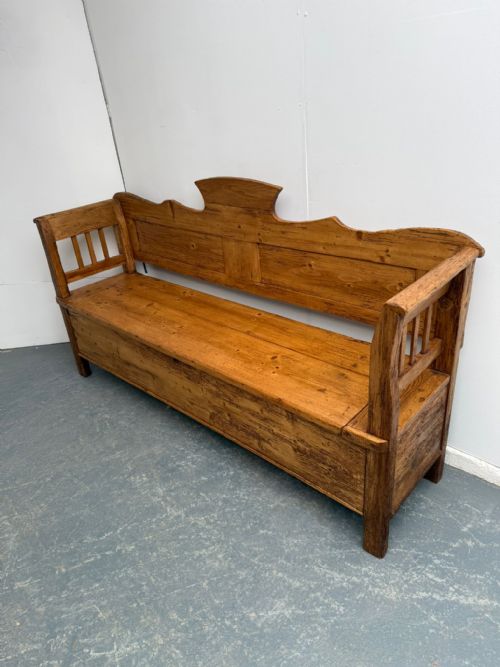
- A wooden bench with a high back, solid arms, and often a storage box beneath the seat. This form protected sitters from draughts in vernacular interiors.
- Stick back
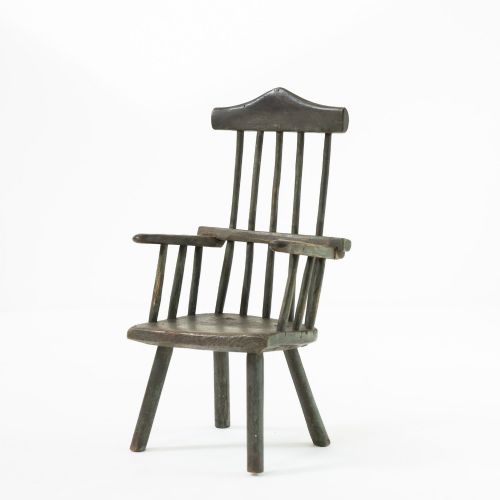
- A chair construction method where turned spindles or plain sticks are inserted directly into a solid wooden seat. It represents a cornerstone of rural Windsor and primitive chairmaking.
- Dug out
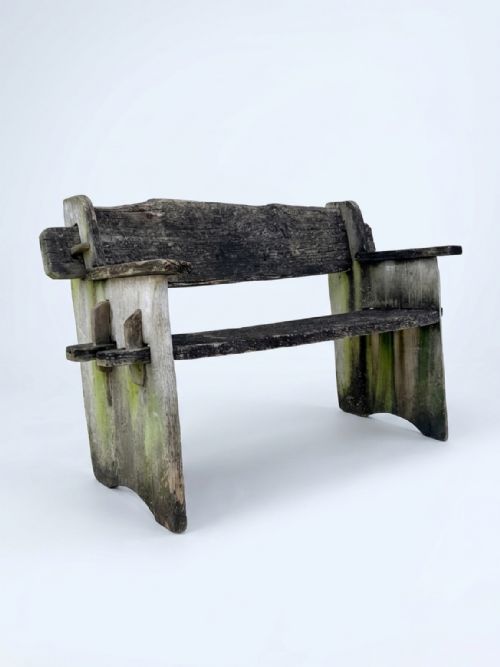
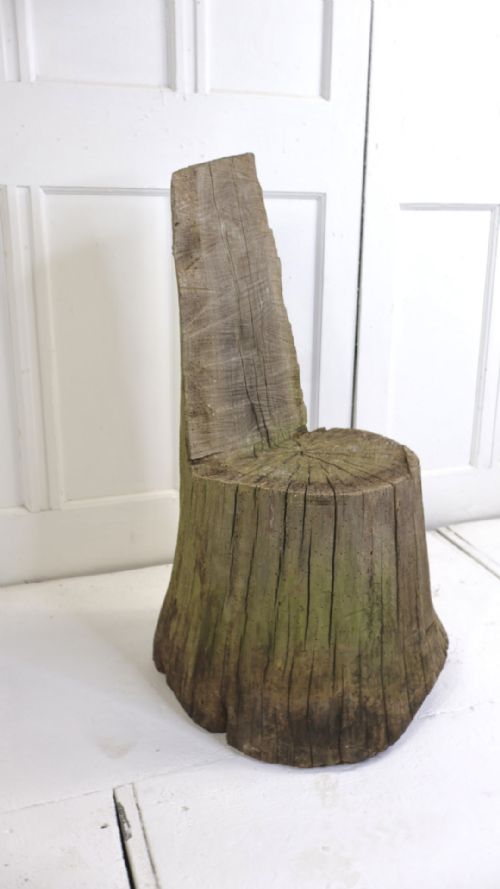
- Furniture formed by hollowing out a single solid log or heavy timber block to create the seat and body. This technique represents an ancient method of rural woodworking.
- Súgán
- An Irish term for twisted straw or hay rope used for bottoming chairs. Plaited straw seats offer flexible comfort using readily available agricultural materials.
- Scumble
- A decorative painting technique used to simulate wood grain or create mottled patterns over a base coat. Makers applied this finish to ordinary pine to imitate more costly timbers.
Country Folk Art Seat: Frequently Asked Questions
What defines a country folk art seat?
These pieces are handmade rural furnishings created by local craftsmen rather than urban cabinetmakers, utilising accessible woods like pine and oak.
They derive their appeal from practical utility combined with regional decorative traditions, often featuring original painted surfaces or rustic natural forms.
How were these chairs and benches used?
They served everyday domestic functions around the farmhouse, cottage, or dairy, from milking livestock to gathering by the hearth.
Larger settles blocked cold draughts in open rooms, while children's armchairs and highchairs accommodated younger members of the rural household.
How do I style a primitive seat at home?
Their sculptural profiles and weathered textures allow them to function as striking accent pieces in modern or traditional interiors alike.
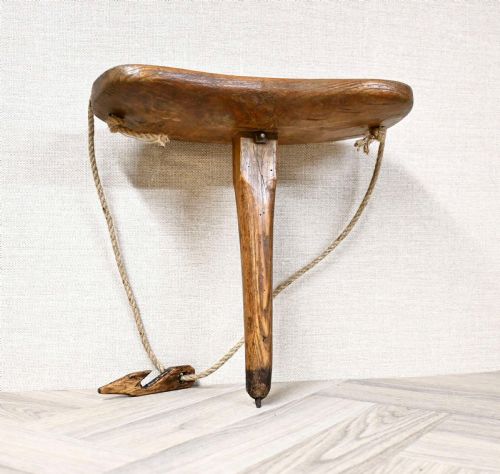
Place a milking stool beside a modern sofa or position a painted pine bench in a hallway to showcase their historic character.
How can I tell the age of these pieces?
Dating relies on observing tool marks, construction methods, timber species, and the wear patterns on painted or waxed surfaces.
Comparing regional traits such as comb-back spindles or dug-out seats helps place an object within its nineteenth-century or earlier context.