

Brown Timber Accent Chairs
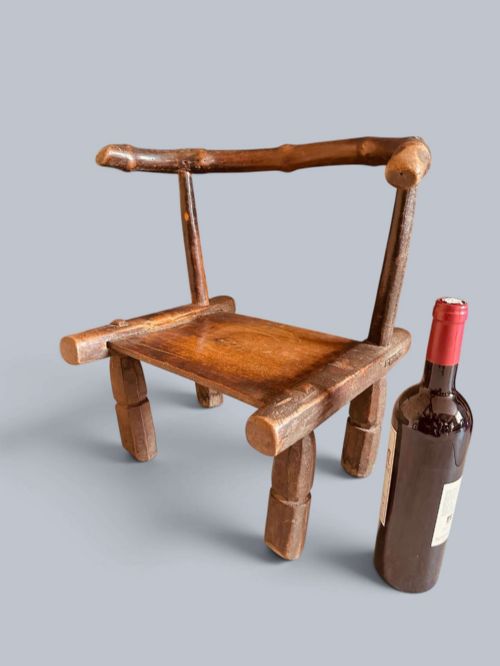
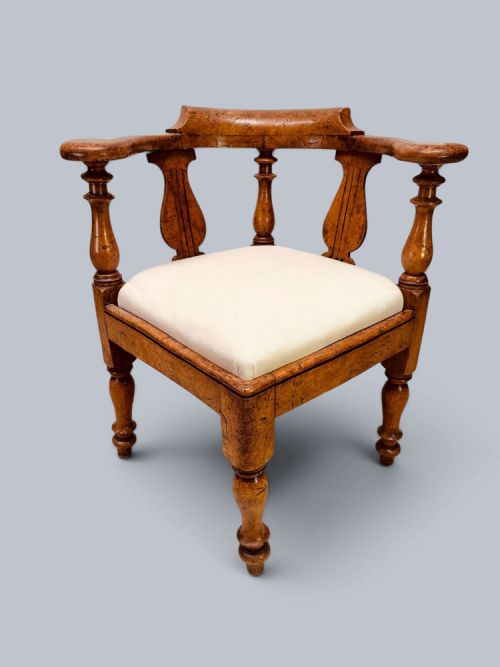
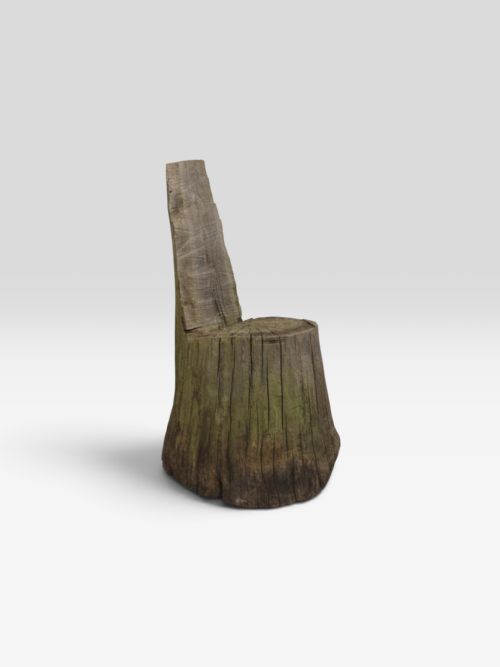
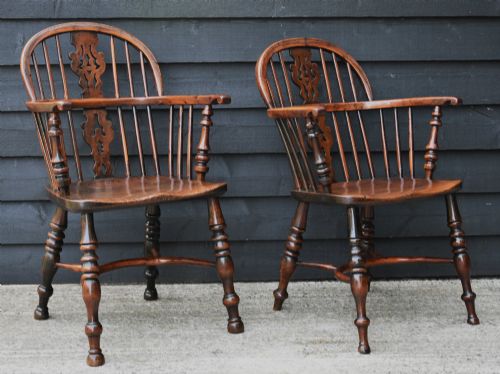
Brown timber accent chairs bring rich historical character into a room, offering sturdy seating formed from solid mahogany, oak, and walnut.
Brown Timber Accent Chairs
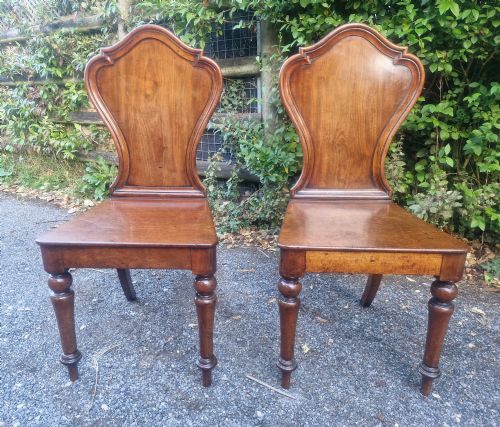
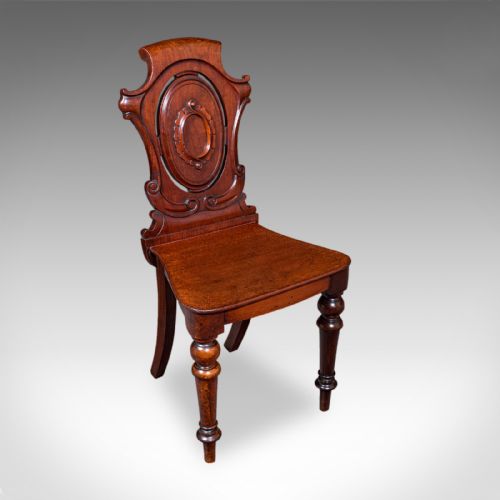
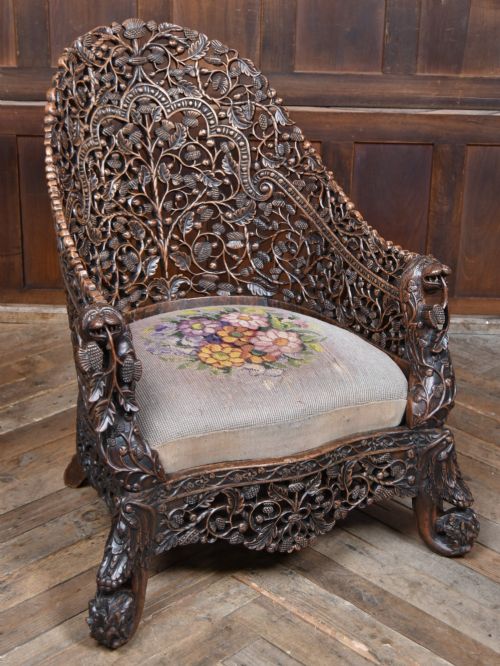
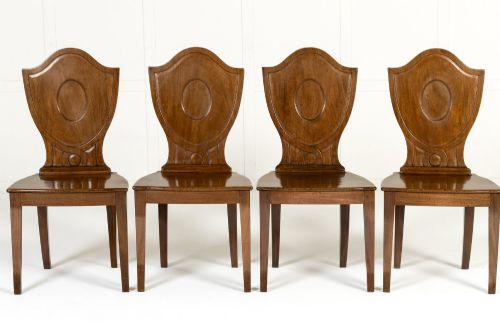
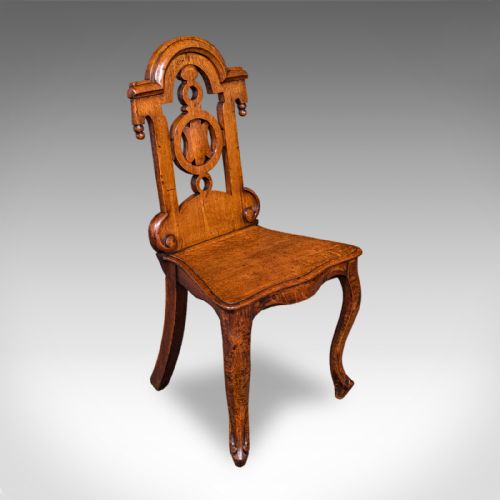
Makers and workshops utilised native and imported timbers, resulting in durable seating solutions that functioned as both utilitarian furniture and decorative focal points. These chairs display carved details, shield backs, shell motifs, and turned woodwork appropriate for domestic interiors.
Materials and Construction
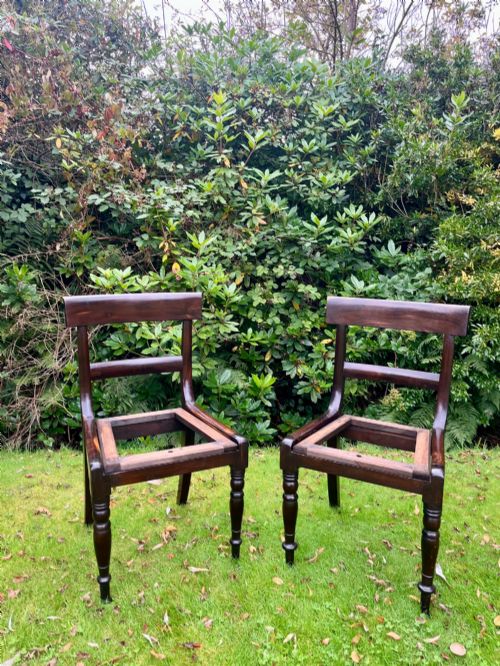
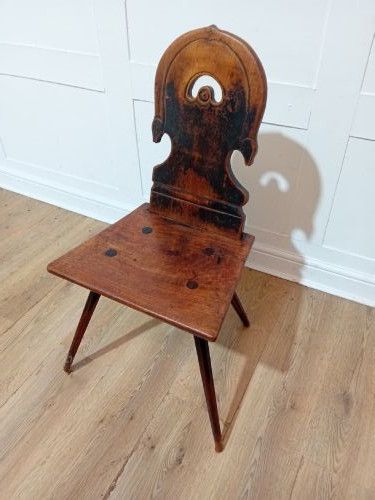
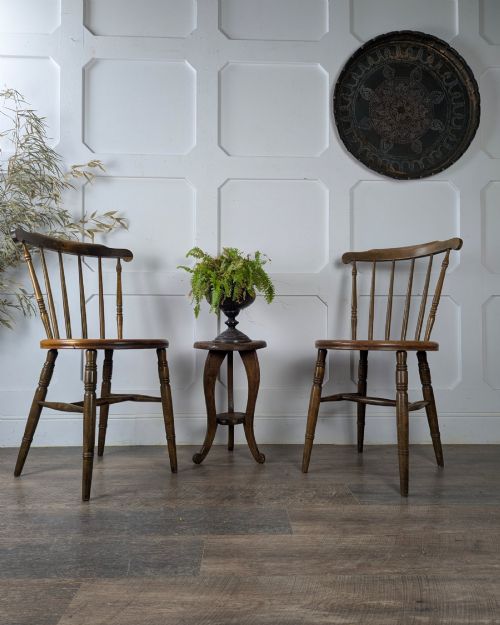
Makers constructed these chairs primarily using dense hardwoods such as mahogany, oak, walnut, fruitwood, and elm, often securing joints with traditional timber joinery. Turning, carving, and steam-bending shaped the solid wood components into supportive frames, spindle backs, and sculptural seats.
Surface treatments relied on hand-applied polish, wax, or stain to enhance the natural grain of the timber, whilst brass fixings occasionally reinforced structural points or decorative elements.
Brown Timber Accent Chairs Retail Price Guide 2026
Typical asking prices for brown timber accent chairs among the pieces listed under this phrase on Sellingantiques today, from the lower quarter to the upper quarter. They describe what is for sale here now, not the wider market.
Listings feature solid timber construction across multiple centuries, spanning oak, mahogany, walnut, elm, and beech.
Evaluating Craftsmanship and Design
Quality rests upon the selection of timber and the crispness of the hand-carved details, where deeply articulated shell motifs, crisp linenfold, or sharp turning denote superior bench skill. Heavy, solid construction without excessive modern intervention distinguishes finer examples from simpler utilitarian seating.
Proportion and stylistic cohesion also dictate value, with balanced frames, integrated crest rails, and well-executed stylistic references maintaining structural integrity and aesthetic clarity over centuries of use.
Gillows·Wheeler Of Arncroach·Dinco
The Brown Timber Accent Chairs Glossary
- Hall Chair
- A rigid, timber seat designed primarily for display and occasional use in entrance halls rather than prolonged lounging. These typically feature solid wooden seats and carved backboards.
- Gothic Revival
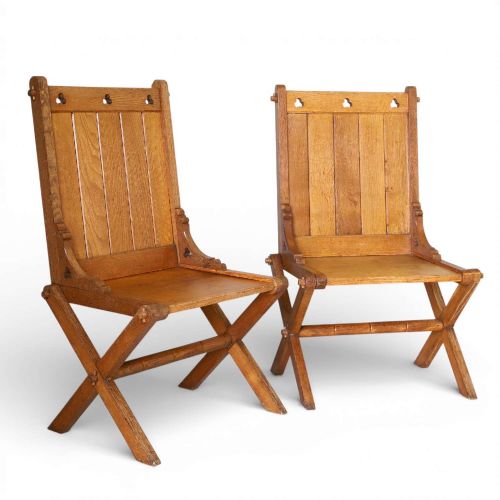
- An architectural and decorative style popular during the 19th century that reinterprets medieval forms. Pieces often incorporate pointed arches, trefoils, and heavy carved tracery.
- Regency
- A British design period spanning the early 19th century characterised by classical restraint and archaeological influence. Furniture from this era draws heavily upon Greek, Roman, and Egyptian motifs.
- Scroll Back
- A chair back featuring outward-curving timber terminals shaped like scrolls. This flowing contour appears frequently in seating from the Georgian and Victorian periods.
- Fruitwood
- A generic term for timber sourced from fruit-bearing trees such as pear, apple, or cherry. Cabinet-makers utilised these dense, fine-grained woods for decorative turnings and contrasting inlays.
Brown Timber Accent Chairs: Frequently Asked Questions
What distinguishes a hall chair from an armchair?
Hall chairs are typically rigid, armless seats designed for brief occupancy in entrance spaces, prioritizing carved wooden backboards over upholstery. They functioned as decorative statements rather than comfortable lounging furniture.
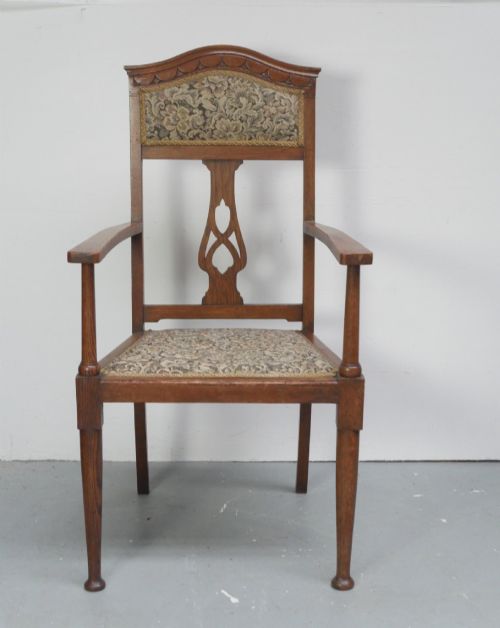
Armchairs feature supportive side rests and heavier timber frames built for sustained comfort in libraries, parlours, and reception rooms.
How do I identify Regency brown timber chairs?
Regency chairs generally display classical architectural restraint, clean lines, and dark polished mahogany surfaces. Look for curved sabre legs, reeded frames, and classical carved motifs inspired by antiquity.
These pieces typically date from the first few decades of the nineteenth century and reflect a shift away from earlier rococo complexity.
Where should I place an antique accent chair?
These versatile timber seats suit hallways, bedrooms, and reception spaces where they provide sculptural form without dominating floor space. Side chairs fit neatly against walls or corners, functioning as occasional seating.
Pairing them with neutral backgrounds allows the rich grain of the mahogany, oak, or walnut to stand out as a focal point.
How can I tell the difference between Victorian and Georgian styles?
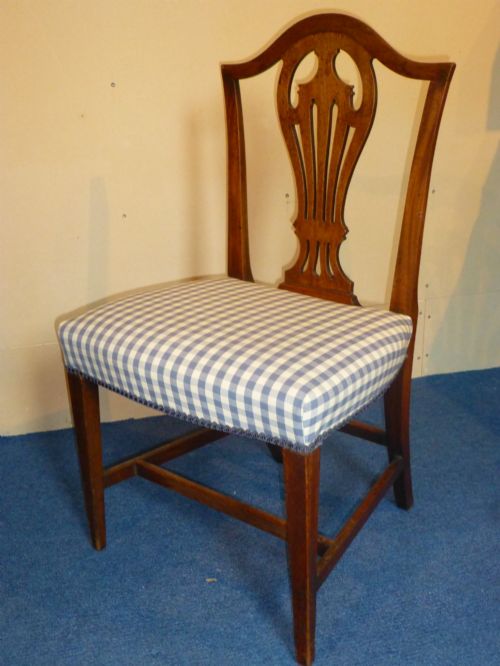
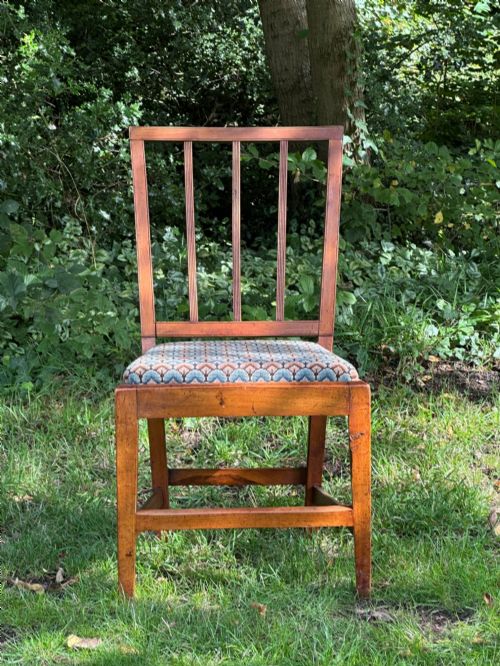
Georgian chairs emphasise proportion, lighter fruitwood or mahogany structures, and subtle carved details like ball-and-claw feet or ribbon backs. They reflect 18th-century classical balance.
Victorian pieces tend to be heavier, utilising dense walnut or oak with more exuberant carving, Gothic influences, and broader proportions typical of the later 19th century.