
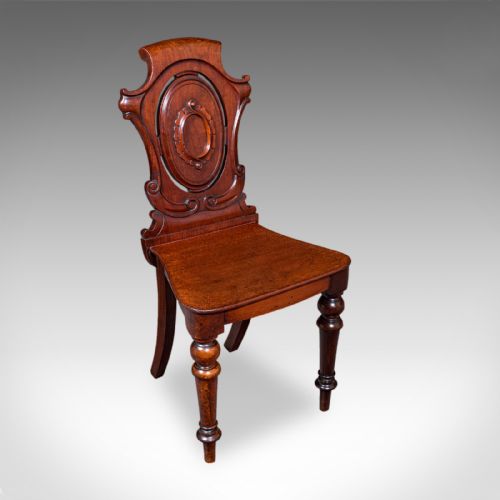
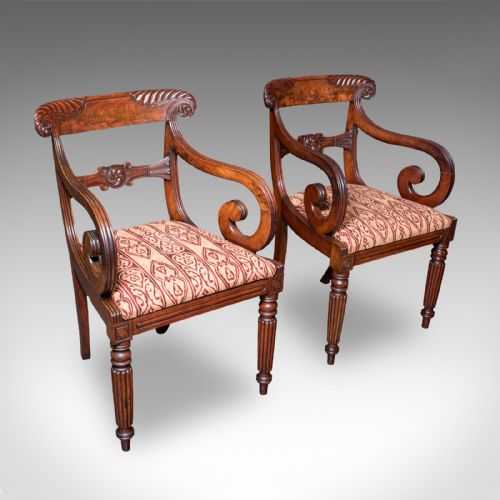
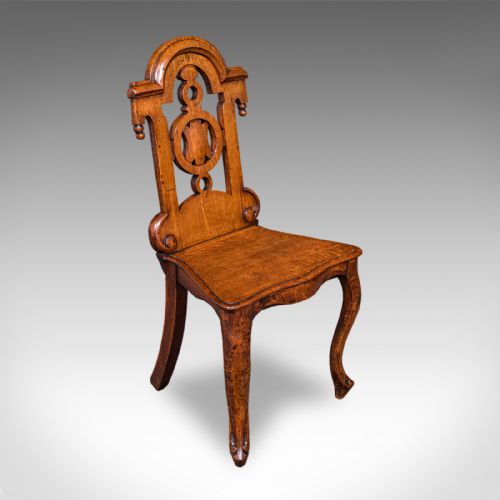
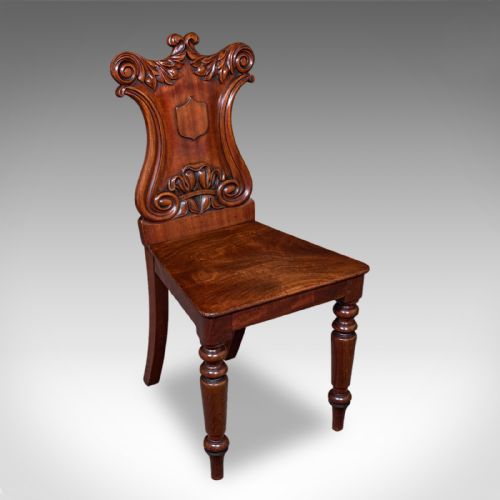


Carved Wooden Reception Chairs
These carved wooden reception chairs offer substantial character and period presence, bringing historical craftsmanship directly into modern seating arrangements.
Carved Wooden Reception Chairs
When you search for carved wooden reception chairs, you encounter robust seating forms designed for hallways, morning rooms, and law chambers. These pieces primarily date from the Victorian and Regency periods, spanning the nineteenth century up to nineteen hundred.
You are most likely to meet solid wood side chairs displaying carved details, panelled backs, and occasional upholstered elements. Examples range from simple elm station chairs to elaborate walnut and mahogany designs.
How they were made
Cabinetmakers utilised dense hardwoods such as mahogany, walnut, oak, elm, and beech to construct these durable seats. These timbers provided the structural integrity necessary for heavy daily use in busy reception areas and halls.
Craftsmen applied intricate carving, marquetry, and inlay techniques directly to the wooden frames to display stylistic flourishes. Brass fixtures and selected fabric upholstery frequently supplemented the primary timber construction.
The listings here span four distinct periods: Victorian, Regency, Nineteenth Century, and Nineteen Hundred, constructed primarily in mahogany, walnut, oak, and elm.
What varies in quality
The standard of carving and the selection of timber dictate the distinction between standard items and superior examples. Finer pieces demonstrate crisp detail in the woodwork and employ superior veneers or solid hardwoods like figured walnut.
Stylistic coherence and regional attribution also influence the character of each piece. Items reflecting specific design movements, such as the Gothic Revival or Aesthetic Movement, often exhibit more deliberate artistic execution.
The Carved Wooden Reception Chairs Glossary
- Hall Chair
- A wooden seat traditionally positioned in a entrance hall, typically featuring a solid wooden back rather than upholstery. These pieces often incorporate family crests or carved decoration.
- Regency
- A stylistic period spanning the early nineteenth century, characterised by classical restraint and inspiration from ancient Greek and Roman forms. Furniture from this era often utilises dark hardwoods and clean lines.
- Victorian
- A design era spanning the reign of Queen Victoria, encompassing diverse revivals including Gothic and Renaissance styles. Pieces from this time frequently display heavier proportions and elaborate ornamentation.
- Marquetry
- The art of applying pieces of veneer to a structure to form decorative patterns and pictures. This technique often employs contrasting timbers to create visual depth on flat surfaces.
- Elm
- A tough, interlocking timber commonly used in British country furniture and utilitarian seating. Its resistant grain makes it suitable for solid wooden seats and structural components.
Carved Wooden Reception Chairs: Frequently Asked Questions
Where were carved wooden reception chairs used?
These chairs typically sat in entrance halls, waiting rooms, and morning houses of substantial properties. Their primary purpose was to provide functional seating for visitors and guests.
They also found placement in law chambers and station offices where durability took precedence over deep comfort.
How do I identify a Regency chair?
Regency pieces usually date from the early nineteenth century and display classical influences inspired by antiquity. They often feature clean architectural lines and darker mahogany or walnut timbers.
Craftsmen during this period favoured restrained ornamentation compared to the heavier revival styles of the later Victorian era.
Are these chairs comfortable for daily seating?
Most carved wooden reception chairs feature solid timber seats and upright backs designed for short-term waiting rather than lounging. They served practical roles in entryways where people sat briefly.
Some examples incorporate elbow supports or upholstered pads to offer a slightly more accommodating sit.
What woods were commonly used?
Maker workshops frequently selected sturdy hardwoods including mahogany, walnut, oak, and beech. Elm also appears regularly, particularly in utilitarian or regional pieces.
Satinwood and various veneers were sometimes introduced for decorative contrast within marquetry and inlay work.
How do Victorian styles differ?
Victorian seating encompasses a wide range of revivals, including Gothic and Aesthetic Movement designs. These pieces often feature heavier proportions, deep relief carving, and dark polished finishes.
Later Victorian examples may also show the transition towards simpler forms or early twentieth-century artistic movements.