

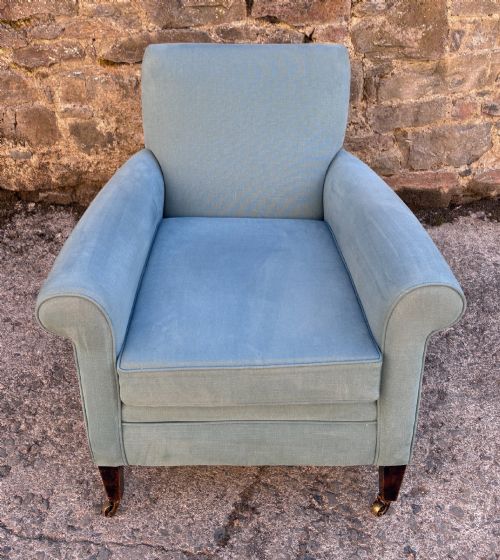
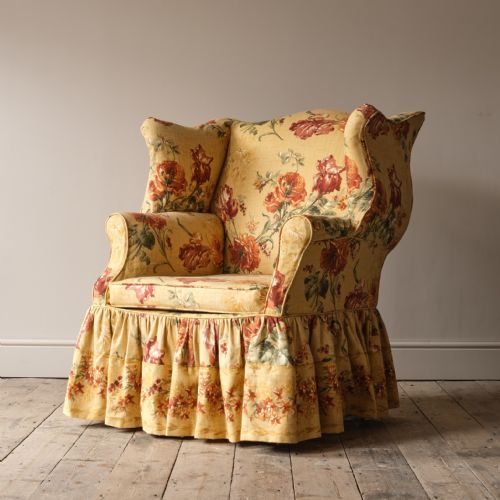
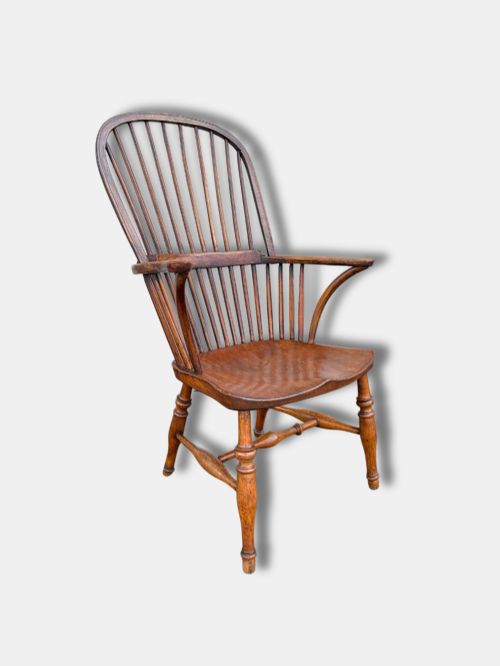
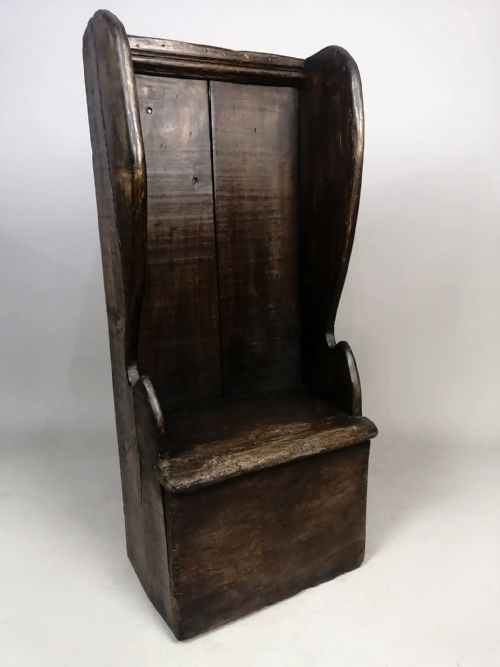
Country Fireside Armchair
A country fireside armchair brings vernacular comfort and sturdy timber construction straight to the hearth, offering decades of reliable seating.
Country Fireside Armchair
A country fireside armchair combines vernacular craftsmanship with practical domestic comfort, emerging from centuries of regional woodworking traditions. When exploring this selection, buyers frequently encounter sturdy timber seating designed specifically for warmth and daily use near the hearth.
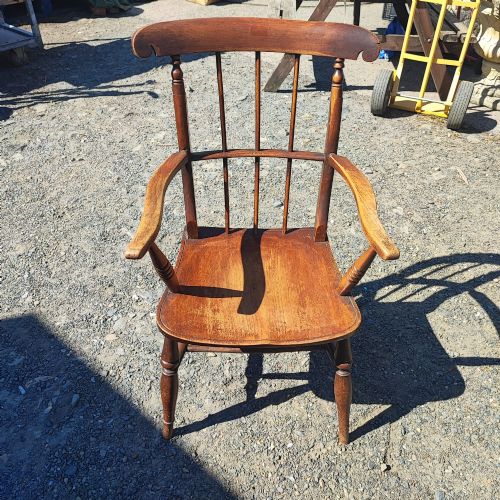
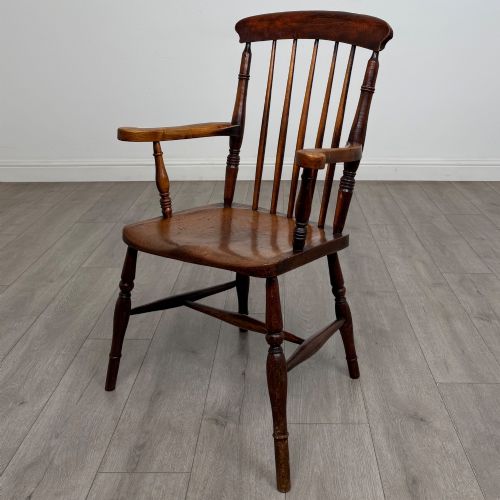
The available inventory draws heavily from the nineteenth and eighteenth centuries, alongside early twentieth-century examples shaped by English country house aesthetics. Common regional interpretations range from stick-back and comb-back Windsor forms to low-slung lambing chairs framed in native woods.
Makers utilised local resources, meaning regional variations in spindle turning and back construction define individual pieces. These chairs bridge formal stylistic periods and practical farmhouse utility, creating an enduring appeal for traditional interiors.
How they were made
Construction relies on traditional joinery paired with native hardwoods such as ash, elm, oak, and fruitwood, chosen for flexibility and strength. Turners shaped spindles and legs on lathes, while steam-bending techniques formed the characteristic hooped crests of Windsor designs.
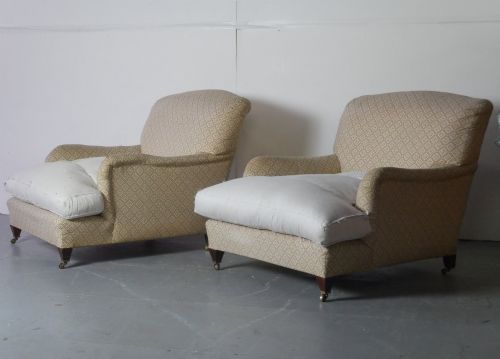
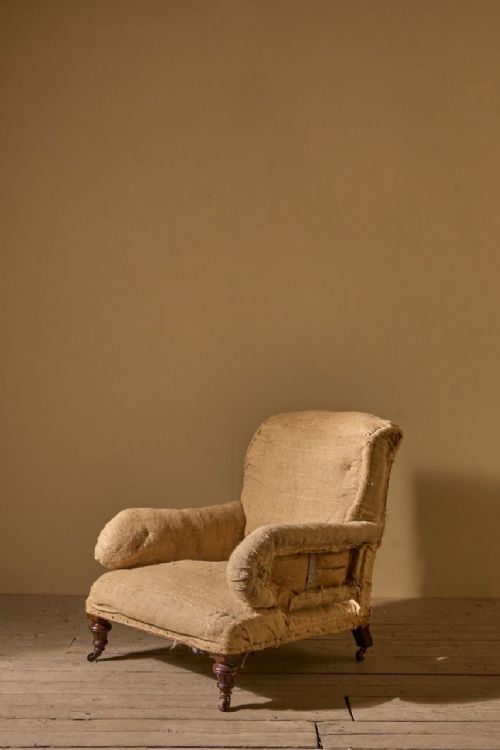
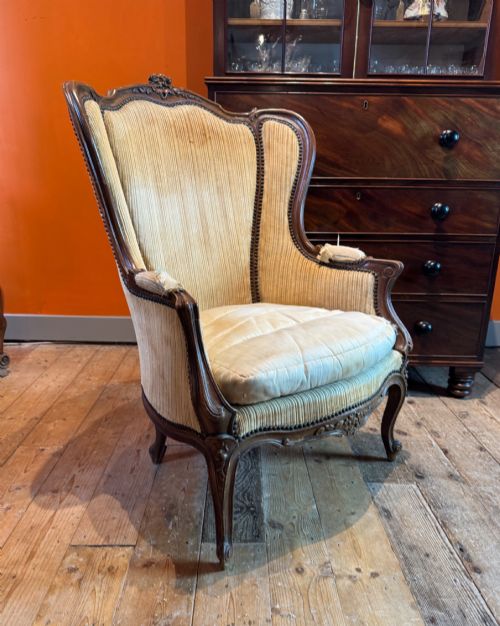
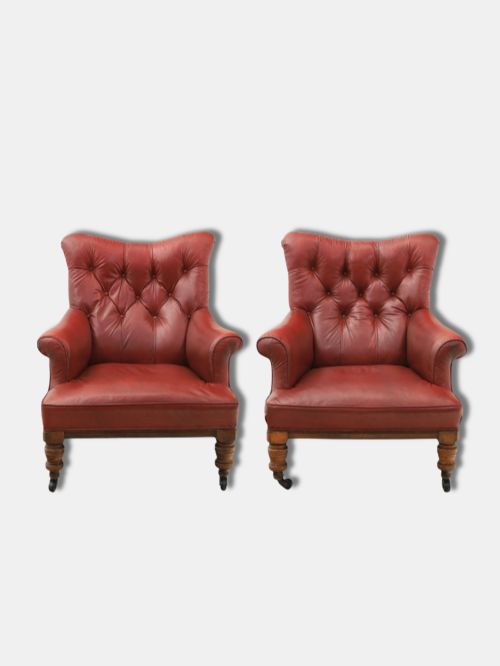
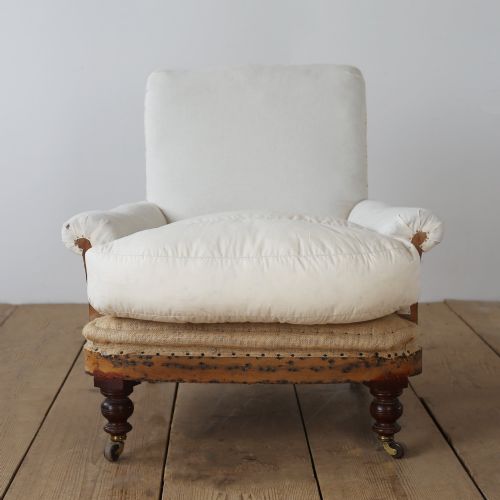
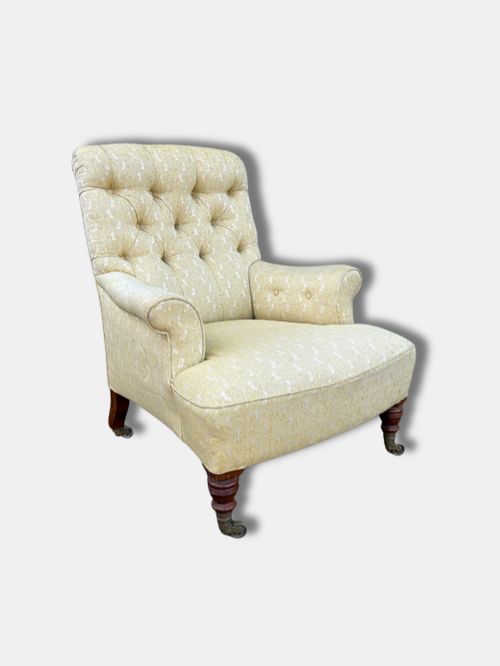
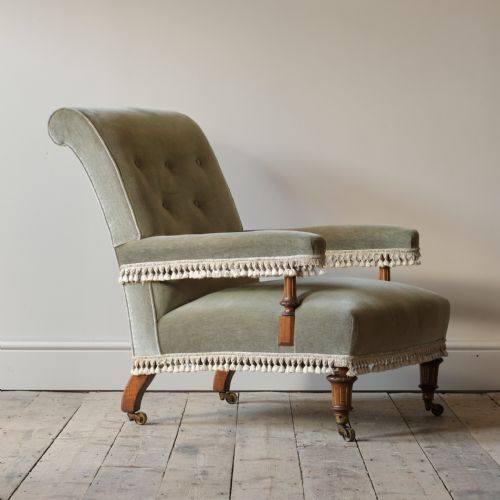
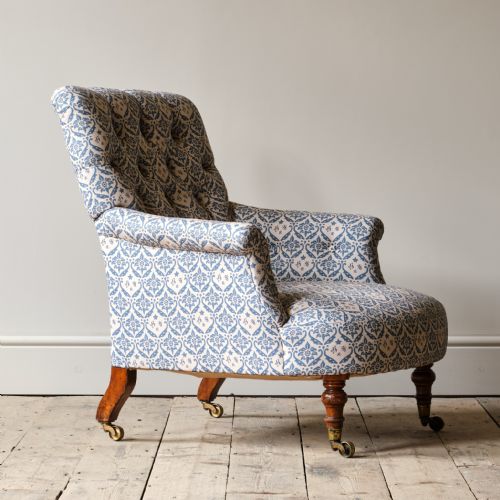
Upholstered variants incorporate heavy textiles, calico, or leather over supportive fillings, securing the materials with traditional tacks and webbing. The marriage of exposed timber framing and durable upholstery ensured these seats withstood rigorous domestic service.
Listings span from the seventeenth century through the 1930s, featuring oak, ash, elm, and mahogany alongside leather and fabric upholstery.
What varies in quality
Quality rests in the integrity of the timber selection and the retention of original structural components rather than mere age. Pieces featuring well-balanced proportions and crisp turning on the arm supports distinguish superior examples from standard workshop output.
The degree of original surface wear and untouched patination on woods like elm and oak significantly influences the visual weight of the chair. Subtle details in spindle tapering and the tightness of vernacular joints reflect the maker's proficiency.
Howard and Sons·Gillows·SF Cullen·Mellier and Co
The Country Fireside Armchair Glossary
- Windsor chair
- A chair built with a solid wooden seat into which the legs and back spindles are directly inserted. This construction method provides exceptional durability and structural stability.
- Lambing chair
- An enclosed wooden armchair traditionally fitted with high winged sides to block drafts near the hearth. Early examples often incorporate storage compartments beneath the seat.
- Stick back
- A chair design utilising simple turned wooden rods to form the backrest rather than a solid carved splat. It is a hallmark of regional vernacular woodworking.
- Comb back
- A Windsor chair variation featuring a low back topped by a horizontal crest rail that resembles the teeth of a comb. This style offers distinct ergonomic support.
Country Fireside Armchair: Frequently Asked Questions
What defines a country fireside armchair?
These pieces typically combine robust wooden frames with supportive high backs or upholstered cushions designed for warmth and long seating hours near an open fire.
They draw on regional vernacular styles, utilising native timbers like ash and elm to create durable domestic seating.
How do I care for antique wooden armchairs?
Keep wooden frames away from direct heat sources and sudden humidity changes to prevent timber shrinkage or splitting.
Apply traditional paste wax sparingly to nourish exposed elm and oak surfaces while preserving the historic patina.
Are these chairs comfortable for daily use?
Many vernacular and upholstered variants offer deep seats and supportive winged or stick backs suited for relaxed reading.
Upholstered versions often feature period-appropriate feather or hair fillings that provide yielding support.
How can I tell a Windsor chair style?
Windsor styles feature distinct wooden seats serving as the central hub into which legs and back spindles are wedged.
Look for hooped or comb-shaped crest rails that identify regional English building traditions from the eighteenth and nineteenth centuries.