






Georgian Broad Arm Chair
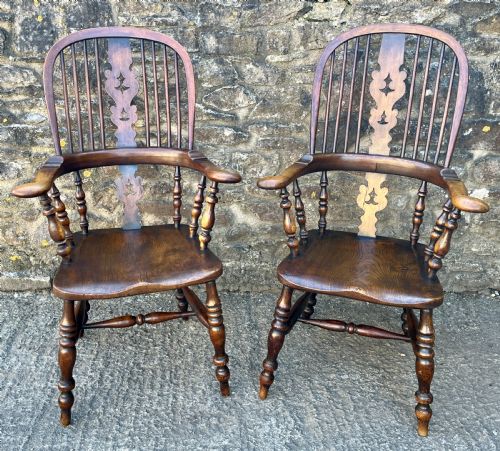
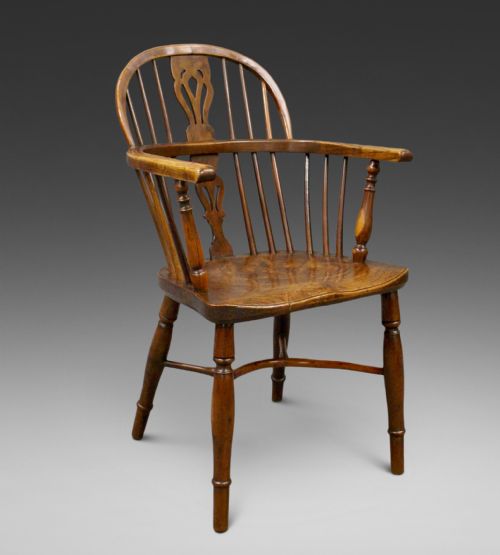
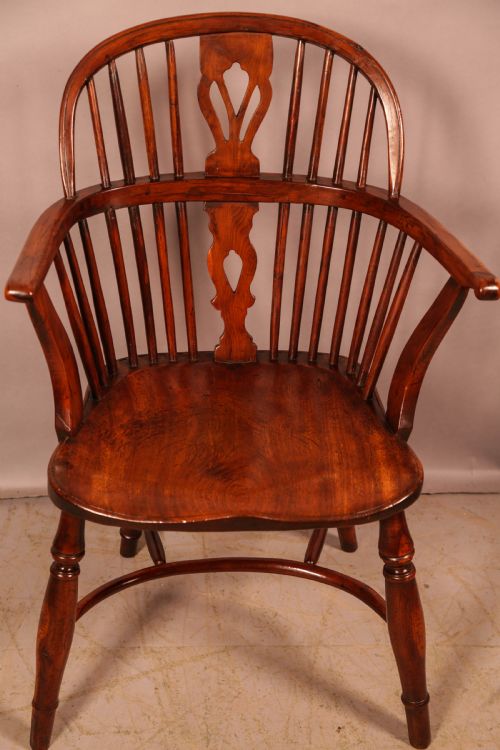
These are georgian broad arm chair examples, substantial country seating featuring characteristic wider armrests designed for writing or comfort, built to last generations.
Georgian Broad Arm Chair
When you search for a georgian broad arm chair, you are looking at substantial country seating rooted in English vernacular traditions. These pieces typically manifest as Windsor armchairs featuring characteristic wider armrests designed for writing, working or reading.
The versions you are most likely to meet on this page hail from the nineteenth century, including Victorian periods and around eighteen fifty. They arrive in forms such as low back and high back variations, alongside regional interpretations like Yorkshire designs.
Originating from English country workshops, these armchairs bring robust regional character into domestic spaces. Their enduring appeal lies in combining practical workspace utility with honest vernacular craftsmanship.
How they were made
Maker construction relies heavily on native timbers, frequently pairing yew wood bodies with elm seats, alongside ash, oak, beech and general elm construction. This combination allowed craftsmen to utilise the specific bending qualities of yew and the tough, resilient grain of elm for solid plank seats.
Joinery follows traditional Windsor techniques where spindles, legs and arm supports are wedged and pegged directly into thick wooden seats rather than joining with traditional cabinet frames.
Georgian Broad Arm Chair Retail Price Guide 2026
Typical asking prices for georgian broad arm chair among the pieces listed under this phrase on Sellingantiques today, from the lower quarter to the upper quarter. They describe what is for sale here now, not the wider market.
Current listings demonstrate the use of native timbers including yew, elm, ash, oak and beech across nineteenth-century English country chairs.
What varies in quality
Quality differences emerge in the selection of timbers and the sophistication of the turning work on spindles and legs. Finer examples display striking figuring in yew wood and well-balanced proportions across the broad arm structure.
Subtleties in the sculpting of the solid elm seat and the comfort of the back arch distinguish superior vernacular pieces from simpler workshop production.
Allsop Worksop·Worksop Made
The Georgian Broad Arm Chair Glossary
- Broad arm
- An armchair featuring an enlarged, flattened armrest designed to serve as a writing surface. This practical addition appears frequently on country windsor chairs.
- Windsor chair
- A wooden chair constructed with a solid plank seat into which the legs and back spindles are separately bored and pegged. They represent a cornerstone of English vernacular furniture.
- Vernacular
- Furniture built by local country joiners using regional traditions and native timbers rather than following strict London court styles. These pieces prioritise utility and local material availability.
- Low back
- A chair design where the back rail sits at a reduced height, often curving continuously into the armrests. This form allows freedom of movement for the upper body.
Georgian Broad Arm Chair: Frequently Asked Questions
What is a broad arm chair?
A broad arm chair is a traditional Windsor seating form featuring an extended, flattened wooden armrest. This surface provided a convenient writing or working ledge for the sitter.
Such chairs belong to English country vernacular traditions and date primarily through the nineteenth century.
What timbers were used?
Construction typically involves a combination of native English hardwoods chosen for specific structural tasks. Yew wood frequently forms the upper framework and spindles, while thick elm provides a resilient seat.
Additional materials found across these pieces include ash, beech and oak.
How do I style one?
These robust wooden armchairs suit studies, libraries or living spaces where natural textures anchor the room. Their architectural stick-back construction pairs naturally with both period interiors and modern settings.
Allowing sufficient space around the wider armrest lets the silhouette stand out clearly.
How do I identify periods?
Dating relies on observing construction traits, timber ageing, and regional design characteristics associated with nineteenth-century country workshops. Nineteenth-century examples often display hand-turned spindles and distinct patination on yew and elm.
Specific regional markers, such as Yorkshire attributions, help narrow down provenance.