



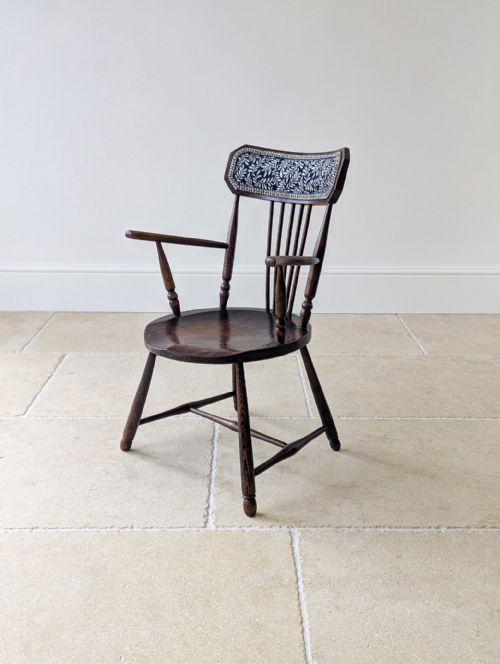
Country Elm Seating
Country elm seating brings together robust vernacular chairs, benches and stools shaped by regional makers for daily farmhouse life.
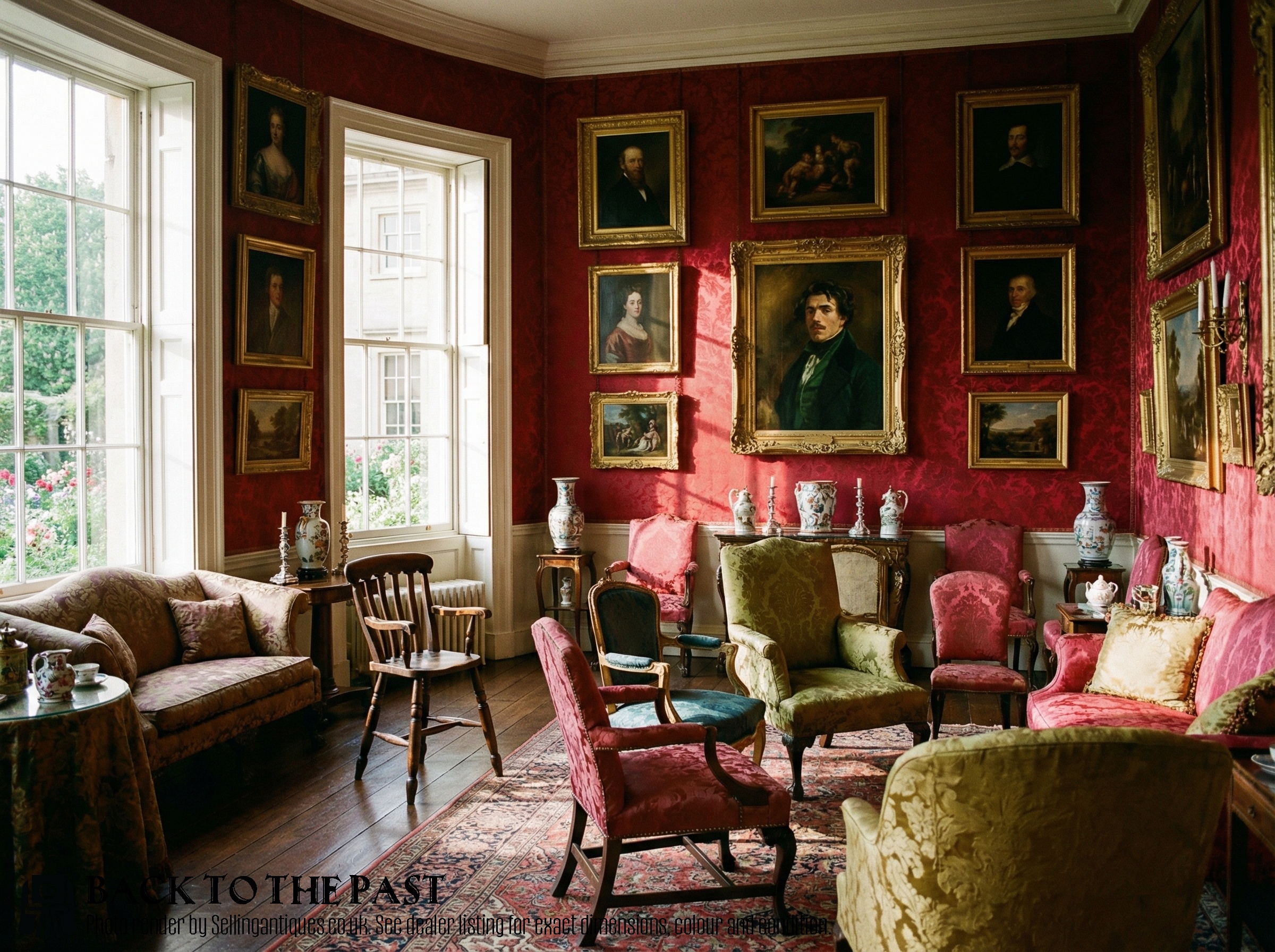
Country Elm Seating
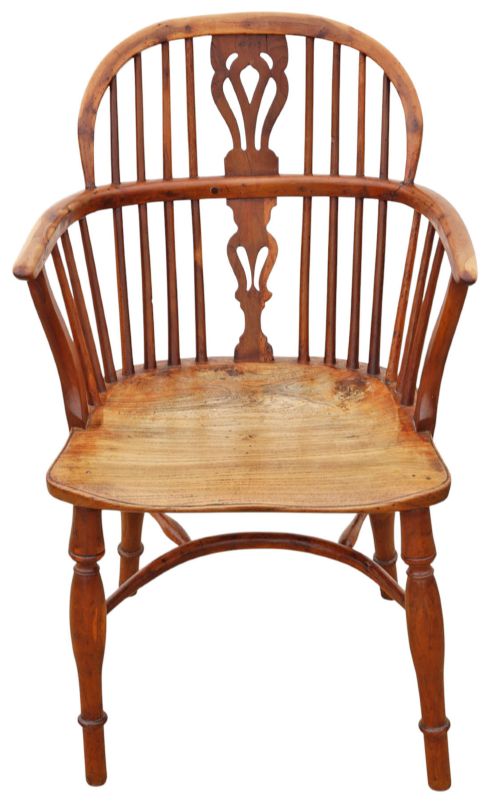
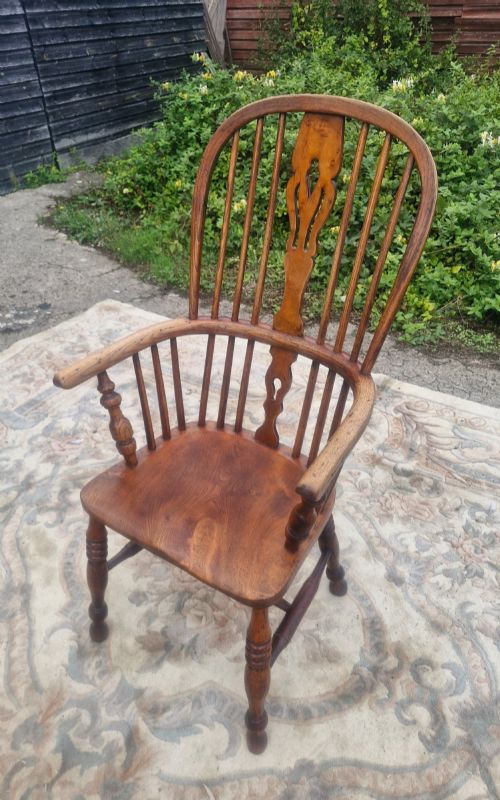
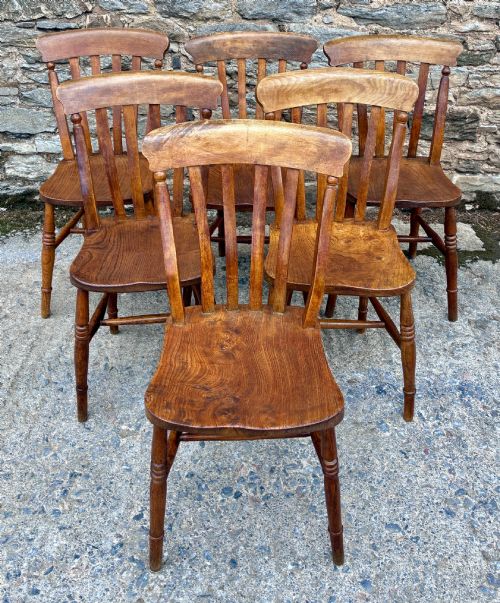
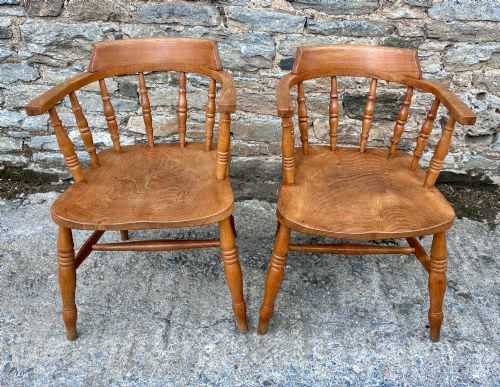
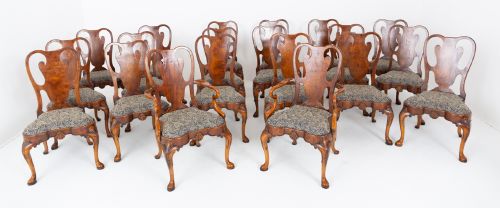
When you search for country elm seating, you encounter sturdy utilitarian furniture designed for practical service in farmhouses, cottages and vernacular interiors. The selection spans several centuries, drawing heavily on Georgian and Victorian periods alongside Edwardian and later interpretations.
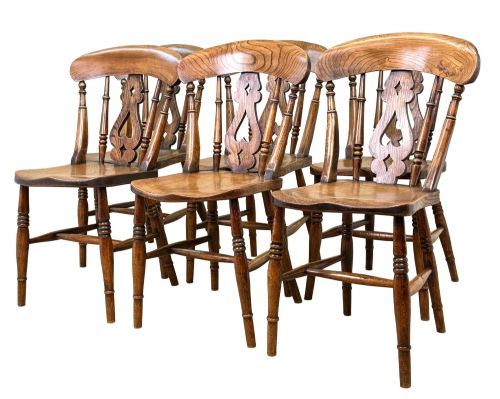
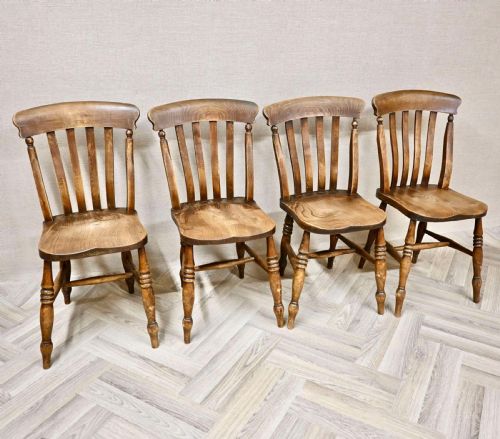
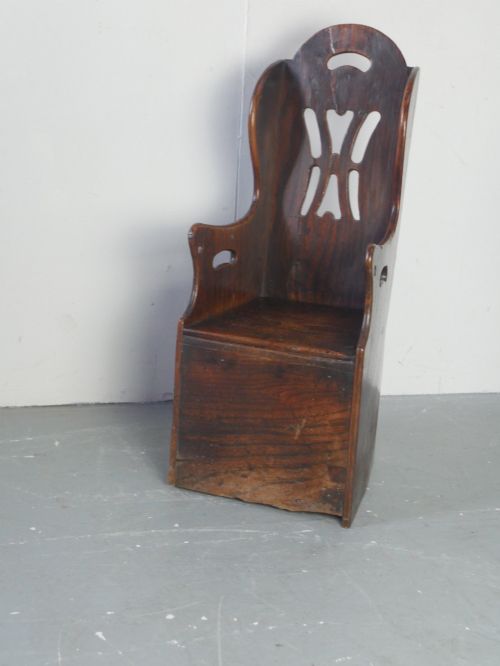
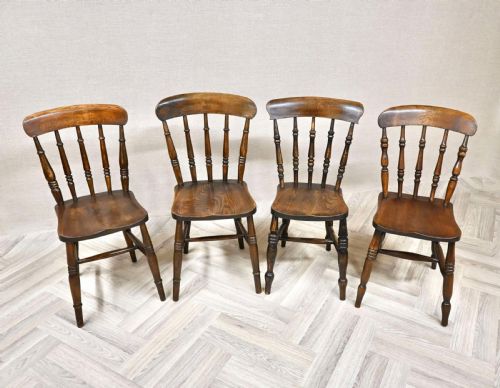
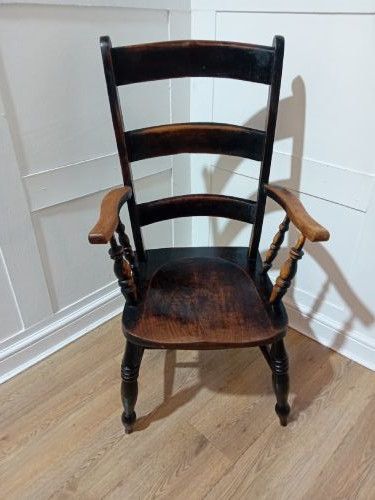
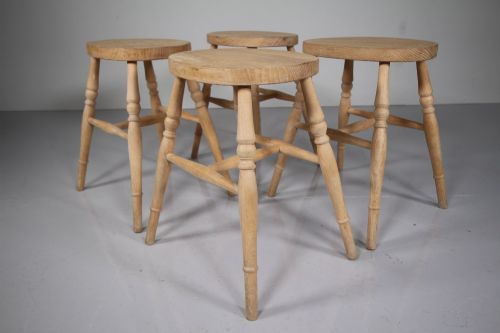
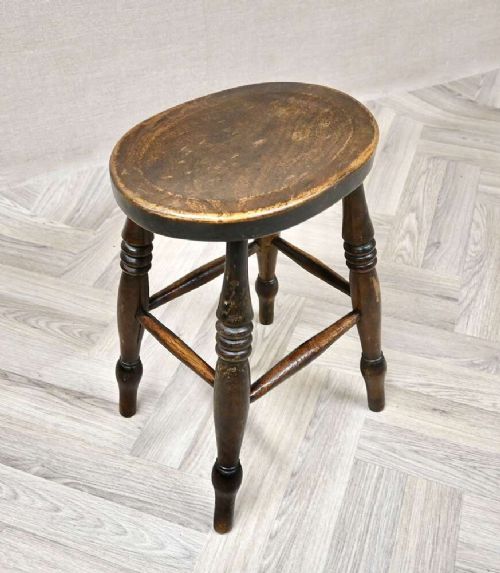
Armchairs and Windsor variations dominate the selection, often accompanied by dining chairs, spindle backs, lathe backs and wheelbacks. Alongside chairs, you find benches, settles with storage boxes, dining stools and children's chairs suited to domestic spaces.
Materials and Construction
Makers utilised elm for its tough, interlocked grain that resisted splitting under heavy use, frequently pairing solid elm seats with complementary woods like ash, beech, yew and oak for spindles, backs and legs.
Traditional green woodworking techniques allowed flexible timbers to be shaped and pegged into solid plank seats, creating resilient joints that endured decades of movement and strain.
Country Elm Seating Retail Price Guide 2026
Typical asking prices for country elm seating among the pieces listed under this phrase on Sellingantiques today, from the lower quarter to the upper quarter. They describe what is for sale here now, not the wider market.
Evaluating Quality and Character
Quality rests in the balance of proportions, the comfort of the saddle-shaped seat, and the integrity of the wedged spindle joints. Examples with original surface finishes and deep natural patina command greater interest than those stripped or overly restored.
The choice of secondary woods also influences the character, particularly where figured yew or contrasting ash and beech create visual depth within a matched set of chairs or a Windsor armchair.
The Country Elm Seating Glossary
- Windsor chair
- A wooden chair built with a heavy solid timber seat into which the legs and back spindles are separately bored and wedged. This method creates a sturdy construction typical of vernacular furniture.
- Saddle seat
- A wooden seat base carved into a concave, contoured shape for comfort. It requires skilled adzing to achieve the characteristic hollowed profile.
- Lathe back
- A chair back featuring flat, vertical wooden splats shaped on a lathe. These provide rigid support compared to turned spindles.
- Settle
- A wooden bench featuring a high solid back and enclosed arms to block drafts. Many include a box base beneath the seat for storage.
- Patina
- The surface sheen and colour developed through years of handling, polishing and exposure to light. It serves as an indicator of age and careful use.
Country Elm Seating: Frequently Asked Questions
How do I spot a genuine Windsor chair?
A genuine Windsor chair relies on a distinct construction where the legs and back pieces insert directly into a thick solid plank seat rather than a traditional frame.
Look for evidence of hand-carved saddle shaping on the seat and traditional wedged tenon joints securing the vertical members.
Why is elm used in vernacular seating?
Elm possesses a twisted, interlocking grain structure that makes the timber exceptionally difficult to split under heavy impact or daily movement.
This resilience made it the preferred choice for solid chair seats that needed to endure harsh farmhouse conditions without cracking.
Are sets of country chairs matching?
Many sets found in country seating are assembled over time rather than produced as uniform factory batches. Slight variations in spindle count or turning details often indicate individual craft work rather than mass production.
Matched sets from the same workshop remain less common than gathered groups of similar vernacular forms.
How should I care for antique elm furniture?
Keep wooden seating away from direct heat sources and sudden temperature shifts to prevent timber shrinkage and joint loosening.
Apply traditional wax sparingly and buff with a soft cloth to maintain the surface condition without sealing moisture into the grain.