

Country Dresser Rack
Country dresser rack pieces are practical timber shelving units and furniture combinations designed for displaying kitchen ceramics, built to organise rural homes.
Country Dresser Rack
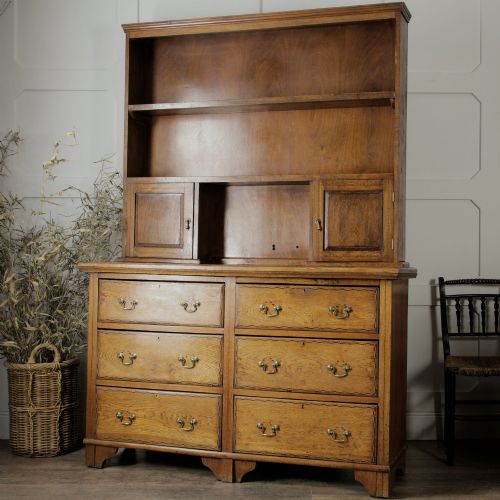
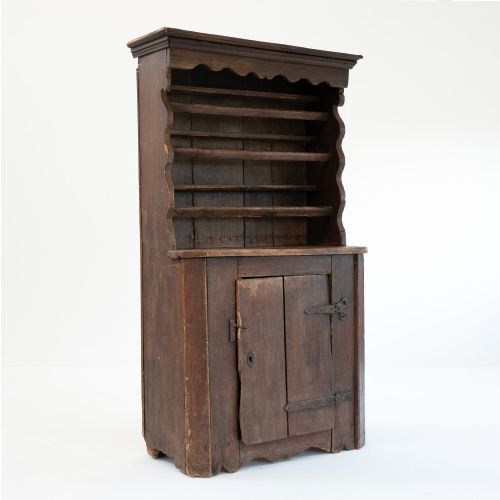
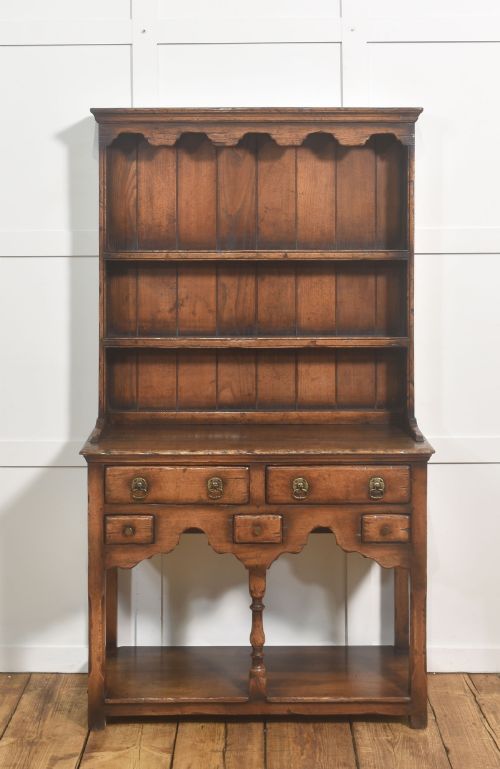
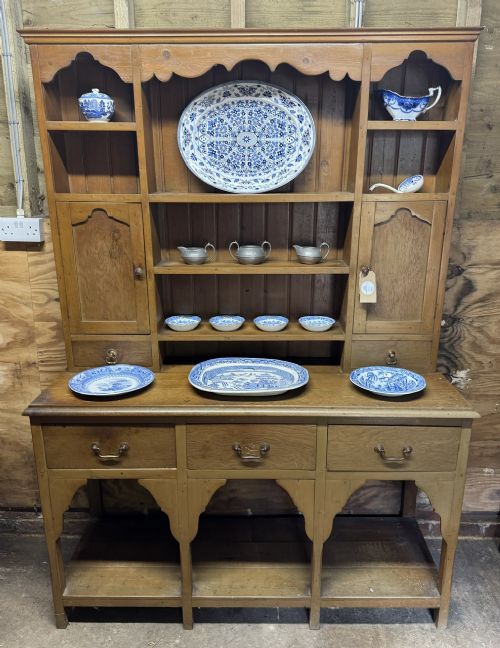
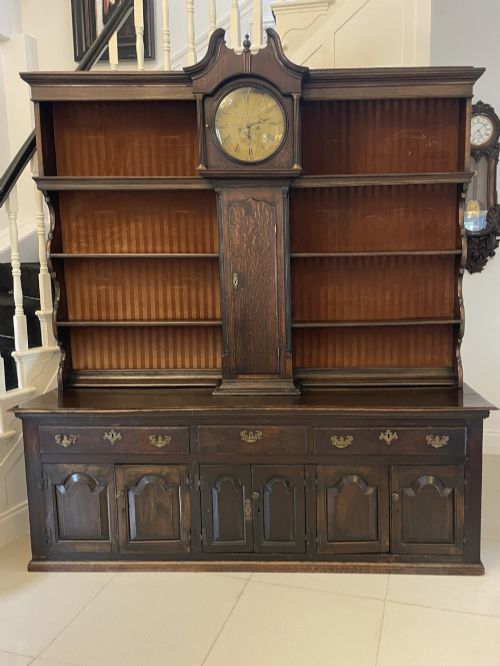
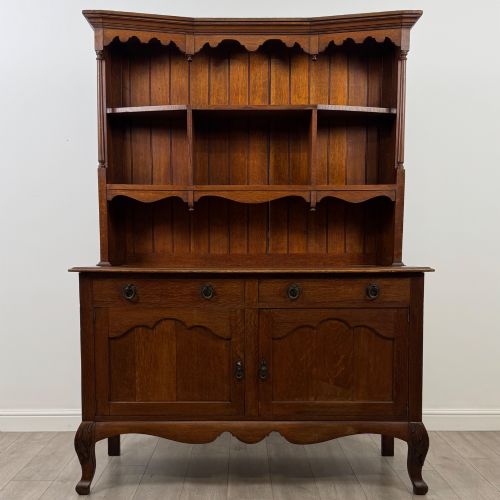
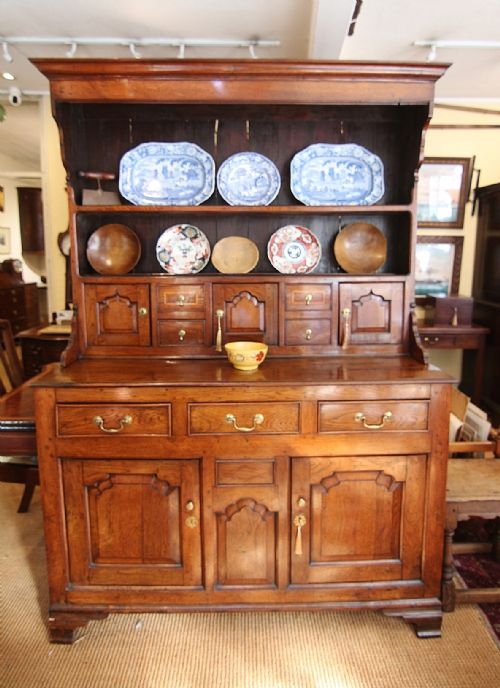
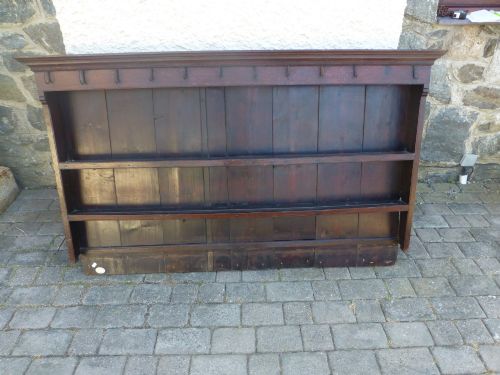
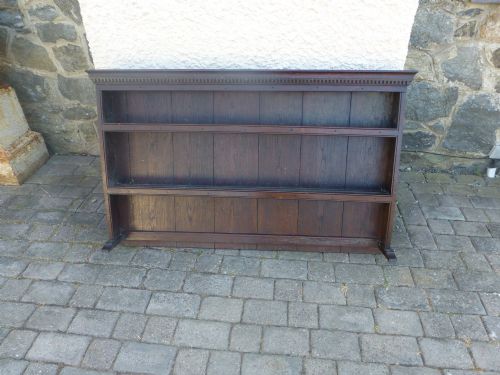
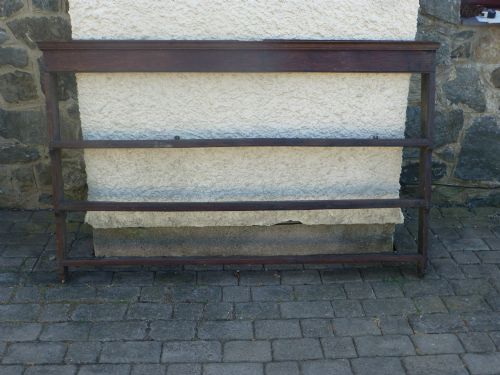
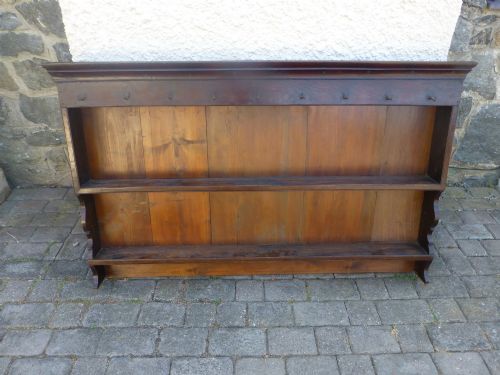
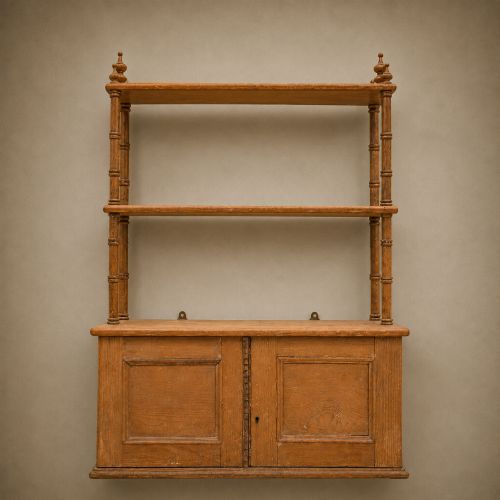
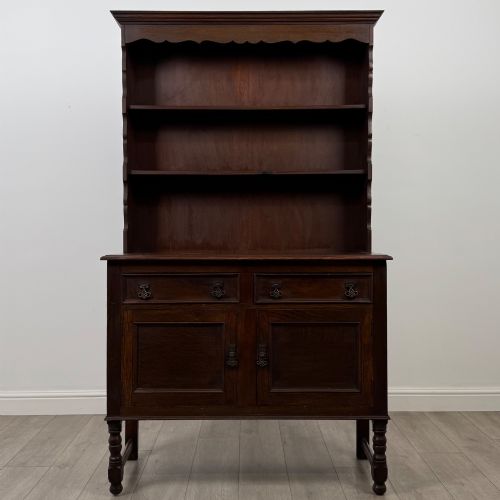
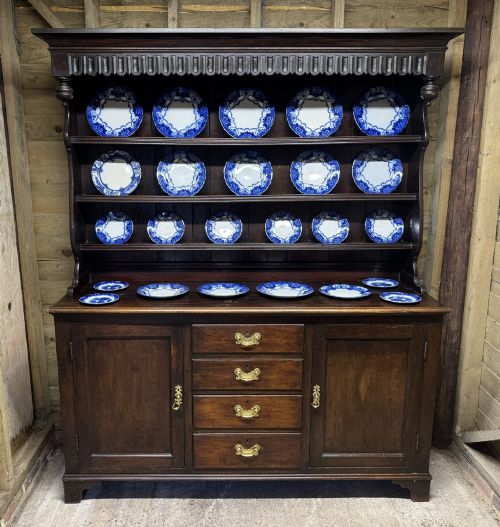
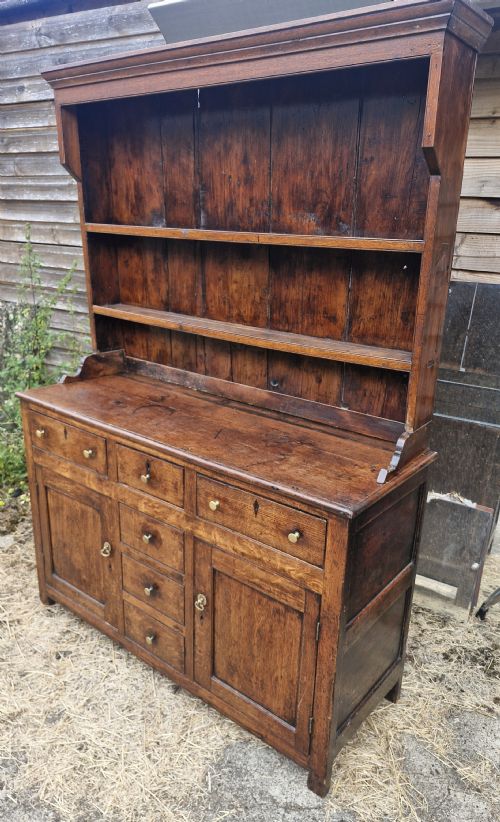
A country dresser rack functions as a display and storage unit for plates, platters, and kitchen utensils in domestic interiors. When exploring a country dresser rack, buyers encounter a mix of wall-mounted plate racks and complete furniture compositions featuring open shelving above cabinetry, drawers, or potboards.
The selections span centuries of regional craftsmanship, originating predominantly from Welsh, English, and Irish rural workshops. Examples frequently combine lower sideboards or bases with upper plate shelves designed to hold ceramic plates upright.
Forms vary from compact pine wall shelves to large oak kitchen dressers with integrated display tiers. Regional characteristics emerge clearly in pieces originating from North Wales, Snowdonia, and Shropshire.
How they were made
Carpenters constructed these furnishings primarily using solid oak and pine, supplemented by mahogany, iron, and brass fittings. Timbers were locally sourced, seasoned, and joined using traditional pegging and dovetail techniques suited to heavy domestic service.
Surfaces exhibit original patinas, wax finishes, or early painted treatments applied to protect the wood and reflect regional domestic preferences. Upper display tiers frequently feature grooved plate rails alongside vertical slats or boarded backs.
Some nineteenth-century Welsh dressers carry memories of their past service near mountain cafes.
What varies in quality
Quality separates along the lines of timber selection, structural integrity, and the survival of original surface finishes. Superior examples retain their untouched patinas, original brass or iron hardware, and unaltered plate racks.
Regional detailing and complexity of construction distinguish standard utility furniture from sophisticated vernacular pieces. Refined mouldings, integrated potboards, and pegged joinery elevate the standing of individual dressers.
The Country Dresser Rack Glossary
- Potboard
- A lower open shelf built into the base of a dresser to store heavy pots and culinary vessels. This timber platform sits just above the floor.
- Delft rack
- An upper set of open shelves specifically designed for displaying ceramic plates and platters upright. The shelves typically incorporate a narrow groove to prevent plates from slipping forward.
- Vernacular
- Furniture built by local rural craftsmen using regional traditions rather than following metropolitan academic designs. These pieces reflect the specific needs and material availability of their local area.
- Patina
- The deep surface sheen and mellow colour acquired by timber through decades of handling, polishing, and natural ageing. This finish cannot be artificially replicated with modern methods.
Country Dresser Rack: Frequently Asked Questions
How do I hang a wall plate rack?
Wall-mounted racks require secure fixings into structural wall studs or masonry to support the heavy weight of wooden frames and stacked ceramics. Fixing points should be checked to ensure the unit remains level against the wall.
Because these racks bear substantial loads when filled with plates, professional installation using appropriate wall anchors is recommended for older pine and oak structures.
What is the difference between oak and pine dressers?
Oak dressers typically display dense grain patterns and a harder surface, reflecting their use in earlier Georgian and regional Welsh workshops. Pine furniture generally offers a softer texture and was widely utilised for painted or waxed kitchen pieces.
Both timbers provide distinct visual qualities, with oak developing a rich dark patina over centuries while pine often carries lighter domestic finishes.
How should I clean a waxed wooden rack?
Maintenance involves dusting with a soft, dry cloth to prevent dirt accumulation within the grain and carved mouldings. Avoid harsh chemical cleaners that can strip the historic wax and dry out the timber.
Applying a traditional beeswax periodically helps nourish the wood and preserves the original surface sheen without altering the patina.
Are these racks suitable for modern kitchens?
These timber units integrate well into contemporary spaces by providing functional open storage for everyday ceramics and decorative kitchenware. Their scaled proportions suit dining rooms, pantries, and kitchen walls alike.
The combination of shelving and display space offers a practical method for organising tableware while introducing historical character to a room.