



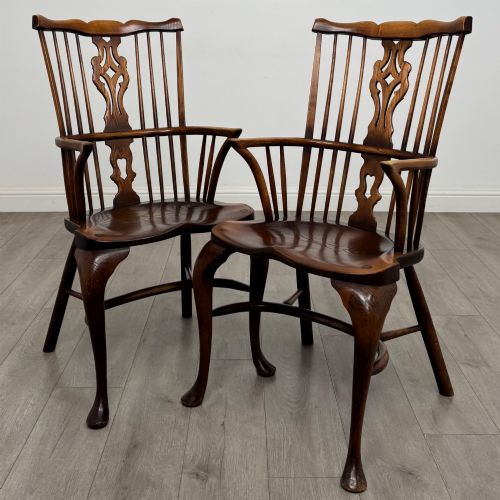
Country Carver Chair
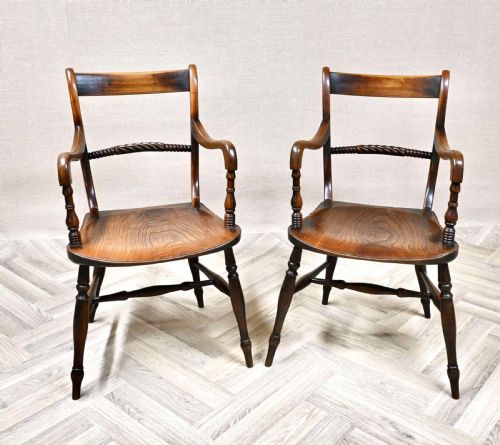
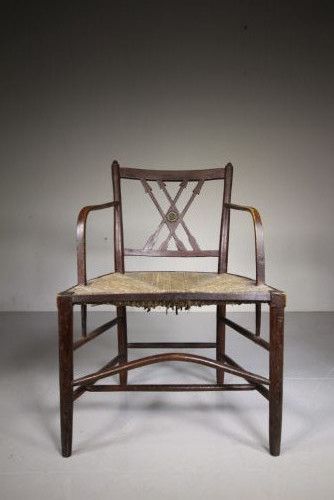
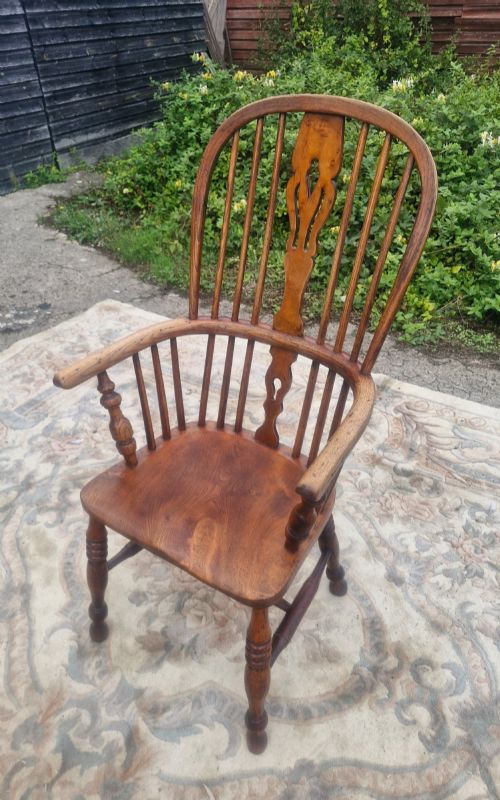
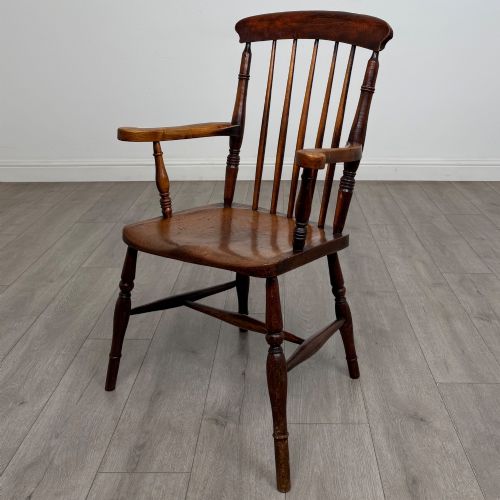
When you search for a country carver chair, you encounter sturdy armchairs rooted in regional vernacular traditions and crafted for daily use.
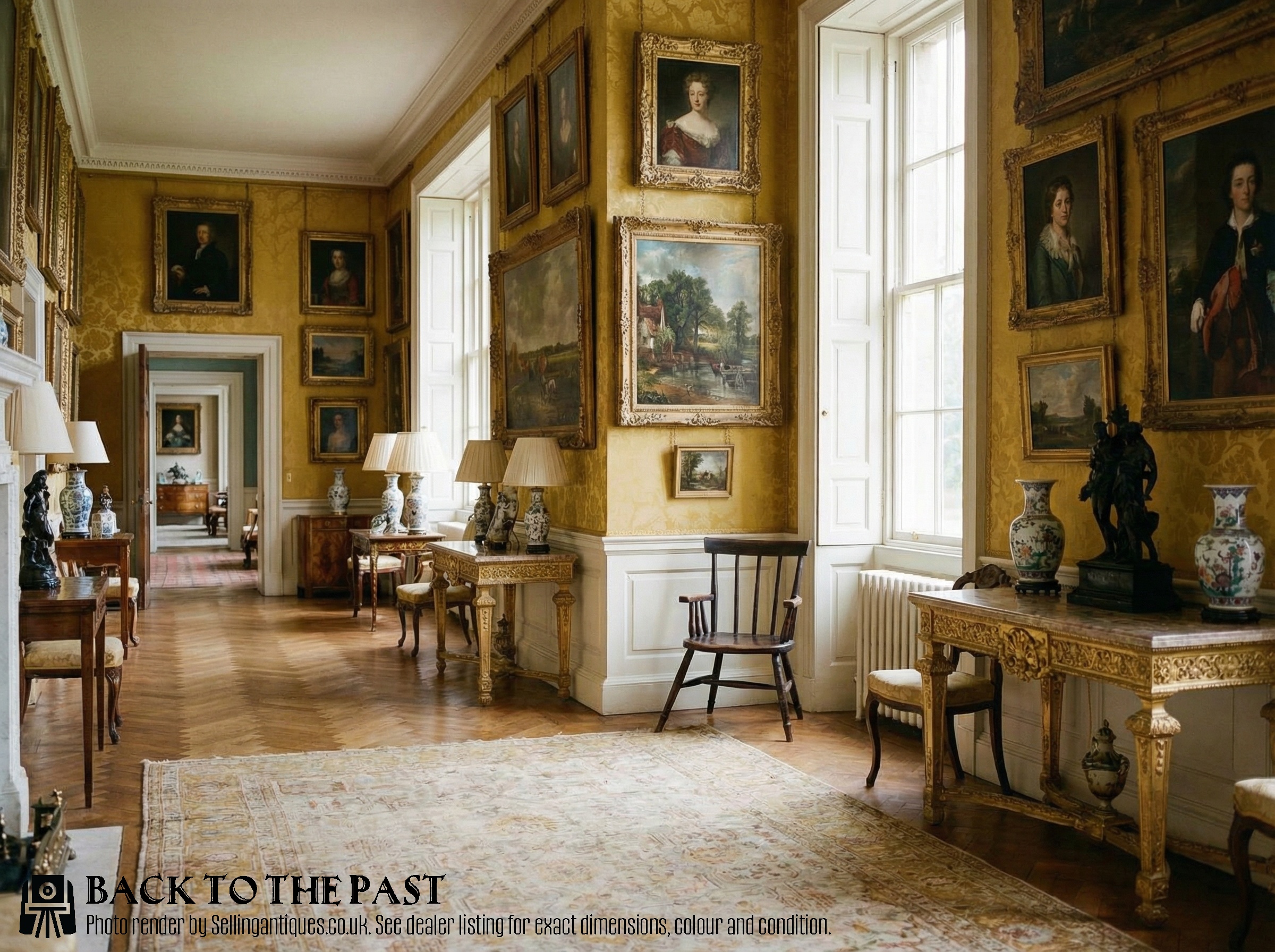
Country Carver Chair
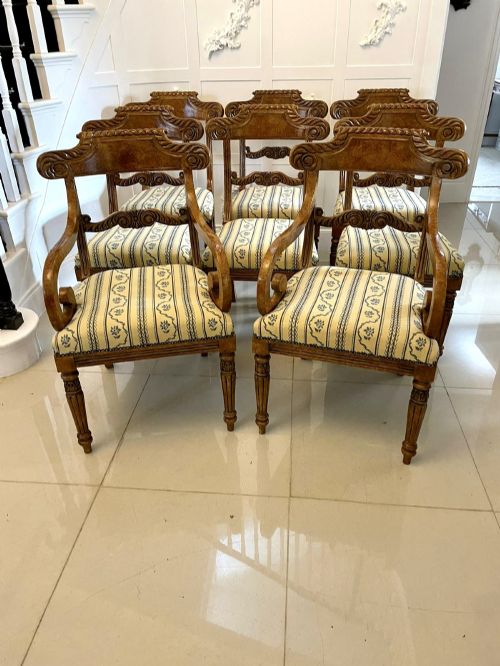
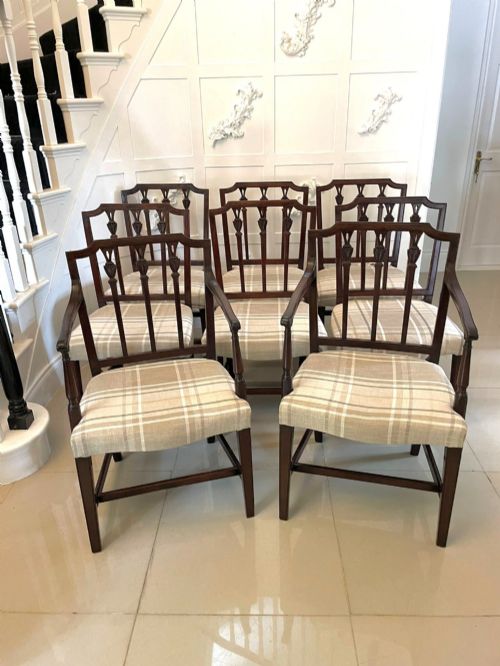
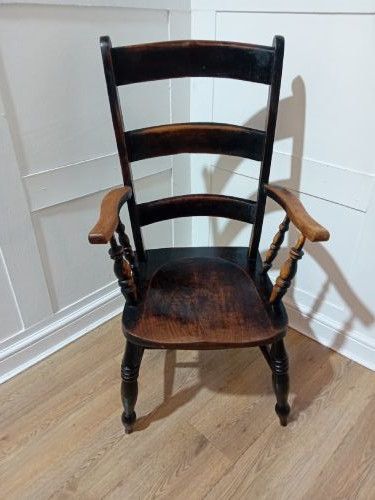
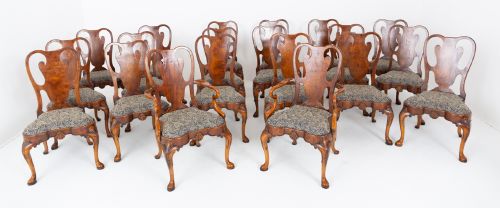
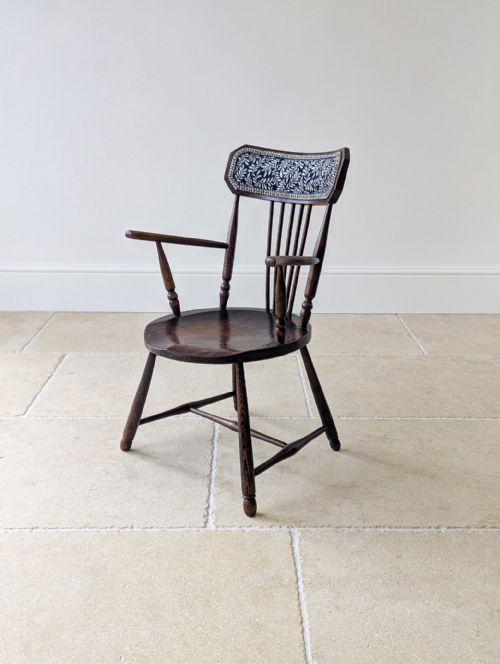
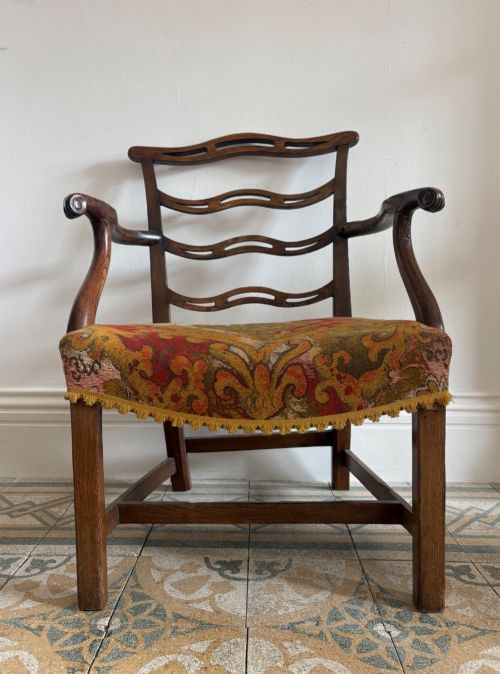
A country carver chair is an armchair with structural arms designed for domestic use, frequently found in regional variations across Britain. These seating pieces span several centuries, with prominent examples originating in the Georgian and Victorian eras.
Makers working in rural areas utilised local timber to build these functional seats, resulting in vernacular designs that reflect the specific county or district of their origin.
Materials and Construction Techniques
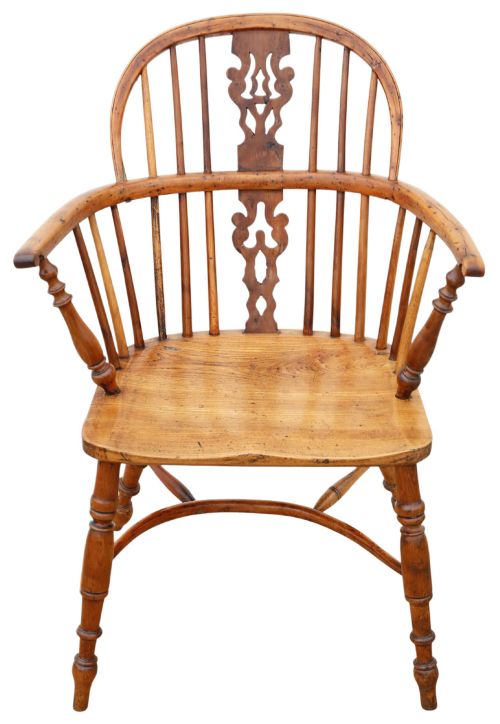
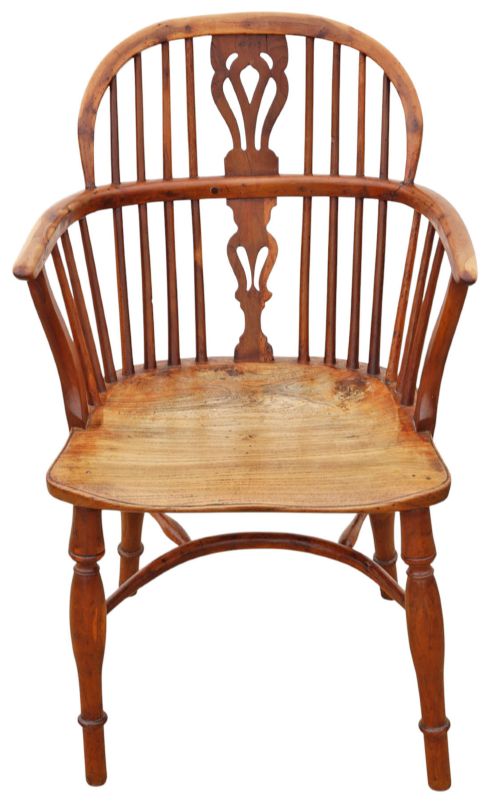
Makers combined multiple timbers within a single frame, pairing dense woods like elm for shaped seats with resilient ash, beech, or oak for bent parts and spindles. Yew appears in higher status chairs, prized for its rich grain and strength.
Surfaces frequently show original painted finishes, patinated wax, or scrubbed timber surfaces resulting from generations of domestic upkeep and wear.
Country Carver Chair Retail Price Guide 2026
Typical asking prices for country carver chair among the pieces listed under this phrase on Sellingantiques today, from the lower quarter to the upper quarter. They describe what is for sale here now, not the wider market.
Listings feature elm, ash, oak, beech, and yew wood across eighteenth and nineteenth-century periods.
Evaluating the Range
The standard of a country carver rests upon the integrity of its timber selection and the complexity of its turning. Chairs possessing finely sculpted saddle seats and well-balanced hoop backs command greater attention from collectors.
Originality of surface finish and minimal structural replacement dictate the standing of a piece within the broader market. Vernacular idiosyncrasies executed by skilled regional joiners elevate individual examples above standard utility seating.
Philip Clissett
The Country Carver Chair Glossary
- Carver
- An armchair designed in the same style as a set of dining chairs, traditionally used at the head of a table.
- Windsor
- A chair constructed with a solid wooden seat into which the legs and back spindles are directly joined.
- Vernacular
- Objects made by regional artisans using local traditions and materials rather than following metropolitan academic designs.
- Comb-back
- A Windsor chair variation where the central vertical spindles extend through a low top rail to form a crest resembling a comb.
- Rush seat
- A woven seating surface made from dried marsh plants, commonly found on ladder-back and regional country chairs.
Country Carver Chair: Frequently Asked Questions
What is a country carver chair?
A country carver chair is an antique armchair with integrated armrests, made in regional workshops rather than city centres. These pieces were built for everyday utility in kitchens, farmhouses, and vernacular settings.
They reflect local cabinet-making traditions, utilising native British timbers such as elm, ash, and oak. Collectors value them for their honest construction and regional character.
How do I date a country carver?
Dating relies on examining construction methods, tool marks, wood species, and wear patterns. Georgian examples often display lighter proportions or characteristic Chippendale influences, while Victorian pieces tend to be heavier.
Turned components and seat shaping also shift across periods, moving from eighteenth-century vernacular forms toward more standardised nineteenth-century production.
Were these chairs used at dining tables?
Many carvers served as the primary armchairs for the heads of households at dining tables, often accompanied by matching sets of single chairs. Others functioned as reading, kitchen, or fireside chairs.
Their robust construction made them versatile seating options that moved between rooms depending on household needs.
How do I care for antique wood?
Maintain antique wooden chairs by keeping them away from direct heat sources and dramatic humidity fluctuations, which cause timber to split. Apply microcrystalline wax sparingly to nourish the wood surface and preserve the historic patina.
Avoid aggressive cleaning agents that strip away original finishes and accumulated layers of historic polish.