



Corner Display Bookcase
A corner display bookcase turns wasted wall angles into architectural presence, housing favourite volumes behind glazed doors.
Corner Display Bookcase
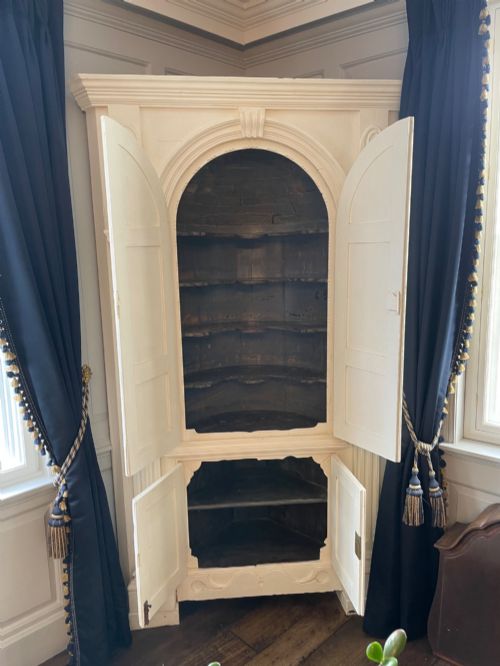
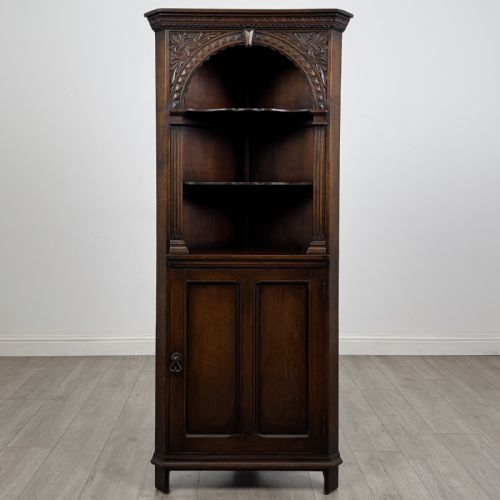
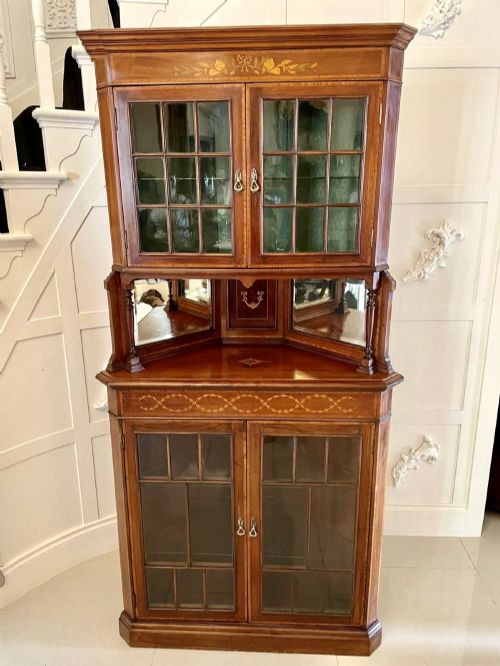
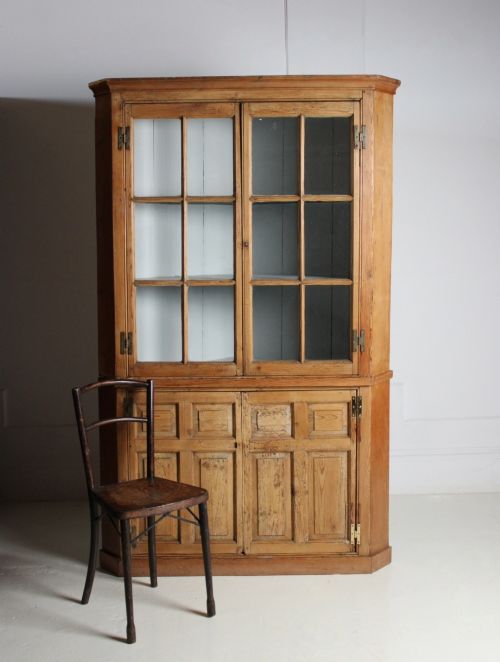
A corner display bookcase brings together fitted shelving and glazed cabinetry designed specifically to fit the intersection of two walls, making economical use of awkward room angles. These pieces appear frequently in Georgian, Victorian, and Edwardian iterations, spanning freestanding single-tier cupboards to imposing double-height structures.
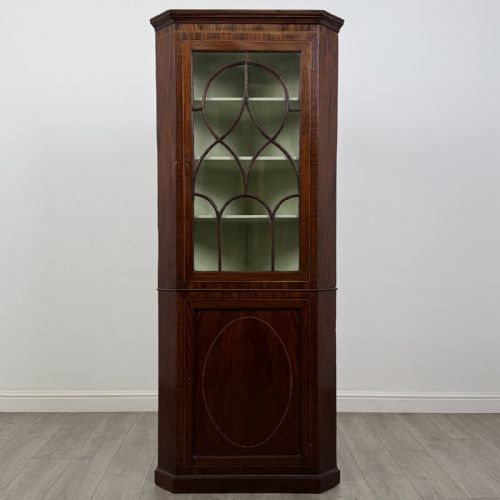
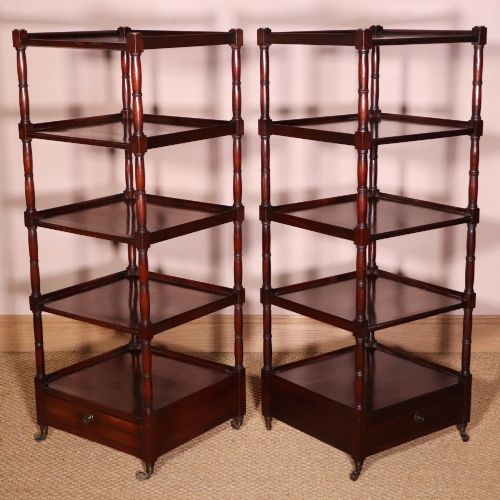
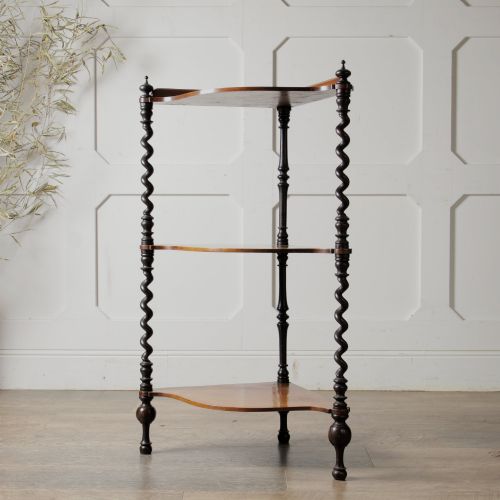
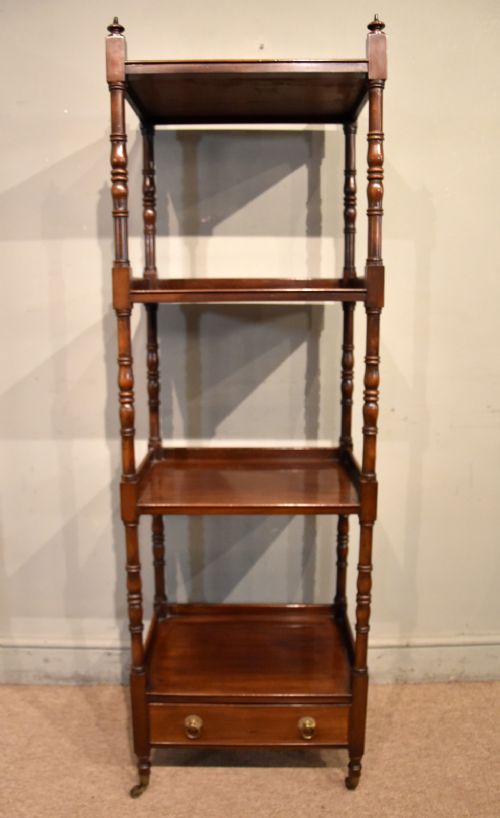
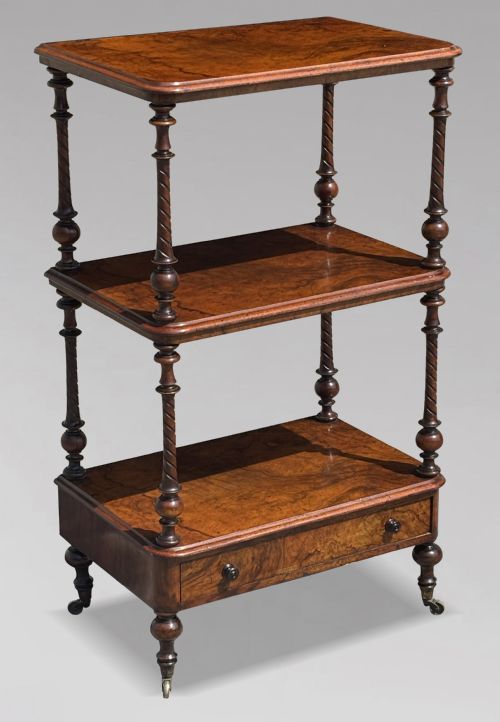
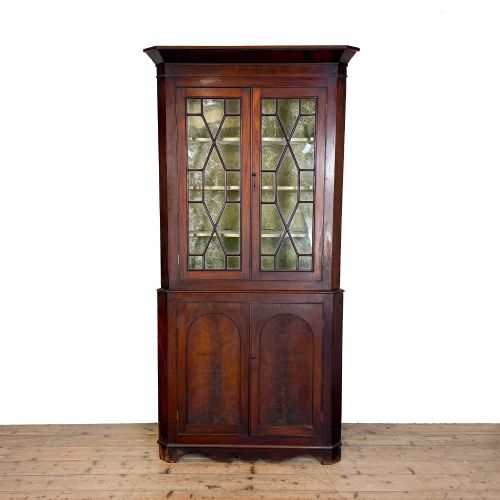
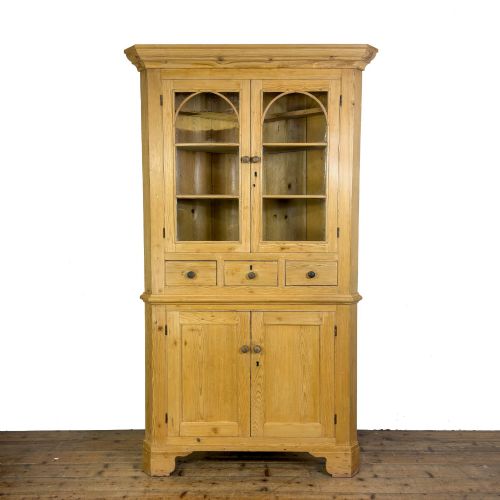
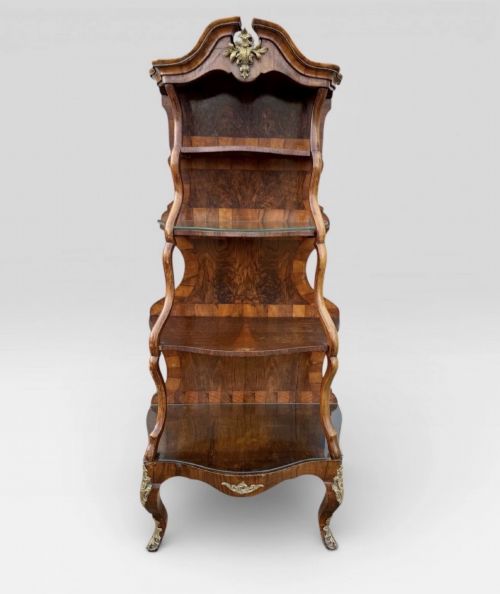
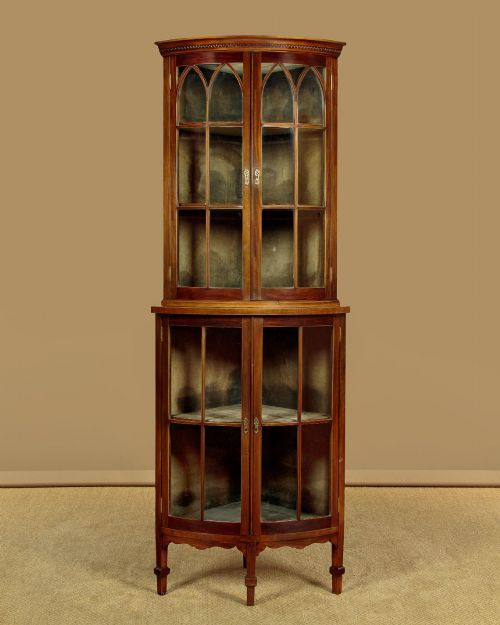
The primary forms found here include standing corner cupboards, tiered whatnots, and shelved display cabinets with either wooden paneling or astragal glazing. Buyers most commonly encounter mahogany and walnut constructions from the nineteenth century, often finished with satinwood inlay or brass mounts.
Distinguishing quality in construction
The division between standard workshop output and exceptional cabinet-making rests in timber selection and decorative restraint. Pieces featuring dense burr walnut veneers, precise marquetry, and well-balanced proportions command attention through their material depth rather than mere ornamentation.
Joinery execution defines the enduring stability of these items, visible in the snug fit of door mitres and the crisp turning of internal shelves or upright supports. Superior examples maintain original glass panes, functional brass hardware, and harmonious wood grain matching across prominent visible surfaces.
Corner Display Bookcase Retail Price Guide 2026
Typical asking prices for corner display bookcase among the pieces listed under this phrase on Sellingantiques today, from the lower quarter to the upper quarter. They describe what is for sale here now, not the wider market.
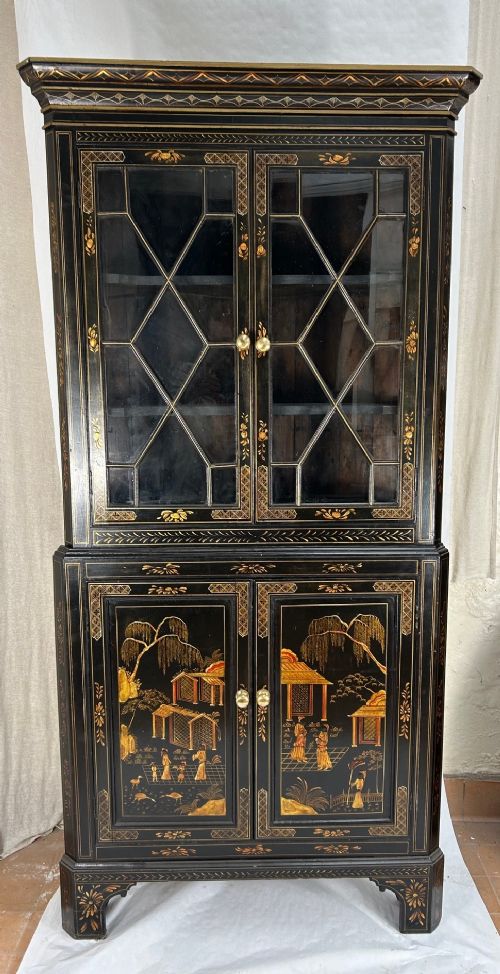
A Dutch painted vitrine waits patiently to judge your porcelain collection.
Edwards And Roberts·Goodhall, Lamb and Heighway·Maurice Adams
The Corner Display Bookcase Glossary
- Astragal glazed
- Glass panels divided into smaller panes by slender wooden mouldings called glazing bars. These frames provide traditional structural support while creating a decorative grid pattern across the cabinet door.
- Whatnot
- An open shelving unit with three or more tiers supported by vertical columns or pillars. Makers designed these pieces to hold books, ornaments, or small display items in sitting rooms.
- Marquetry
- Decorative veneer patterns formed by fitting together small pieces of different coloured wood, shell, or ivory into a wooden background. This technique creates pictorial or geometric surface designs.
- Barley twist
- A woodworking technique where a lathe cuts a spiral twist resembling a rope or barley stalk into a column or support leg. This decorative turning appears frequently on nineteenth-century furniture.
- Serpentine front
- A furniture front shaped with a central convex curve flanked by two concave curves. This undulating profile requires skilled carpentry to shape timber and matching veneers.
Corner Display Bookcase: Frequently Asked Questions
How do I fit a corner bookcase?
Measure the wall angle precisely to ensure the back edges sit flush against the plaster, accounting for any skirting boards or picture rails that might push the unit forward. Most antique cabinets require securing to the wall via concealed brackets for stability.
Ensure the floor is level using small shims if necessary, as older timber carcases can twist if forced onto uneven floorboards over time.
Were these cabinets made in one piece?
Many larger examples, particularly double-height or Georgian double corner cabinets, were constructed in two separate sections consisting of a lower cupboard and an upper display unit. This made transport through domestic stairwells and doorways manageable.
Smaller Edwardian and Victorian variants usually arrived as single fixed units, while open whatnots could sometimes be dismantled by unscrewing their vertical support columns.
How do I clean mahogany finishes?
Dust regularly with a dry, soft, lint-free cloth along the grain to prevent particulate accumulation from dulling the shellac or wax polish. Avoid household silicone sprays, which leave a stubborn film that attracts further dirt.
Apply a traditional beeswax sparingly once or twice a year to nourish the timber, buffing gently to maintain a soft natural sheen without heavy gloss.
Can these hold heavy books?
Open lower cupboards and sturdy Georgian shelves handle heavier volumes easily, but slender multi-tier whatnots or delicate Edwardian display shelves suit lighter books and decorative objects better. Check the thickness of the shelf boards and the strength of their internal supports before loading them.
Distribute weight evenly across the shelves, placing larger folios on the lowest tier to maintain a secure centre of gravity.