

Corinthian Column Light
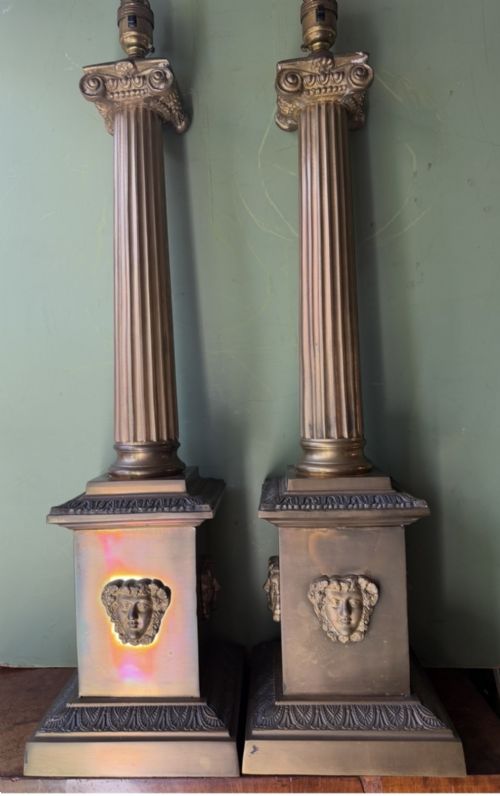
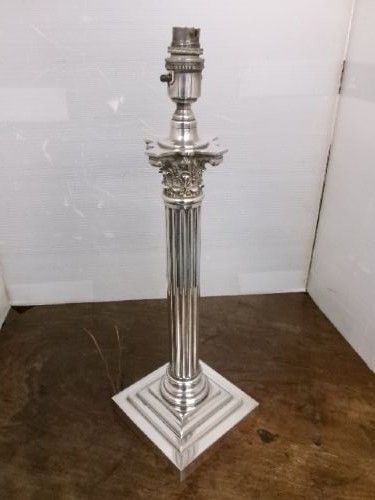
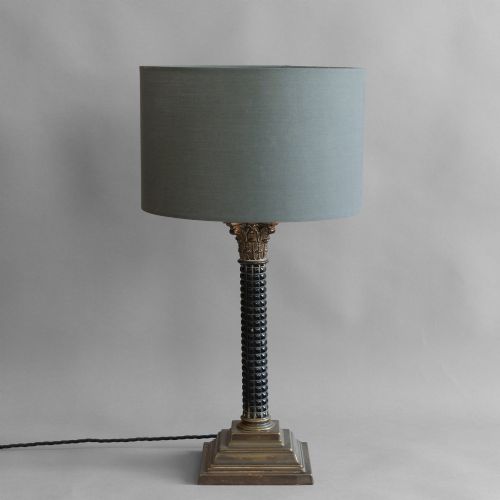
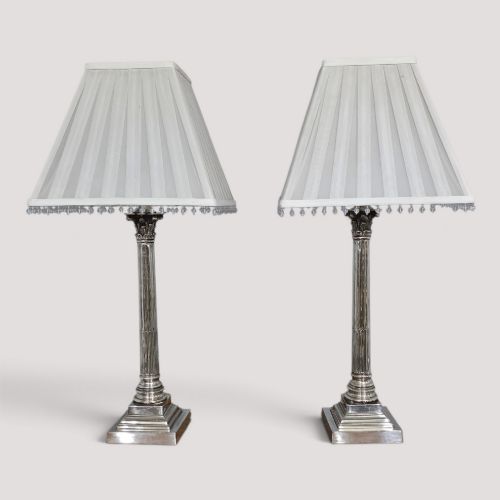
A corinthian column light brings architectural dignity to a room, standing on classical capitals cast in brass or silver plate.
Corinthian Column Light
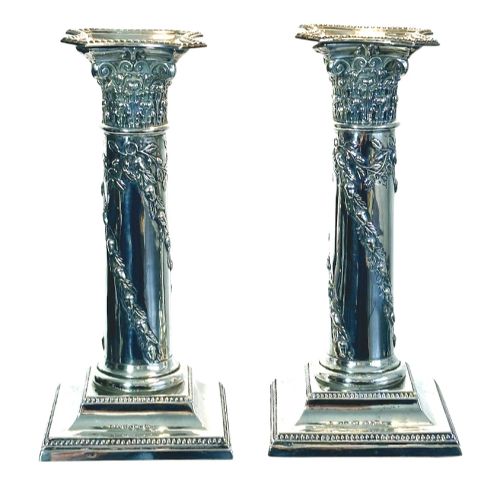
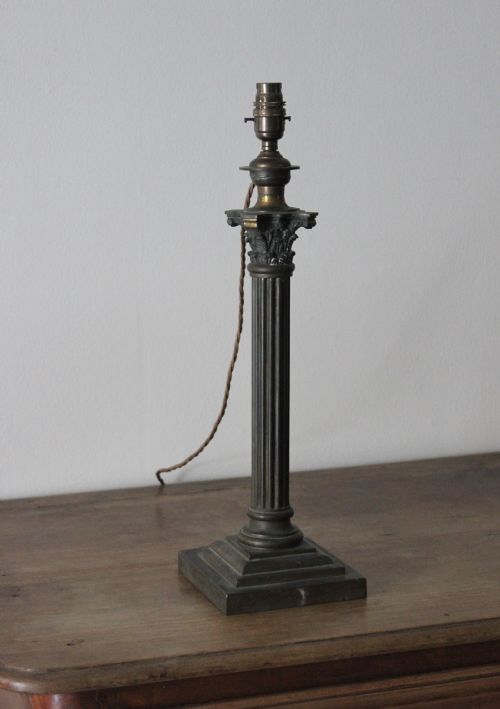
A corinthian column light takes the classical proportions of ancient architecture and scales them down for domestic interiors. You will find these pieces spanning the Victorian and Edwardian eras, emerging primarily as table lamps, oil lamps, candlesticks, and floor lamps.
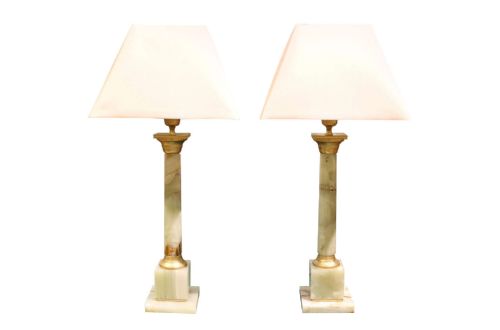
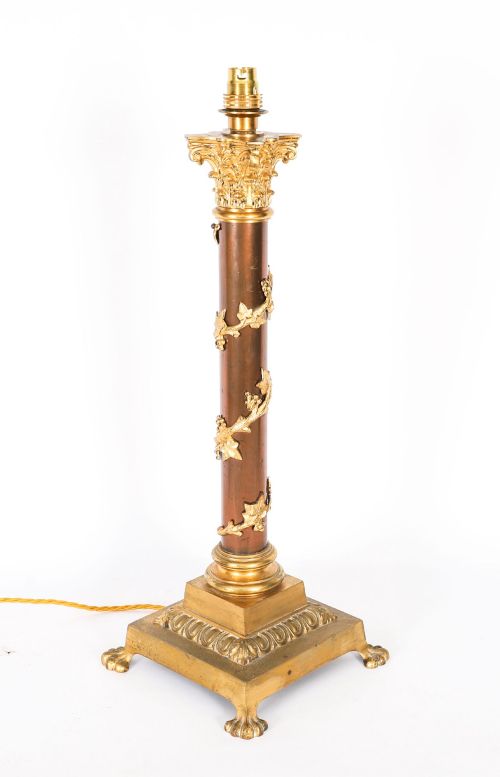
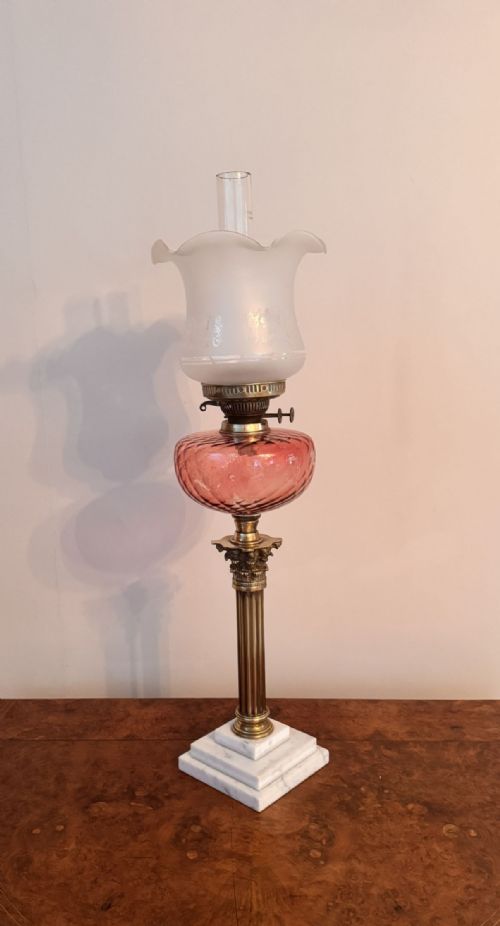
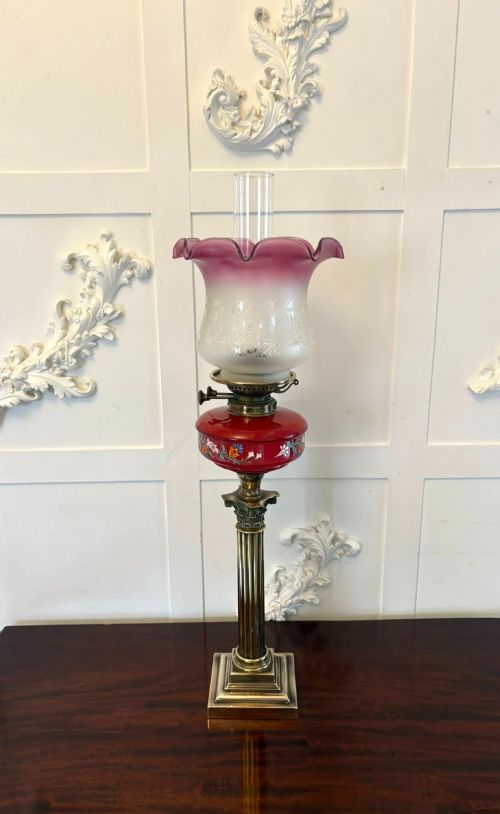
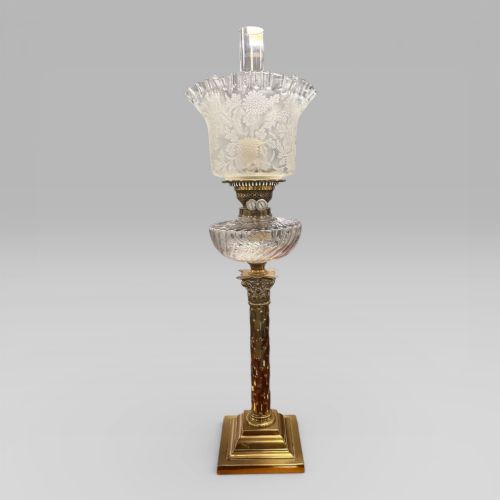
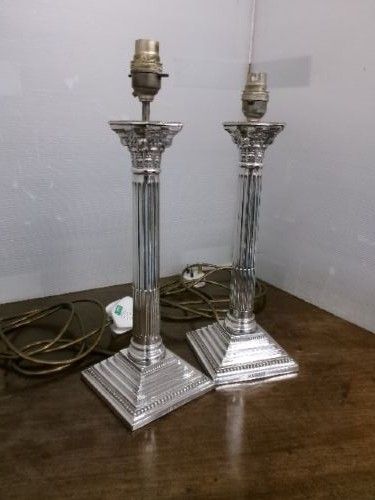
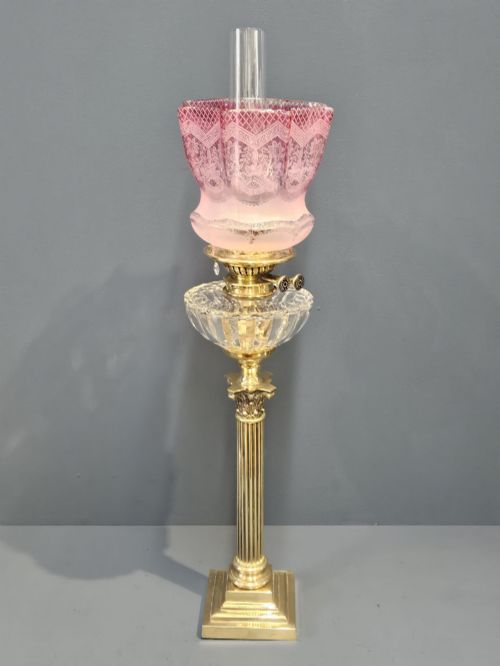
The form relies on a fluted or smooth column rising from a stepped base, crowned with ornate acanthus leaf capitals. The selection here leans heavily toward Victorian brass and silver-plated examples, alongside occasional standard lamps and pairs designed for symmetry.
How they were made
Metalworking defines these pieces, with heavy use of brass and silver plate cast in sections before being assembled around a central core. Makers incorporated cut glass, onyx, and marble into the shafts or fonts, adding colour and textural contrast to the metallic structures.
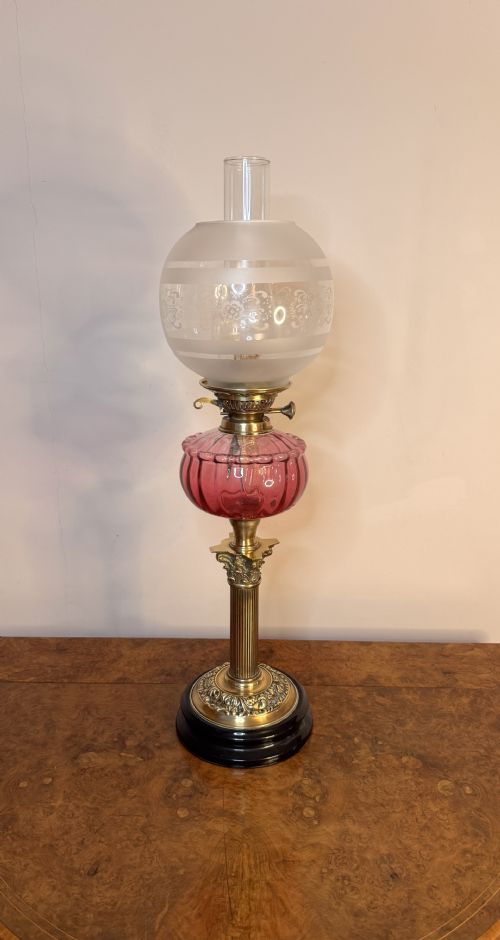
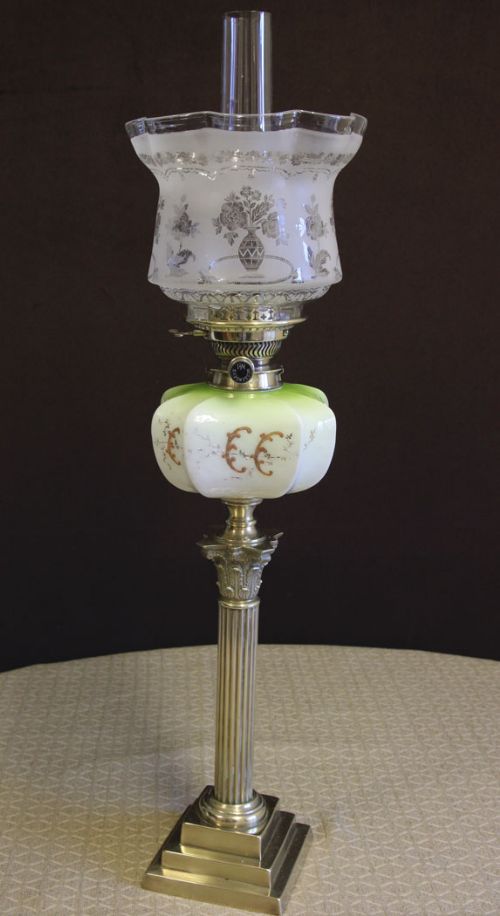
Oil lamps frequently featured hand-blown glass shades, including cranberry glass and etched tulip designs, paired with duplex burners. Candlesticks and conversion lamps utilised sterling silver or robust base metals finished with detailed chased decoration upon the capitals.
Corinthian Column Light Retail Price Guide 2026
Typical asking prices for corinthian column light among the pieces listed under this phrase on Sellingantiques today, from the lower quarter to the upper quarter. They describe what is for sale here now, not the wider market.
Materials across these listings span brass, silver plate, sterling silver, cut glass, fabric, onyx, and marble.
What varies in quality
The crispness of the casting on the capital sets the standard for these columns, as sharp, deep acanthus leaf detailing marks superior craftsmanship over soft, worn moulding. Heavier gauge metals and substantial weighted bases provide stability and a reassuring heft.
Maker marks and stamps from established silversmiths or brass founders elevate certain pieces, distinguishing standard commercial production from workshop excellence. The integration of high-grade materials like solid sterling silver or intact, decorative coloured glass fonts further separates the finest examples.
Hinks of Birmingham·Goldsmiths and Silversmiths Company·John Round and Son
The Corinthian Column Light Glossary
- Capital
- The uppermost member of a column, carved or cast with acanthus leaves and scrolls in the Corinthian style.
- Duplex burner
- A type of double-wick oil burner commonly found on late 19th-century lamps to provide a brighter flame.
- Standard lamp
- A tall floor-standing lighting fixture designed to illuminate a room from a raised position.
- Silver plate
- A thin layer of silver fused to a base metal core, widely utilised for Victorian and Edwardian lighting.
Corinthian Column Light: Frequently Asked Questions
How do I date a corinthian column lamp?
Dating relies on examining the manufacturing techniques, materials, and any maker's marks stamped into the metal base. Victorian examples frequently display heavier brass casting and registration numbers, while later Edwardian pieces often incorporate silver plating and modified burner mechanisms.
Changes in the glass shades and wiring conversions also offer clues to the decade of production. Comparing the style of the stepped base and the crispness of the capital against dated pieces in the archive helps narrow the period further.
Were these originally oil lamps?
Many surviving examples began life as oil lamps before being converted to electricity during the 20th century. You can identify these by the threaded burner collar at the top of the column where the original glass font once sat.
Other pieces started out as candlesticks or were manufactured specifically as electric table lamps in the Edwardian period. Conversions are standard practice and do not diminish the decorative appeal of the brass or silver-plated metalwork.
What is a standard lamp?
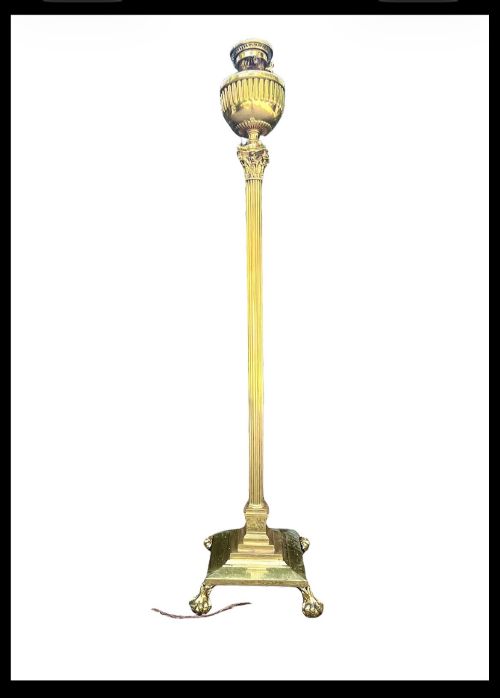
A standard lamp is a tall floor lamp designed to stand directly on the floor and cast light from a greater height than a table lamp. These pieces share the same architectural column and capital motifs as smaller candlesticks and desk lamps.
They function well beside armchairs or in room corners, providing substantial vertical presence and Neoclassical styling. The heavier weighted bases ensure stability despite the extended height of the metal shaft.