


Copper Wash Boiler
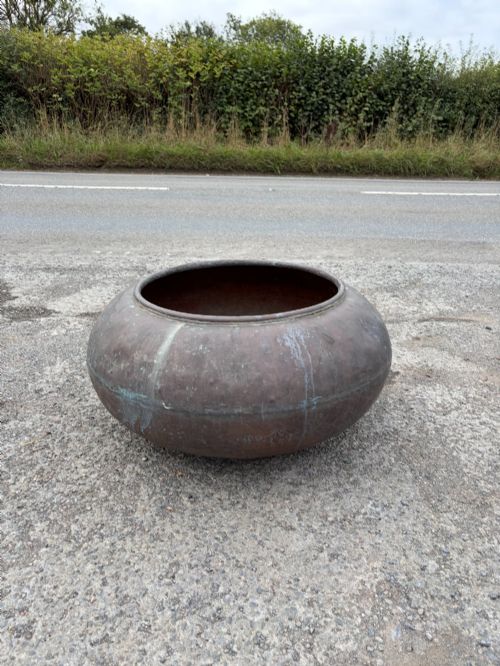
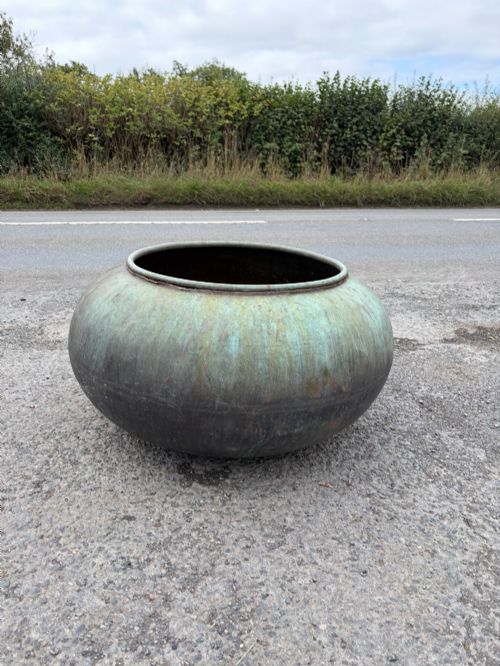
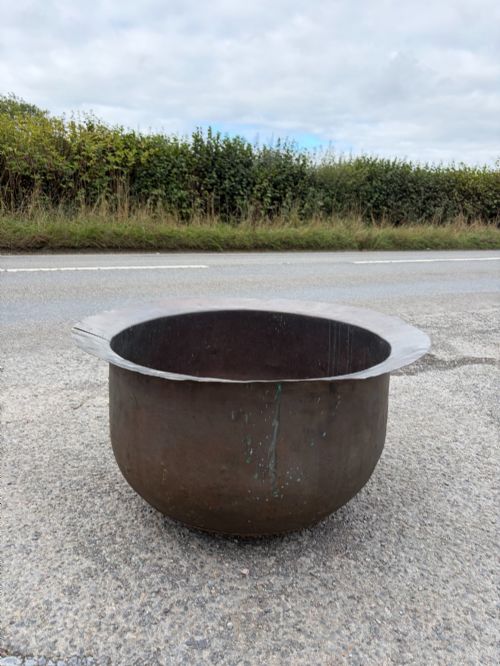
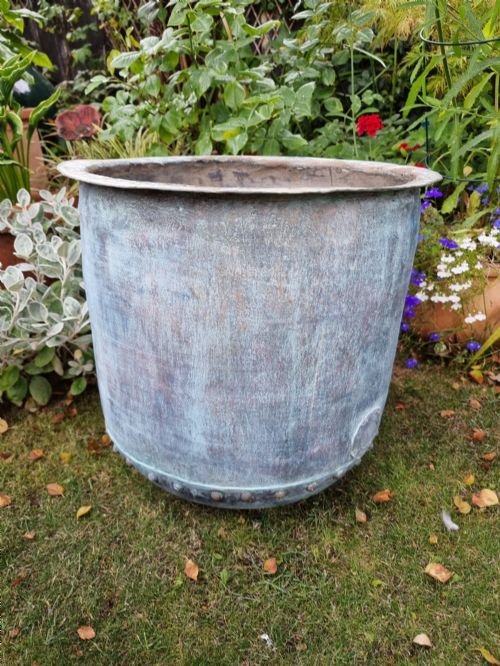
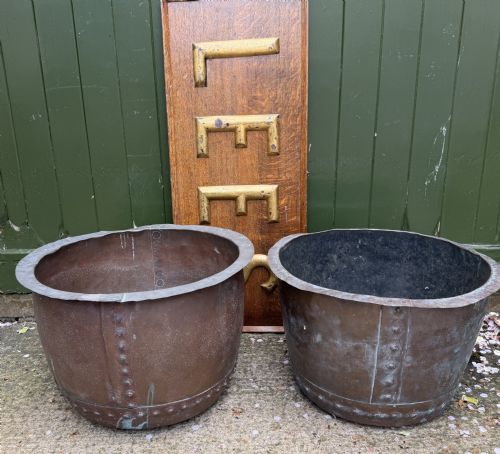
These robust copper wash boiler vessels bring industrial warmth to contemporary rooms and gardens as planters or log bins.
Copper Wash Boiler
A copper wash boiler search reveals heavy vessels originally used for heating water and laundering, spanning the eighteenth, nineteenth, and early twentieth centuries. These sturdy items appear in styles ranging from Georgian and Victorian utilitarian to rustic farmhouse and country.
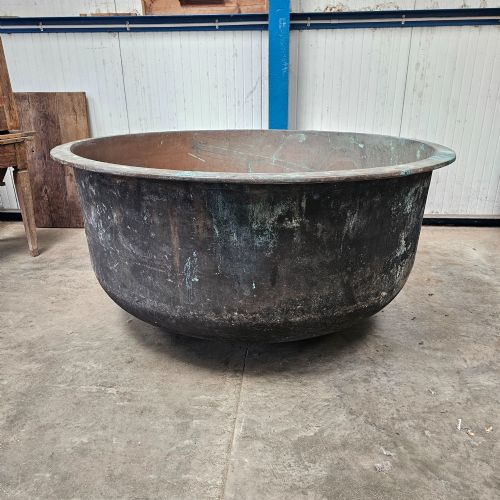
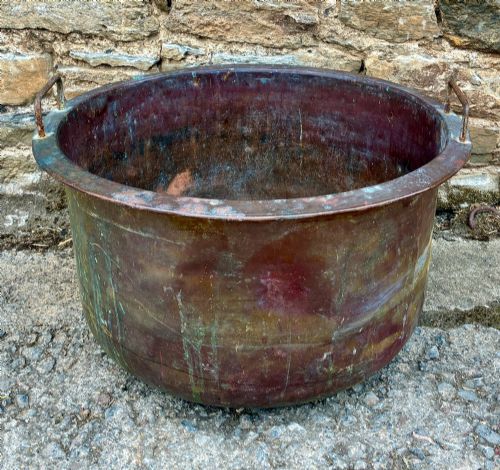
Most examples seen here take the form of large pots, cauldrons, and wash tubs rather than domestic appliances. Buyers commonly repurpose these vessels as garden planters, log buckets, and large display pots for interiors.
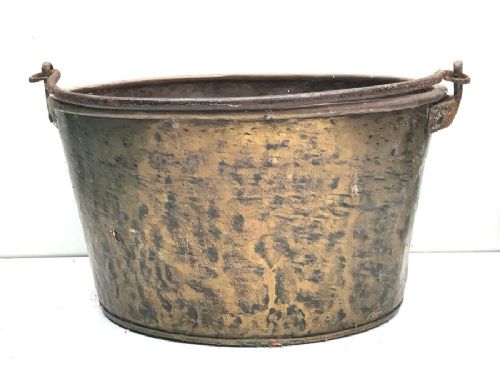
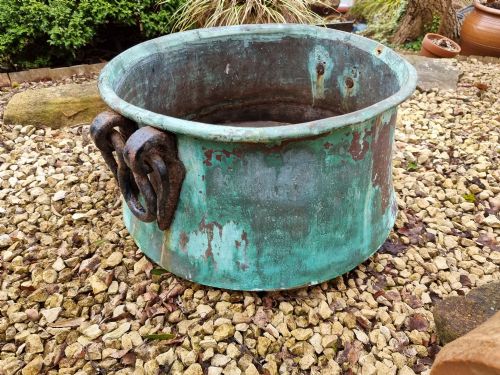
Origins include English and French workshops, encompassing specialised items like cheese vats alongside standard laundry coppers. Pieces frequently display robust iron or wrought iron handles designed to bear considerable weight when full.
Materials and construction
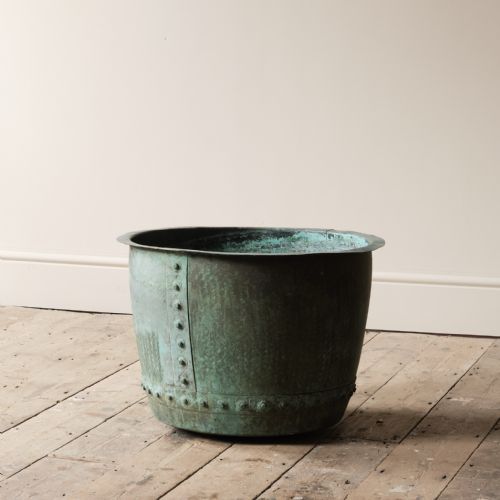
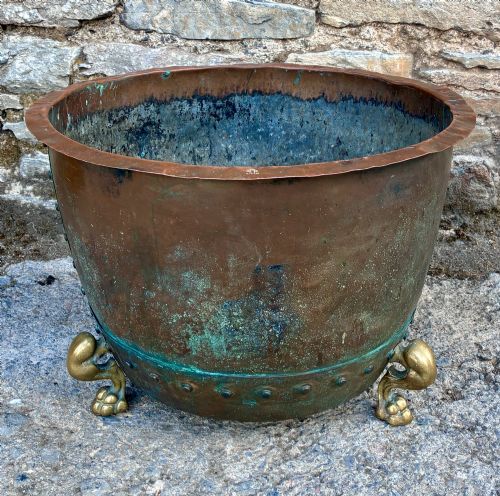
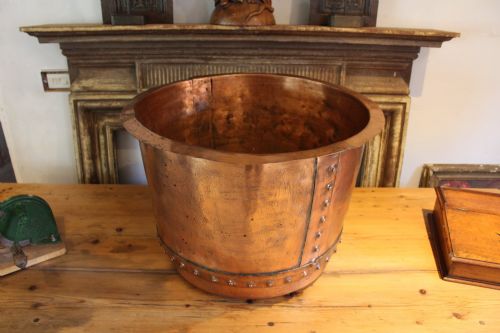
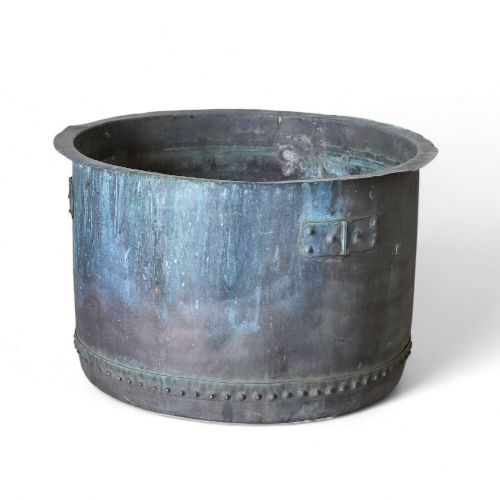
Construction relies heavily on sheet copper combined with iron and cast iron components, frequently fastened using hand-riveted joints along the seams. Wrought iron swing handles and mounts provide the necessary structural strength for heavy utility use.
Surfaces demonstrate the natural ageing of base metals, exhibiting accumulated patinas and verdigris finishes resulting from long exposure to moisture and heat. Occasional painted elements or iron bands reinforce the heavy metal bodies.
Copper Wash Boiler Retail Price Guide 2026
Typical asking prices for copper wash boiler among the pieces listed under this phrase on Sellingantiques today, from the lower quarter to the upper quarter. They describe what is for sale here now, not the wider market.
Listings span the eighteenth to the twentieth centuries, featuring metals such as copper, iron, wrought iron, and brass.
Assessing quality in wash boilers
Superior quality depends upon the integrity of the hand-riveted construction and the thickness of the original copper sheet. Weight and structural stability indicate a vessel built to withstand heavy daily labour rather than lighter decorative work.
The character of the surface patina significantly affects the visual impact of the piece, with rich, undisturbed oxidation and verdigris marking desirable weathering. Original wrought iron fittings and handles intact from the working period elevate the authenticity of the vessel.
The Copper Wash Boiler Glossary
- Verdigris
- A green patina or crust forming naturally on copper and brass surfaces through long atmospheric exposure. This chemical layer protects the underlying metal and provides distinct visual character.
- Riveted
- Joined together using metal bolts or pins hammered flat to secure overlapping sheets. This method predates modern welding and ensures immense durability.
- Cauldron
- A large metal pot with a wide mouth and a swing handle, traditionally used over open fires for boiling liquids. These vessels form a core category within utility antiques.
- Patina
- The surface sheen and colour acquired by metal through age, handling, and environmental exposure. Good examples show deep, unpolished tones accumulated over decades of use.
- Utilitarian
- Designed primarily for practical domestic or industrial work rather than ornament. Objects from this tradition prioritise function and durability.
Copper Wash Boiler: Frequently Asked Questions
How do I clean a copper wash boiler?
Wash the vessel gently with warm water and mild soap to remove surface dirt, preserving the underlying metal condition.
Avoid abrasive metal polishes or harsh chemicals that strip the authentic verdigris and aged patina accumulated over the centuries.
Can I use these boilers outdoors?
These robust metal vessels withstand outdoor conditions exceptionally well when utilised as garden planters or patio display pots.
Ensure adequate drainage if planting directly inside, or use the pot as a decorative outer container for potted shrubs.
What is the difference between a copper pot and a wash boiler?
Boilers typically possess heavy riveted seams and iron suspension hardware designed for heating large volumes of water over fires.
Standard cooking pots and vats generally feature different proportions or dedicated pouring lips depending on their original culinary purpose.
How do I date a nineteenth-century copper vessel?
Examine the formation of the riveted seams, the thickness of the beaten copper sheets, and the style of the iron handles. Hand-beaten surfaces and wrought iron attachments generally point towards earlier Victorian or Georgian manufacturing methods.
Are these handles strong enough for logs?
Original wrought iron swing handles are engineered to bear the immense weight of water and heavy fabrics during domestic washing.
These sturdy mountings easily support heavy loads of firewood when repurposed as a fireside log bin or bucket.