


Copper Kitchen Vessel
These copper kitchen vessel examples bring warmth and substance to a room, offering practical utility combined with rich historic character.
Copper Kitchen Vessel
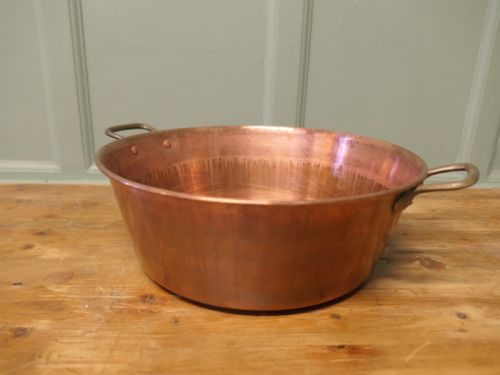
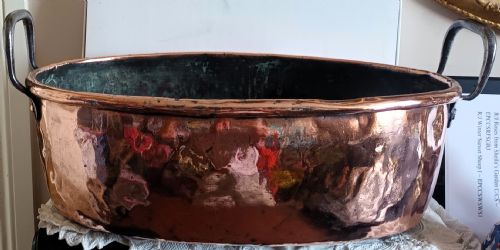
A copper kitchen vessel comprises utilitarian cookware and containers produced during the Georgian and Victorian eras. These items include large jam pans, cream setting pans, cooking pots, hanging water urns, jugs, kettles, and Jersey cans.
The versions most commonly met on this page date from the nineteenth century and the year eighteen hundred. They range from small three-pint jugs to large two-gallon jugs and substantial double-handled pans.
Makers such as Hodges and Sons appear alongside English country pieces in styles spanning rustic farmhouse, Victorian country, Georgian, and Victorian aesthetics.
How they were made
Makers shaped sheet copper into heavy vessels, often incorporating brass handles and iron or wrought iron fittings. Many interior surfaces received a protective tin lining suitable for food preparation.
Construction techniques involved hand beating, riveting, and seam joining to ensure durability under daily kitchen use. Handles were securely attached using heavy rivets or forged brackets.
Materials recorded across the inventory include copper, brass, wrought iron, iron, and tin.
What varies in quality
Quality rests in the weight of the metal and the integrity of the construction, distinguishing substantial professional cookware from lighter domestic items. Heavier gauges of copper maintained heat more evenly and resisted distortion.
The refinement of handles, spouts, and dovetail seams indicates the skill of the workshop. Pieces bearing maker stamps, such as Hodges and Sons, demonstrate established trade standards.
Hodges and Sons
The Copper Kitchen Vessel Glossary
- Jam pan
- A wide, open vessel designed for boiling fruit and sugar. These often feature double handles for lifting heavy loads safely.
- Cream setting pan
- A shallow vessel utilised for resting milk to allow cream to rise to the surface. They possess wide rims for easy handling.
- Jersey can
- A traditional tall container used for storing and pouring liquids, particularly milk. They typically feature a narrow neck and a sturdy side handle.
- Water urn
- A large container designed for heating and storing water, frequently configured for hanging above a hearth. They include taps or spouts for dispensing.
Copper Kitchen Vessel: Frequently Asked Questions
What were copper kitchen vessels used for?
These vessels served everyday culinary tasks in historic kitchens, including boiling jam, heating water, cooking meals, and setting cream. Their excellent thermal conductivity made them essential for precise temperature control.
Larger containers stored liquids like milk and water, while jugs handled table service and kitchen transfer duties. Every piece was built for active service rather than display.
How do I date an antique copper vessel?
Dating relies on stylistic clues, construction methods, and materials such as wrought iron or brass attachments. Pieces from the Georgian period often display hand-beaten surfaces and distinctive handle shapes.
Nineteenth-century examples frequently show more standardised manufacturing techniques while retaining traditional joining methods. Maker marks, where present, help narrow the timeline.
Are old copper pots safe for cooking?
Historic cooking vessels usually require a fresh tin lining before modern food preparation takes place. The original interior tin coating often wears thin over centuries of use and cleaning.
Many collectors prefer to display these items as decorative objects rather than using them for daily cooking. Consulting a specialist metal conservator clarifies the condition of the interior lining.
How do I clean antique copper?
Maintenance involves gentle cleaning with appropriate non-abrasive metal polishes to preserve the warm metallic tone. Harsh scouring pads scratch the soft copper surface and diminish the historic patina.
Allowing copper to age naturally develops a darker oxidation that many collectors value. Regular dusting and occasional light wiping keep the metal stable.