
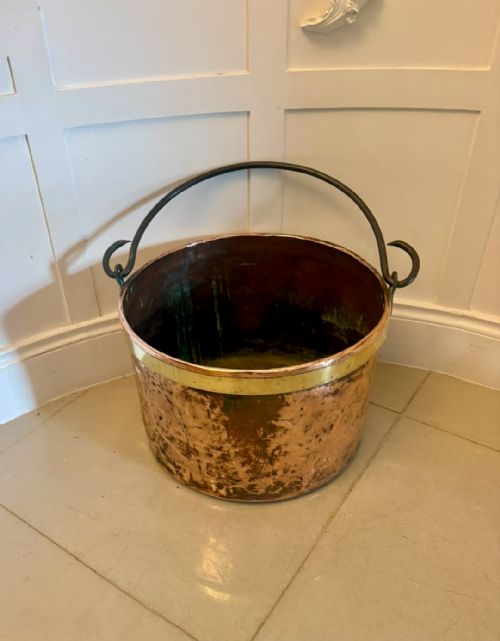
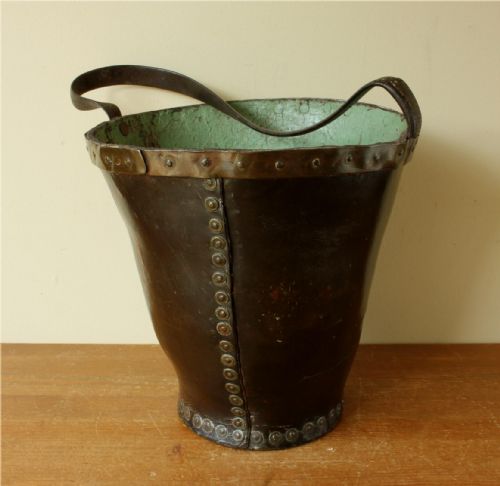


Copper Hearth Bin
A copper hearth bin brings practical warmth and rich metallic tone to a fireside, holding logs or coal with enduring utility.
Copper Hearth Bin
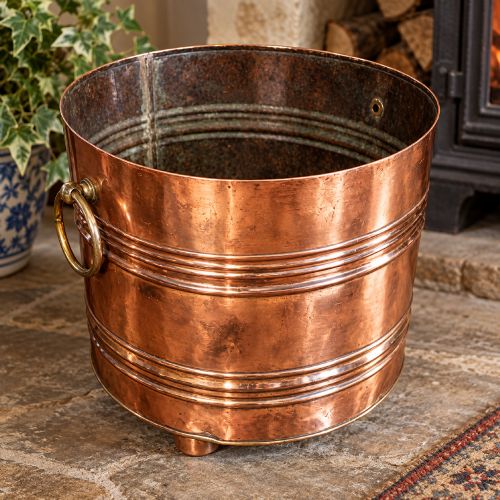
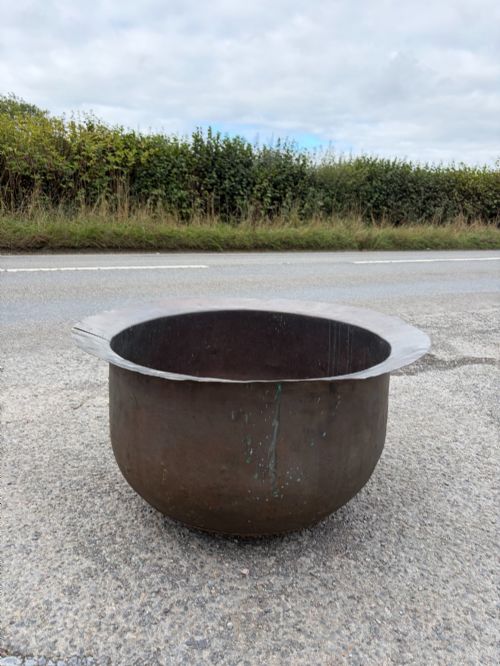
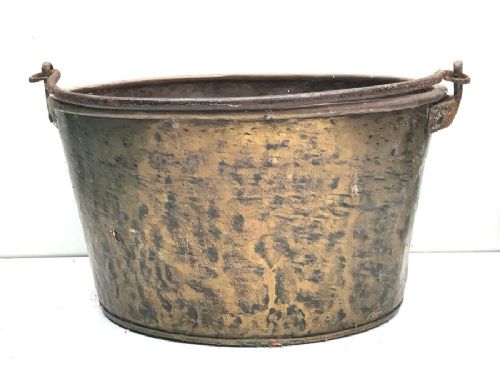
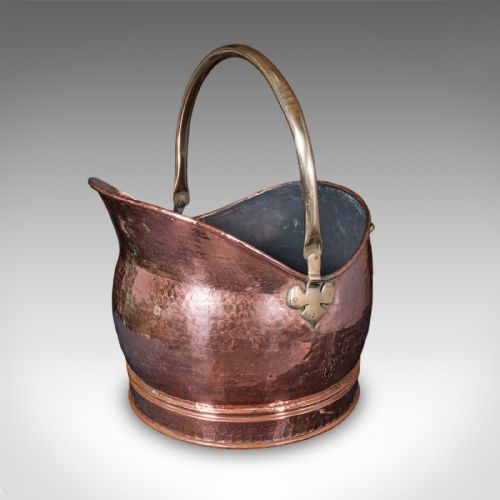
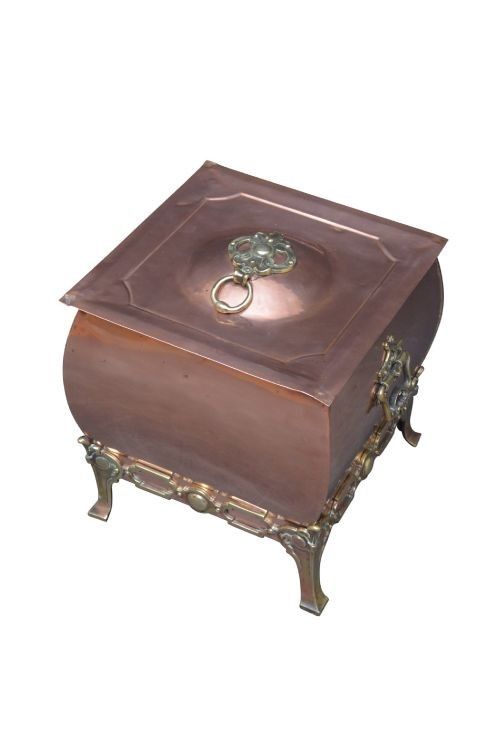
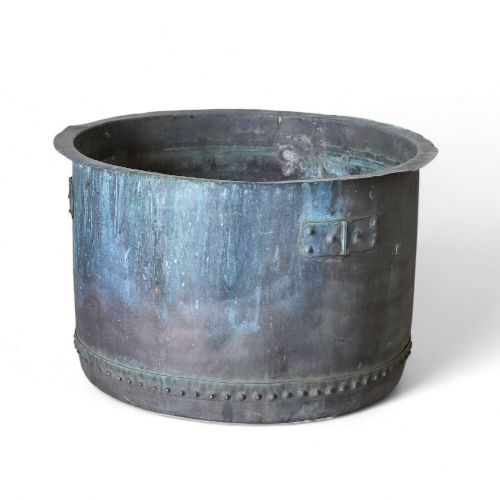
A copper hearth bin serves as a functional receptacle for coal and logs beside the fireplace, combining heavy utility with decorative presence. When searching for a copper hearth bin, buyers encounter various forms including large cauldrons, lidded buckets, and helmet scuttles intended for fireside use.
The pieces originating from this selection span the Georgian and Victorian eras through to the Arts and Crafts period. Many examples double as robust planters, reflecting the versatile shapes utilised across the nineteenth century.
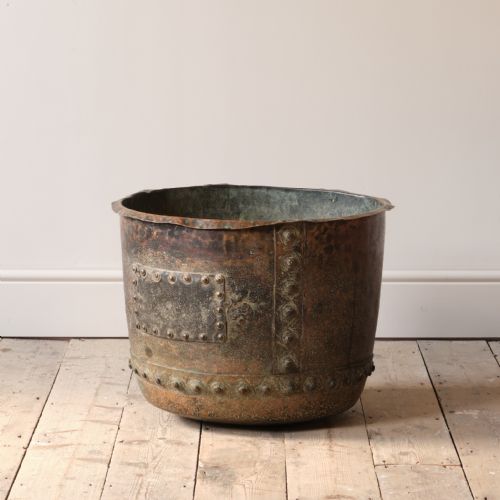
Makers and craftsmen of the period shaped these vessels from sheet metal, integrating brass handles, iron swing bails, and riveted seams to withstand daily handling. Buyers most frequently meet nineteenth-century Victorian and Georgian interpretations bearing natural patinas.
Assessing quality and character
The thickness of the copper plate dictates the structural integrity of the vessel, with heavier gauges maintaining their shape better under regular use. Hand-riveted construction displays individual craftsmanship through varied spacing and peening marks.
The depth and warmth of the natural patina develop through decades of exposure and cleaning, distinguishing untouched surfaces from over-polished metal. Original iron mounts, brass banding, and intact swing handles preserve the historical completeness of the piece.
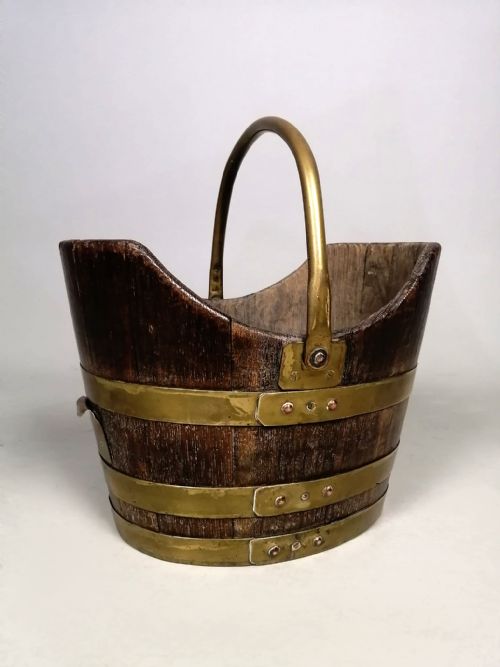
Listings feature copper, brass, iron, and oak materials spanning Georgian, Victorian, and Arts and Crafts periods.
The Copper Hearth Bin Glossary
- Patina
- The surface sheen and colour acquired by copper through age, oxidation, and handling. This natural layer indicates the historical depth of the metal.
- Swing Handle
- A movable arched metal bail attached to the sides of a bucket or cauldron. It permits lifting and tipping heavy loads of fuel.
- Cauldron
- A large round metal pot with a concave base and substantial rim. These deep vessels were adapted from kitchen use to hold fireplace logs.
- Helmet Scuttle
- A coal container featuring a flared spout resembling a classical helmet and a sloping body. This shape allowed controlled pouring of fuel onto the fire.
Copper Hearth Bin: Frequently Asked Questions
How do I clean copper safely?
Maintenance requires mild soapy water and a soft cloth to preserve the historical surface layer. Harsh abrasive compounds strip away the aged patination that collectors prize.
Regular dusting keeps the metal bright without altering the subtle tones accumulated over centuries of domestic service.
Can these bins hold logs outdoors?
Original nineteenth-century vessels function effectively as garden planters or indoor log holders depending on personal preference. Exposure to constant moisture accelerates oxidation and changes the surface appearance significantly.
Placing protective trays inside prevents internal dampness from marking the original base metals.
What is a helmet scuttle?
The helmet scuttle is a specific nineteenth-century coal container shaped with a wide mouth and a tapered pouring lip. This design directed fuel cleanly into the hearth grate.
Raised footed bases and hinged handles balanced the weight distribution during transport.
How do I date a copper bin?
Dating relies upon construction methods such as hand-hammered riveting styles, joining techniques, and associated brass or iron hardware. Georgian examples tend to feature heavy brass banding, whereas Arts and Crafts pieces show distinct hand-finished surfaces.
Stylistic motifs like aesthetic movement engraving or Victorian utilitarian forms help narrow the period of origin.