



Fireplace Log Storage Bucket
A fireplace log storage bucket is a sturdy vessel for hearth fuel, combining practical utility with period metalwork.
Fireplace Log Storage Bucket
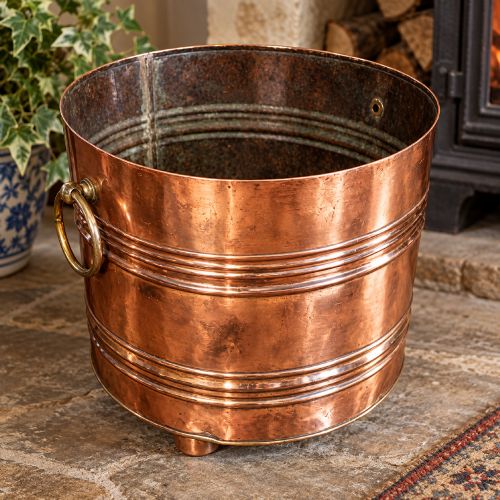
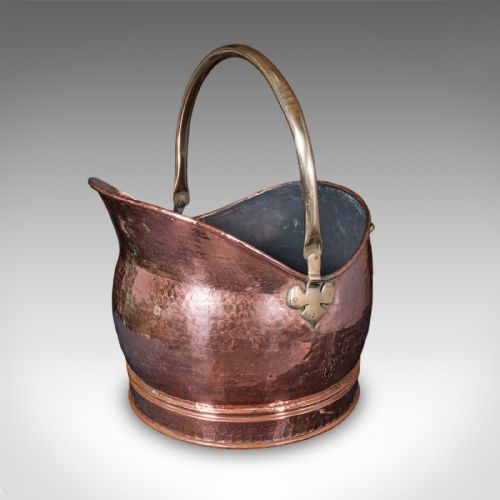
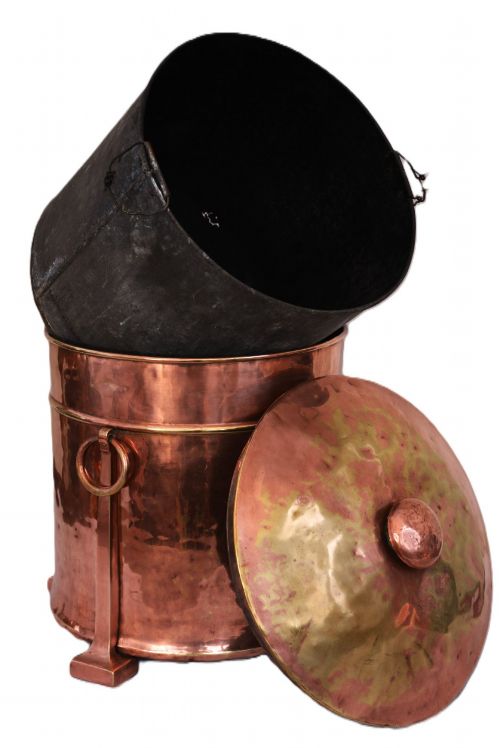
A fireplace log storage bucket is designed to hold timber fuel beside the hearth, taking forms such as cylindrical bins, helmet-shaped scuttles, and coopered boxes. Buyers searching for a fireplace log storage bucket encounter pieces spanning the Victorian, Edwardian, and Georgian periods, alongside Arts and Crafts and Art Nouveau examples.
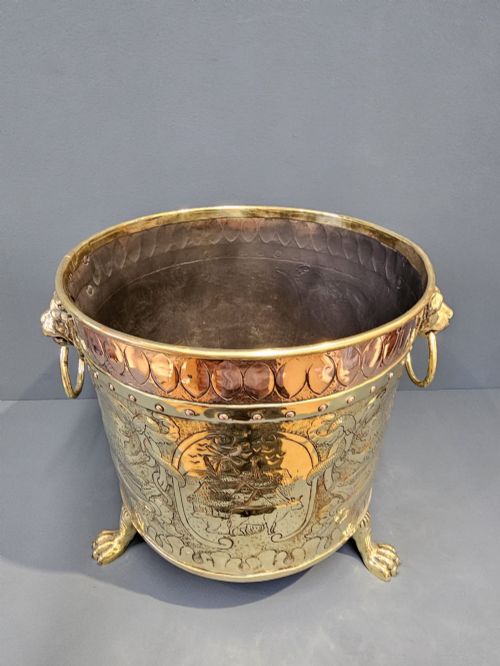
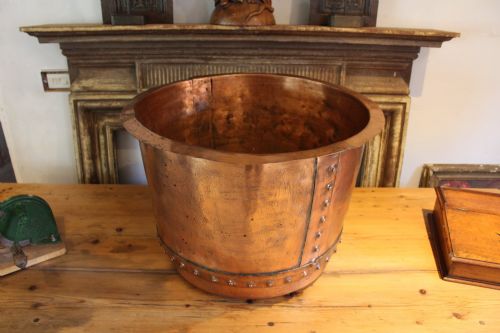
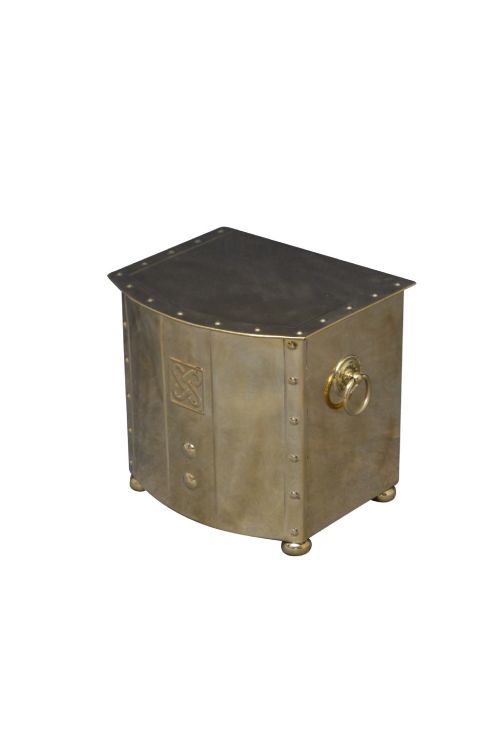
Many items recorded here double as planters, jardinieres, or general waste bins, reflecting the adaptable nature of these metal and wooden containers. The most frequent survivals are brass and copper vessels from the nineteenth century, often featuring swing handles and raised feet.
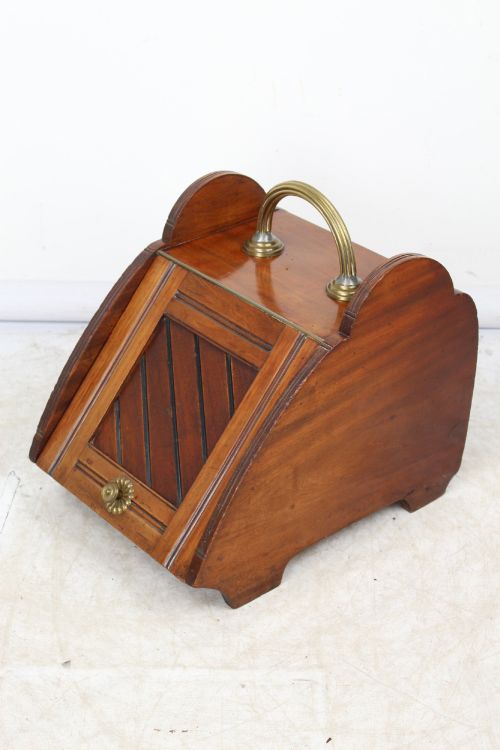
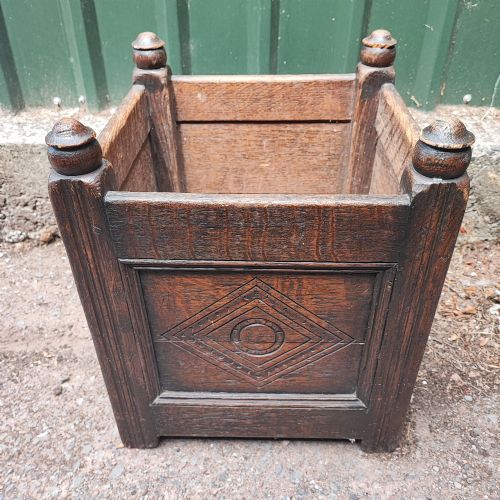
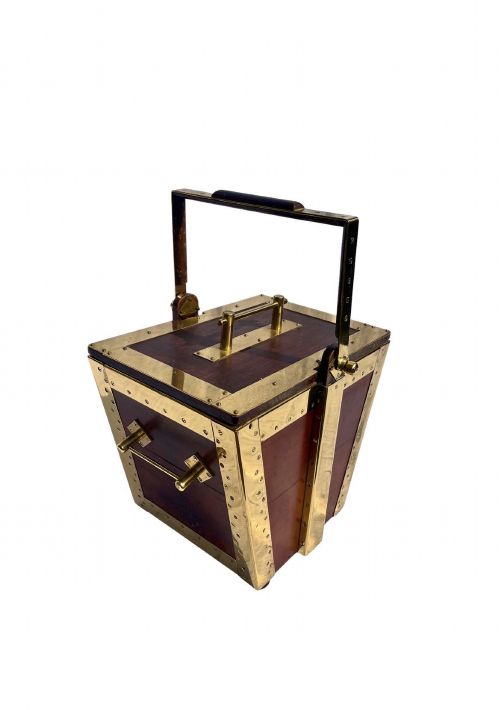
Wooden variants appear in oak, mahogany, and walnut, frequently utilising coopered stave construction or panelled boxes known as purdoniums. These domestic objects sat in nineteenth-century and early twentieth-century reception rooms, holding coal, peat, or logs close to the fireplace.
Materials and construction methods
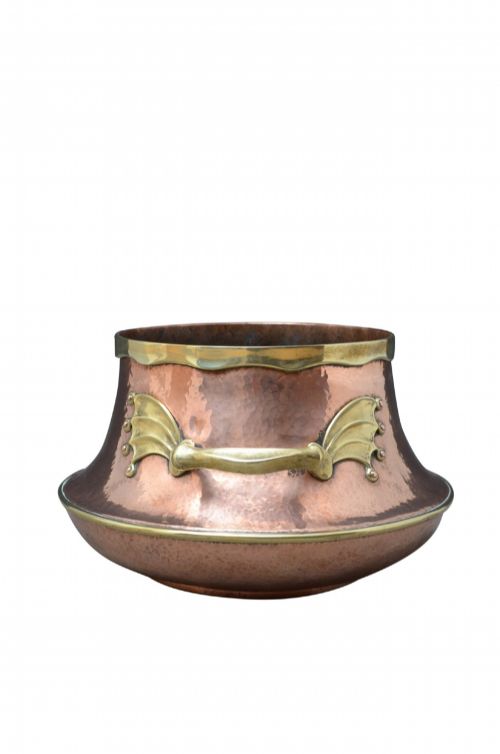
Metal vessels rely on sheet brass and copper, shaped by hand-beaming, spinning, or hammering. Makers applied decorative relief through embossing and repoussé work, frequently mounting the metal bodies upon brass paw feet or cast bases.
Coopered wooden buckets utilise staves of oak or pine held together by metal hoops, demanding precise woodworking to contain fuel cleanly. Box forms, such as purdoniums, employ traditional dovetail joinery and applied mouldings in mahogany, walnut, or oak.
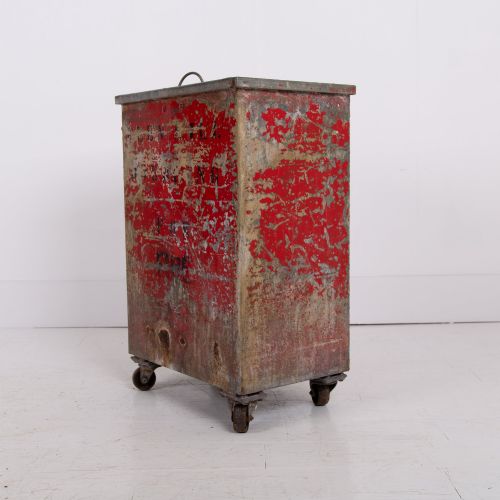
Surface finishes include hand-finished patination on copper and brass, alongside decorative painted schemes seen on folk art barge ware and toleware examples.
Some nineteenth-century fuel containers have retired from hearth duty entirely to spend their golden years acting as heavy-duty indoor plant pots.
Assessing quality in hearth vessels
Quality rests upon the weight of the metal gauge and the integrity of the construction, distinguishing substantial domestic pieces from lighter utilitarian items. Thicker brass and copper retain their structural rigidity along the rim and base, resisting dents from heavy timber logs.
The sophistication of decorative embellishment separates standard utility buckets from finer artistic productions. Hand-hammered surfaces, crisp embossing, and well-executed Arts and Crafts or Art Nouveau motifs indicate superior workshop output.
Original hardware, including sturdy swing handles, secure rivets, and matching lids, preserves the structural wholeness of the piece. Replacements or missing components alter the balance of an antique fuel bucket.
William Soutter & Sons·Richard Arkwright Masson Mills
The Fireplace Log Storage Bucket Glossary
- Purdonium
- A box-like coal container with a sloping front drop-down door and a carrying handle. These enclosed vessels kept hearth dust contained inside the living room.
- Coopered
- Built from wooden staves bound together by metal hoops, similar to barrel construction. This technique provided strength for holding heavy loads of peat or logs.
- Repoussé
- A metalworking technique where the design is hammered into relief from the reverse side. It appears frequently on Arts and Crafts copper bins.
- Toleware
- Japanned or painted sheet metal items decorated with pigments and lacquers. Folk art examples often display traditional barge wear motifs.
- Jardiniere
- An ornamental pot or stand designed to hold growing plants. Many large copper and brass vessels served this purpose interchangeably with fuel storage.
Fireplace Log Storage Bucket: Frequently Asked Questions
How do I clean an antique copper log bucket?
Antique copper benefits from gentle washing with warm soapy water to remove accumulated dust and soot. Avoid aggressive chemical polishes that strip away historical patination.
Leaving the surface unpolished preserves the dark, mellow tones acquired over a century of domestic use.
Can these metal buckets be used outdoors?
Many copper and brass vessels double as garden planters and jardinieres, handling damp soil without structural failure. Galvanised steel and heavy metal bins also withstand exterior conditions.
Protecting antique brass from standing water prevents excessive corrosion of the underlying alloy.
How do I date a brass and copper log bin?
Dating relies on stylistic markers such as Victorian aesthetic movement engraving, Edwardian proportions, or Arts and Crafts hand-beaten textures. Construction details like hand-cut rivets and dovetail joints also point to specific manufacturing decades.
Makers' stamps on the base provide definitive attribution when present.