


Copper Fireside Accessories
Copper fireside accessories bring warmth and rich metal tones to the hearth, spanning helmet scuttles, log bins, and companion sets.
Copper Fireside Accessories
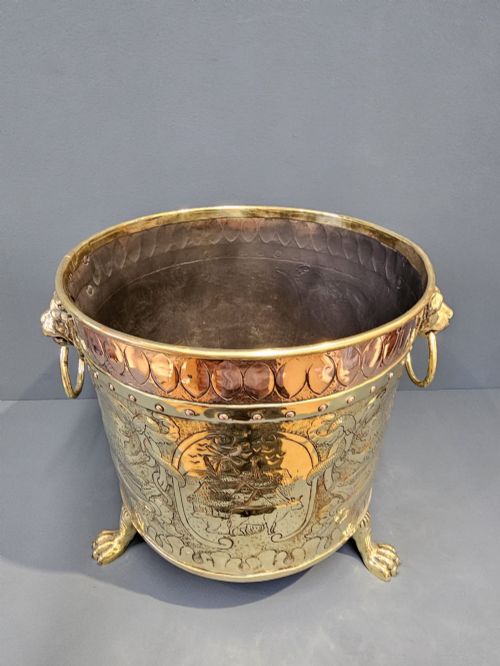
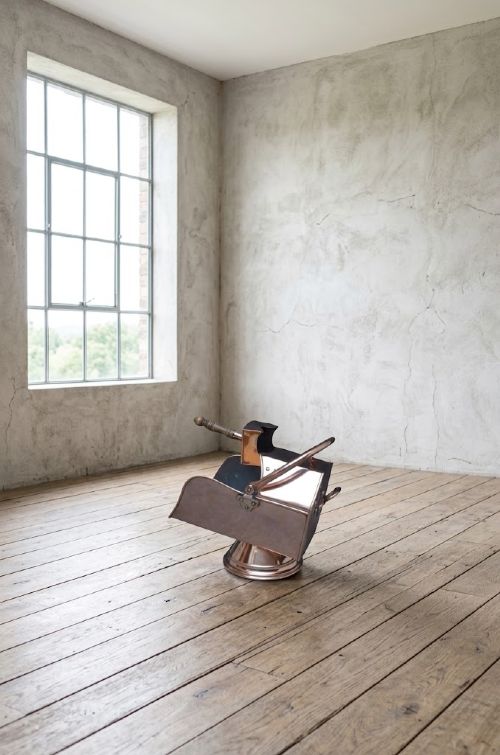
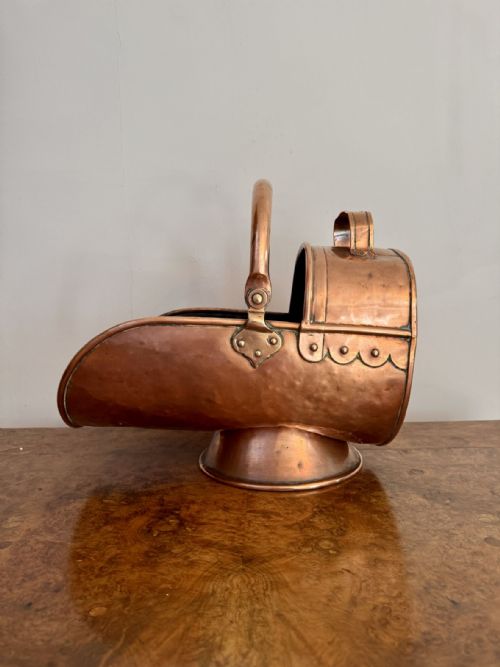
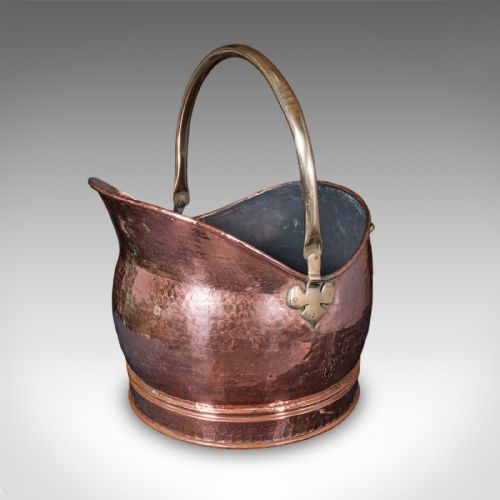
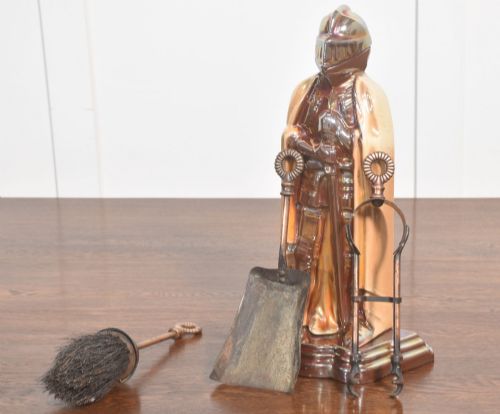
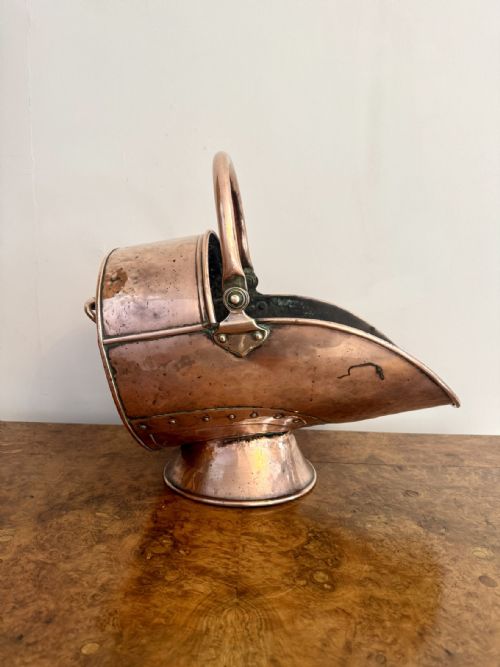
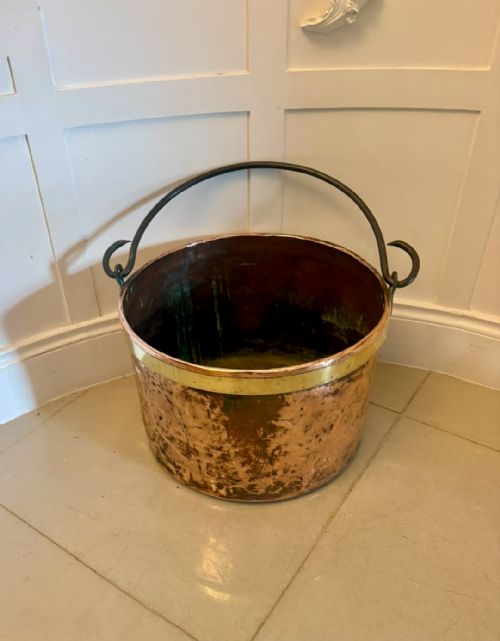
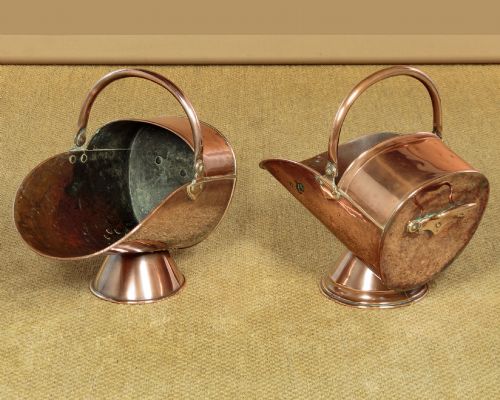
Copper fireside accessories encompass practical hearth vessels and companion pieces designed to hold fuel and tend flames, appearing frequently in Victorian and Georgian forms. Buyers searching for copper fireside accessories encounter items intended for daily utility beside the fireplace, ranging from helmet-shaped scuttles to large log bins.
The pieces on this page span the eighteenth, nineteenth, and early twentieth centuries, reflecting changing domestic fashions from George III simplicity to Arts and Crafts handcrafting. Victorian examples dominate the selection, often combining heavy copper bodies with contrasting brass handles or bands.
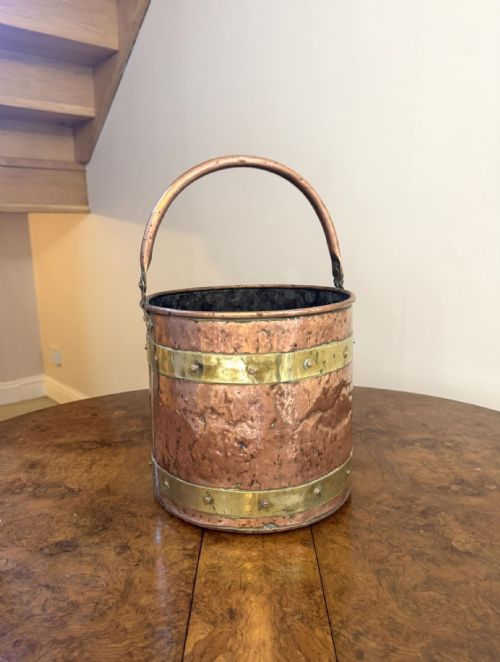
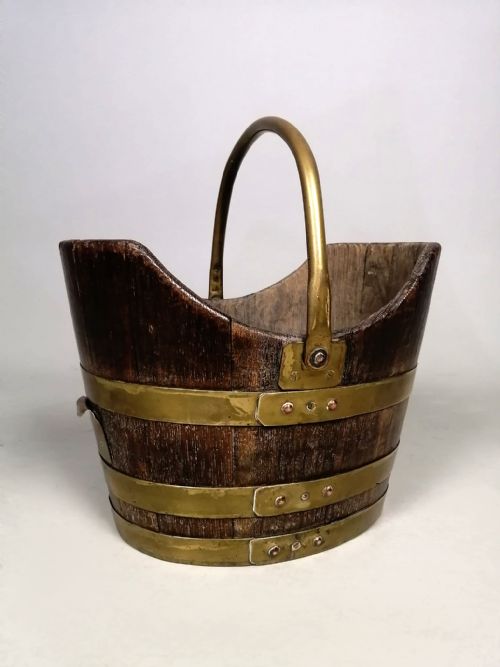
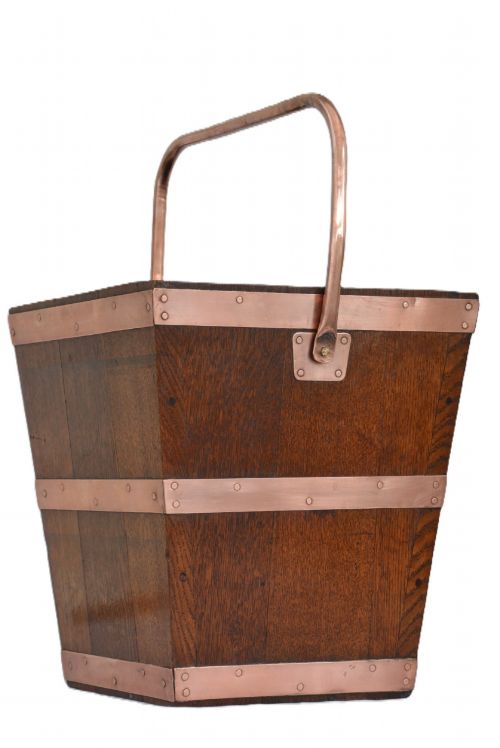
Common forms include coal scuttles, coal buckets, log bins, and companion sets, sometimes paired with iron frames or wooden staves. Each object reveals the domestic priorities of its period, shifting from utilitarian containers to decorative hearth centrepieces.
Materials and Construction
Makers built these accessories primarily from sheet copper, often hand-beaten or embossed to create texture and rigid strength. Brass components such as swing handles, paw feet, and riveted bands provided structural reinforcement and bright contrast against the warm copper surfaces.
Internal frames and handles frequently incorporate wrought iron, cast iron, or oak, anchoring the softer metal against heavy daily loads of coal and logs. Riveting, hand-beating, and panel joining defined the construction methods of nineteenth-century artisans, particularly during the Arts and Crafts movement.
Copper Fireside Accessories Retail Price Guide 2026
Typical asking prices for copper fireside accessories among the pieces listed under this phrase on Sellingantiques today, from the lower quarter to the upper quarter. They describe what is for sale here now, not the wider market.
Some nineteenth-century hearth pieces double as revolving toasters with inlaid copper hearts, proving Victorians loved toasted bread alongside their fires.
Evaluating Quality and Craftsmanship
Quality rests upon the weight of the metal and the integrity of the construction, distinguishing robust vessels from thinner commercial pressings. Heavier gauge copper and solid brass mountings indicate superior durability and skilled hand-finishing.
Artisanal touches like crisp hand-beaten hammering, well-fitted iron frames, and securely riveted seams elevate an ordinary coal bucket into a refined piece of metalwork. The harmony between the primary copper body and secondary brass or iron elements determines the overall visual balance.
The Copper Fireside Accessories Glossary
- Helmet Scuttle
- A coal container featuring a flared mouth and a raised back resembling a classical helmet. This shape allowed easy scooping and pouring of fuel onto the fire.
- Log Bin
- A large floor-standing vessel designed to hold firewood beside the hearth. These often feature strong iron frames or wooden banding to support heavy logs.
- Companion Set
- A collection of fireplace tools, such as shovels, pokers, and tongs, housed together. They were essential for managing the grate and maintaining the fire.
Copper Fireside Accessories: Frequently Asked Questions
How do I clean antique copper?
Light dusting and occasional gentle wiping preserve the aged patina that collectors value. Avoid harsh chemical cleaners that strip the historic surface.
Leaving the natural oxidation intact maintains the authentic character of nineteenth-century hearth metal.
Are these pieces safe for modern fires?
Most antique copper vessels serve as decorative log holders or planters in contemporary homes. Using them to hold dry kindling or logs is common practice.
Direct contact with damp fuel can accelerate interior wear, so many owners line them for modern use.
How can I date my copper accessory?
Construction techniques offer the clearest clues, such as hand-beating marks versus machine stamping. Style indicators like Victorian Gothic revival or Georgian brass banding also pinpoint the era.
Examining the type of rivets and handle attachments helps narrow down the manufacturing decade.