
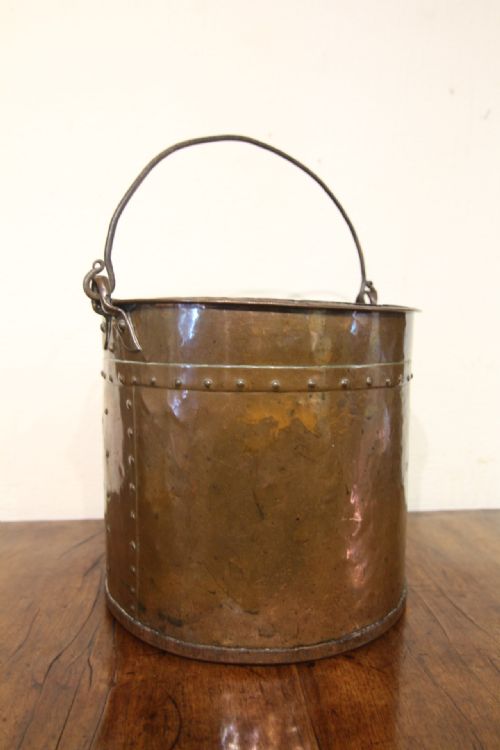


Copper and Iron Planters
These copper and iron planters combine utilitarian metalwork with horticultural display, offering robust vessels shaped by centuries of domestic and garden use.
Copper and Iron Planters
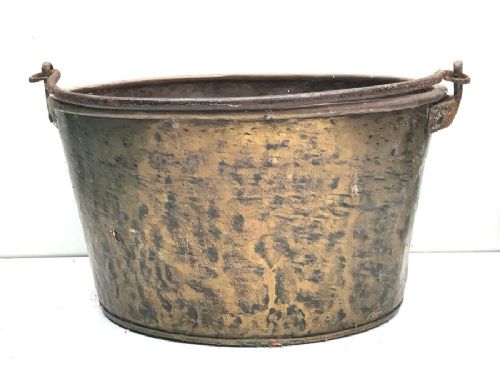
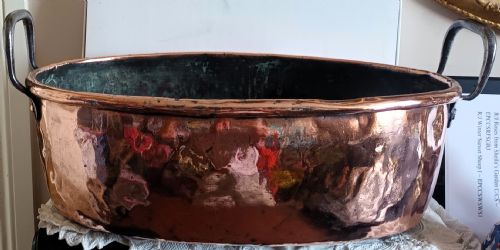
When you search for copper and iron planters, you encounter vessels that frequently originated as utilitarian items such as cauldrons, log bins, coal buckets, and pots before finding a second life in horticulture. The selection spans Georgian, Victorian, and Arts and Crafts periods, alongside French and English country styles.
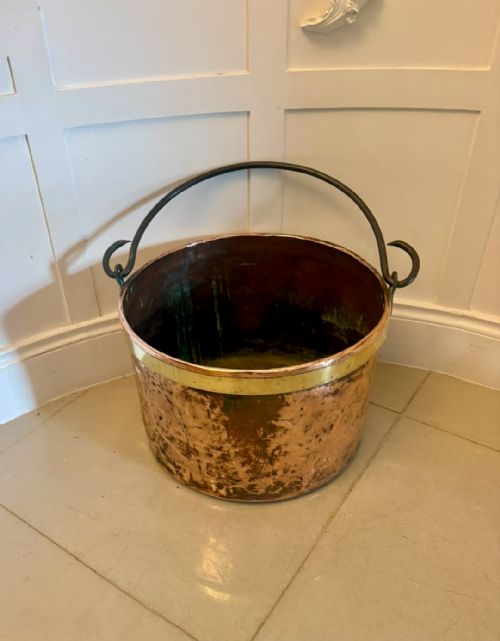
Many examples derive from hearth and kitchen equipment, including riveted buckets, cream setting pans, and cauldrons fitted with wrought iron swing handles. These domestic forms translate naturally to plant holders, bringing patinated metal surfaces into gardens and interior spaces.
How they were made
Makers shaped sheet copper and cast or wrought iron, joining bodies with rivets to ensure the structural strength needed for heavy contents. Handles utilise iron for rigidity, often forged with swing mechanisms or fixed mounts.
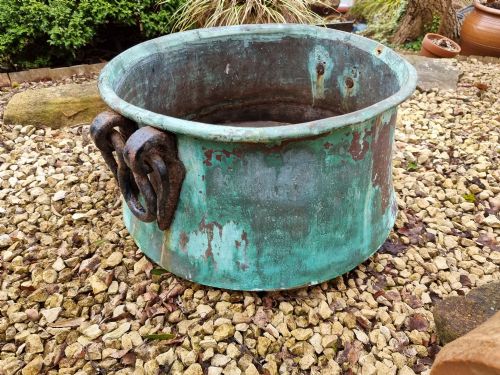
Surfaces acquire character through natural oxidation, verdigris finishes, and patination developed over decades of exposure and use.
Several heavy cooking cauldrons and cream setting pans quietly retired from the hearth to live out their days holding ferns.
What varies in quality
Quality rests upon the gauge of the metal and the integrity of the construction, distinguishing heavy riveted vessels from lighter domestic wares. Substantial weight in both the copper body and the iron components indicates superior manufacture.
The harmony between the warm tones of copper and the darker forged iron defines the visual success of each piece. Surviving stands, original handles, and balanced proportions separate utilitarian kitchen remnants from finer decorative items.
The Copper and Iron Planters Glossary
- Verdigris
- A green patina formed naturally on copper through atmospheric oxidation. This surface layer develops over long periods and protects the metal beneath while adding visual depth.
- Wrought iron
- Iron beaten into shape while hot by a blacksmith, yielding a fibrous structure visible in handles and stands. It offers high tensile strength and resilience.
- Cauldron
- A large deep metal pot with a wide mouth, originally used over open fires. Their generous capacities make them suitable for housing substantial plants.
- Riveted
- Joined securely by metal pins hammered flat on either side. This technique provides durable construction for heavy-duty vessels.
Copper and Iron Planters: Frequently Asked Questions
Can I use them outside?
These metal vessels withstand outdoor conditions well, given their durable copper and iron construction.
Positioning them on patios or in gardens allows weathering to continue naturally over time.
How do I clean the copper?
Washing with mild soapy water preserves the historic surface without stripping away accumulated patination.
Avoid harsh chemical polishes that remove the character acquired over centuries of use.
Were they originally planters?
Most examples began as utilitarian objects such as coal buckets, log bins, cauldrons, and kitchen pans.
Their robust construction and water-resistant properties made them natural candidates for horticultural repurposing.
How do I date an antique piece?
Dating relies on construction methods, such as hand-beaten panels and early riveted joints, alongside stylistic markers.
Georgian and Victorian pieces display distinct forming techniques that separate them from later Arts and Crafts revivals.