
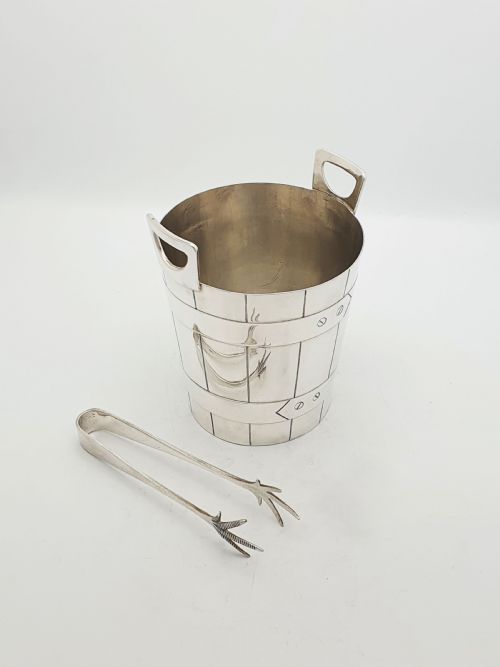
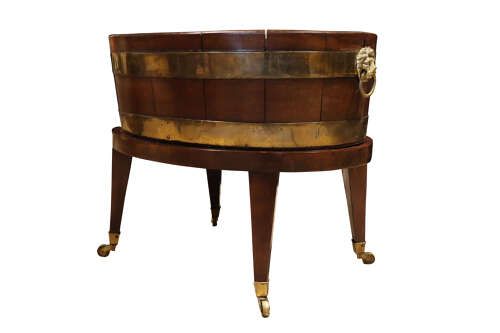


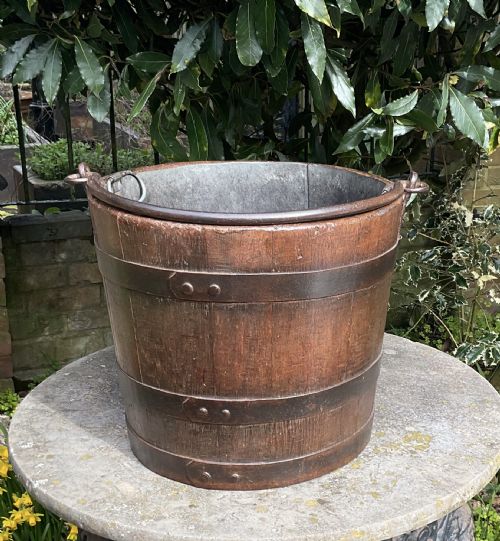


Coopered Wine Bucket
A coopered wine bucket is a stave-built vessel designed to hold bottles and ice at table, bringing traditional craftsmanship to any room.

Coopered Wine Bucket
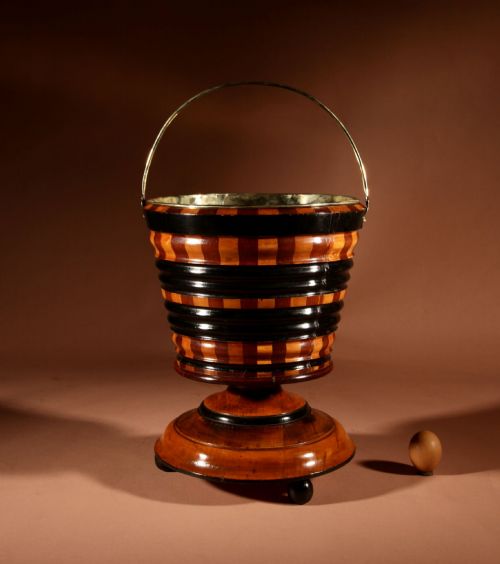
When you search for a coopered wine bucket, you are looking at stave-built wooden vessels designed for cooling wine or water, alongside related forms such as jardinières, peat buckets, and tea stoves. These pieces span from the Georgian period through the nineteenth century and into the Edwardian era, showing how domestic treen evolved into formal entertaining equipment.
How they were made
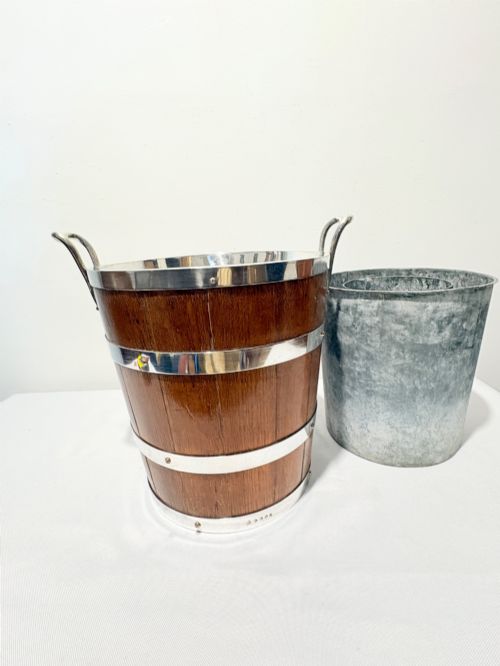
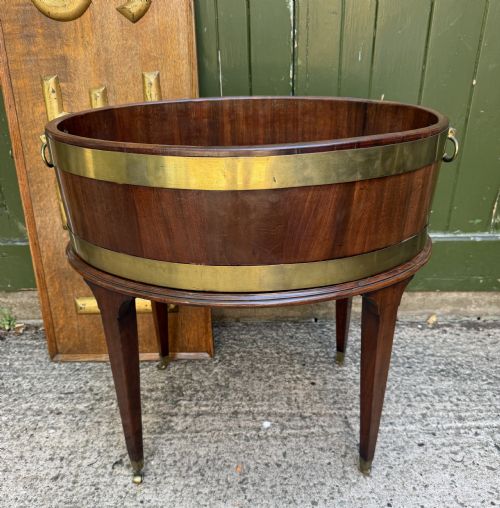
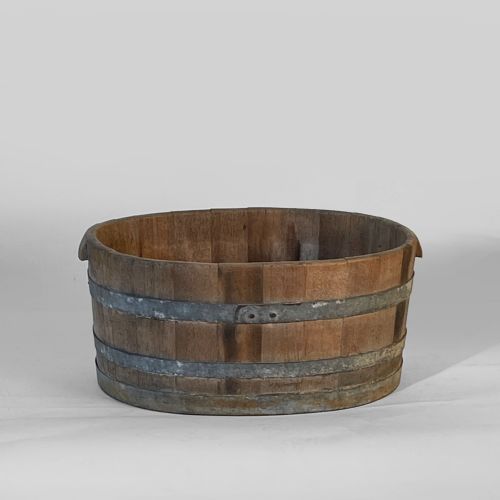
Makers constructed these vessels using traditional cooperage techniques, joining individual tapered wooden staves edge-to-edge around a solid base to create a watertight cylinder or oval. Timber selection mattered greatly, with dense hardwoods like oak, mahogany, and walnut chosen for their stability and grain.
Metal components completed the construction, utilising heavy brass bands or iron hoops driven tight to hold the staves under compression. Many examples also incorporate fitted metal or ceramic creamware liners to protect the timber from moisture during use.
Periods represented span from the eighteenth-century Georgian era through to Edwardian production.
What varies in quality
The distinction between ordinary utility items and finer examples lies in the precision of the joinery and the quality of the timber selection. Tighter stave fitting, well-chosen figured mahogany or quarter-sawn oak, and substantial cast brass mounts separate workshop standards.
Originality of components also dictates standing, particularly the presence of matching stands, period brassware, and internal liners that have survived together. Pieces retaining their original patination and uncompromised structural integrity command greater appreciation among collectors.
Lister and Co·Samual Norman
The Coopered Wine Bucket Glossary
- Coopered
- Built from curved wooden staves fitted together edge-to-edge and bound with metal hoops, much like a traditional barrel.
- Stave
- One of the narrow tapered wooden strips that form the vertical sides of a bucket, tub, or barrel.
- Jardiniere
- An ornamental pot or stand designed to hold growing plants or flowers, frequently sharing forms with wine buckets.
- Teestoof
- A Dutch peat stove or warming bucket, often coopered in timber with brass fittings and used historically to heat tea kettles or warm feet.
- Cellarette
- A lockable container or cellar box used for storing wine bottles near the dining table, often taking coopered oval or octagonal forms.
Coopered Wine Bucket: Frequently Asked Questions
What is a coopered wine bucket used for?
These vessels were historically utilised at dining tables to chill wine bottles in ice and water.
Today, they function equally well as decorative planters, umbrella stands, or fireside log holders.
How do I care for a wooden bucket?
Keep timber pieces away from direct heat sources and sudden humidity changes to prevent the wood from shrinking.
Use removable liners whenever possible to protect the internal staves from standing water.
How do I date a mahogany bucket?
Examine the timber grain, the method of stave shaping, and the style of the brass bands.
Georgian examples tend to show fine cabinetry details, while later nineteenth-century pieces often display heavier brasswork and simpler forms.
Why do some buckets have stands?
Larger wine coolers and jardinières were raised on dedicated timber frames to keep them off cold floors and at a convenient height for guests.
These stands often match the primary timber and period style of the bucket itself.