






Continental Wooden Statue
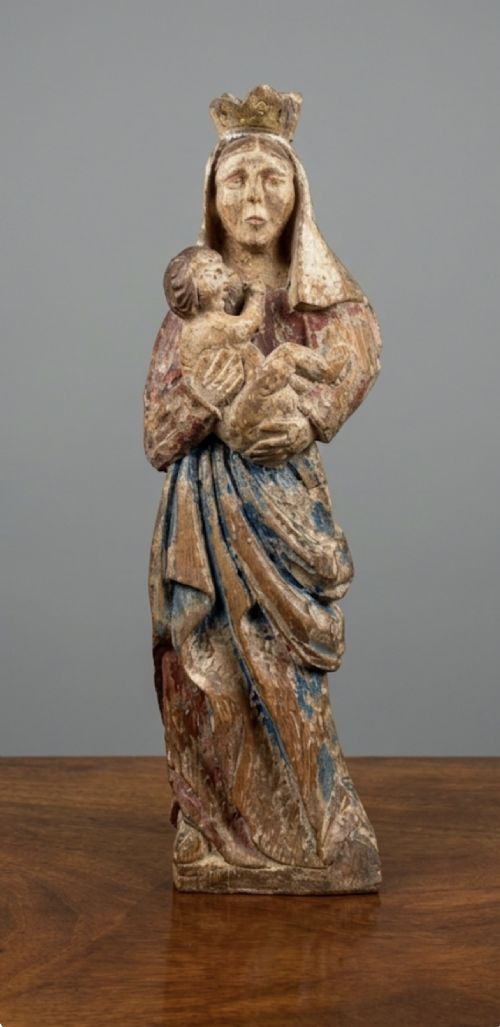
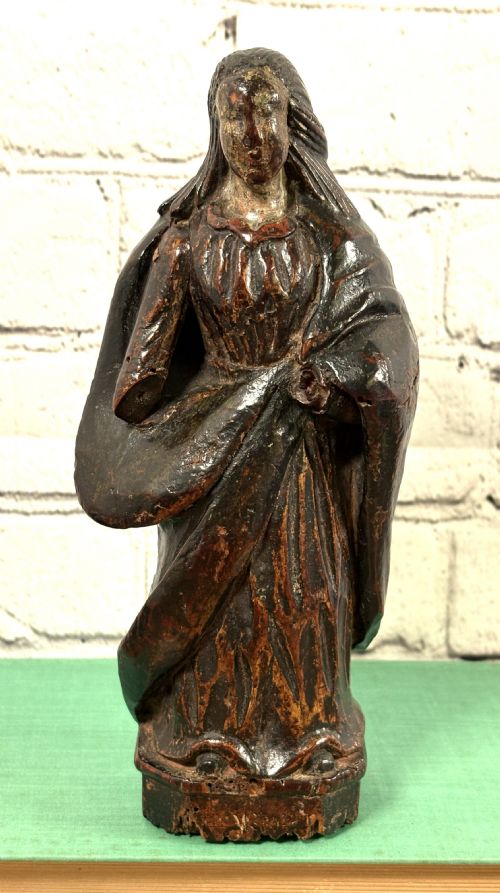
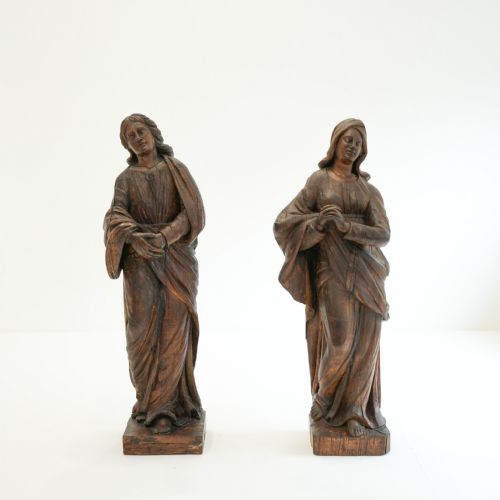
A continental wooden statue brings centuries of devotional craft into a room, offering carved figures of saints, madonnas, and holy figures worked in oak, lime, and pine.
Continental Wooden Statue
A continental wooden statue represents carved religious or figurative sculpture originating from European workshops outside Britain, spanning centuries from the late medieval period through the nineteenth century. Buyers seek these pieces for their sculptural presence, devotional history, and historic surfaces.
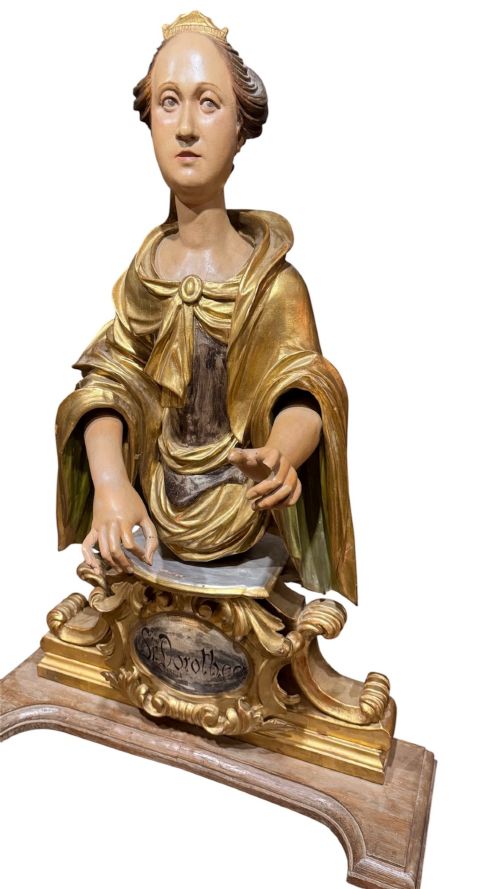
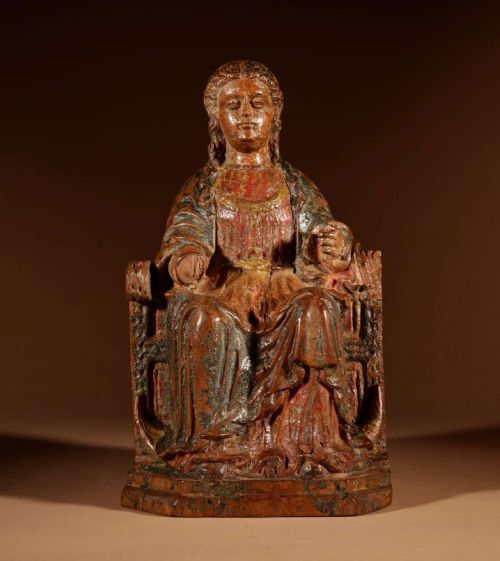
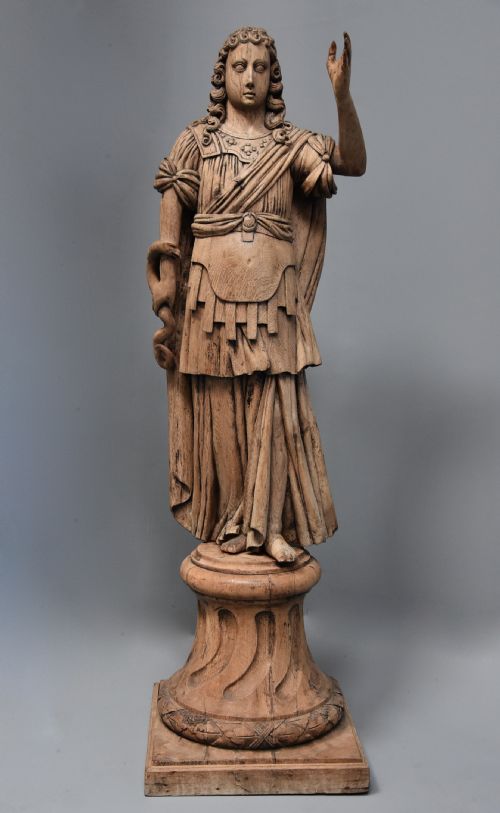
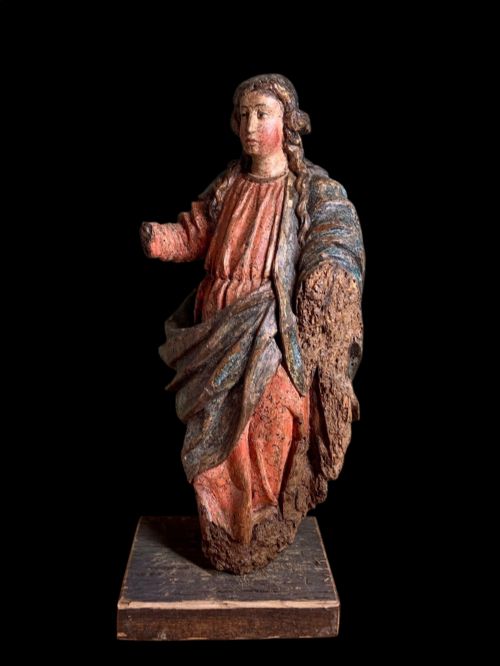
The most common examples on this page are carved wooden figures of saints, madonnas, and religious personages produced in oak, limewood, and walnut. Many take the form of standing saints, seated figures of Mary and Jesus, or fragments such as carved heads and angels.
Originating across regions like Italy, Germany, and Croatia, these statues reflect stylistic shifts from Gothic and Renaissance carving traditions to Baroque exuberance. They bridge ecclesiastical architecture and domestic display.
How they were made
Many surfaces received layers of gesso preparation followed by polychrome paint, silvering, or gold leaf to create lifelike flesh tones and rich vestments. Over centuries, these painted and gilded surfaces developed characteristic crackle, wear, and patina.
Larger figures were sometimes hollowed at the back to prevent splitting as the timber seasoned over generations. Construction often involved pegged mortise-and-tenon joints for projecting elements like arms or bases.
Represented periods span from the pre-sixteenth century through the nineteenth century, including the Renaissance, Baroque, and Regency eras.
What varies in quality
Quality rests in the anatomical understanding of the carving, where master sculptors rendered hands, facial expressions, and falling drapery with naturalism and conviction. Lesser pieces display stiff proportions and perfunctory toolwork with minimal attention to underlying bone structure.
The preservation of original surface finishes dictates the desirability of a continental wooden statue, distinguishing undisturbed historic polychrome and gilding from later overpaint or stripped wood. Traces of original pigment enhance the character and historical integrity of the sculpture.
The Continental Wooden Statue Glossary
- Polychrome
- Painted in several colours. This term describes statues finished with pigments applied over gesso or directly to the timber.
- Gesso
- A plaster-like mixture applied to wood as a smooth base for gilding or paint. It provides an absorbent surface that helps bind metallic leaf and colour.
- Limewood
- A pale timber favoured by continental carvers for its fine, even grain. It permits intricate undercutting without splintering.
- Santos
- A carved representation of a saint or holy figure. These figures frequently served devotional functions in domestic or church settings.
- Baroque
- An artistic style characterised by dynamic movement and dramatic theatricality. Figures from this period display swirling drapery and expressive postures.
Continental Wooden Statue: Frequently Asked Questions
Where were these statues originally placed?
These wooden figures originally stood in churches, private chapels, and roadside shrines across Europe as objects of veneration. Many formed part of larger altarpieces or served as standalone devotional statues.
Over time, secular collectors acquired them for domestic display, appreciating their sculptural form and historic surface texture.
How should I clean a historic wooden statue?
Maintenance requires only gentle dusting with a soft, dry brush to prevent the accumulation of grit in crevices and carved folds. Moisture, harsh cleaning agents, and direct sunlight should be avoided to protect fragile painted and gilded surfaces.
Stable indoor humidity prevents the underlying timber from drying out or splitting.
Why do some figures have painted surfaces?
Carvers applied gesso and polychrome paint to give statues a lifelike appearance, simulating flesh, hair, and rich textiles. Gold leaf and silvering added a heavenly radiance appropriate for religious subjects.
Survival of these delicate layers provides crucial evidence of the piece's original appearance.
How do I identify the period of a carved figure?
Dating relies on stylistic clues such as the posture, facial type, and the fall of drapery, which shift from Gothic rigidity to Baroque movement. Tool marks, timber selection, and the ageing characteristics of gesso and paint also indicate age.
Comparing construction methods with dated examples helps narrow the century of production.