



Continental Painted Cupboard
A continental painted cupboard brings regional character and practical storage to a room through centuries of European decorative traditions.
Continental Painted Cupboard
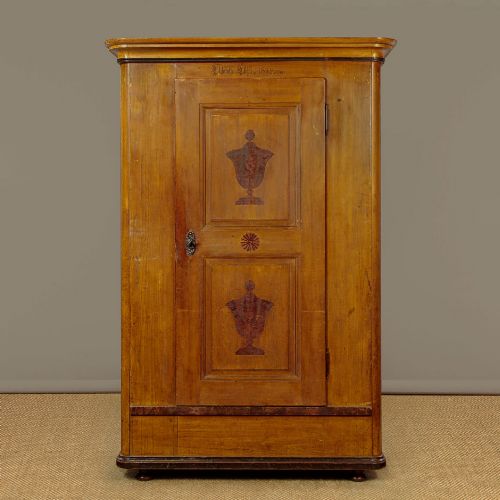
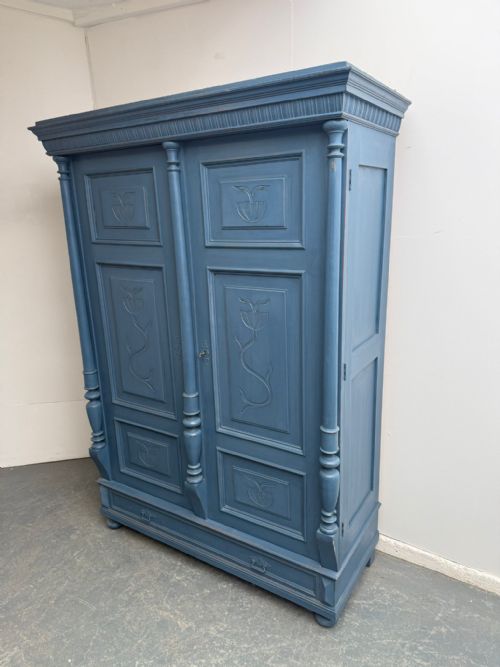
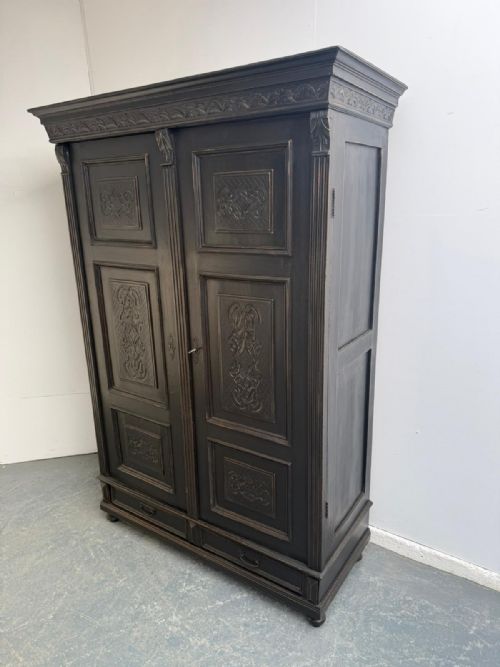
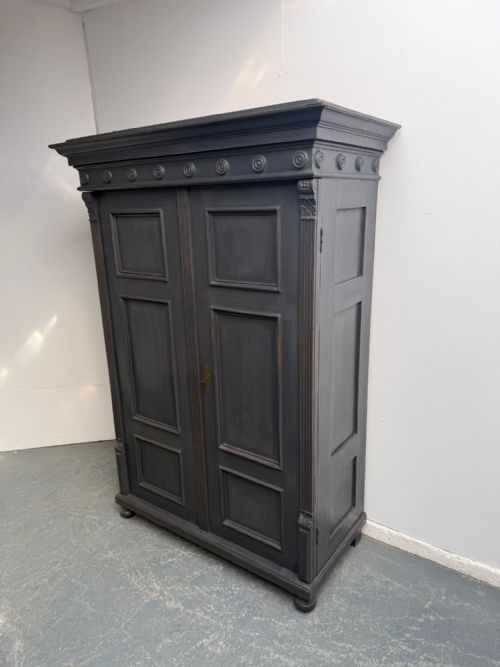
When you search for a continental painted cupboard, you are looking at utilitarian storage pieces built across European regions, from Dutch provincial workshops to Italian provincial towns and Alpine villages. These items encompass a broad family of storage forms, including corner cupboards, side cabinets, enfilades, larder cupboards, and large wardrobes or armoires.
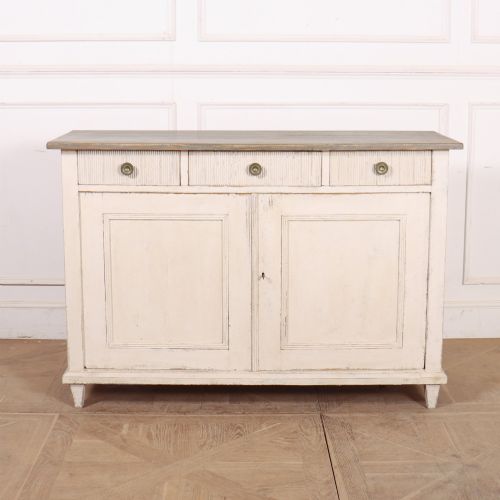
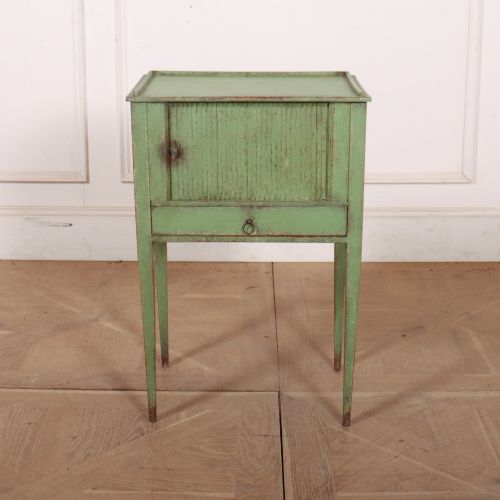
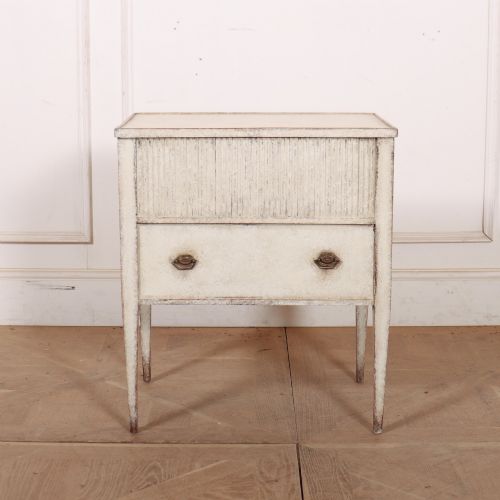
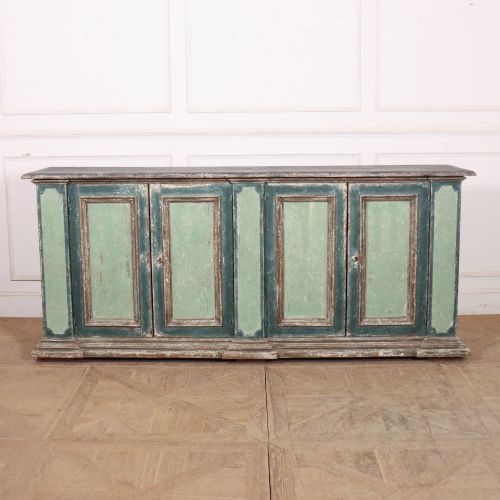
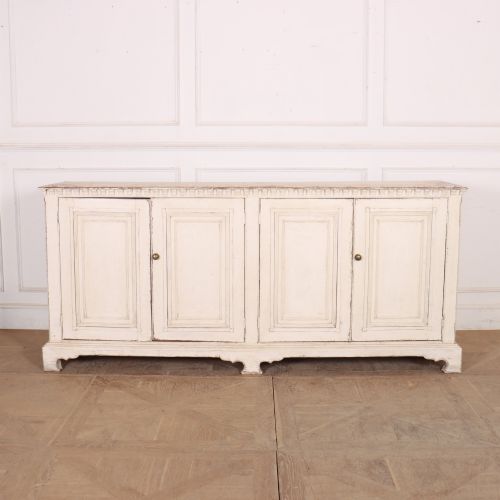
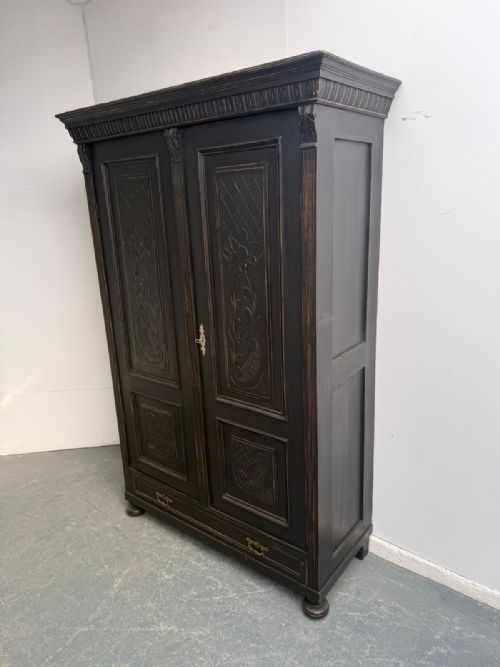
The version you are most likely to meet on this page is a nineteenth-century pine piece from Hungary or Italy, often finished with decorative painted surfaces in black, cream, teal, grey, or blue. These pieces range from compact bedside cabinets and wall units to substantial two-piece dressers and multi-door storage cupboards.
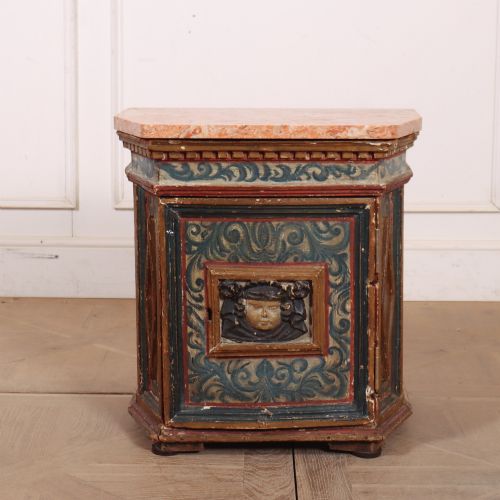
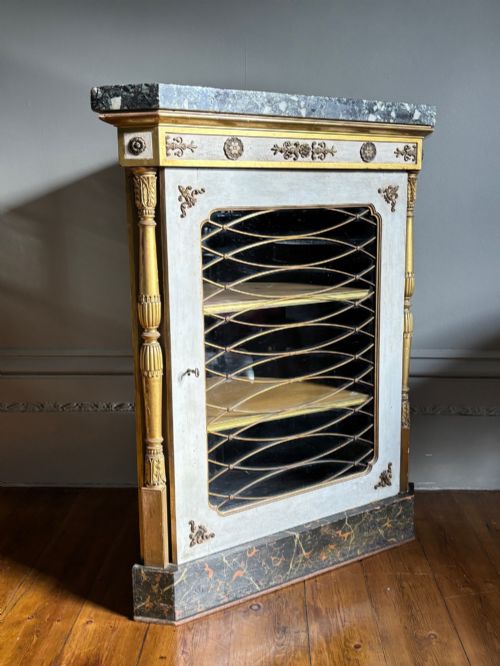
Earlier examples also appear from the eighteenth century, alongside Regency period pieces and distinct styles such as Alpine folk art and Italian baroque. The variety reflects the diverse domestic needs of different European regions, where local cabinetmakers constructed functional furniture to suit specific household storage requirements.
How they were made
Makers primarily relied on native softwoods and hardwoods, most frequently using pine and oak as the foundational timber for these cabinets, wardrobes, and dressers. Iron and brass hardware such as hinges, latches, and pulls secured doors and drawers, while select pieces incorporated glass panels or marble tops.
The defining characteristic of these items is the application of paint over wood, executed in regional palettes ranging from simple folk art motifs to more formal Italian decorative schemes. Construction techniques combined traditional joinery with surface finishes that protected the timber while providing distinct aesthetic identities for domestic interiors.
Materials recorded across the inventory include pine, oak, paint, brass, iron, glass, and marble.
What varies in quality
The distinction between tiers of quality rests heavily on the integrity of the original surface and the fidelity of the regional construction. Pieces retaining their authentic period paint layers hold greater interest than those with later or heavily restored overpainting, as the decorative skin carries the historical record of the piece.
Structural robustness also defines the upper range, where timbers remain stable and original hardware such as brass or iron handles and hinges stay intact. Proportion, joinery execution, and the sophistication of the regional style - whether an intricate Italian provincial cabinet or a robust Alpine folk art dresser - determine the standing of an individual piece.
The Continental Painted Cupboard Glossary
- Enfilade
- A long cabinet or sideboard traditionally used for serving or storage, frequently associated with formal European dining rooms. These pieces offer extended surface areas and multiple lower compartments.
- Vitrine
- A glass-fronted display cabinet designed for showing porcelain, glassware, or treasured objects. The glazed doors protect contents while maintaining visibility from all angles.
- Armoire
- A large wardrobe or cupboard used primarily for hanging garments and storing textiles. Continental versions often feature deep internal depths and robust two-door construction.
- Pine
- A softwood commonly utilised throughout European vernacular furniture for its workability and abundance. It served as the primary canvas for regional painted finishes.
- Folk art
- Decorative work produced within a traditional community style, often by self-taught makers. In these cupboards, it appears through distinct regional painted patterns and naive carved details.
Continental Painted Cupboard: Frequently Asked Questions
Where were these cupboards originally used?
These pieces served practical storage functions across various European domestic spaces, from farmhouses and alpine dwellings to provincial town houses and grander residences. They held linens, provisions, clothing, and household goods depending on the specific form.
Different regions developed distinct shapes to fit particular rooms, such as corner cupboards designed to utilise awkward angles or narrow bedside cabinets placed beside sleeping quarters.
How do I care for a painted wooden surface?
Maintenance requires avoiding excessive moisture and direct sunlight, both of which can destabilise historic paint layers and dry out underlying pine or oak timbers. Dust gently with a dry, soft cloth.
Chemical cleaning agents should be avoided entirely to preserve the integrity of the original pigments and the underlying wood finish.
How can I tell an eighteenth-century piece from a nineteenth-century one?
Dating relies on observing construction methods, joinery types, hardware styles, and the specific characteristics of the painted finish. Eighteenth-century examples often display hand-wrought iron details and distinct patination on the timber.
Nineteenth-century pieces frequently show more standardised manufacturing techniques while maintaining strong regional decorative traditions linked to specific decades like the 1850s or 1890s.