




Painted Oak Armoire
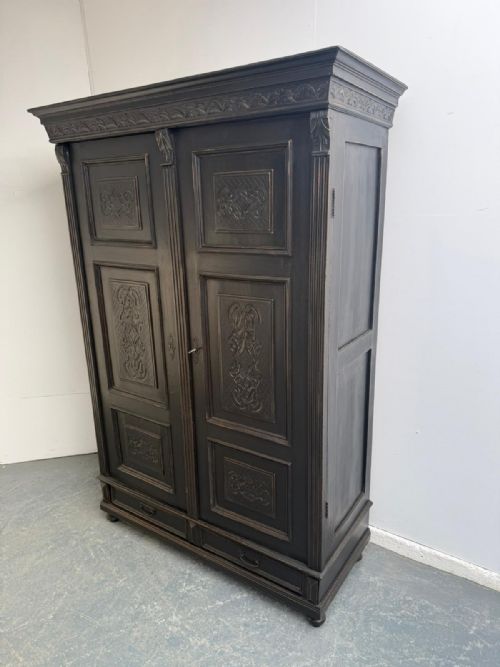
These painted oak armoire examples combine heavy native timber with decorative pigment, offering substantial storage built for rustic interiors.
Painted Oak Armoire
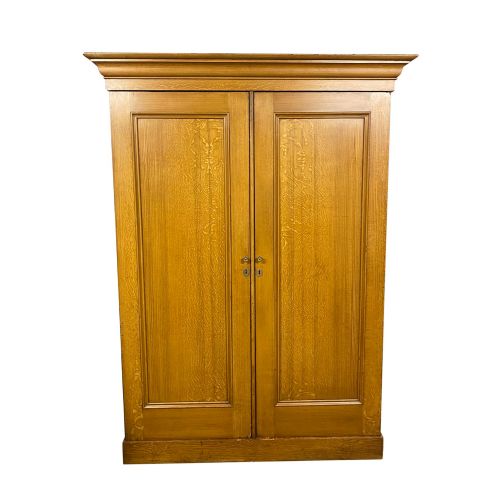
A painted oak armoire provides large-scale timber storage through double doors and internal hanging space or shelving. When you browse for a painted oak armoire, you encounter robust Continental and domestic cupboards that turn utility into a decorative statement.
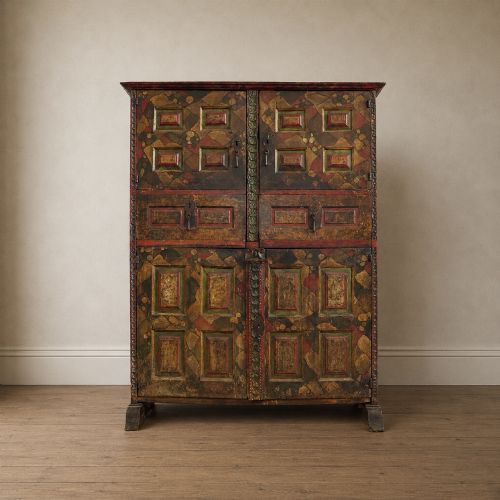
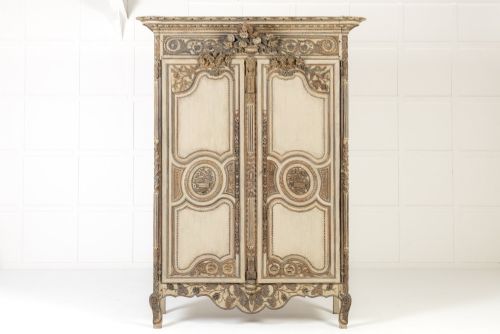
The pieces on this page span several centuries, featuring French provincial wardrobe forms alongside Hungarian folk art cupboards and Spanish Basque housekeeper cupboards. These heavy timber carcasses offer deep proportions designed to hold substantial household linens and garments.
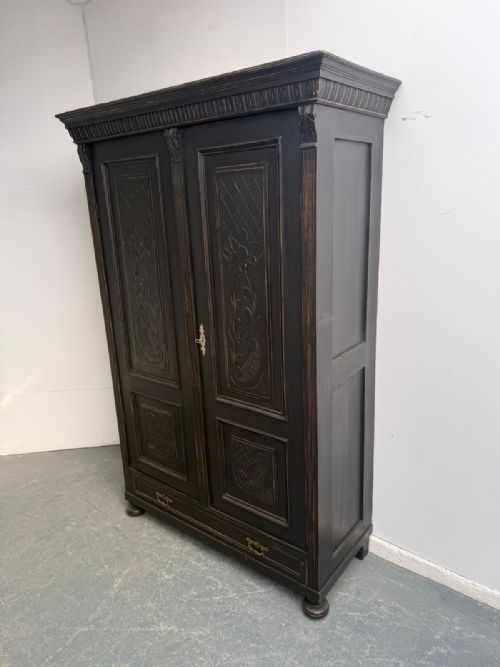
Regional variations appear clearly across the selection, moving from straightforward French linen presses to elaborate black-painted hall wardrobes. Each form reflects the specific domestic storage needs of its originating workshop and rural community.
How they were made
Carpenters constructed these cupboards using solid oak and pine timbers joined with traditional pegged mortise and tenon joints. Iron and brass hardware, including heavy hinges and working latches, secures the substantial doors.
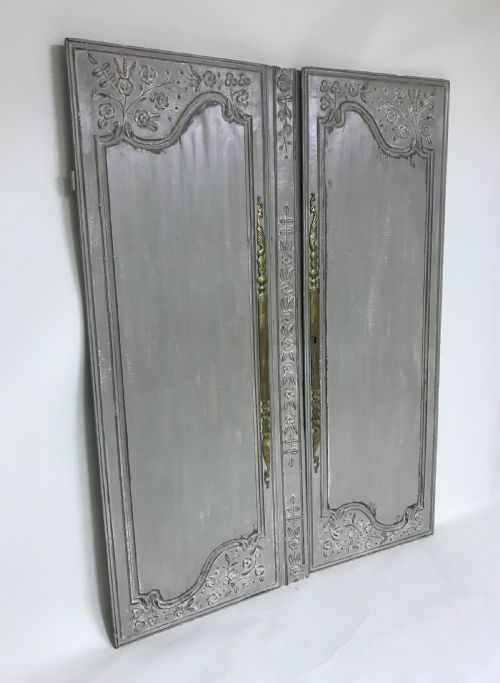
Surface decoration relies on applied paint, pigment, and scumble finishes designed to alter or protect the underlying wood grain. Workshops utilised layered paint techniques to create faux finishes or solid black and polychrome surfaces.
One historic cupboard arrived with an interior shelf still holding remnants of nineteenth-century dried lavender.
What varies in quality
The integrity of the original timber frame and the survival of early surface pigment determine the standing of each piece. Surviving polychrome details and untouched scumble paintwork elevate an example far above later repainted surfaces.
Proportion and structural balance separate simpler utilitarian cupboards from ambitious regional statements like the Spanish Basque housekeeper's cupboard. Master carpentry in the door framing and panel construction ensures the heavy oak carcass remains stable over centuries.
The Painted Oak Armoire Glossary
- Scumble paint
- A decorative technique where translucent paint is manipulated with combs or rags to imitate finer wood grains. This finish appears frequently on nineteenth-century wardrobe and compactum surfaces.
- Linen press
- A tall cupboard traditionally used for storing flat textiles and garments before dedicated bedroom wardrobes became common. These pieces often feature interior sliding trays alongside hanging sections.
- Buffet de corps
- A large two-section storage cabinet originating in France, combining a lower sideboard base with an upper cupboard. These heavy timber pieces provide substantial display and storage capacity.
- Vernacular
- Furniture made by local regional craftsmen using native materials to serve immediate domestic purposes, ignoring prevailing court styles. Welsh vernacular cupboards demonstrate this regional independence.
Painted Oak Armoire: Frequently Asked Questions
How do I date a painted oak armoire?
Dating relies on examining the construction methods of the oak frame, the style of the iron hinges, and the composition of the paint layers. Earlier seventeenth and eighteenth-century examples reveal hand-riven timber and pegged joints.
Later nineteenth-century pieces often incorporate machine-sawn elements alongside scumble paintwork or standardised hardware. Comparing the carcass proportions to documented regional furniture styles confirms the era of production.
How should I clean painted oak?
Maintenance requires gentle dusting with a dry, soft cloth to protect vulnerable historic pigment and scumble layers. Moisture and modern chemical solvents damage old paint films and strip natural oils from the timber.
Applying microcrystalline wax sparingly to unpainted oak surfaces helps preserve the wood without harming adjacent decorative finishes. Professional conservation advice is necessary if paint flaking occurs.
What is the difference between an armoire and a compactum?
An armoire provides open hanging space or adjustable shelving behind large double doors within a single uninterrupted cavity. This traditional format prioritizes large textiles and voluminous garments.
A compactum incorporates internal division, combining hanging sections with banks of internal drawers and linen slides. This hybrid storage design emerged to maximise bedroom organisation in the nineteenth century.