

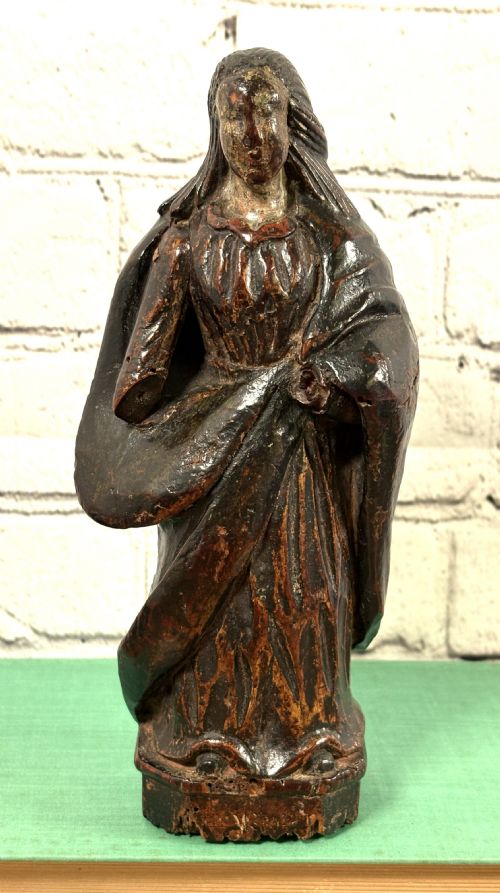


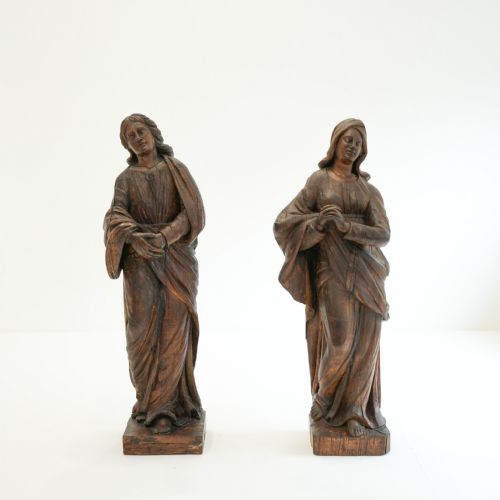


Continental Carved Wood Statue
A continental carved wood statue brings centuries of devotion, texture and workshop craft straight into a room.
Continental Carved Wood Statue
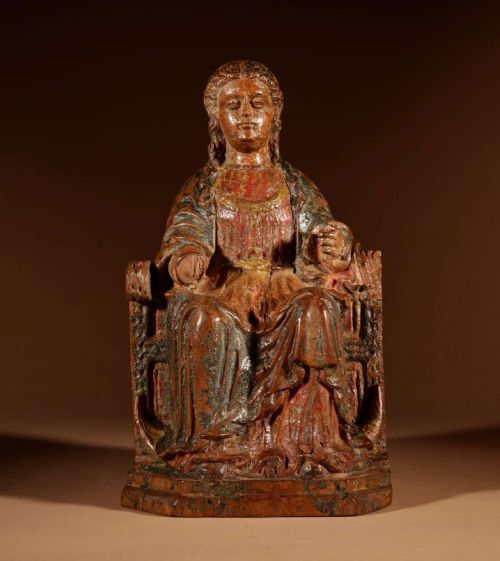
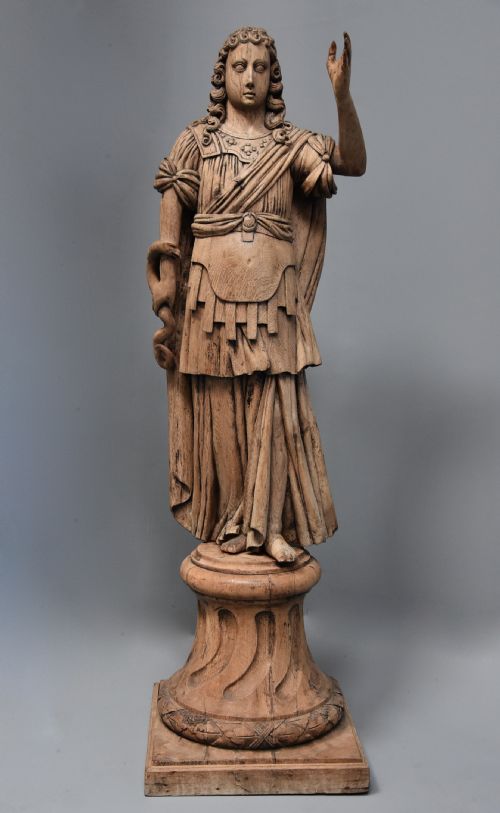
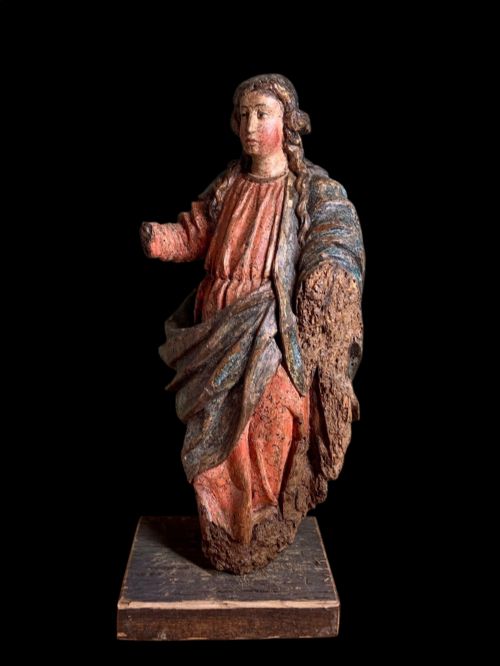
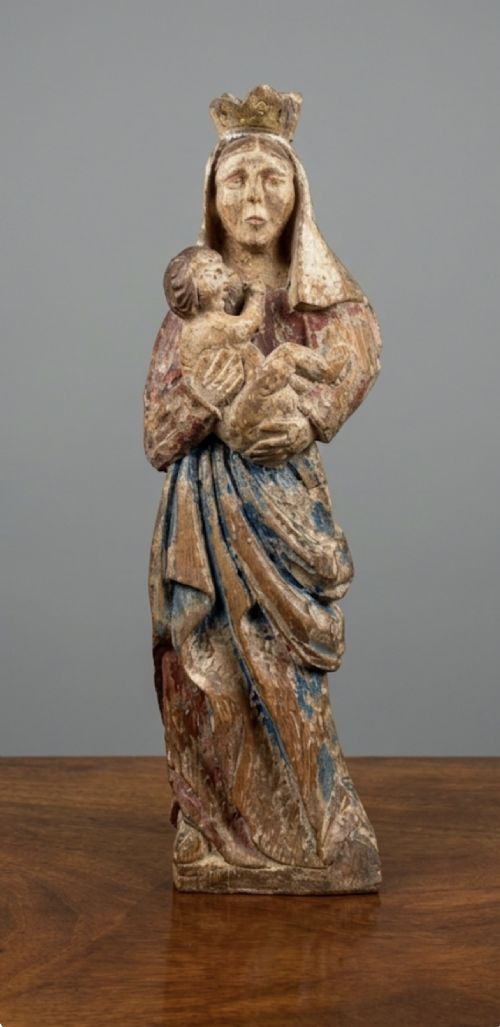
A continental carved wood statue represents religious and secular figures fashioned by European hands across several centuries. The selection ranges from pre-sixteenth century devotional carvings to nineteenth century devotional works and figures.
Buyers meet sixteenth century limewood saints, seventeenth century oak angels, and eighteenth century polychrome figures of Mary and Jesus. Subjects span Madonnas, saints, shepherds, and cherubs.
Most examples originate from German, Italian, and Croatian workshops, reflecting regional carvers using native timbers to depict sacred and narrative forms.
How they were made
Carvers shaped native woods including oak, walnut, lime, pine, apple, and hardwood directly from seasoned logs or blocks. Tool marks left by gouges and chisels remain visible beneath surface treatments.
Many surfaces received a preparation layer of gesso before painters applied polychrome paint, silvering, or gold leaf. This combination of carving and pigment gave figures lifelike presence in chapels and homes.
Angels carved on clouds join flower sellers and stone-fated saints among the timber congregation.
What varies in quality
The anatomical precision of hands, drapery folds, and facial expressions separates master carvers from provincial artisans. Superior pieces display fluid movement in robes and convincing depth in hair and flesh.
The survival of original polychrome paint, gesso, and gilding influences desirability. Intact pigment layers show how light and colour originally defined the sculpture.
The Continental Carved Wood Statue Glossary
- Polychrome
- Painted in several colours. This finish brought realism to carved wooden saints and religious figures.
- Gesso
- A plaster mixture applied to wood as a base for paint or gold leaf. It created a smooth surface for detailed decoration.
- Giltwood
- Wood decorated with thin sheets of gold leaf. It caught candlelight in ecclesiastical settings.
- Limewood
- A soft, pale wood favoured by European carvers for fine detail. It resists splitting and holds crisp chisel edges.
- Santos
- A carved figure representing a saint or divine personage. These statues often served liturgical purposes in southern European traditions.
Continental Carved Wood Statue: Frequently Asked Questions
How old are these statues?
The available pieces span from the pre-sixteenth century up to the nineteenth century, encompassing late medieval work through to the Baroque and Regency periods.
Specific dates or centuries appear in each listing based on stylistic evidence and material analysis.
What woods were used?
Carvers utilised local timber, including oak, walnut, limewood, pine, applewood, and denser hardwoods.
German and central European workshops frequently worked in lime, while oak and walnut predominate in earlier French, Italian, and English-influenced pieces.
Were they always painted?
Many figures received layers of gesso followed by polychrome paint, silver, or gold leaf to enhance their visual impact.
Others remained as bare wood, relying entirely on the grain and the carver's chisel work for expression.
How were they displayed?
Original contexts included altarpieces, church niches, processional platforms, and private domestic shrines.
Today, collectors place them on dedicated plinths, mantels, or brackets to highlight their sculptural form and surface texture.