


Commercial Shop Display Case
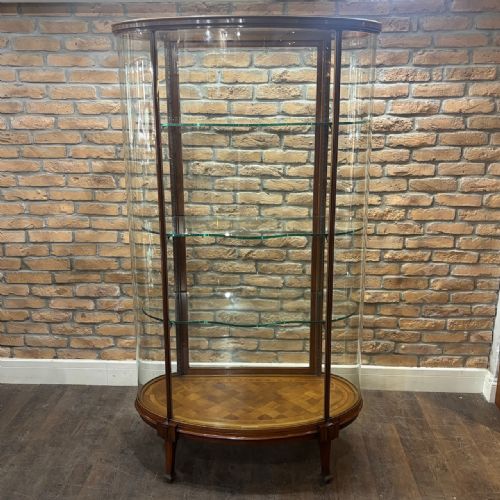
A commercial shop display case brings period retail pedigree into a room, offering glazed protection for items of interest.
Commercial Shop Display Case
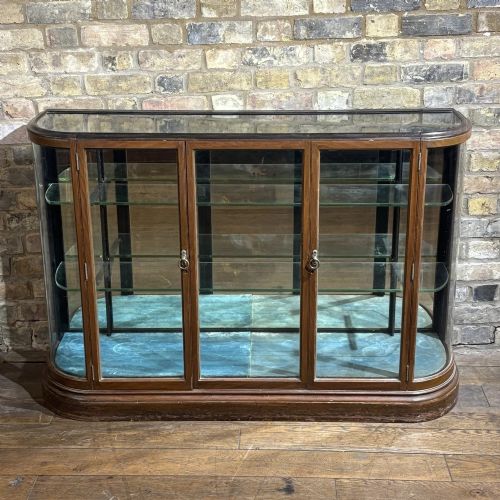
A commercial shop display case serves to showcase merchandise clearly while protecting stock behind glass within a retail setting. Buyers searching for a commercial shop display case will encounter various forms spanning the Victorian era through the 1930s, including tall cabinets, table top versions, and serving counters.
The selections on this page run from the late nineteenth century into the Art Deco period of the 1930s, featuring specific commercial identities such as grocers, confectioners, and chemists. Mahogany frames dominate the offerings, alongside occasional metal, brass, and aluminium framing.
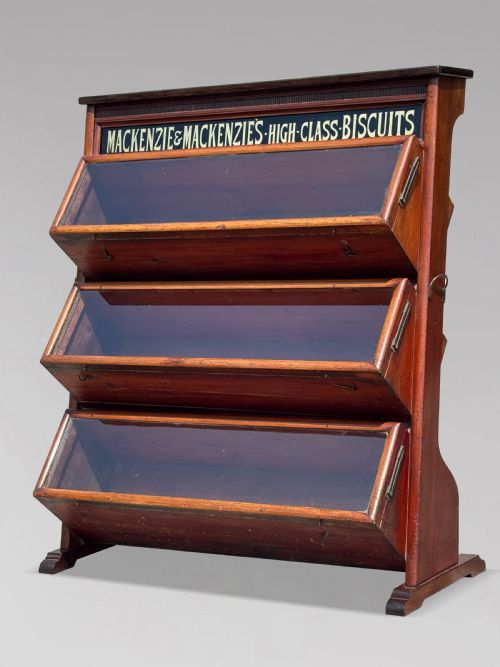
Many survivors carry original or later sign-writing relating to well-known confectioners and chemists, reflecting their primary use in Edwardian and early twentieth-century shops. These items range from compact countertop units designed for biscuits and chocolates to substantial counters and floor-standing vitrines.
Materials and construction
Makers utilised solid mahogany and other hardwoods alongside glass panels to construct sturdy frames capable of withstanding heavy daily retail use. Brass, metal, and aluminium appear across different eras to secure glass edges and support framing structures.
Interiors frequently incorporated mirrored glass panels to reflect light and enhance the visibility of goods displayed inside. Fabric and velvet linings occasionally cushioned the base surfaces where delicate merchandise sat.
Joinery techniques ranged from traditional cabinet-making methods seen in nineteenth-century workshops to the cleaner, industrial framing lines characteristic of the 1930s.
Listings feature mahogany, oak, brass, and aluminium frames combined with glass and mirrored interiors across the Victorian, Edwardian, and 1930s periods.
Evaluating build and presence
Quality reveals itself in the substantial weight of the timber framing, the clarity and expanse of the glass panes, and the integrity of the original joints. Superior examples employ solid mahogany with refined proportions rather than utilitarian construction.
The presence of maker plates, original brass hardware, and authentic advertising sign-writing elevates a piece above standard utility counters. Finer specimens maintain their original mirrored interiors and working doors without structural compromise.
F. Sage & Co·John Stow Ltd·Saml. Elliott & Sons·E. Pollard & Co. Ltd·Quincy Showcase Works
The Commercial Shop Display Case Glossary
- Vitrine
- A glass display cabinet used primarily for showing delicate objects or collectables. These pieces often feature glass on multiple sides to maximise light penetration.
- Bow end
- A cabinet featuring a curved glass front at one or both ends. This shaping softens the rectangular silhouette and provides panoramic viewing angles.
- Countertop
- A smaller display unit designed to sit upon a shop service counter for point-of-sale merchandising. These cases typically held confectionery, tobacco, or small accessories.
- Sign-written
- Lettering painted by hand directly onto the glass or timber surface to advertise products or shop names. This historic lettering often forms an integral part of the piece's character.
- Haberdashery cabinet
- A specialised storage and display unit featuring numerous shallow drawers with glass fronts. Merchants utilised these for organising and selling ribbons, buttons, and textiles.
Commercial Shop Display Case: Frequently Asked Questions
What items were kept inside these cases?
Merchants used these cases to display high-value or delicate merchandise such as chocolates, biscuits, pharmaceuticals, and sewing cottons to customers.
Items were kept secure behind glass doors while remaining fully visible to encourage point-of-sale purchases across Victorian and Edwardian high streets.
How do I date a display case?
Dating relies on observing construction materials, framing styles, and any accompanying advertising signatures or maker plaques found on the structure.
Victorian and Edwardian versions typically feature heavy mahogany framing and traditional joinery, whereas 1930s examples often introduce aluminium or brass frames with Art Deco styling.
Can I use these cabinets at home?
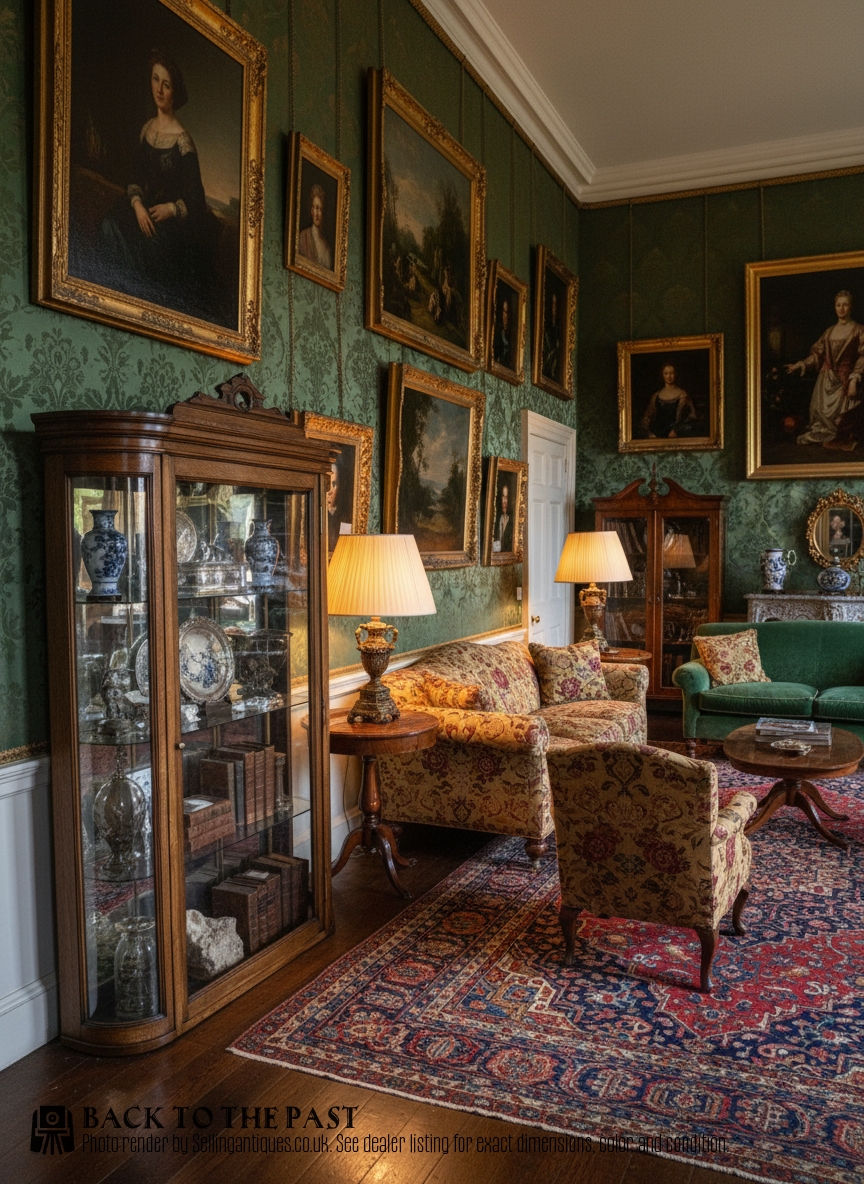
These cabinets suit modern home interiors well for displaying collections of ceramics, books, or glassware safely behind glass.
Their substantial timber frames and glazed panels bring period character and practical storage to dining rooms, hallways, or living spaces.
Why do some cabinets feature advertising?
Manufacturers supplied branded display cases to shops as a promotional tool for specific goods like chocolate, tea, or medicine.
Retailers used these units to stock and advertise popular products simultaneously, leaving behind hand-painted signage that records retail history.