


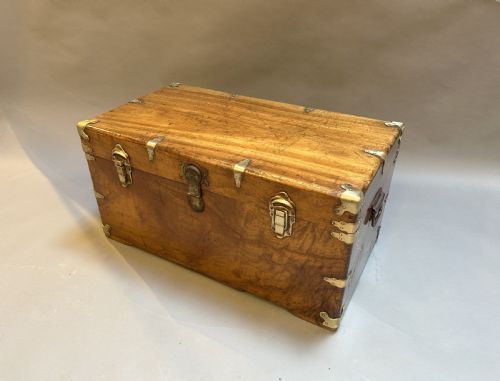
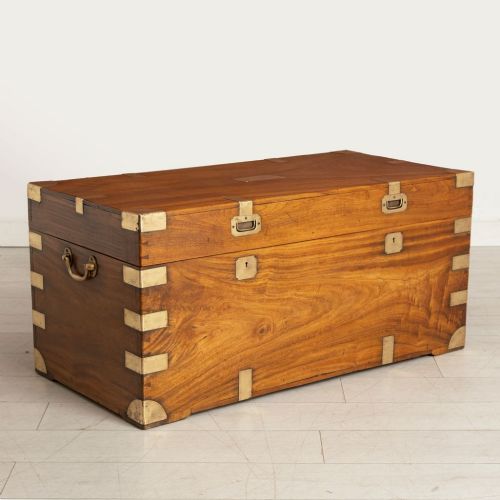
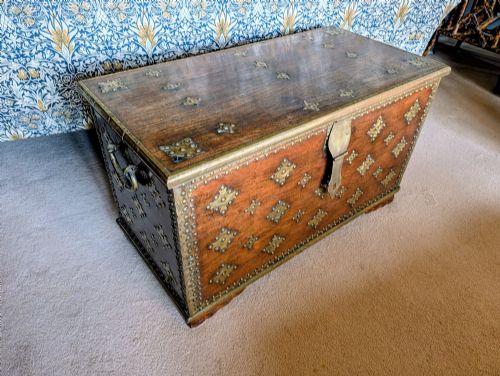
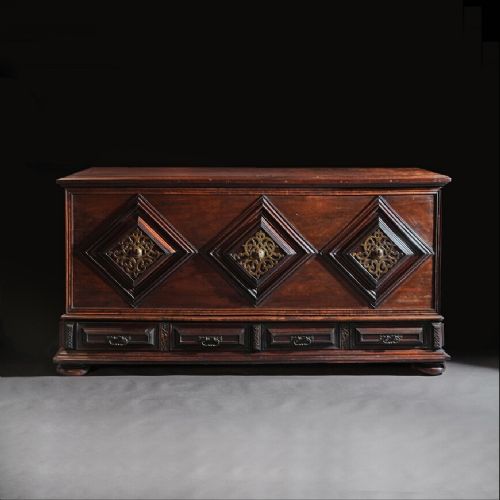
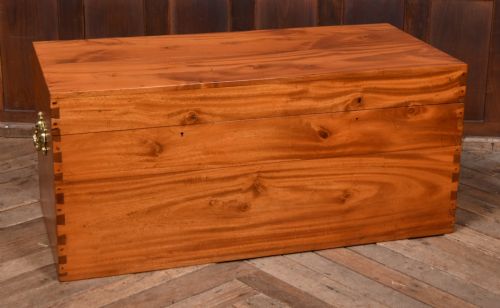
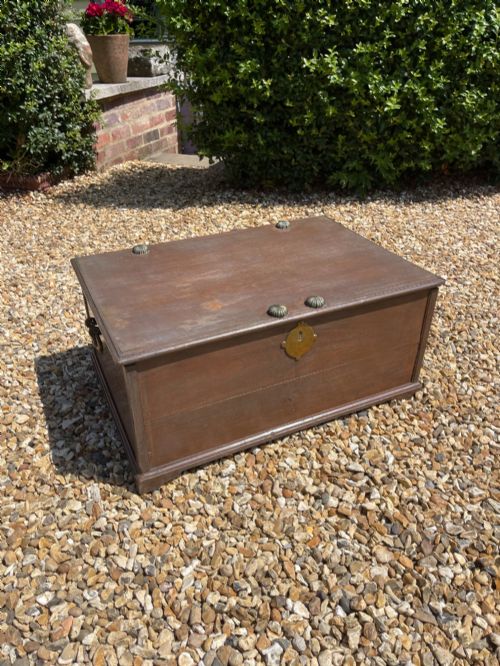
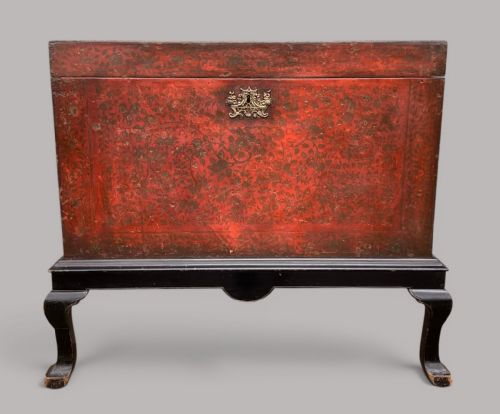
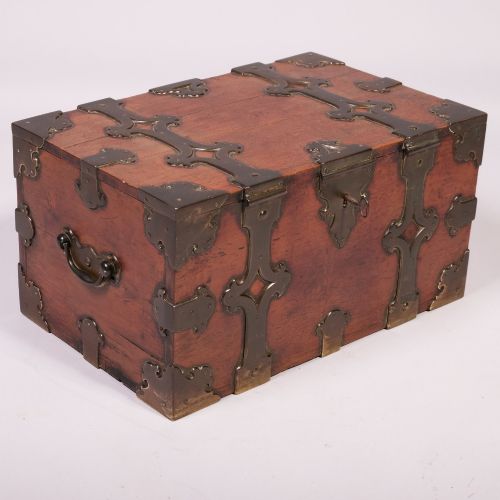
Colonial Storage Box
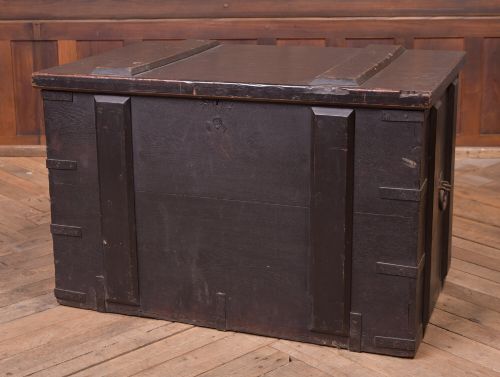
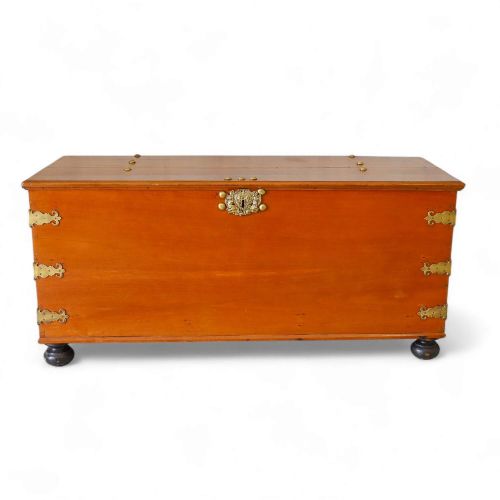
These robust colonial storage box examples combine practical travelling utility with rich timbers, offering sturdy containment for blankets and valuables.
Colonial Storage Box
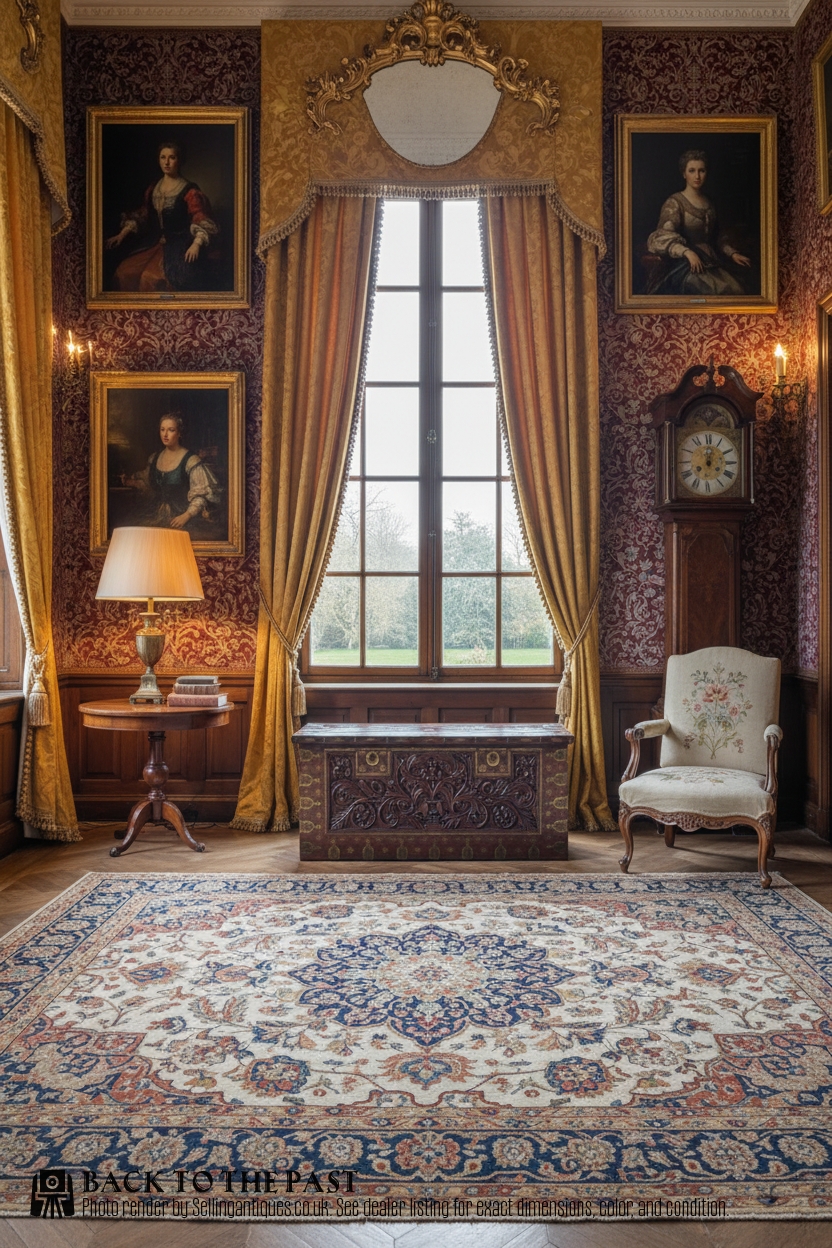
A colonial storage box is a durable chest, trunk, or coffer designed for transport and utility across distant territories during periods of expansion and trade. These vessels appear in forms such as blanket boxes, steamer trunks, strong boxes, and spice boxes originating from various global influences including Anglo-Indian, Spanish colonial, and Dutch East Indies traditions.
The pieces on this page span several centuries, reaching from the seventeenth century through to the early twentieth century. Nineteenth-century examples emerge most frequently, alongside eighteenth-century walnut and teak iterations and earlier Spanish leather or mahogany works.
Makers utilised distinct structural formats intended to withstand long sea voyages or overland journeys. Buyers encounter lift-up lids, hinged tops, and substantial internal compartments suited to holding textiles, valuables, or regimental items.
Materials and construction methods
Craftsmen built these containers using dense, resilient timbers capable of resisting humidity and insects, predominantly selecting camphor wood, teak, padouk, walnut, and mahogany. Camphor wood remains particularly prevalent for its aromatic properties and stability, while teak and padouk offer immense structural strength.
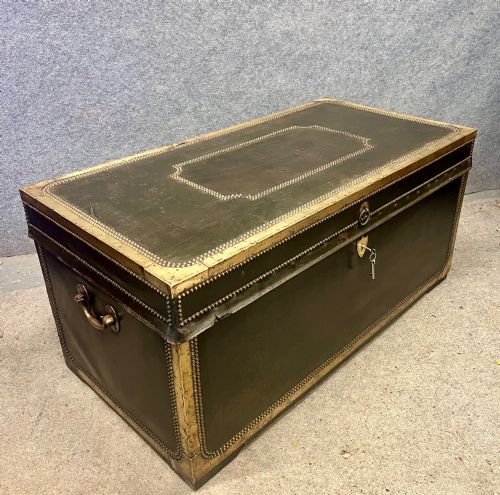
Metal reinforcement defines the construction, with heavy brass mounts, corner brackets, straps, and studding applied to secure the joints and protect the edges during transit. Iron fittings and leather coverings also appear on specific regional variants like Spanish domed coffers and China trade trunks.
Listings feature woods including camphor wood, teak, padouk, walnut, mahogany, and hardwood, alongside brass, iron, and leather.
Assessing construction and finish
Quality rests in the integrity of the timber selection and the precision of the joinery rather than mere decorative flourish. Superior examples retain their original brass hardware, flush-fitting handles, and functional locking mechanisms with working keys.
Finer pieces display intricate carving, disciplined brass strapwork, and well-preserved secondary woods such as ebony detailing. The presence of untouched patination on the timber and original surface treatments elevates the standing of an individual chest.
The Colonial Storage Box Glossary
- Camphor wood
- A fragrant timber native to Asia, utilised for storage chests due to its insect-repellent qualities and pleasant scent. It withstands tropical climates effectively.
- Padouk
- A heavy, durable tropical hardwood displaying a reddish-brown hue, frequently employed in fine overseas furniture and campaign boxes. It polishes to a rich lustre.
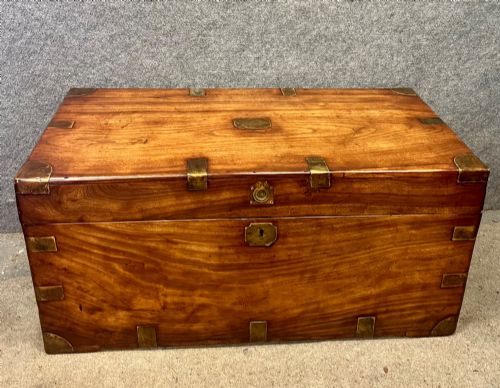
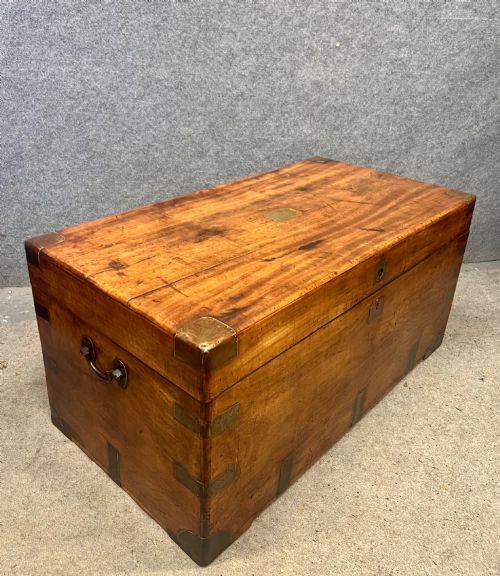
- Campaign trunk
- A portable storage box designed for military officers or travellers, featuring recessed brass handles and reinforced corners for frequent transit. These boxes break down or stack securely.
- Coffer
- A large box or chest traditionally used for holding valuables, money, or precious documents. They often feature robust locking systems and heavy metal bands.
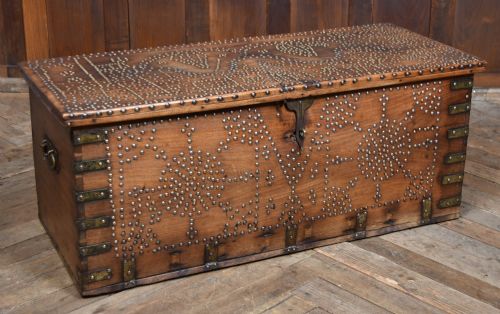
- Zanzibar chest
- A distinct type of trading chest characterised by brass studding, ornate metal straps, and compartmentalised interiors. They reflect maritime trade routes between India and East Africa.
Colonial Storage Box: Frequently Asked Questions
What is a colonial storage box?
A colonial storage box is a heavy-duty container built for travel and domestic use in regions under colonial administration or trade influence. They served to protect garments, valuables, and provisions during long journeys.
These pieces encompass forms such as blanket chests, spice boxes, and campaign trunks. Their construction prioritised durability against harsh climates and rough transport conditions.
How do I identify the wood used?
Examination of weight, grain pattern, and scent helps distinguish the primary timbers. Camphor wood emits a distinct medicinal aroma and exhibits a pale to medium brown grain.
Teak and padouk are heavier and denser hardwoods often showing darker reddish or golden tones. Secondary woods like ebony appear in decorative stringing or inlay work on specific regional pieces.
Were these chests made for military use?
Many examples relate directly to military campaigns and official travel. Officers in British and European armies utilised fitted trunks that could double as desks or secure storage.
Other boxes served merchants, sailors, and colonial administrators stationed abroad. Civilian domestic storage boxes share similar robust brass hardware but lack internal officer fittings.
How should I care for an antique wooden chest?
Maintaining stable indoor humidity levels prevents the solid timber from warping or splitting. Keeping chests away from direct heat sources protects the original wood and metal surfaces.
Applying a traditional wax polish occasionally nourishes the dry grain without sealing the surface. Regular dusting with a soft cloth preserves the existing patina.
What distinguishes Spanish colonial boxes from Anglo-Indian ones?
Spanish colonial and European overseas boxes frequently incorporate leather coverings, iron studding, and walnut construction with distinct regional decorative motifs. They often feature domed lids and heavy locks.
Anglo-Indian pieces typically rely on teak, padouk, or camphor wood paired with extensive brass strapwork and flush campaign handles. The carving styles and joinery reflect the distinct woodworking traditions of the Indian subcontinent.