


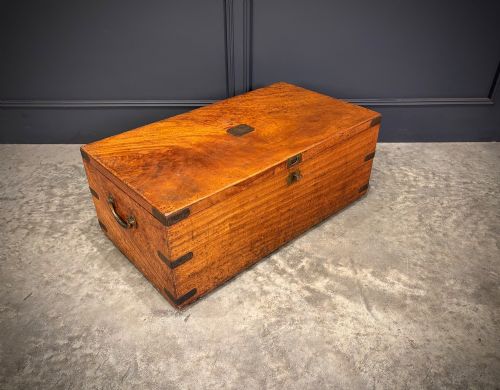

Colonial Campaign Trunk
A colonial campaign trunk brings the practical utility of distant travels home.
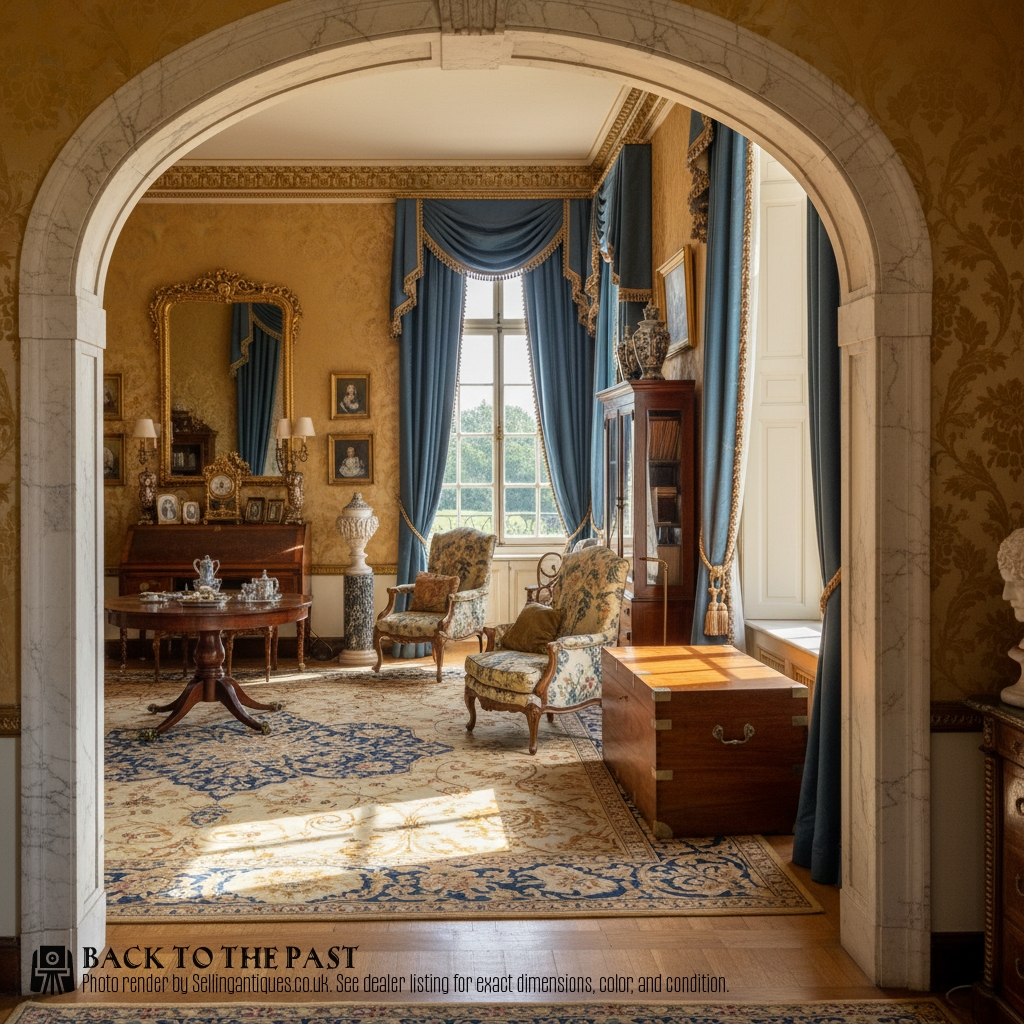
Colonial Campaign Trunk
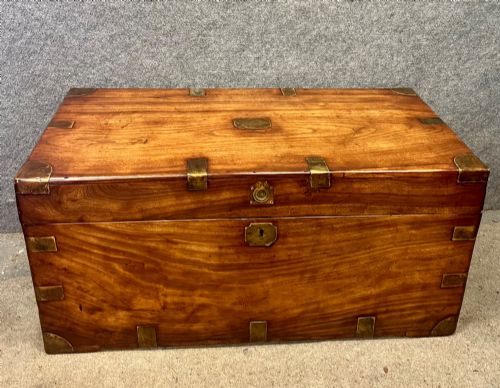
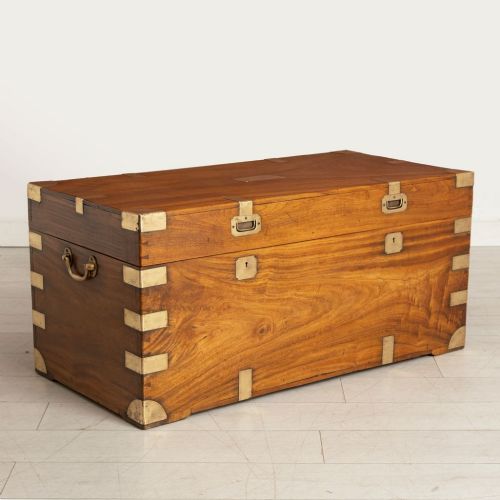
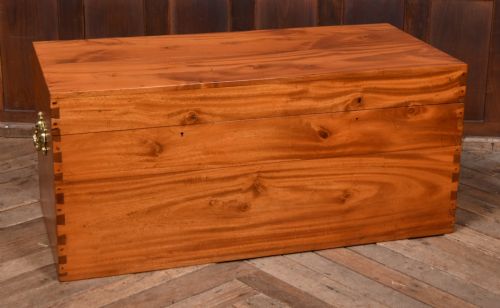
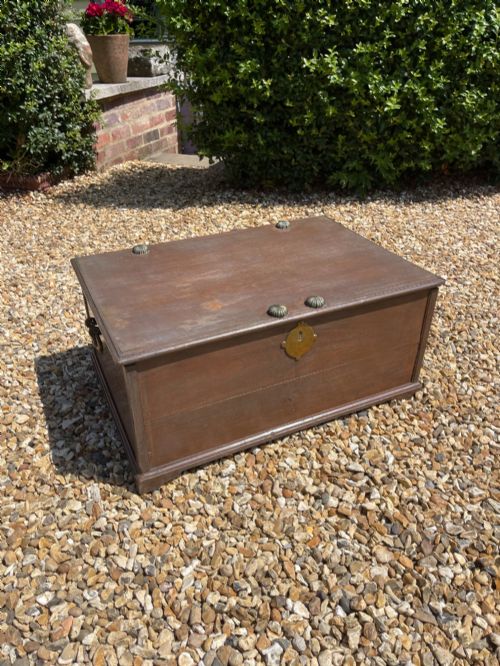
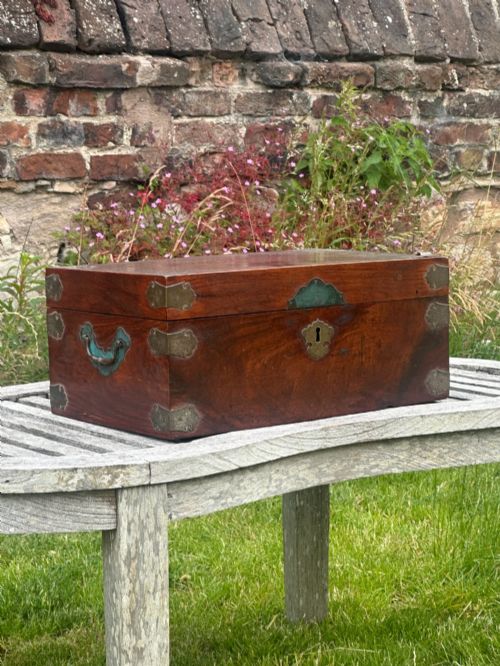
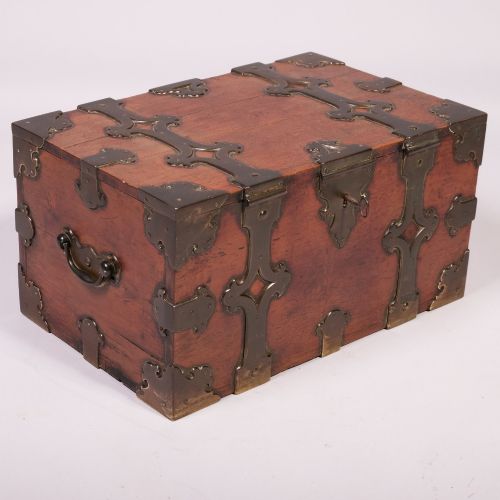
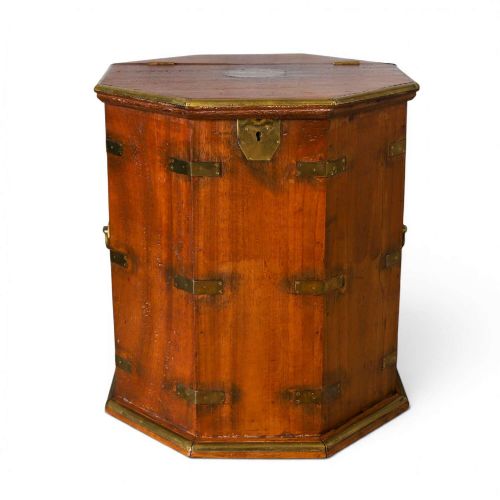
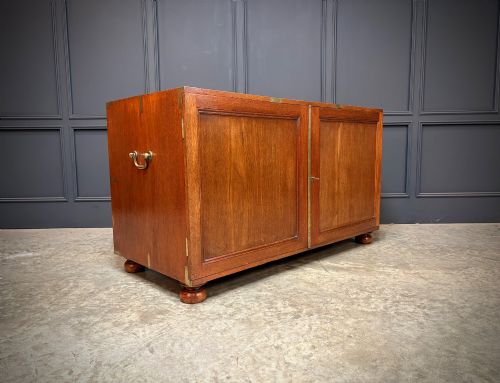
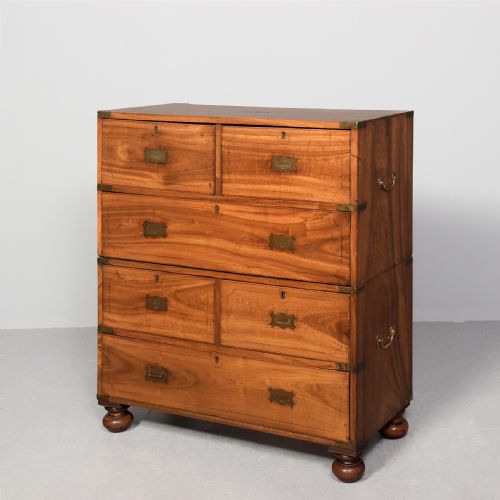
A colonial campaign trunk is a sturdy receptacle originally designed for transport during military or administrative postings abroad. These pieces span the eighteenth, nineteenth, and early twentieth centuries, reflecting diverse global origins from India to China and Dutch colonies. Buyers encounter numerous variations here, ranging from simple blanket boxes and deed boxes to elaborate two-part military chests with fitted interiors.
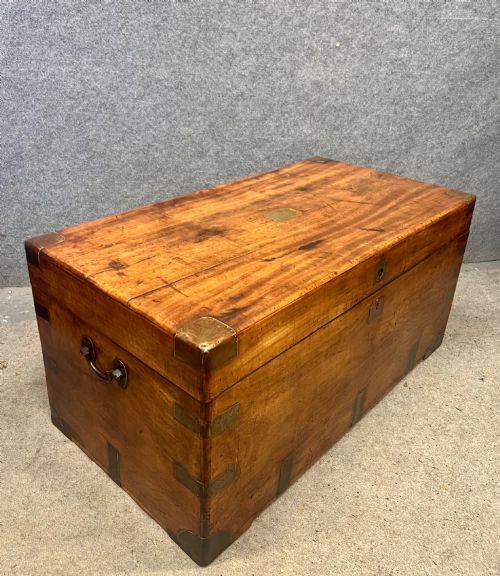
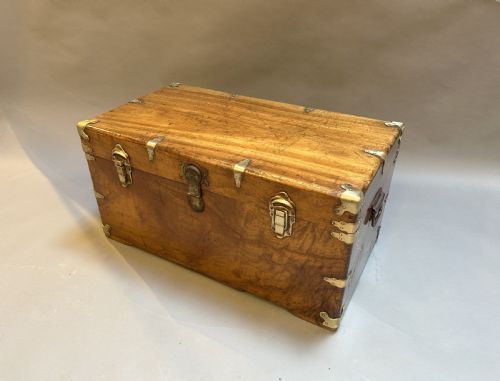
Most examples appearing in these listings rely upon durable regional timbers such as camphor wood and teak, occasionally augmented by mahogany, walnut, or padouk. Structural configurations frequently incorporate hinged lift-up tops, iron or brass corner plates, and sturdy carrying handles suited for relocation. Such robust characteristics ensure these historic containers remain functional storage furniture in contemporary settings.
Materials and Construction Techniques
Carpenters utilised dense hardwoods like teak and fragrant camphor wood to withstand tropical climates and insect damage during transit. These heavy timbers provided natural resistance to warping and decay while enduring the rigours of long sea voyages.
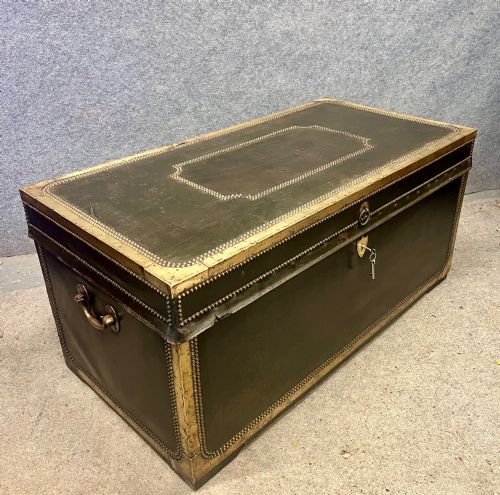
Metal reinforcement defines the construction, with heavy brass straps, corner brackets, and flush-mounted hardware protecting vulnerable edges from impact. Leather coverings and iron mountings also appear, secured by numerous small pins or screws to anchor the heavy framework firmly together.
Colonial Campaign Trunk Retail Price Guide 2026
Typical asking prices for colonial campaign trunk among the pieces listed under this phrase on Sellingantiques today, from the lower quarter to the upper quarter. They describe what is for sale here now, not the wider market.
Listings feature teak, camphor wood, mahogany, and padouk, spanning the eighteenth to early twentieth centuries.
Distinguishing Quality and Craftsmanship
The degree of refinement in the metal hardware and the selection of timber dictate the standing of an individual piece. Superior examples display substantial, well-fitted brass mounts and solid hardwoods like padouk or richly grained camphor, rather than lighter secondary woods.
Complexity of interior organisation also separates standard storage boxes from finer military chests, particularly those featuring multiple internal drawers or dedicated writing compartments. Original brass handles, secure locks, and clean joinery elevate the overall merit of surviving specimens.
The Colonial Campaign Trunk Glossary
- Camphor Wood
- A durable, aromatic timber native to Asia, prized for its insect-repellent properties and distinct scent. It forms the primary material for many surviving travel chests.
- Brass Bound
- A construction method where brass strips and corner brackets are fastened to the exterior edges of a chest. This technique reinforces the corners against heavy handling during transit.
- Two-Part Chest
- A modular furniture design splitting vertically into upper and lower sections for easier loading on pack animals or ships. These sections typically lock together securely with metal pins.
- Deed Box
- A smaller specialised container utilised for transporting legal documents and valuable papers. They often feature robust locks and compact internal compartments.
Colonial Campaign Trunk: Frequently Asked Questions
What is a colonial campaign trunk?
A colonial campaign trunk is a robust storage container built for officers and travellers during the eighteenth and nineteenth centuries. These pieces were constructed to endure difficult journeys across distant territories.
Today, they function as decorative coffee tables or storage chests in homes. Their practical design reflects an era of global movement and administrative expansion.
How were these trunks used?
Owners packed uniforms, documents, and personal belongings inside these containers for transport by ship, train, or animal. The sturdy timber and metal framing protected contents from moisture and rough handling.
Many featured reinforced corners and recessed handles specifically for constant loading and unloading. Some included specialised compartments for writing materials or valuables.
Where do these trunks originate?
These pieces originate from various regions associated with trade and military presence, including India, China, and Dutch colonial territories. Local workshops utilised regional timbers native to those climates.
Styles often reflect Anglo-Indian, Chinese export, or Dutch colonial design traditions. The specific wood species often points toward the geographic workshop of origin.
How do I care for camphor wood?
Camphor wood requires minimal maintenance due to its natural oils and durable grain structure. Keeping the timber away from direct heat sources prevents drying and splitting.
Occasional dusting with a soft cloth preserves the polished surface and brass mounts. The natural aroma can be refreshed lightly if the wood has aired out over many years.