





Collector Glassware
Collector antique glassware comprises hand-blown vessels from Georgian drinking vessels to Art Nouveau vases that bring tangible historical craft into the home.
Collector Glassware
Collector antique glassware encompasses drinking vessels and decorative vases spanning the Georgian and Art Nouveau periods, showcasing the diverse output of past centuries. Buyers browsing this selection most frequently encounter eighteenth-century English wine glasses featuring complex stems alongside nineteenth-century continental vases.
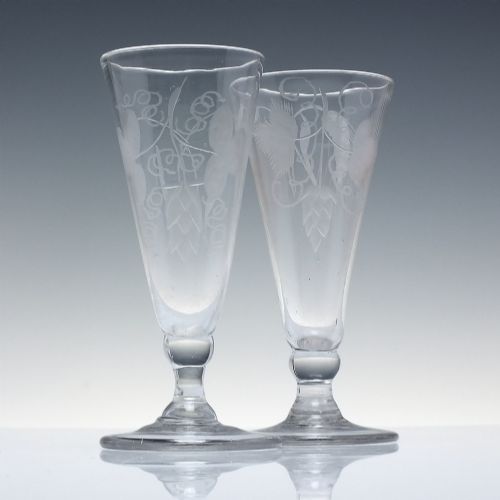
The objects range from modest engraved ale glasses and rummers to large, richly decorated cameo glass vases and champagne coupes. Each piece reflects specific functional and aesthetic demands of its era, from tavern drinking to ornamental display.
Materials and methods of production
Makers utilised lead glass, lead crystal, and flint glass to achieve clarity and weight in drinking vessels, shaping them by hand with tools like corkscrews and moulds. These techniques allowed artisans to produce fine optical qualities and intricate bowl forms such as the ogee and baluster.
Decorative glassware incorporated enamelling, white enamel work, and cameo glass techniques to build layered surface designs. Workshops like those producing Art Nouveau pieces relied on chemical treatments to create iridescent finishes across vases and coupes.
Collector Glassware Retail Price Guide 2026
Typical asking prices for collector glassware among the pieces listed under this phrase on Sellingantiques today, from the lower quarter to the upper quarter. They describe what is for sale here now, not the wider market.
Listings span Georgian, 18th Century, 19th Century, and 1900 periods, featuring lead glass, cameo glass, and enamel.
Assessing quality in antique glass
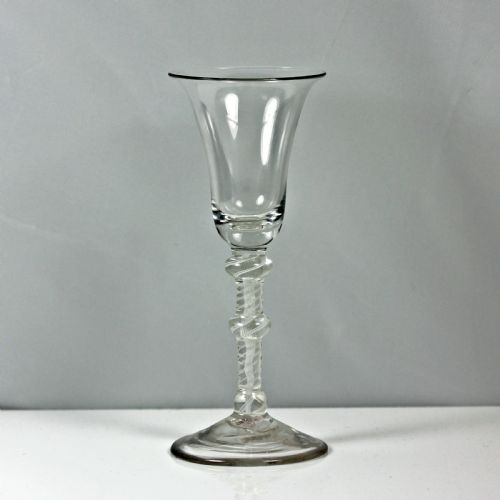
Quality rests upon the precision of hand-blown manipulation and the complexity of internal stem structures within drinking vessels. Double series opaque twists and balustroid forms demonstrate higher technical difficulty than plain stem equivalents.
In decorative pieces, the crispness of cameo carving and the depth of enamel application determine the finesse of the work. Superior examples display balanced proportions and deliberate integration of material colour with surface design.
Loetz·Fritz Heckert·Gallé·Daum
The Collector Glassware Glossary
- Lead glass
- A heavier formulation of glass containing lead oxide that increases brilliance and refractive index. It was widely adopted in England for drinking vessels.
- Cameo glass
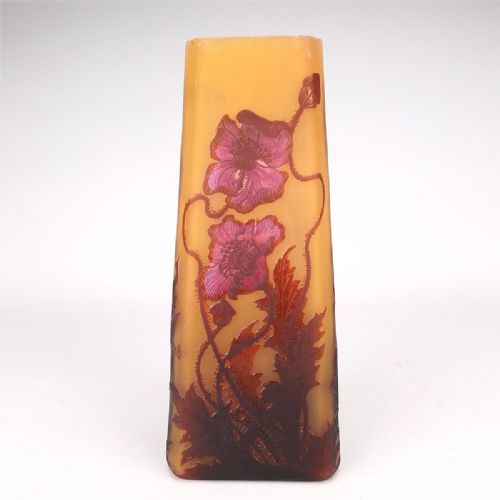
- A vessel formed of two or more distinct layers of coloured glass fused together, where the outer layer is carved away to reveal a contrasting design. This technique saw extensive use in the Art Nouveau period.
- Opaque twist
- A stem form containing internal threads of white or coloured enamel glass twisted into patterns like air twists. It is a defining characteristic of mid-eighteenth-century drinking glasses.
- Balustroid
- A heavy stem style featuring a distinct knop or swelling shape reminiscent of architectural balusters, common in early eighteenth-century English glass.
- Ratafia glass
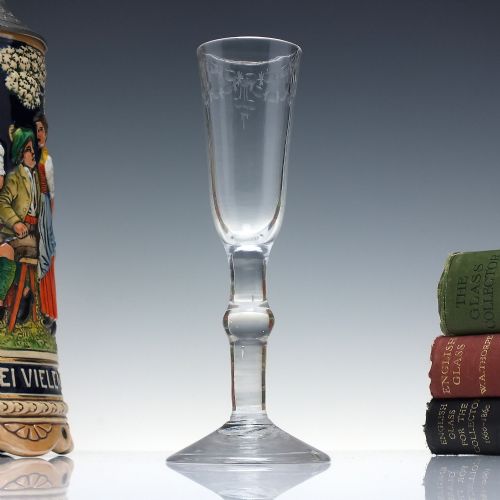
- A tall, narrow flute designed for serving sweet ratafia biscuits and cordials. These pieces date predominantly to the eighteenth century.
Collector Glassware: Frequently Asked Questions
How do I date antique wine glasses?
Dating relies on examining stem formations, bowl shapes, and pontil marks on the base. Eighteenth-century pieces often feature thick lead metal and specific twists.
Changes in taxation laws and manufacturing techniques across the Georgian period also help narrow down the decade of production.
What is an opaque twist stem?
An opaque twist stem contains fine white or coloured glass threads spun through the interior of the glass rod. These threads create spiral or mesh patterns.
Master glassmakers achieved this effect before drawing and twisting the molten metal prior to forming the final glass.
How were Art Nouveau glass vases made?
Art Nouveau glassmakers utilised multi-layered glass, acid etching, and metallic oxides to achieve iridescent and cameo surfaces. Artisans manipulated the hot glass to resemble natural forms like flowers and stems.
Firms such as Loetz and Gallé pioneered chemical treatments that gave their vases distinct sheen and colour gradients.
Can I use antique glassware for dining?
While sturdier Georgian rummers and ale glasses were made for regular use, many collectors prefer to display fragile drinking vessels and cameo vases. Hand-washing in tepid water without soaking protects the historical material.
Thermal shock and modern dishwashers can crack or cloud old lead glass and enamel decoration.