



Collectible Porcelain
Collectible porcelain brings together finely painted cabinet plates, glazed figures and delicate teacups spanning three centuries of European kiln work.
Collectible Porcelain
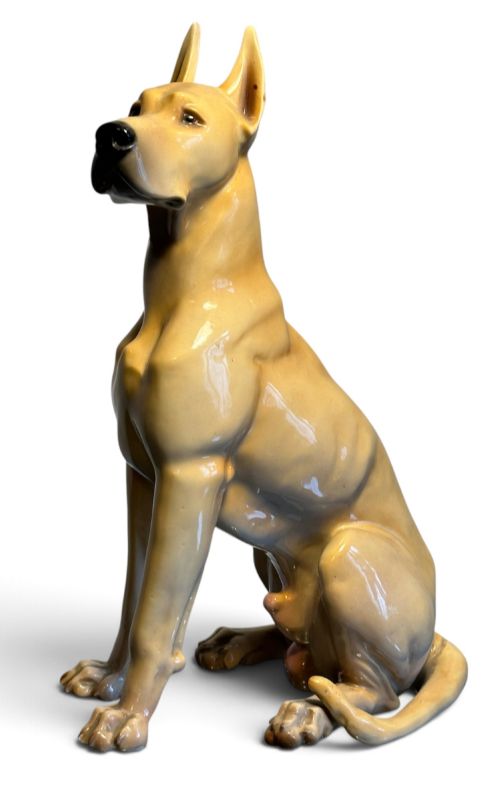
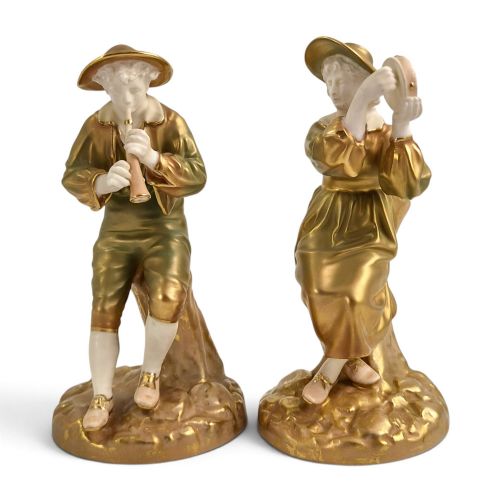
When you search for collectible porcelain, you encounter a varied assortment of decorative plates, tea services, animal figures and painted cabinet cups produced across British and continental European factories.
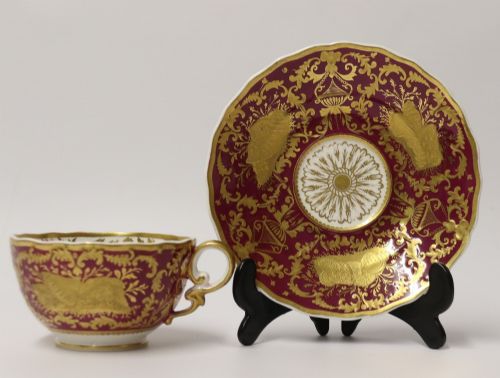
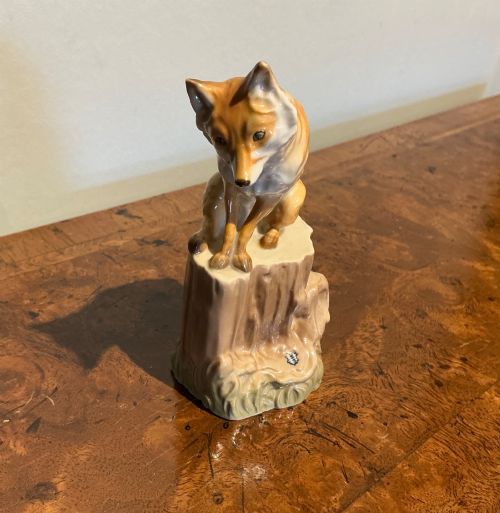
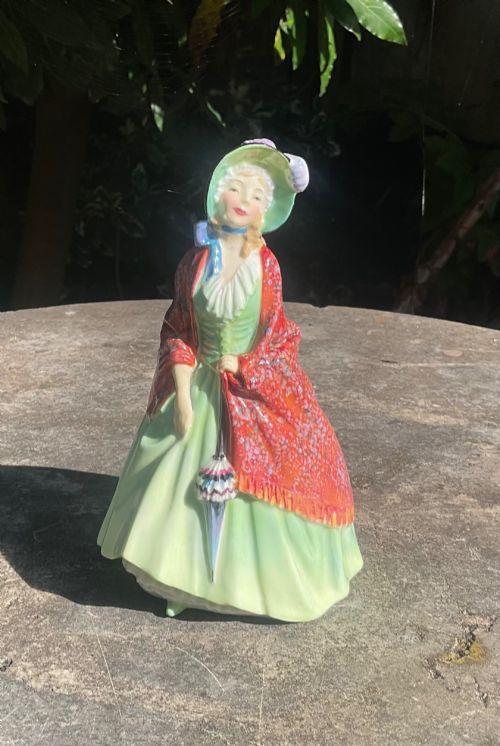
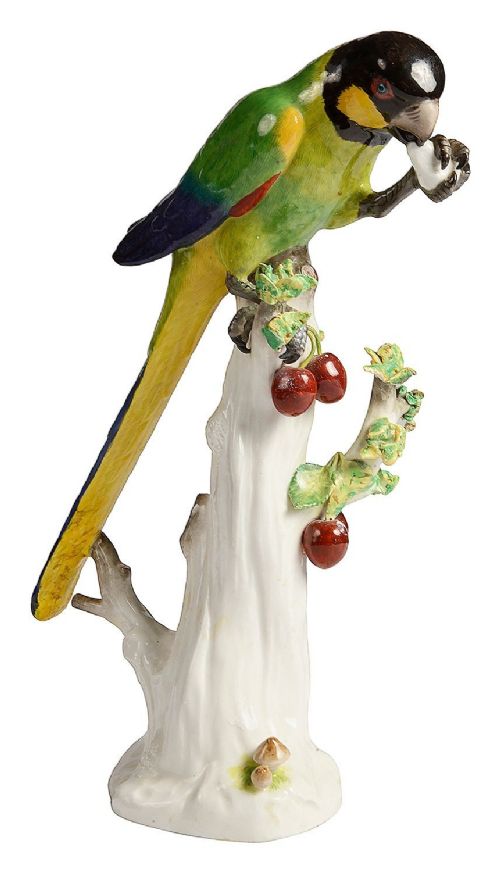
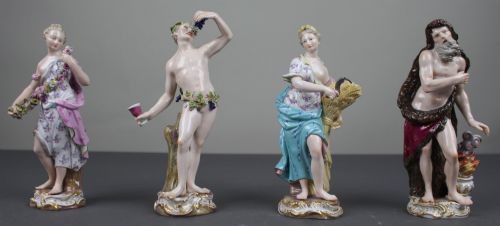
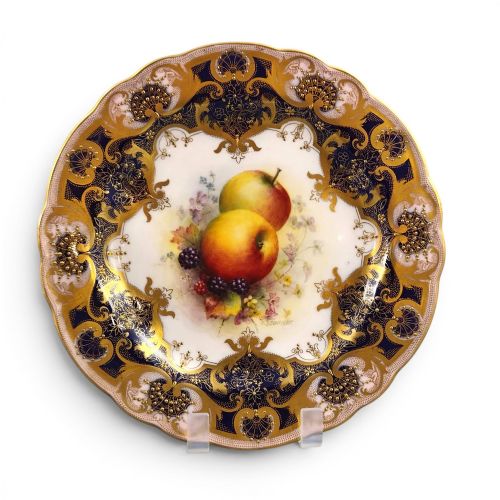
The pieces on this page lean heavily toward nineteenth-century English works from factories such as Spode, Royal Worcester and H & R Daniel, alongside figures from Meissen and Derby.
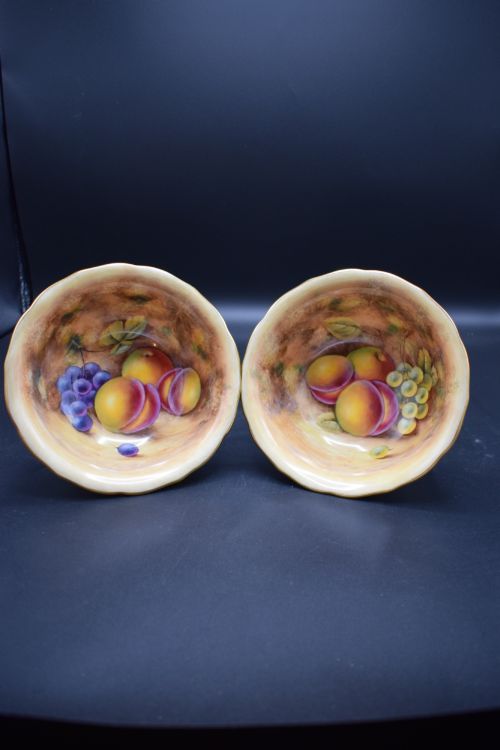
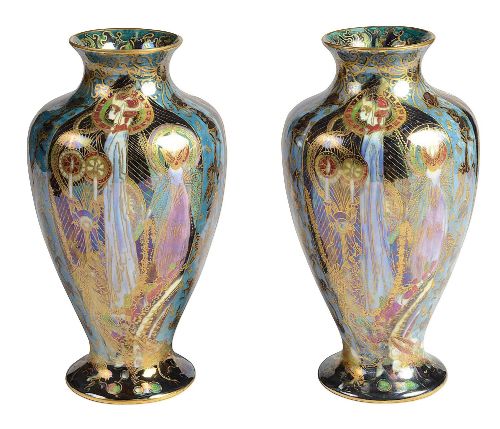
Vases, stirrup cups and decorative bowls also appear frequently, often carrying handpainted fruit or elaborate glaze designs from the Georgian and Edwardian eras.
Materials and Technique
The body of each piece relies upon hard or soft-paste porcelain, bone china or pearlware, shaped by hand or in moulds before receiving an initial kiln firing.
Glaze seals the ceramic surface, providing a smooth vitreous coating that protects the painted decoration applied underneath or over the top.
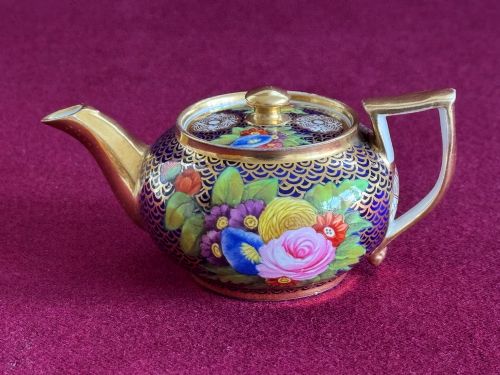
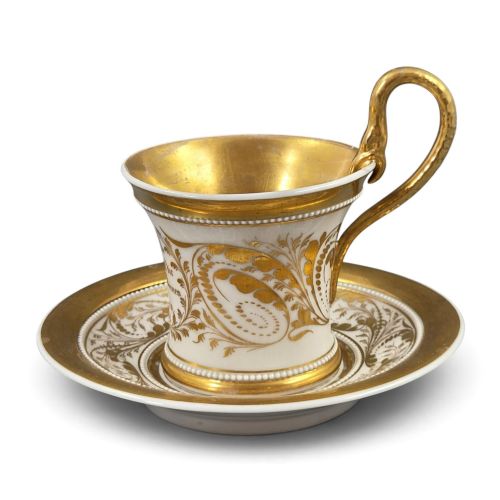
Painters and gilders then add enamel pigments, gold leaf and intricate gilding by hand, returning the vessel to the kiln to fix the metallic and coloured finishes.
Collectible Porcelain Retail Price Guide 2026
Typical asking prices for collectible porcelain among the pieces listed under this phrase on Sellingantiques today, from the lower quarter to the upper quarter. They describe what is for sale here now, not the wider market.
Ceramic walking sticks conceal hollow porcelain lengths beneath handles painted to resemble wood.
Evaluating Quality
The distinction between ordinary production ware and superior cabinet pieces rests upon the precision of the handpainted detail and the crispness of the porcelain moulding.
Renowned factories employed master artists, such as Thomas Steele or Richard Sebright, whose botanical and fruit painting elevates a simple plate into a significant work of art.
The preservation of delicate gilding, enamel saturation and glaze clarity without rubbing or loss dictates the standing of an item among collectors.
Spode·H & R Daniel·Royal Doulton·Nymphenburg·Meissen·KPM Berlin·Wedgwood·Royal Worcester·Derby Porcelain·Minton·Longton Hall
The Collectible Porcelain Glossary
- Cabinet plate
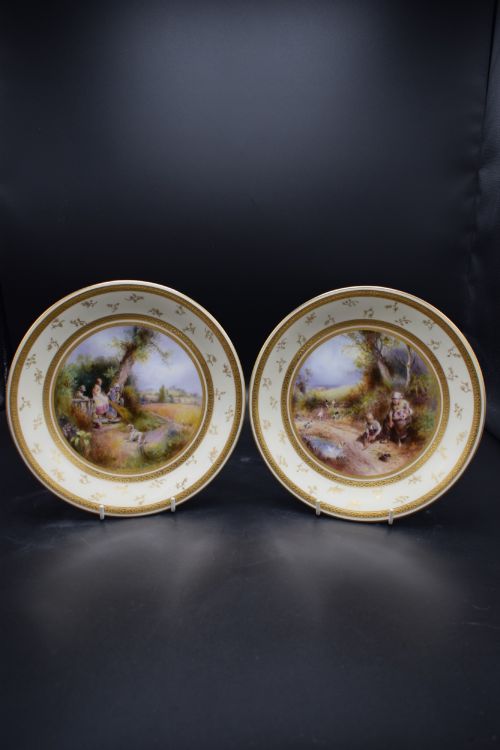
- A decorative plate meant for display in a cabinet rather than use at the dining table. These items typically feature elaborate handpainted scenes.
- Bone china
- A type of porcelain incorporating bone ash into the paste, creating a durable, milky-white body with high translucency. British potteries adopted this formula extensively during the nineteenth century.
- Gilding
- The application of gold leaf or gold paint to the rims, handles and borders of porcelain. Skilled artisans burnished the metal to achieve a bright, reflective finish.
- Glaze
- A glassy coating fused to the ceramic body during firing. It renders the porcelain impervious to liquid and enhances the depth of the underlying colours.
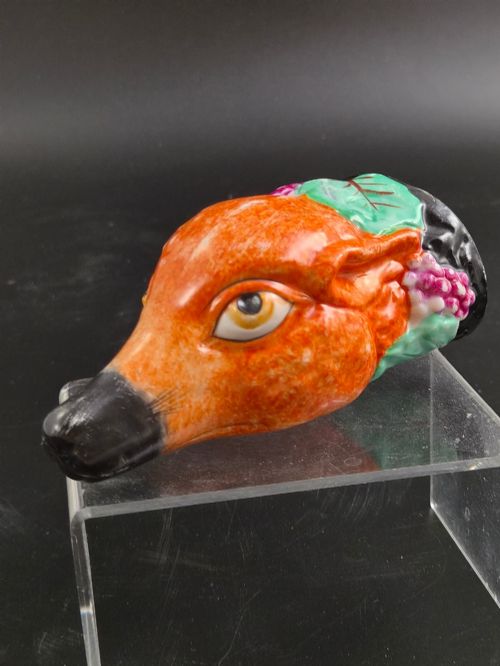
- Stirrup cup
- A moulded ceramic drinking vessel shaped as an animal head, traditionally handed to riders before a hunt. These pieces date predominantly to the Georgian and Regency periods.
Collectible Porcelain: Frequently Asked Questions
How do I date antique porcelain?
Dating relies upon factory marks stamped, painted or impressed onto the underside of the ceramic body. Many nineteenth and twentieth-century potteries used specific ciphers, numbers or registry marks that correspond to precise years of manufacture.
Stylistic cues such as paste composition, glaze texture and painting technique also help narrow the production window when factory marks are absent or worn.
Were cabinet plates used for dining?
Cabinet plates were created specifically for display in glass-fronted furniture rather than for serving food. Their delicate enamel painting and extensive gold leaf would suffer from cutlery and frequent washing.
Standard tableware was produced with more durable glazes and simpler transfer-printed patterns intended for everyday household dining.
How should I clean porcelain figures?
Cleaning requires a soft dry brush or a lint-free cloth to remove dust from crevices and painted surfaces. Moisture can damage old enamels and delicate paper labels on the base.
Water and harsh detergents should be avoided entirely unless the glaze is completely sound and free of hairline cracks that might absorb liquid.
What is the difference between bone china and porcelain?
Bone china contains calcined bone ash mixed with china clay and stone, producing a lighter, highly translucent body. Traditional continental porcelain utilises petuntse and kaolin without bone ash.
Both materials undergo high-temperature kiln firings, but bone china developed primarily in Britain as a whiter, stronger alternative to imported hard-paste wares.