


Collectible Porcelain Figurine
A collectible porcelain figurine brings the character, costume, and dramatic flair of past centuries onto a shelf in miniature form.
Collectible Porcelain Figurine
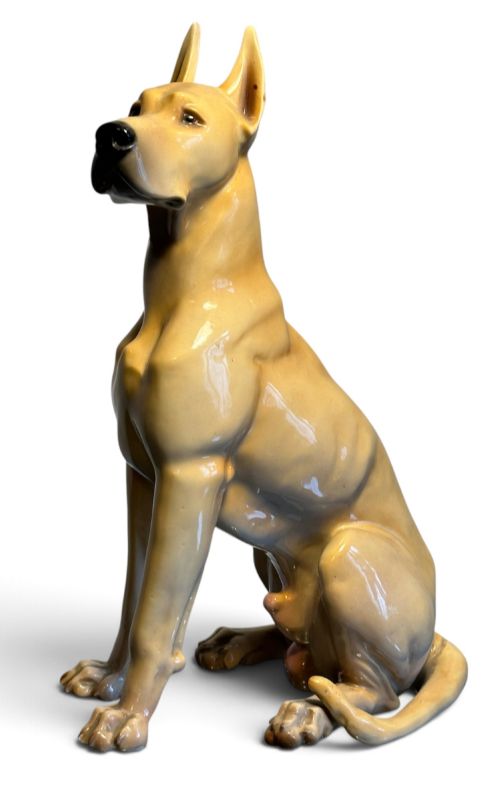
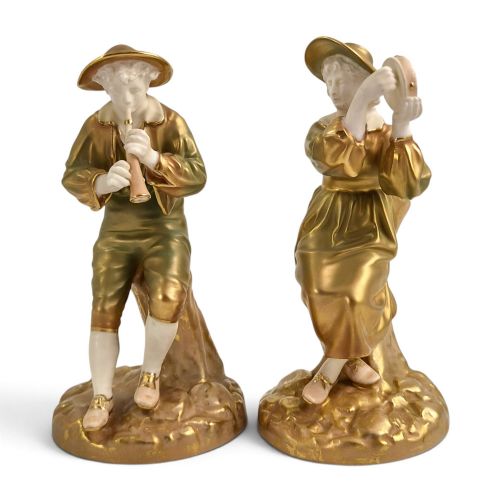
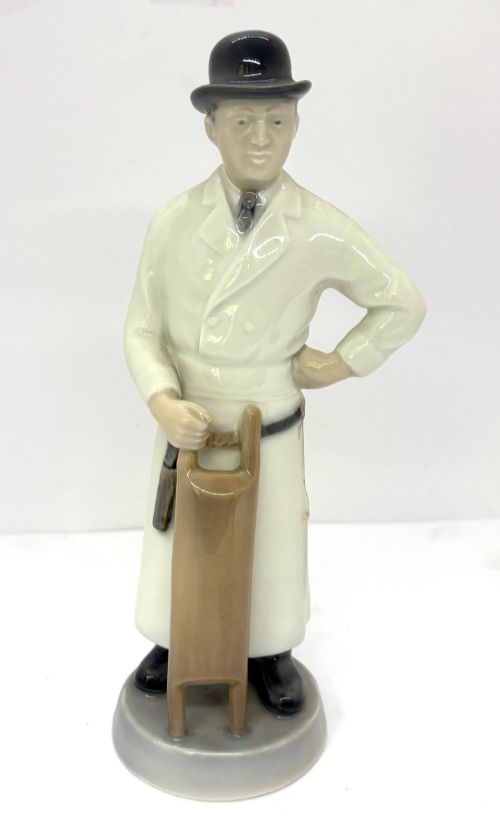
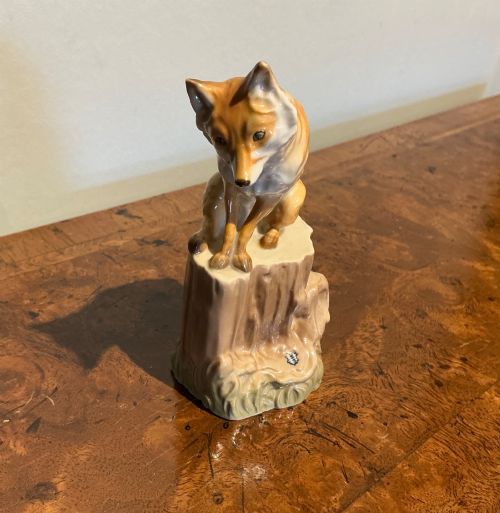
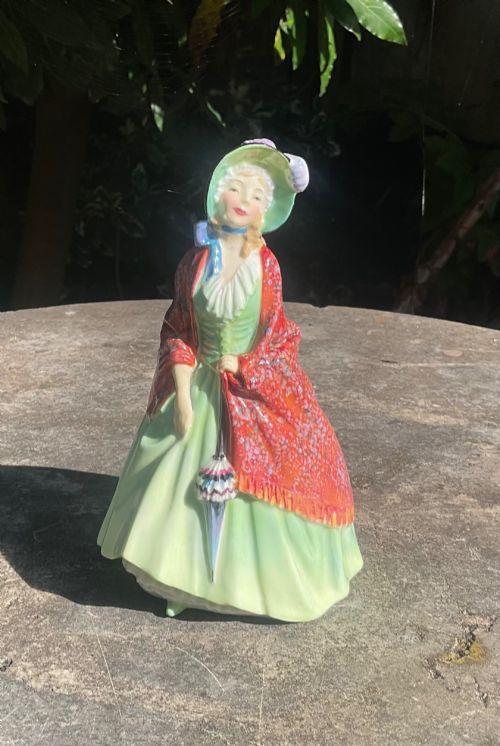
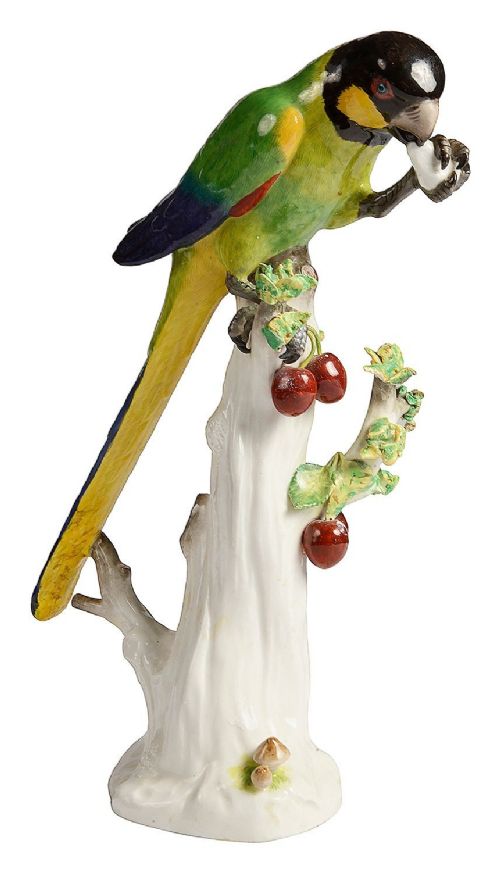
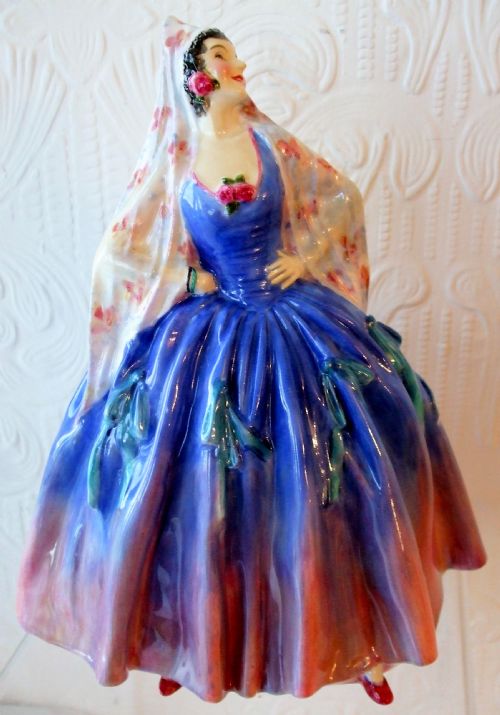
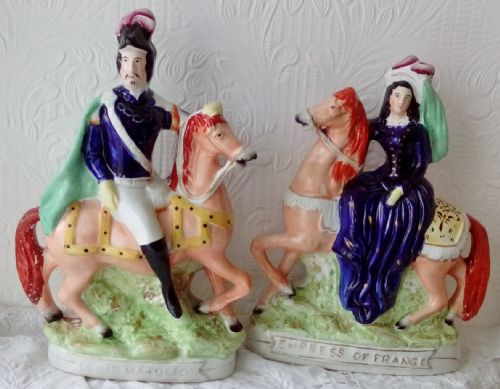
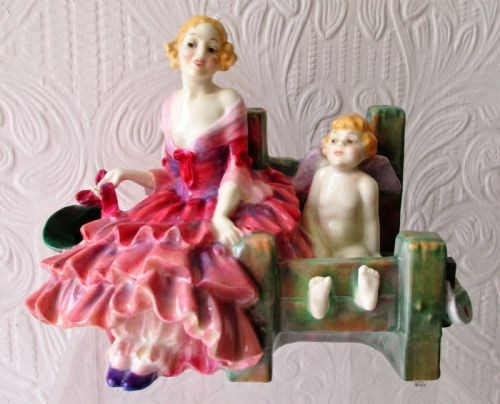
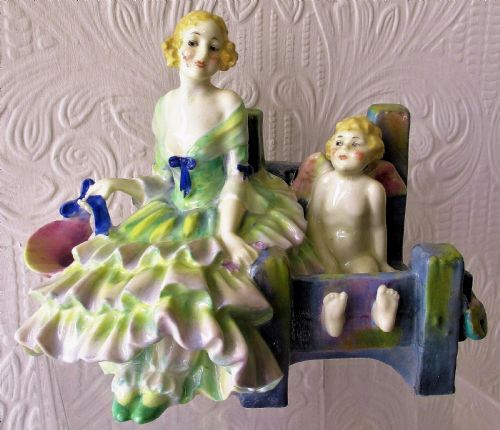
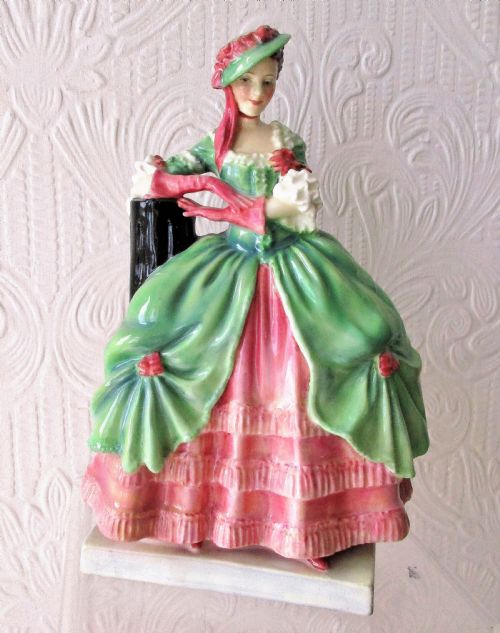
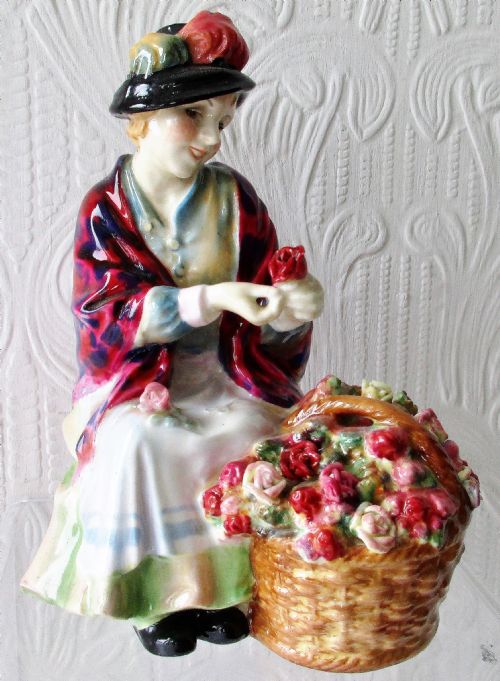
A collectible porcelain figurine represents human characters, animals, and theatrical subjects shaped in ceramic and finished with glaze or enamel. These objects span from eighteenth-century Georgian figures to Art Deco studies and twentieth-century English pottery models.
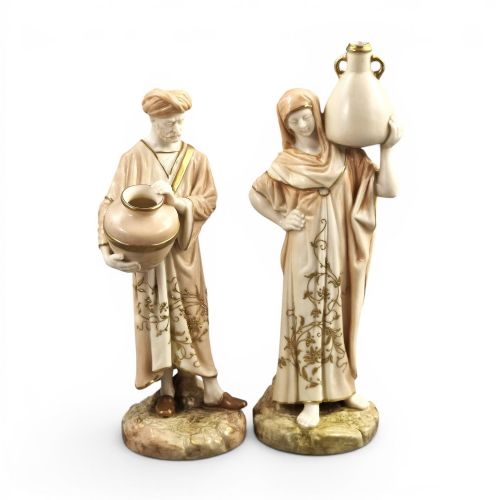
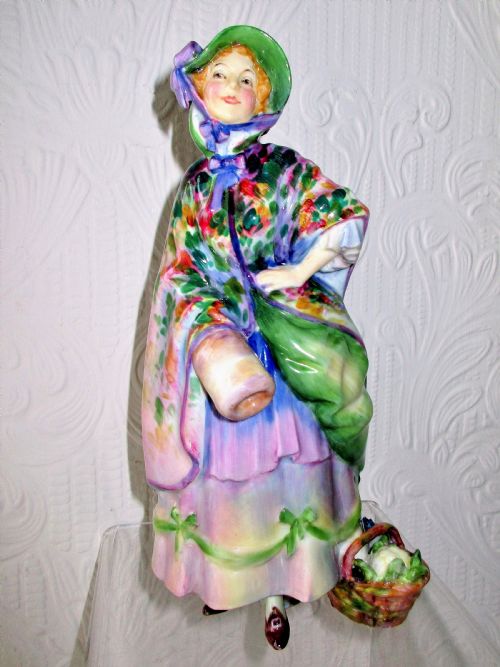
The selections available here range widely across European traditions, featuring notable English manufactories alongside German and Danish studios. Buyers encounter subjects as varied as literary characters, market traders, dancers, and naturalistic animal studies.
Forms extend beyond standard mantle ornaments to include functional pieces such as candle snuffers, half dolls, and cigarette strikers. This variety allows collectors to focus on specific periods, such as the Victorian era or the 1930s, or particular artistic styles.
Materials and Manufacture
Production combined meticulous moulding techniques with skilled brushwork, particularly evident in nineteenth-century and twentieth-century examples. Firing processes fixed the vibrant polychrome enamels and glossy coatings that define the finished appearance of each piece.
Collectible Porcelain Figurine Retail Price Guide 2026
Typical asking prices for collectible porcelain figurine among the pieces listed under this phrase on Sellingantiques today, from the lower quarter to the upper quarter. They describe what is for sale here now, not the wider market.
Listings include eighteenth-century Georgian figures alongside twentieth-century Art Deco designs, utilising materials like bone china, enamel, and gold leaf.
Aspects of Quality
Excellence in these figures rests upon the crispness of the modelling and the precision of the hand-painting. Superior examples display delicate facial expressions, sharply defined garments, and careful application of enamel and gold leaf.
The reputation of the manufactory and the skill of the individual modeller or designer heavily influence the standing of a piece. Earlier historical examples from established kilns command attention through their sculptural ambition and depth of artistic execution.
Royal Doulton·Nymphenburg·Meissen·Royal Worcester·Derby·Samson of Paris·Royal Copenhagen·Royal Dux
The Collectible Porcelain Figurine Glossary
- Bone China
- A type of soft-paste porcelain incorporating animal bone ash for strength and translucency. It became a staple of English ceramic production.
- Glaze
- A glassy coating fused to the ceramic body by heat. It provides a waterproof and decorative finish across the surface of the figure.
- Enamel
- Opaque vitreous material applied over the glaze to add colour. Artisans fired these pigments onto the porcelain to create vibrant clothing and facial details.
- Half Doll
- A porcelain figure modelled only from the waist up without lower legs. These objects typically served as decorative covers for brushes, lampshades, or powder boxes.
Collectible Porcelain Figurine: Frequently Asked Questions
What are porcelain figurines made of?
These pieces consist of fired ceramic materials such as porcelain and bone china. Artisans finished the bodies with glaze, enamel colours, and occasional gold leaf accents.
The specific clay body and firing technique varied according to the period and the manufactory creating the piece.
How do I identify different periods?
Stylistic clues such as costume design, facial painting, and modelling techniques help determine the age of a figure. Art Deco pieces display geometric simplicity, while Victorian and Georgian examples feature elaborate drapery and ornate bases.
Maker marks and registration numbers stamped on the underside provide further confirmation of the date and origin.
Were these figures meant for display?
Most of these objects served as decorative ornaments for mantelpieces, cabinets, and drawing rooms. Some specialised forms, such as candle snuffers and half dolls, combined display with practical household functions.
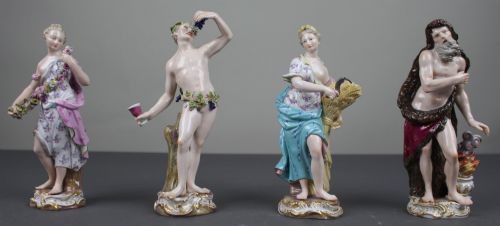
Owners typically arranged them in matched pairs or themed sets, such as the seasons or market characters.
How should I care for my figurine?
Gentle dusting with a soft, dry brush preserves the delicate enamel and glazed surfaces. Avoid using harsh cleaning agents or submerging antique pieces in water.
Keeping figurines away from direct sunlight protects the hand-painted colours from fading over time.