



Collectable Ceramic Pair
A collectable ceramic pair brings balanced symmetry to a mantelpiece, matching porcelain or earthenware figures, vases and urns created across multiple centuries.
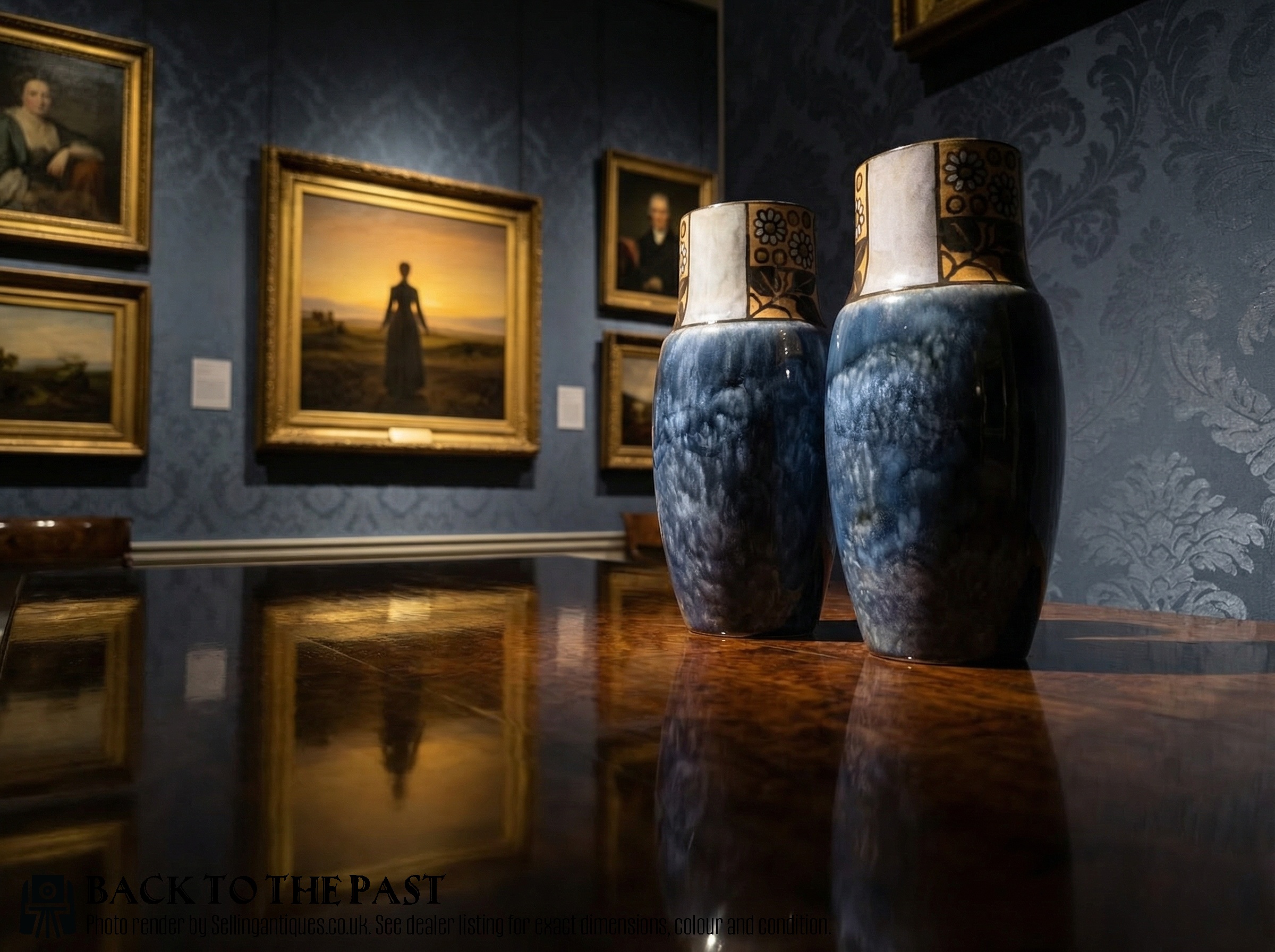
Collectable Ceramic Pair
A collectable ceramic pair encompasses matched duos of figures, vases, decanters, plates and salts produced in porcelain, earthenware, stoneware and ironstone. When searching for a collectable ceramic pair, buyers encounter works spanning from the Georgian and Victorian eras through to the Edwardian period and the 1920s.
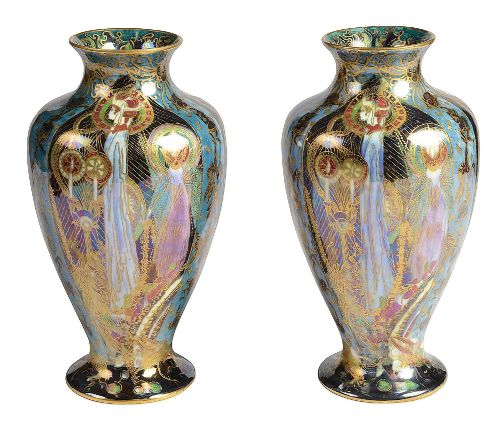
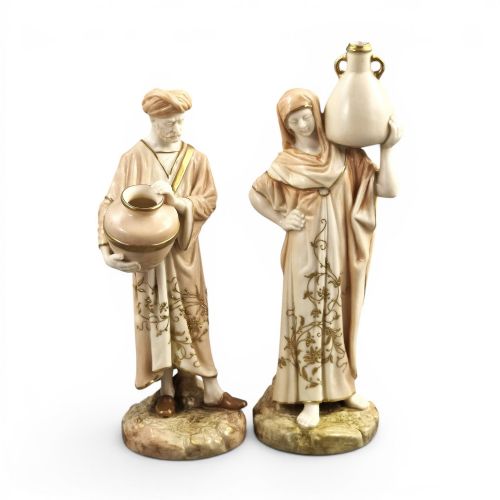
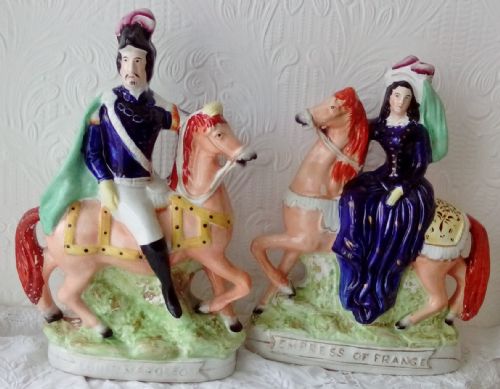
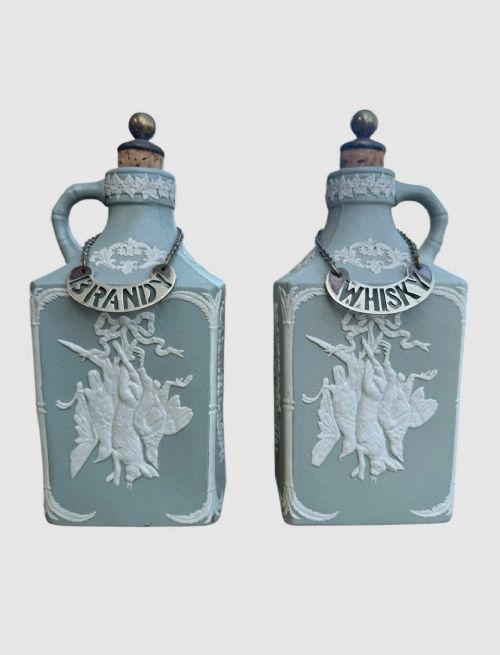
The selections on this page range from Staffordshire pottery figures and pearlware animals to Royal Worcester vases, Derby porcelain models and Samson of Paris dwarves. Formats include decorative figurines depicting historical figures, market costumes and animals alongside baluster vases and spirit flagons.
Origins stretch across English potteries such as Wedgwood, Royal Doulton, Mason's and Pilkingtons, alongside continental works from Royal Copenhagen, Rozenburg and Ernst Bohne & Söhne. These matched duos served both ornamental and functional roles in period interiors.
How they were made
Potters shaped these bodies using porcelain, earthenware, pearlware and ironstone, employing moulds or hand-modelling techniques before firing. Artisans then applied detailed enamels, glazes, blush ivory finishes and gold leaf gilding.
Many items received hand-painted decoration from notable artists, adding individual artistic execution to the ceramic surface. Kiln firing fixed the pigments and glazes, producing durable finishes visible in lustre ware and Jasper compositions.
Listings span 18th Century, Georgian, 19th Century, Victorian, Edwardian, 1910, 1920 and 1960 periods, utilising porcelain, earthenware, stoneware, enamel and gold leaf.
What varies in quality
The distinction between tiers rests upon the crispness of the modelled detail and the precision of the hand-painted enamel work. Pieces featuring named artists or recognised factory painting display greater artistic execution than standard production runs.
Preservation of the original glaze, gilding and enamelling dictates the desirability of each duo. Matching condition across both items in the pair preserves their visual balance.
Wedgwood·Royal Worcester·Samson of Paris·Derby·Royal Doulton·Royal Copenhagen·Ernst Bohne and Sohne·Pilkingtons Royal Lancastrian·Rozenburg
The Collectable Ceramic Pair Glossary
- Pearlware
- A fine earthenware developed by Josiah Wedgwood featuring a bluish-white glaze that pooled in recesses. It served as a popular base for Staffordshire figures and animals.
- Ironstone
- A heavy, durable type of earthenware patented in England that resists chipping. It provided a strong body for functional wares and decorative salts.
- Lustre
- A metallic ceramic glaze that produces an iridescent or reflective sheen on the surface of vases and vessels. It relies on metallic films fired onto the glaze.
Collectable Ceramic Pair: Frequently Asked Questions
How do I identify a matched pair?
A matched pair shares identical forms, decorative motifs, dimensions and factory marks applied during production. Artisans often created these duos to sit symmetrically on mantelpieces or furniture.
Differences in hand-painting or minor sizing variations indicate that two individual pieces were assembled together later as a pairing rather than manufactured simultaneously.
What periods do these ceramics cover?
The listings span from the Georgian era through the 19th century, Victorian period, Edwardian era and into the 1920s and 1930s. Each era brought distinct stylistic influences ranging from classical Derby models to Art Deco designs.
Markings, paste composition and decorative styles help determine the specific manufacturing decade of each ceramic object.
How were ceramic figures used historically?
Ceramic figures and animal models served primarily as decorative ornaments on mantelpieces, sideboards and tables in period homes. Vases and urns held floral displays or stood as ornamental works.
Some items, such as spirit flagons and salts, combined functional storage with decorative display in dining and living spaces.
Are these pieces hand painted?
Many of the figures, vases and plates feature hand-painted details executed by skilled ceramic artists. Factories employed specialised painters to apply enamels, gilding and pictorial scenes over the fired glaze.
Signature marks or artist ciphers on the base occasionally record the specific individual responsible for the painted decoration.