


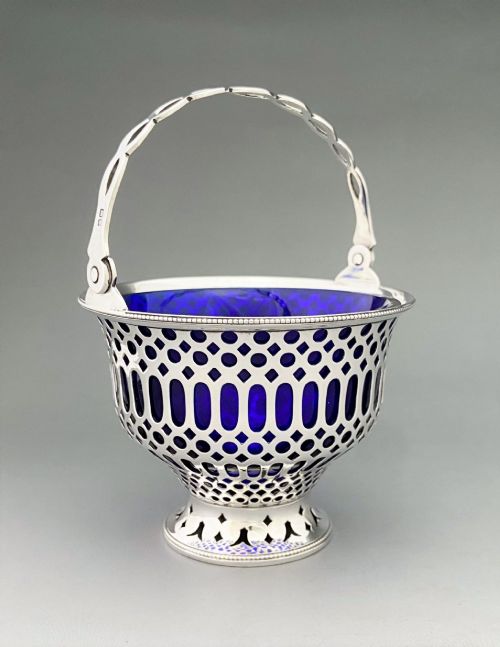


Cobalt Glass Liners
Cobalt glass liners are the brilliant blue inserts that protect precious metal tableware from corrosive contents, and collectors seek them to complete period silver sets.
Cobalt Glass Liners
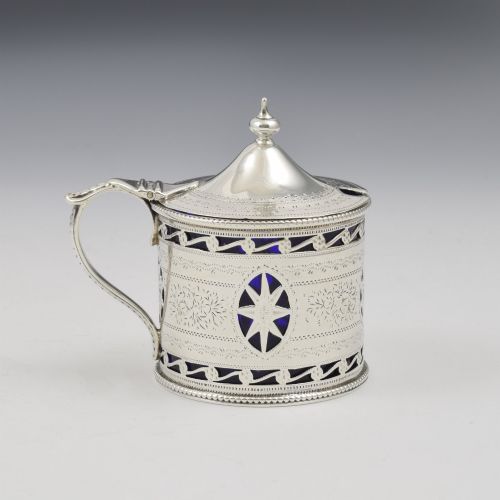
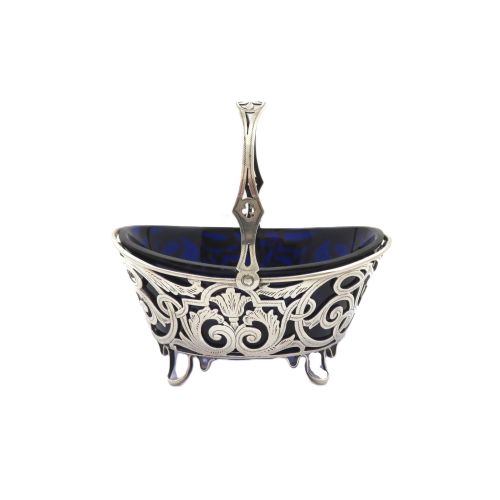
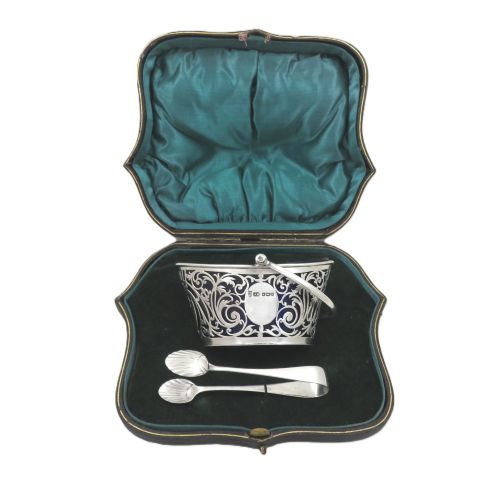
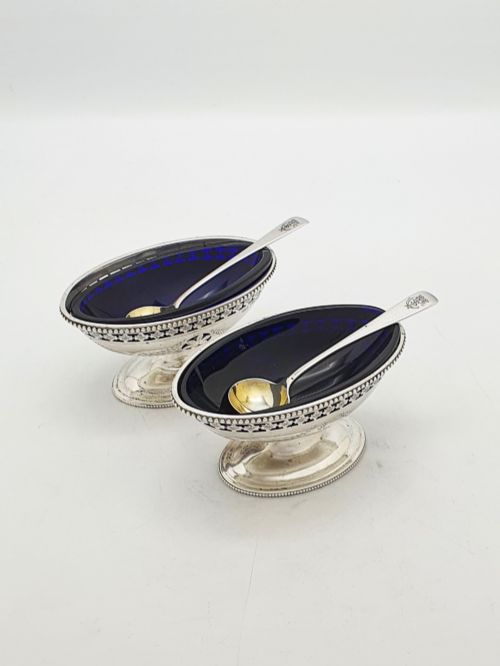
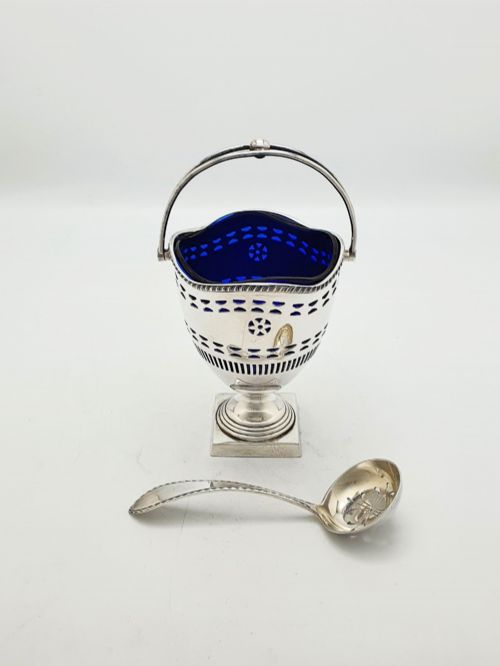
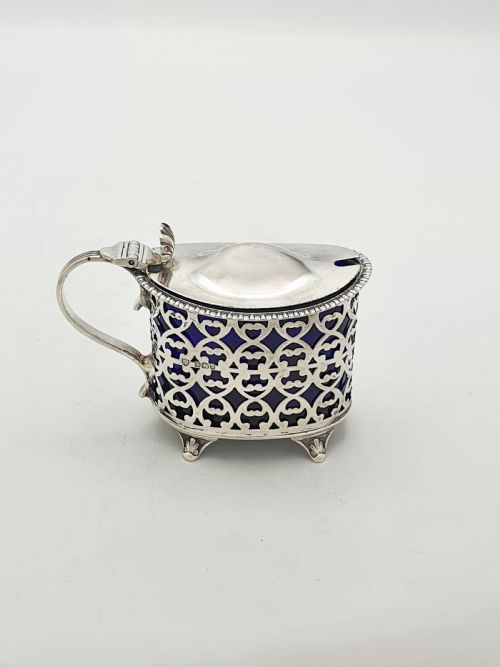
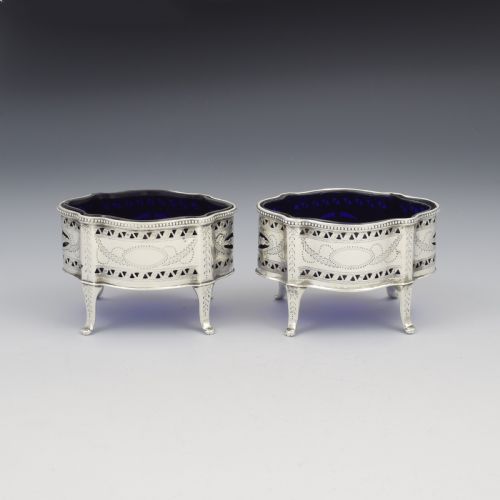
Cobalt glass liners provide a vivid blue vessel that sits neatly inside open metalwork such as pierced mustard pots, salt cellars, sugar baskets, and condiment pots. When you search for cobalt glass liners, you encounter small blown or moulded glass inserts designed to hold acidic contents like mustard and salt away from sterling silver and silver plate.
How they were made
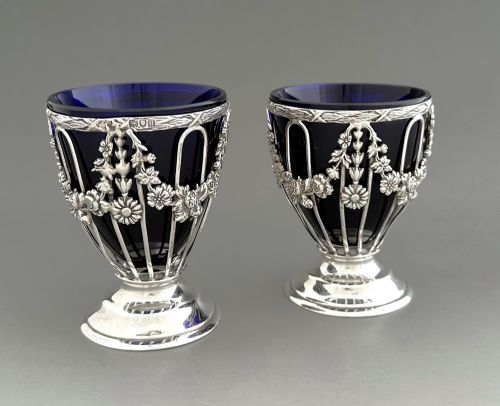
Makers produced these liners using rich cobalt blue glass, often blown into moulds or shaped by hand to fit the contours of silver wirework, pierced frames, and boat-shaped table salts. The metal holders themselves utilise techniques like piercing, wirework, and casting, paired with the deep blue glass inserts to create striking contrast on the dining table.
Silver and silver plate form the exterior framework of these items, while the inner glass vessels provide a practical, non-reactive container for everyday use at the table. The combination of bright blue glass and pierced metalwork defines the construction methods seen across the Victorian, Edwardian, and Georgian eras.
Listings include items from the Georgian, Victorian, Edwardian, and Art Deco periods, utilising sterling silver, silver plate, and 800 silver alongside blue glass.
What varies in quality
The distinction between ordinary and exceptional pieces lies in the crispness of the metal piercing, the weight of the silver or silver plate, and whether the blue glass liner is the original period component. Finer examples feature intricate wirework, cast floral handles, and glass that fits the metal housing precisely without excessive wobble.
Maker marks, clear hallmarks, and matching sets elevate the desirability of these tableware items, particularly when paired with undamaged glass liners. The integration between the outer silver frame and the inner blue glass dictates the overall calibre of the piece.
Nathan & Hayes·Aldridge & Green
The Cobalt Glass Liners Glossary
- Cobalt glass
- A deep blue glass coloured with cobalt oxide, utilised for its rich tone and durability in tableware inserts. It protects the outer silver from corrosion.
- Salt cellar
- A small open dish used for holding salt at the dining table, frequently lined with blue glass. They appear as single pieces, pairs, or sets of four.
- Mustard pot
- A small covered container designed to hold prepared mustard, usually featuring a hinged lid and a fitted glass liner. They often display intricate pierced silver decoration.
- Sugar basket
- A decorative vessel with a swing handle, used for serving sugar cubes or loose sugar. These larger items often incorporate blue glass liners to protect the delicate wirework.
- Wirework
- A technique involving soldered metal wires shaped into open patterns to form baskets and frames. It creates a lightweight structure that showcases the glass liner within.
Cobalt Glass Liners: Frequently Asked Questions
What are cobalt glass liners used for?
These blue glass inserts serve as protective vessels inside open silver tableware like salt cellars and mustard pots. They prevent corrosive salts and vinegars from damaging the precious metal exterior.
Collectors appreciate finding pieces that retain their original glass inserts, as replacements often lack the correct period proportions and exact shade of blue.
How do I date a salt cellar with a liner?
Dating relies on examining the silver hallmarks stamped on the metal frame rather than the glass. Georgian, Victorian, and Edwardian pieces each exhibit distinct stylistic traits in their piercing and feet.
The shape of the metal holder and the manufacturing technique of the silver wirework also help determine the era of the piece.
Are replacement liners common?
Original glass liners are frequently replaced due to accidental breakage over centuries of use. Finding a piece with its matching period glass adds considerably to its completeness.
When buying, check whether the glass sits flush within the metal frame to gauge if it belongs to the original construction.
How should I clean these items?
The glass liner should be removed from the silver frame before cleaning to protect both materials. Wash the cobalt glass gently in warm soapy water and dry with a soft cloth.
Polish the silver frame separately using appropriate metal cleaner, taking care to avoid getting polish trapped in pierced decorative details.